
 Pin It
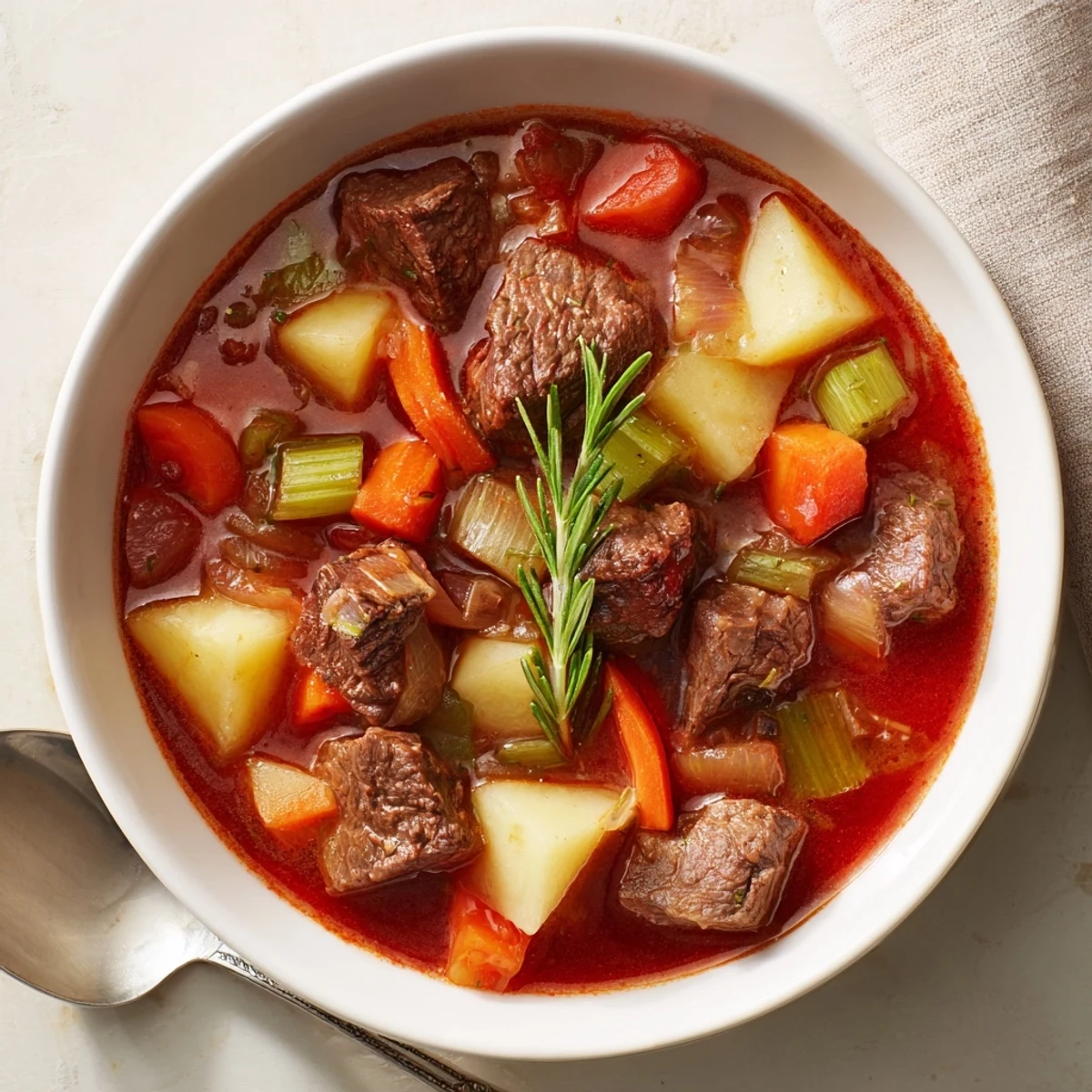
 This traditional Italian dish features beef chuck cubes slowly simmered for over two hours with onions, carrots, celery, and potatoes in a flavorful red wine and beef stock base. Aromatic herbs like bay leaves, rosemary, and thyme infuse the dish with deep, comforting flavors that develop beautifully during the long cooking process. The result is melt-in-your-tender meat surrounded by a thick, savory sauce.
The rain was hammering against the kitchen window so hard that afternoon that I abandoned all plans to leave the house and started rummaging through the fridge instead. A chunk of beef chuck stared back at me, and within minutes I had onions, carrots, and an open bottle of red wine lined up on the counter like soldiers waiting for orders. That impromptu spezzatino turned a gloomy Sunday into something I still crave every time the weather turns.
My neighbor Luca knocked on the door that evening to return a borrowed corkscrew and ended up staying for two bowls. He told me his nonna would have approved, which is the highest compliment I have ever received in any kitchen.
Ingredients
- Beef chuck, 800 g cut into 3 cm cubes: This cut has the right amount of connective tissue that melts during the long braise, turning tough meat into something fork tender.
- Onions, 2 medium finely chopped: They form the sweet backbone of the soffritto and dissolve into the sauce over time.
- Carrots, 2 sliced: They add natural sweetness and a gentle color that makes the stew look as warm as it tastes.
- Celery, 2 stalks sliced: Do not skip this because it brings an earthy depth that you will miss if it is gone.
- Potatoes, 2 medium peeled and cubed: They break down just enough to thicken the broth while still holding their shape in each bite.
- Garlic, 2 cloves minced: Added later in the process so its flavor stays bright and fragrant rather than bitter.
- Dry red wine, 250 ml: Use something you would gladly drink because the flavor concentrates as it reduces.
- Beef stock, 500 ml: A good quality stock makes a noticeable difference here since the liquid is the soul of the finished dish.
- Tomato paste, 2 tbsp: Just a couple of spoonfuls give the stew its rich color and a subtle tang that balances everything.
- Olive oil, 2 tbsp: Used for browning the meat and softening the vegetables, so a decent extra virgin is worth it.
- Bay leaves, 2: They work quietly in the background and must be removed before serving so nobody bites into one.
- Fresh rosemary, 1 sprig: The piney aroma is unmistakably Italian and pairs beautifully with beef.
- Dried thyme, 1 tsp: A small amount adds a woodsy note that rounds out the herb profile without overpowering.
- Salt and black pepper: Season gradually and taste at the end because the reduction concentrates saltiness.
Instructions
- Get that pot screaming hot:
- Pour the olive oil into a large heavy bottomed pot over medium high heat and let it shimmer until it almost smokes. Brown the beef in batches so each cube gets a deep dark crust on all sides, then set them aside on a plate.
- Build the flavor base:
- Turn the heat down to medium and toss in the onions, carrots, and celery. Stir them around for about 5 minutes, scraping up every last brown bit stuck to the bottom because that is pure flavor.
- Wake up the garlic and tomato:
- Add the minced garlic and tomato paste, stirring constantly for 2 minutes until the kitchen smells incredible and the paste darkens slightly.
- Let the wine work its magic:
- Pour in the red wine and scrape the pot with your wooden spoon, letting the wine reduce by half over about 5 minutes so the alcohol cooks off and the richness remains.
- Bring it all together:
- Return the beef and any juices from the plate back into the pot, then add the potatoes, beef stock, bay leaves, rosemary, thyme, and a generous pinch of salt and pepper.
- The long patient simmer:
- Bring everything to a gentle bubble, then cover the pot and drop the heat to low. Let it cook for 2 hours, stirring every now and then, until the beef yields to a fork and the sauce coats the back of a spoon.
- Finish and taste:
- Fish out the bay leaves and the rosemary sprig, then taste the sauce and adjust with more salt or pepper if needed before serving.
 Pin It
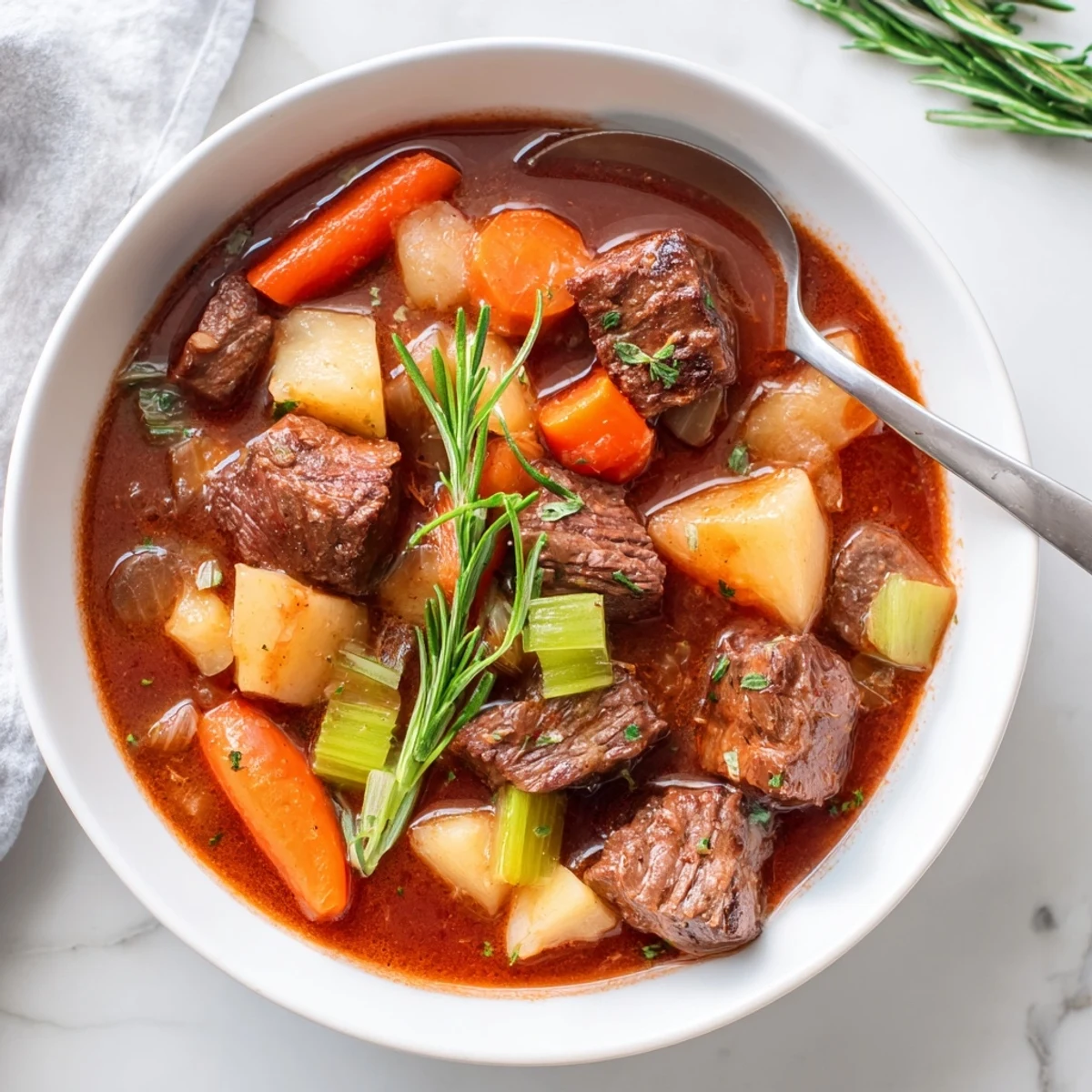
 I ladled a bowl for myself and stood at the counter eating in silence while the rain kept falling outside. Something about a stew that has bubbled away for two hours makes you slow down and appreciate the simple act of feeding yourself well.
Serving Ideas Worth Trying
A slice of crusty bread dragged through the thickened sauce is honestly as good as any pasta pairing you could dream up. Polenta is the traditional choice and for good reason because its creamy texture soaks up every drop of the braising liquid.
Make Ahead and Storage
This stew is one of those rare dishes that genuinely improves overnight as the flavors settle and mingle in the refrigerator. Let it cool completely before covering and chilling, then gently reheat it on the stove over low heat the next day.
Tools That Make It Easier
A heavy Dutch oven is really the only piece of equipment that matters here because it holds and distributes heat evenly throughout the long cook.
- A wooden spoon with a flat edge gets into the corners of the pot better than a rounded one when you are deglazing.
- Cut all your vegetables before you start cooking so you are not scrambling with a knife while the garlic burns.
- Trust the timer on the simmer because pulling it off the heat too early means tough meat every single time.
 Pin It
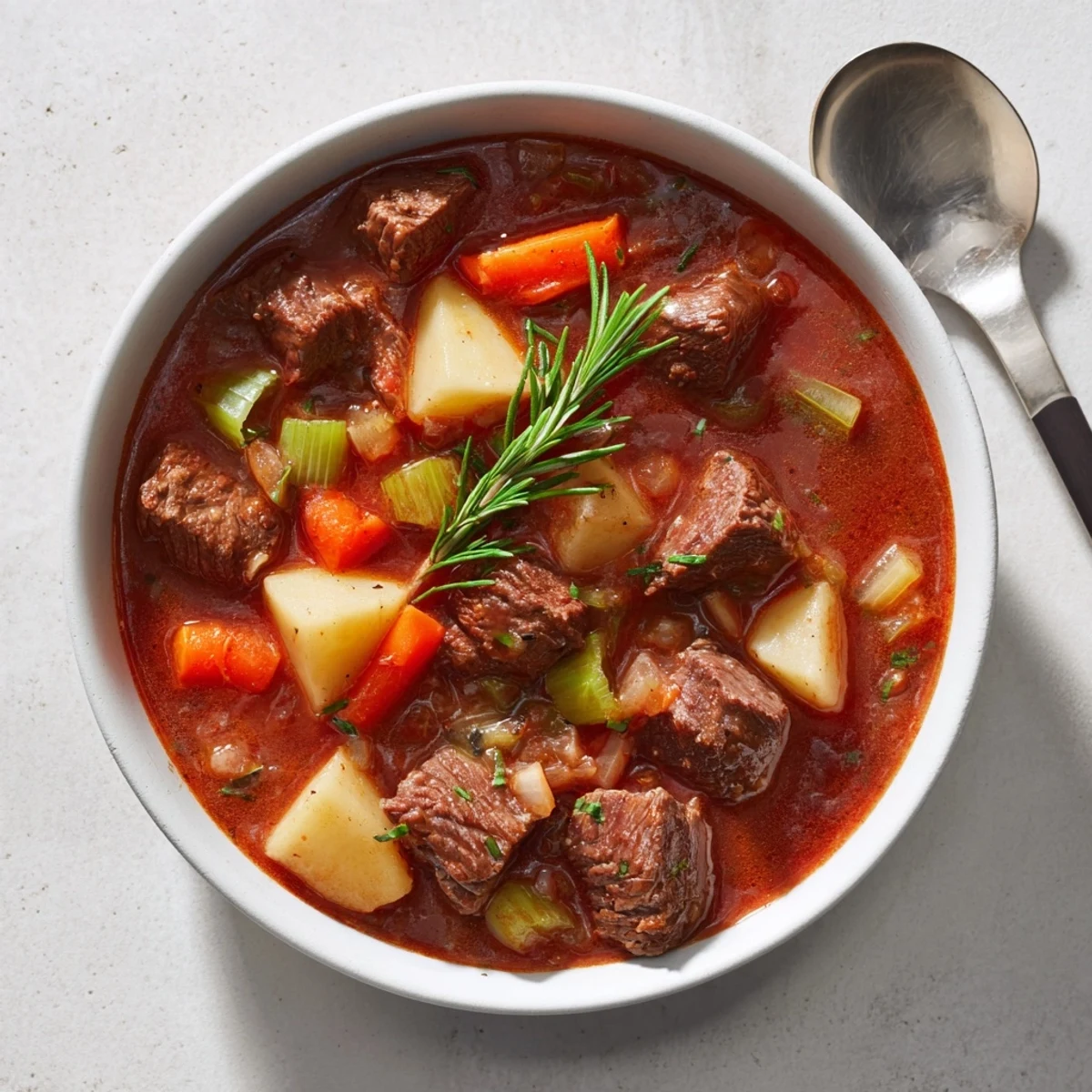
 Keep this recipe close for the cold months ahead because it will never let you down when you need something warm, deeply satisfying, and mercifully hands off.
Recipe Questions & Answers
- → What cut of beef works best for spezzatino?
-
Beef chuck is ideal because it becomes tender during long braising while maintaining texture. Look for well-marbled pieces that will benefit from slow cooking.
- → Can I make this in advance?
-
Absolutely. Spezzatino tastes even better the next day as flavors continue to develop. Store in the refrigerator for up to 3 days.
- → What should I serve with it?
-
Rustic bread, polenta, or mashed potatoes work wonderfully to soak up the rich sauce. For gluten-free options, serve alone or with roasted vegetables.
- → How do I know when it's done?
-
The beef should easily break apart with a fork, and the sauce should coat the back of a spoon. This typically takes about 2 hours of gentle simmering.
- → Can I freeze leftovers?
-
Yes, freeze in airtight containers for up to 3 months. Thaw overnight in the refrigerator before reheating gently on the stove.