
 Pin It
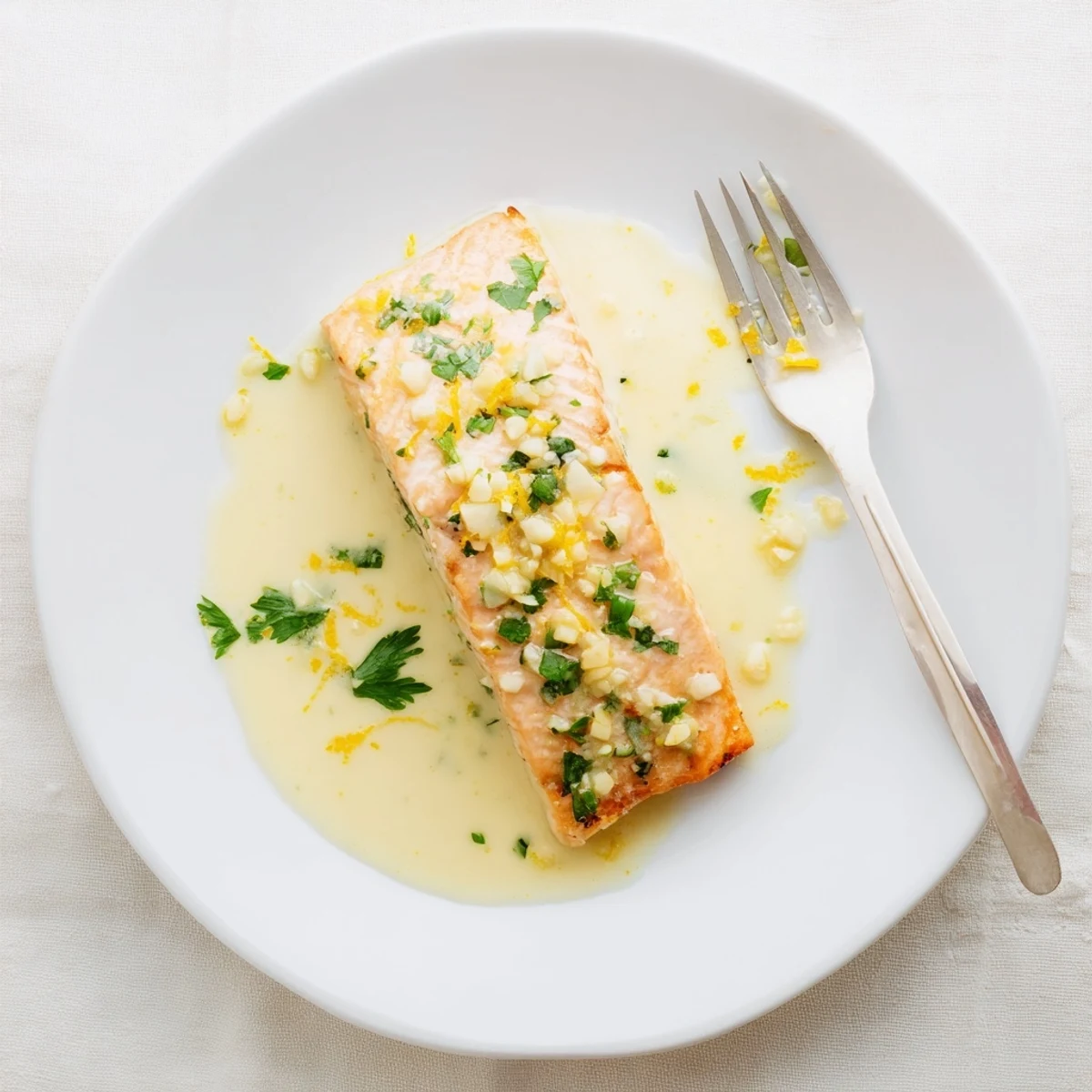
 This elegant yet approachable dish features perfectly pan-seared salmon fillets with a golden crust, smothered in a velvety lemon cream sauce. The bright, zesty flavors come from fresh lemon juice and zest, while garlic and Dijon mustard add savory depth. Heavy cream creates a luxurious texture that coats each bite beautifully. The entire meal comes together in just 30 minutes, making it ideal for both busy weeknights and special occasions. Serve alongside steamed vegetables, fluffy mashed potatoes, or aromatic rice for a complete restaurant-worthy dinner at home.
The sizzle of salmon hitting a hot pan is one of those sounds that instantly makes a kitchen feel alive, and the smell that follows is even better. I stumbled on this lemon cream sauce one Tuesday when the fridge held nothing but cream, a lonely lemon, and some garlic that was borderline desperate. What happened next was the kind of happy accident that rewires your weeknight rotation forever. Now this dish shows up at my table at least twice a month, no occasion required.
I once made this for my neighbor who swore she hated salmon, and she cleaned her plate before I even sat down to eat. There is something about that golden crust and silky sauce that dissolves every prejudice.
Ingredients
- 4 skinless salmon fillets about 170 g each: Try to buy fillets of similar thickness so they finish cooking at the same time and nobody gets a dry piece.
- 2 tablespoons butter: Unsalted lets you control the seasoning, and the butter gives the sauce a velvety finish that oil alone cannot replicate.
- 2 cloves garlic minced: Fresh is nonnegotiable here because the garlic flavor is a backbone of the whole sauce.
- 1 cup heavy cream: This is what makes the sauce luxurious and thick enough to cling to the fish without any flour or cornstarch.
- Zest of 1 lemon: Rub the zest into the cream with your fingers to release the oils and you will notice a brighter, more fragrant result.
- 2 tablespoons fresh lemon juice: Roll the lemon firmly on the counter before juicing to extract every last drop.
- 1 teaspoon Dijon mustard: It adds a subtle sharpness that balances the richness without announcing itself loudly.
- 2 tablespoons fresh parsley chopped: Flat leaf parsley has a cleaner flavor, but curly works fine if that is what you have on hand.
- Salt and freshly ground black pepper to taste: Season in layers, once on the fish and again at the end in the sauce.
- 1 tablespoon olive oil for searing: A neutral oil works too, but olive oil adds a gentle fruitiness that pairs beautifully with the lemon.
Instructions
- Prep and season the salmon:
- Pat each fillet thoroughly dry with paper towels and season both sides generously with salt and pepper because moisture is the enemy of a good sear.
- Sear the fillets:
- Heat olive oil in a large nonstick skillet over medium high heat until it shimmers, then lay the salmon in gently and cook for 4 to 5 minutes per side until a deep golden crust forms. Transfer the fillets to a warm plate and tent loosely with foil.
- Start the garlic butter:
- Reduce the heat to medium, melt the butter in the same skillet, and sauté the garlic for about a minute until your whole kitchen smells incredible but the garlic has not browned.
- Build the cream sauce:
- Pour in the heavy cream and let it come to a gentle simmer, then stir in the lemon zest, lemon juice, and Dijon mustard. Let it bubble softly for 3 to 4 minutes, stirring now and then, until it coats the back of a spoon.
- Finish with parsley:
- Stir in the chopped parsley and taste the sauce, adding salt and pepper until it sings.
- Bring it all together:
- Nestle the salmon fillets back into the skillet and spoon the sauce over them repeatedly for 2 to 3 minutes so the fish drinks up every bit of flavor.
- Serve and enjoy:
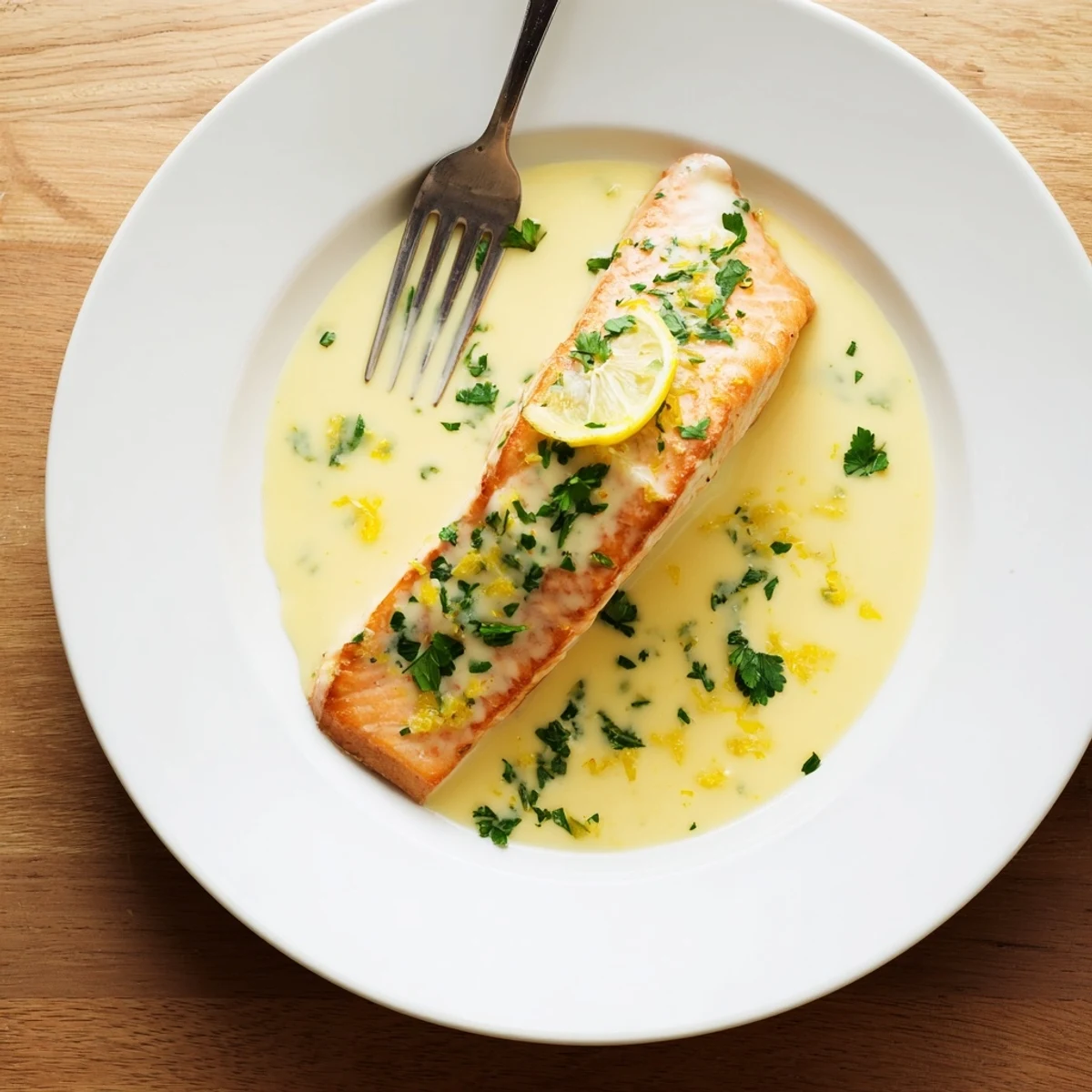
- Plate the salmon immediately with extra sauce spooned on top and garnish with parsley or thin lemon slices if you are feeling fancy.
 Pin It
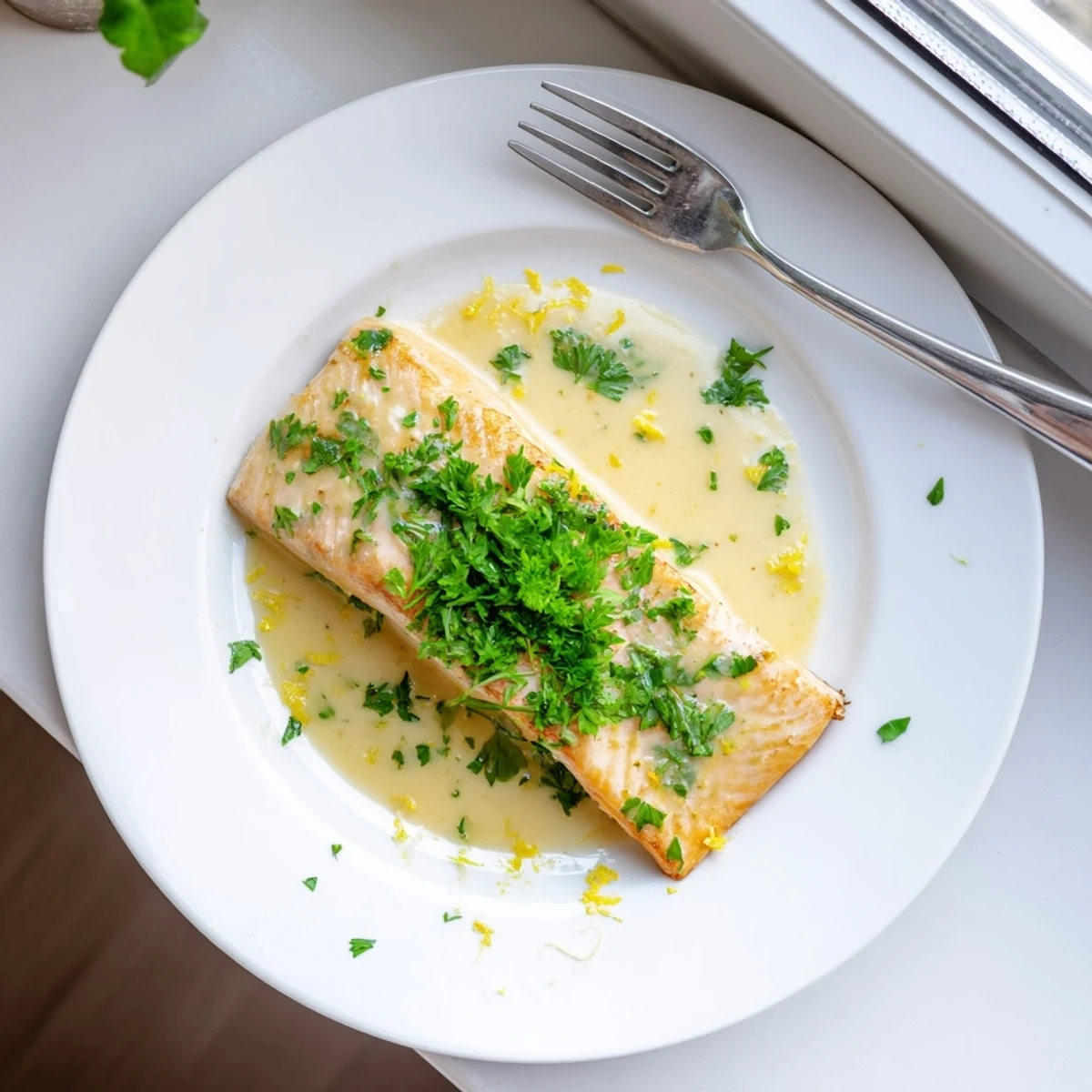
 One cold January evening I plated this on mismatched dishes by candlelight during a power outage, and somehow the flickering glow made that lemon cream sauce look even more golden and indulgent than usual.
What to Serve Alongside
Steamed asparagus or green beans are my go-to because they soak up the extra sauce like edible sponges. Mashed potatoes or a bowl of jasmine rice also make excellent landing pads for whatever lemon cream remains on the plate.
A Note on Wine Pairing
A crisp Sauvignon Blanc mirrors the citrus in the sauce and cuts through the richness of the cream beautifully. If you prefer red, a light Pinot Noir will not overpower the fish, though white is the crowd favorite every time I serve this.
Storage and Reheating
Leftovers keep well in the fridge for up to two days but the fish is best on day one when the crust is still intact.
- Reheat gently in a skillet over low heat rather than using a microwave, which toughens the salmon.
- Store the sauce and fish together so everything stays moist.
- A splash of cream stirred in while reheating can revive a sauce that has thickened overnight.
 Pin It
 This is the kind of recipe that makes you look like you tried much harder than you actually did, and there is absolutely nothing wrong with that.
Recipe Questions & Answers
- → How do I know when the salmon is cooked through?
-
The salmon is done when it flakes easily with a fork and reaches an internal temperature of 145°F (63°C). The flesh should turn opaque throughout while still remaining moist and tender.
- → Can I use frozen salmon fillets?
-
Yes, thaw frozen salmon completely in the refrigerator overnight before cooking. Pat them very dry with paper towels to ensure proper searing and prevent excess moisture in the pan.
- → What can I substitute for heavy cream?
-
Half-and-half creates a lighter sauce with similar richness. For a dairy-free option, use full-fat coconut milk, though this will slightly alter the flavor profile. Keep in mind the sauce won't thicken quite as much.
- → Can I make the sauce ahead of time?
-
The lemon cream sauce can be prepared up to 2 hours in advance and gently reheated over low heat, adding a splash of cream if it becomes too thick. The salmon is best cooked fresh for optimal texture.
- → What vegetables pair well with this dish?
-
Steamed asparagus, roasted Brussels sprouts, sautéed spinach, or green beans complement the rich flavors beautifully. The bright lemon sauce also works wonderfully over simply steamed broccoli or roasted cauliflower.
- → How do I prevent the cream sauce from curdling?
-
Keep the heat at medium or lower once adding the cream. Avoid boiling vigorously, and stir continuously. Adding the cream after the aromatics have cooked and removing the pan from direct heat if needed helps maintain smooth consistency.