
 Pin It
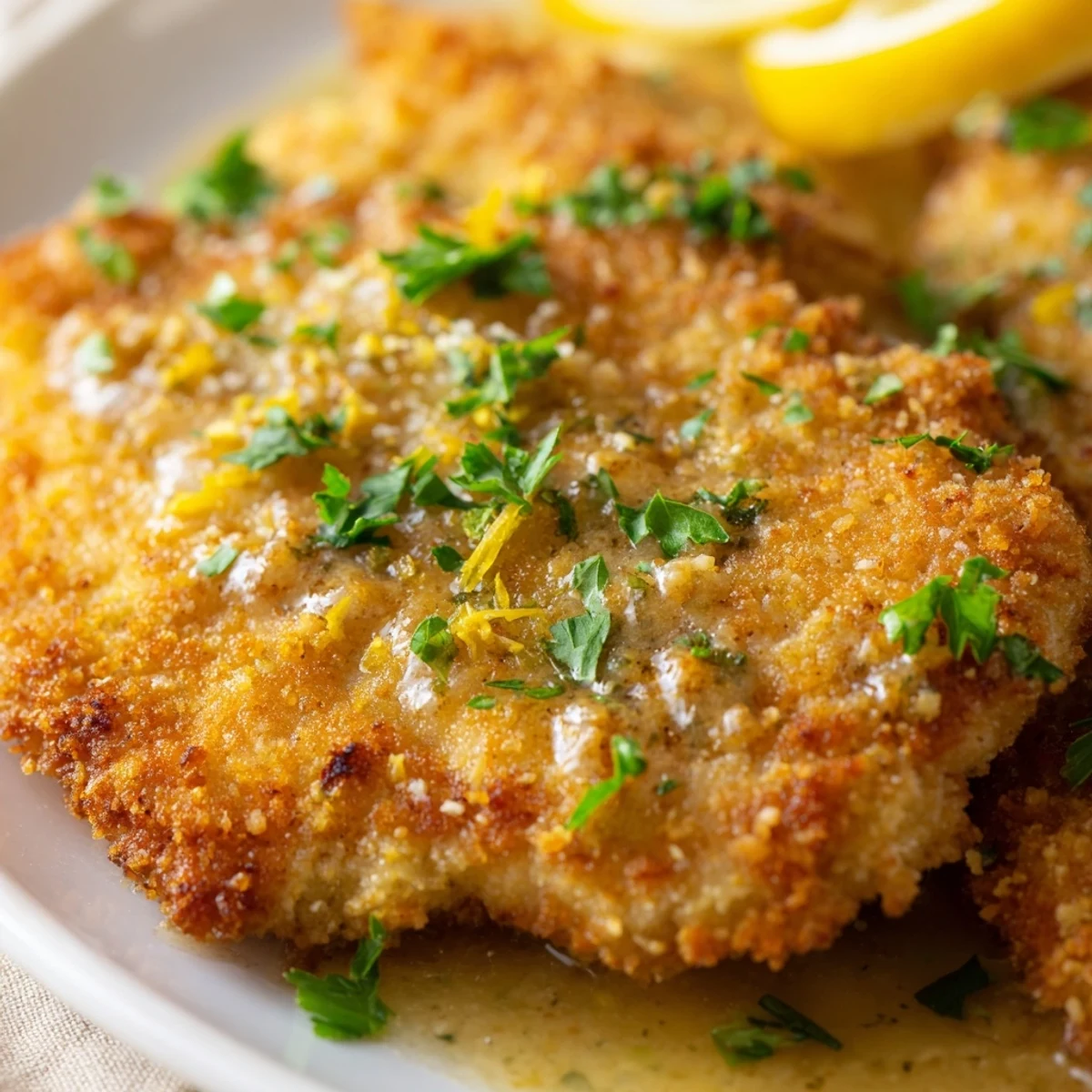
 Golden chicken cutlets are pounded thin, seasoned with citrus, and coated in a savory blend of Romano cheese, Italian breadcrumbs, and fresh lemon zest. Pan-fried until crispy and golden, these tender cutlets are finished with a quick garlic butter sauce brightened with fresh lemon juice and chicken broth.
The breading creates a beautiful crunch while keeping the meat juicy inside. The Romano cheese adds a salty, nutty depth that pairs perfectly with the bright citrus notes. This Italian-American classic strikes the right balance between comforting and elegant.
The sizzle of chicken hitting a hot pan on a rainy Tuesday evening taught me more about cooking than any cookbook ever could. Lemon Chicken Romano became my weeknight anchor dish, the one I reach for when I need something golden and comforting but dont have hours to spend at the stove. The Romano cheese creates this impossibly savory crust that snaps when you cut into it, while the lemon keeps everything bright enough to feel light.
My neighbor Dave once knocked on my door asking if I was running a restaurant because the smell had drifted through the hallway. I invited him in and we stood in the kitchen eating chicken straight from the pan with forkfuls of pasta, no plates, no ceremony.
Ingredients
- 4 boneless, skinless chicken breasts: Pound them thin so they cook quickly and evenly, which also gives you more surface area for that coveted crispy crust.
- 1 tablespoon lemon juice: Used as a quick marinade to brighten the meat before breading.
- 1 teaspoon sea salt and 1/2 teaspoon freshly ground black pepper: Season generously because the breading will dilute the flavor slightly.
- 1 cup all-purpose flour: The first station in your breading line, creating a dry surface for the egg to cling to.
- 2 large eggs whisked with 2 tablespoons water: The binding layer that holds the crunchy coating in place.
- 1 cup grated Romano cheese: Romano is sharper and saltier than Parmesan, which is exactly why it works so well here.
- 1 cup Italian-style breadcrumbs: These already have dried herbs mixed in, saving you an extra step.
- Zest of 1 lemon: Mixed directly into the breading so the citrus flavor is baked right into every bite.
- 3 tablespoons olive oil and 2 tablespoons unsalted butter: Split between pan-frying the chicken and building the sauce.
- 3 cloves garlic, minced: Added to the sauce for a fragrant, savory base.
- 3/4 cup chicken broth: The backbone of the quick pan sauce that pulls everything together.
- 2 tablespoons fresh lemon juice: A final hit of acidity stirred into the sauce at the end.
- 2 tablespoons chopped fresh parsley: Optional but it adds a fresh pop of color and flavor right before serving.
Instructions
- Pound and season the chicken:
- Place each breast between two sheets of plastic wrap and gently pound to a half inch thickness, then season both sides with the lemon juice, salt, and pepper so the flavor penetrates before breading.
- Set up your breading stations:
- Arrange three shallow bowls in a row with flour in the first, the egg and water mixture in the second, and the combined Romano, breadcrumbs, and lemon zest in the third for a smooth assembly line.
- Bread each cutlet:
- Dredge every piece through the flour first, then dunk it in the egg wash, and finally press it firmly into the Romano mixture so the coating adheres tightly on both sides.
- Fry until golden:
- Heat the olive oil and one tablespoon of butter in a large skillet over medium heat, then cook the chicken in batches for four to five minutes per side until the crust is deeply golden and the meat is cooked through, transferring finished pieces to a warm plate.
- Build the pan sauce:
- Drop the remaining tablespoon of butter and the minced garlic into the same skillet, stir briefly until fragrant, then pour in the broth and lemon juice while scraping up all the caramelized bits from the bottom of the pan and let it simmer for two to three minutes until it reduces slightly.
- Bring it all together:
- Nestle the chicken back into the skillet and spoon the bubbling sauce over each piece so it soaks into the crust just slightly, then finish with a scattering of fresh parsley.
 Pin It
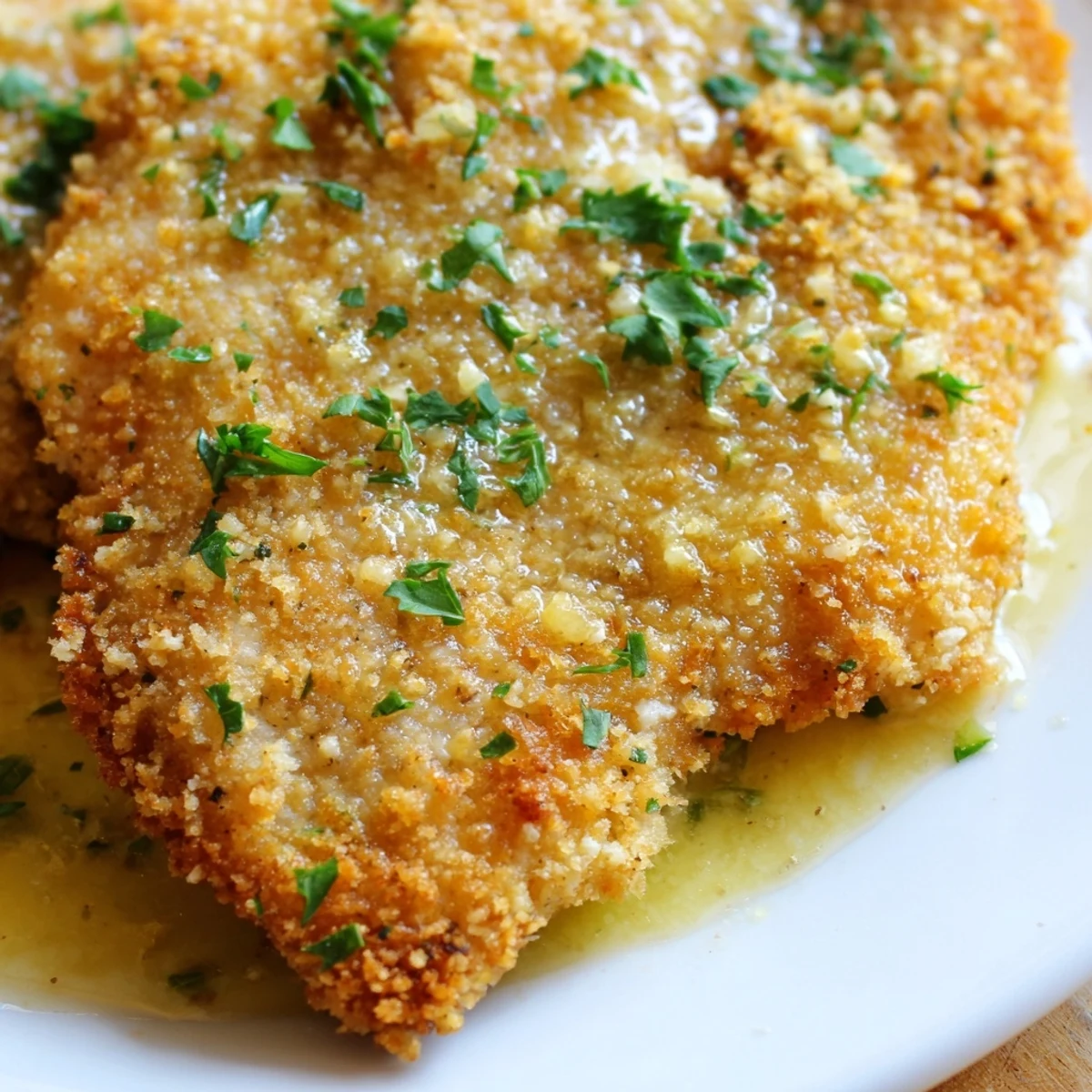
 There is something deeply satisfying about lifting a perfectly golden cutlet out of a skillet and hearing that faint crunch as you set it on the plate. It transforms an ordinary weeknight into a small celebration.
What to Serve Alongside
A simple plate of buttered linguine or a peppery arugula salad with shaved Parmesan balances the richness beautifully. I have also been known to serve this over a bed of roasted asparagus when spring produce is looking good at the market.
Swaps and Substitutions
If you cannot find Romano, Parmesan works well though the flavor will be slightly milder and nuttier. A splash of dry white wine added to the pan sauce alongside the broth introduces a lovely complexity, and gluten-free breadcrumbs perform admirably if you need to accommodate dietary restrictions.
Storing and Reheating Leftovers
Leftovers keep well in an airtight container in the refrigerator for up to three days, though the crust softens overnight which is honestly still delicious. A quick reheat in a skillet with a drizzle of oil restores some of that original crunch.
- Store the sauce separately if possible so the breading does not get soggy in the fridge.
- Avoid the microwave if you want to preserve any crispness at all.
- Leftover cold cutlets make an incredible sandwich layered with arugula and a smear of mayonnaise.
 Pin It
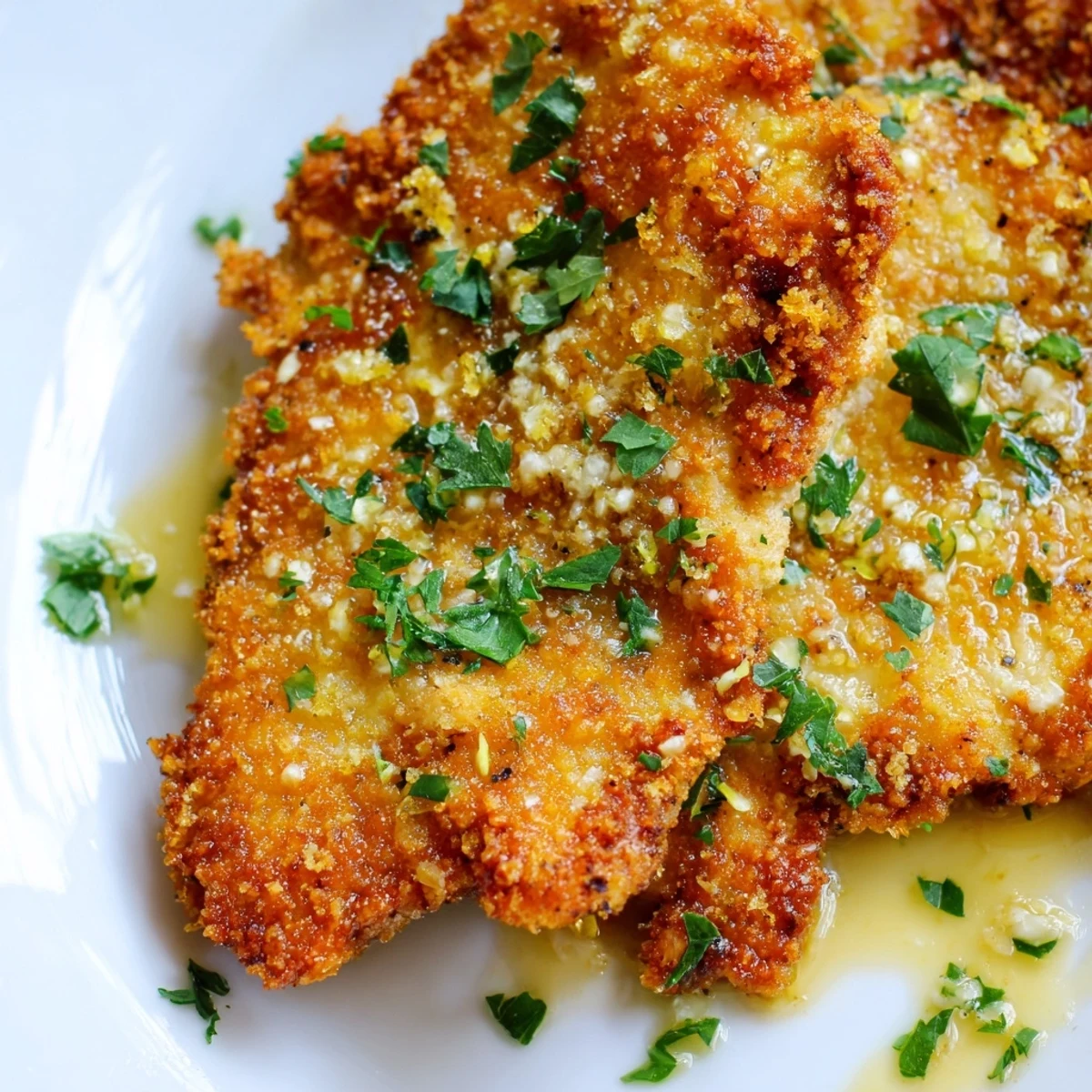
 This is the kind of recipe that makes people close their eyes when they take the first bite, and that is really all the reward you need. Cook it once and it will earn a permanent spot in your rotation.
Recipe Questions & Answers
- → What makes Romano cheese different from Parmesan?
-
Romano cheese has a sharper, saltier flavor than Parmesan with a more pronounced tang. It's made from sheep's milk, giving it a distinct nutty character that stands up beautifully to the bright lemon in this dish.
- → Can I prepare the chicken ahead of time?
-
Yes, you can bread the chicken up to 4 hours ahead. Arrange the coated cutlets on a parchment-lined baking sheet, cover loosely, and refrigerate. Cook them just before serving for the crispiest results.
- → What sides pair well with this dish?
-
Light pasta with olive oil and garlic, a crisp arugula salad with lemon vinaigrette, or roasted vegetables like asparagus and broccolini complement the rich flavors. Mashed potatoes or risotto also work beautifully.
- → How do I know when the chicken is fully cooked?
-
The internal temperature should reach 165°F. The cutlet should feel firm and spring back when touched, and the juices should run clear. Since the chicken is pounded thin, it typically cooks evenly in about 4-5 minutes per side.
- → Can I use chicken thighs instead of breasts?
-
Absolutely. Boneless, skinless thighs work well and stay juicy. Pound them slightly for even thickness, though they may need an extra minute or two per side due to higher fat content.
- → Why pound the chicken before cooking?
-
Pounding creates uniform thickness for even cooking, tenderizes the meat by breaking down fibers, and increases surface area for better breading adhesion. It also helps the chicken cook faster and more evenly.