
 Pin It
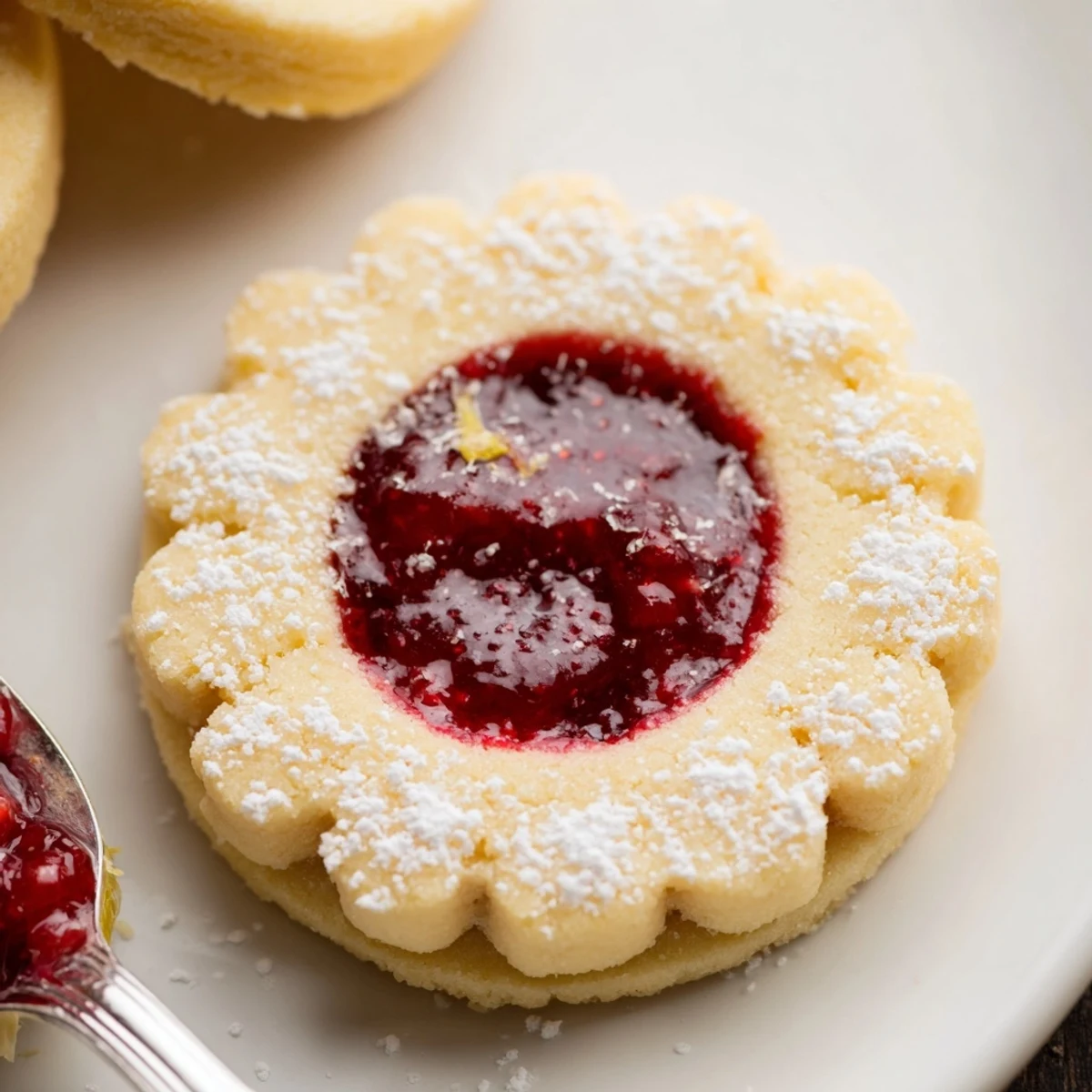
 Cream softened butter with powdered sugar until light, stir in lemon zest and vanilla, then fold in flour and salt to form a tender dough. Chill 30 minutes, roll to 1/4-inch and cut rounds, bake 11–13 minutes at 350°F until edges are just golden. Stir lemon into raspberry jam, sandwich cookies and dust with powdered sugar if desired; makes about 24.
Whenever a hint of sunshine sneaks through gray afternoon clouds, I gravitate toward making these raspberry lemon shortbread cookies. The first time I baked them, the kitchen was lively with clinks of measuring spoons and the fresh perfume of lemon zest in the air. It’s oddly satisfying pressing a finger into the soft dough and seeing it hold its shape—like playdough for grown-ups. These cookies always seem to brighten up both the mood and the table.
I remember a weekday last spring when a friend popped by unannounced, and we ended up assembling these warm cookies together, hands sticky with jam. We laughed about uneven cutouts, but that only made the outcome feel more homemade and inviting.
Ingredients
- Unsalted butter: Choose good-quality butter, since this is the backbone for that classic crumbly texture and rich flavor.
- Powdered sugar: This keeps the cookies tender and smooth—don’t swap granulated, or you’ll lose that melt-in-your-mouth bite.
- Lemon zest: The oils in the zest carry so much flavor, so grate just the bright yellow part and avoid the bitter white pith.
- Vanilla extract: Even though it’s subtle, a splash of vanilla softens the lemon’s edge and rounds out the overall taste.
- All-purpose flour: Sift it before mixing for delicate cookies; skip this and you might get lumps.
- Salt: Just a little sharpens the other flavors without making the cookies taste salty.
- Raspberry jam or preserves: Seedless works best for a jewel-like center, but use what you love or whatever’s in your fridge.
- Fresh lemon juice: Stirred into the jam, it wakes up the flavor and adds more zing.
- Extra powdered sugar (optional): A light dust at the end makes them festive and adds a gentle lift of sweetness.
Instructions
- Cream the butter and sugar:
- Let’s start by beating together softened butter and powdered sugar until the mixture is pale and cloudlike—this takes about 2 minutes and sets the stage for crumbly cookies.
- Add zest and vanilla:
- Toss in the lemon zest and a splash of vanilla; the kitchen instantly smells like lemon fields, and you can see faint yellow flecks blending in.
- Mix in dry ingredients:
- Sift your flour and salt, then fold this into the creamed mixture on low speed until a soft dough just holds together—don’t overmix so the cookies stay tender.
- Chill and shape:
- Divide the dough in half, pat into discs, and wrap; chilling in the fridge for half an hour keeps the shapes sharp and the texture perfect once baked.
- Prepare to bake:
- Preheat your oven to 350°F and line baking sheets with parchment paper to prevent sticking (and for easy cleanup).
- Roll and cut:
- Gently roll out the chilled dough to 1/4 inch, then cut rounds or shapes—half will be the solid bottoms and the rest get smaller centers cut out to create windows for the jewel-like jam.
- Bake:
- Onto the trays they go for about 12 minutes; pull them out just as the edges hint at gold, then let them cool on a wire rack so they crisp up.
- Make the filling:
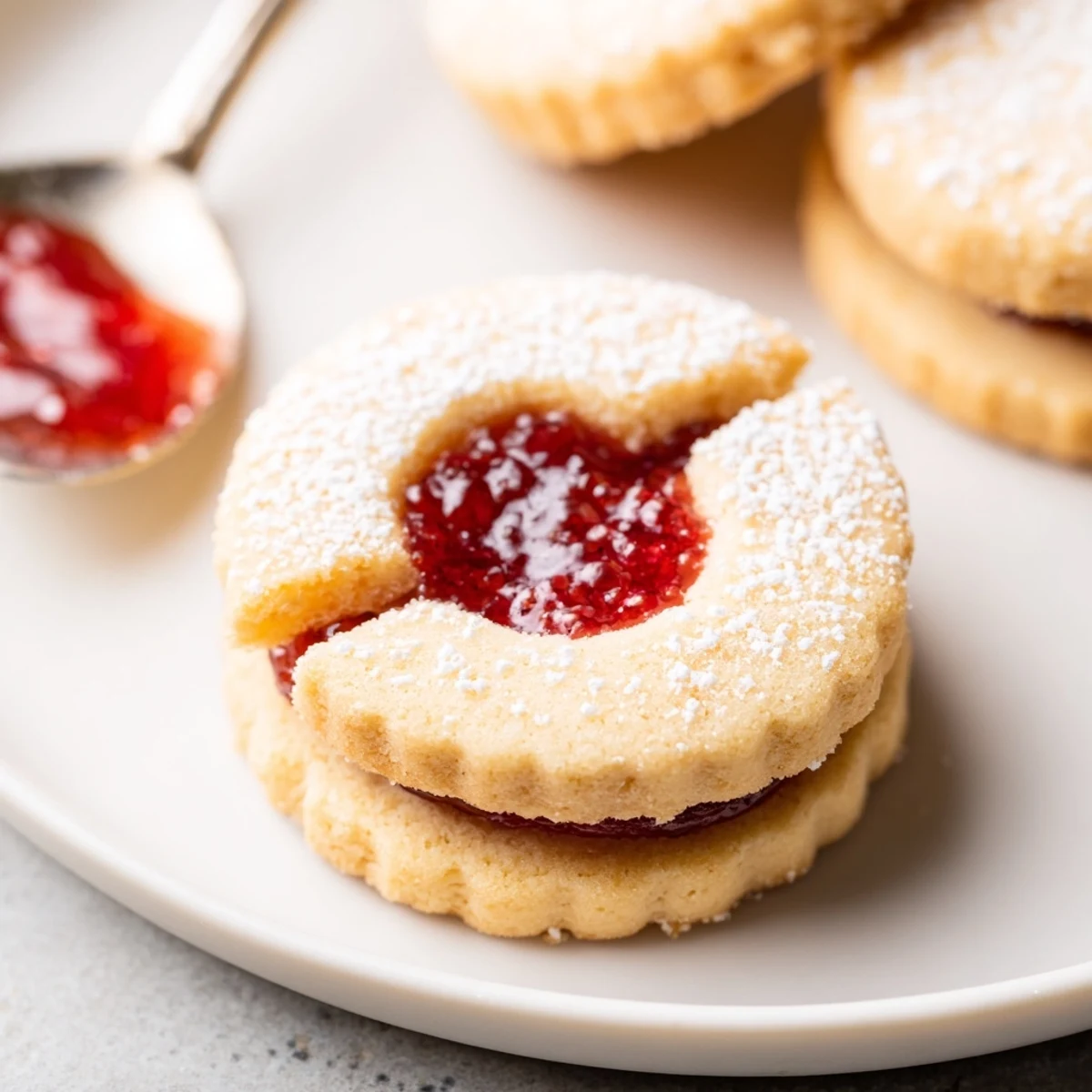
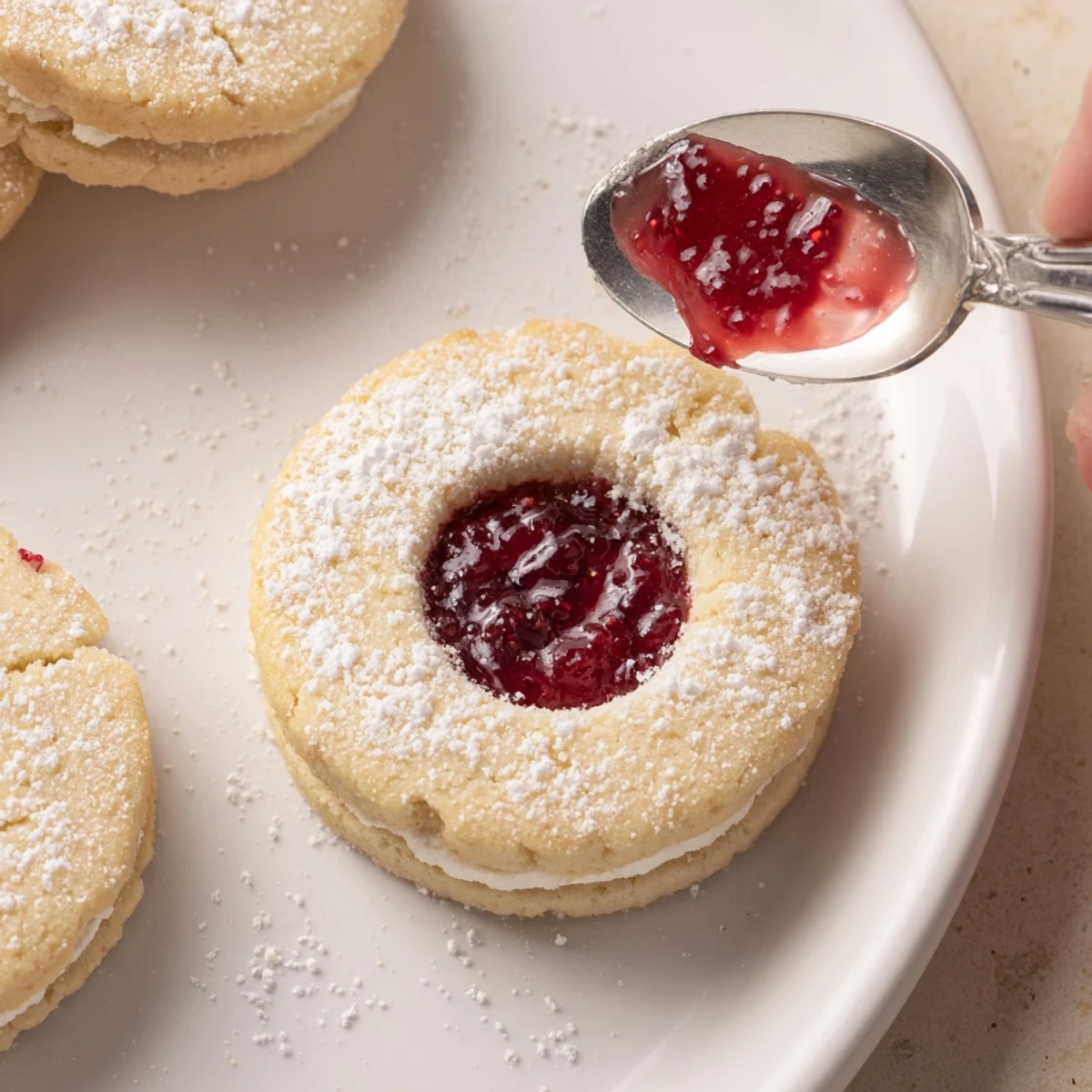
- Stir lemon juice into the raspberry jam to brighten it, then dollop a modest spoonful onto the flat side of each bottom cookie.
- Assemble:
- Press a cutout cookie gently on top, and if you’re feeling fancy, dust everything with a shower of powdered sugar just before serving.
 Pin It
 There was a rain-soaked day when these made their debut for my little cousin’s tea party. Watching her gleefully press the tops onto jammy bottoms while the rain tapped at the glass, the cookies suddenly felt like sunshine we could eat.
Choosing Your Jam and Zest: Personal Favorites
I’ve tried this cookie with apricot preserves and even a swirl of blueberry jam—don’t hesitate to experiment if you’ve run out of raspberry. For a change, orange zest swaps easily for lemon and turns the entire mood of the cookie from sharp and zesty to gentler citrus warmth.
Getting the Texture Just Right
Your hands are the best tool for gauging dough consistency—stop mixing when it’s just coming together and not sticky. The dough should feel soft and pliable, not greasy, and remember: a quick chill works magic for both flavor and form.
How to Store and Serve for Perfect Results
These shortbreads will cheerfully wait for you in an airtight container for up to five days at room temp. I like serving them with tea—Earl Grey for serious lemon fans, or on a picnic blanket with a bottle of sparkling rosé.
- Wait for cookies to cool completely before assembling, so the jam stays in place.
- Dust powdered sugar only right before serving to keep that pretty finish from dissolving.
- A sheet of wax paper between layers keeps them from sticking or breaking.
 Pin It
 True to their cheerful color, these cookies have rescued more than one rainy day in my house. May they bring a little burst of sunshine to your next break, too.
Recipe Questions & Answers
- → What jam works best for the filling?
-
Seedless raspberry preserves give a smooth, bright filling. If using whole-fruit jam, warm and strain to remove seeds or choose a seedless variety for a cleaner bite.
- → How do I keep the shortbread tender and crumbly?
-
Use cold, softened butter (not melted) and avoid overworking the dough. Mix until just combined and chill before rolling to maintain a tender, crumbly texture.
- → Why do my cookies spread too much while baking?
-
Over-softened butter or overly warm dough causes spreading. Chill the shaped cookies briefly before baking and ensure the oven is preheated to 350°F for consistent edges.
- → Can I swap citrus flavors?
-
Yes. Orange or lime zest can replace lemon for a different citrus note; adjust a touch of juice if you want a brighter filling but keep proportions modest to avoid a runny center.
- → How should I store and how long do they keep?
-
Layer cookies in an airtight container with parchment between layers. They keep well at room temperature up to 5 days; refrigerate longer storage or freeze for up to 1 month.
- → Any tips for cutting perfect centers?
-
Use a slightly smaller cutter for the tops and press straight down without twisting. Chill the rolled dough briefly if the cutter drags or the centers deform.