 Pin It
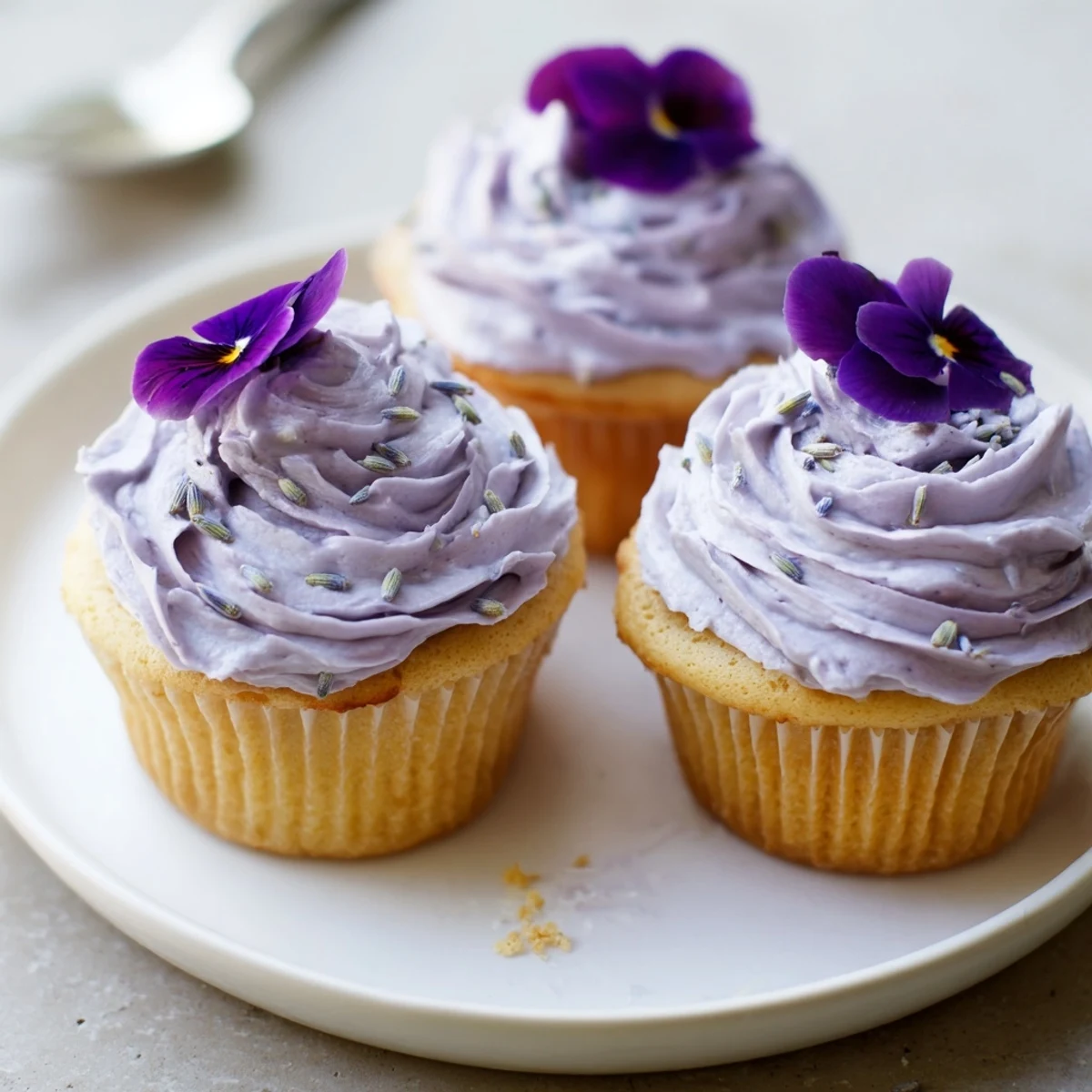
 Steep culinary lavender buds in boiling water, strain and cool. Beat softened unsalted butter until pale and creamy, then gradually add sifted powdered sugar. Fold in the cooled lavender infusion, vanilla and a splash of cream until light and fluffy. Add a tiny drop of purple coloring if desired and pipe onto fully cooled cakes or cupcakes; garnish with edible flowers.
There was a morning when I opened my kitchen window and the scent of fresh lavender drifted in from the garden, sparking an idea for something special. I raided my cupboard for culinary lavender and decided to give a classic buttercream a gentle, aromatic twist. It wasn’t a need for a celebration that drove me, just pure curiosity—and, truthfully, a craving for something that felt like a treat on an ordinary afternoon. What came from that experiment is now my go-to frosting when I want to add a touch of elegance to cakes or cupcakes.
I remember once making this frosting for a friend’s baby shower, the kitchen filled with laughter as we tried piping flowers for the first time. The air was perfumed with vanilla and lavender, and after one too many taste tests, we both agreed it almost didn’t need the cake underneath. Watching everyone’s faces light up with the first bite turned a casual afternoon into something a bit magical. No one believed how simple it was to make, and now they all ask for it by name.
Ingredients
- Unsalted butter: Using softened, high-quality butter makes the base extra silky; I learned the hard way that cold butter leads to lumpy frosting, so don’t skip this step.
- Powdered sugar: Sift it well for cloud-like texture and to avoid mysterious sugar pockets.
- Heavy cream or milk: Just enough gives you that swoon-worthy fluffiness—and cream is my favorite for extra richness.
- Pure vanilla extract: The warm, sweet undertone that anchors the floral notes, so don’t settle for imitation.
- Culinary dried lavender buds: A little goes a long way, and quality matters; I always double-check they’re food grade.
- Boiling water: Infuses the lavender gently without bitterness—let it cool before adding or your butter will melt!
- Purple food coloring (optional): Just a drop creates that soft, dreamy hue but it’s completely a style choice.
- Edible flowers for decoration: Violets and pansies make your cakes look straight out of a fairy tale, but always use pesticide-free blooms.
Instructions
- Steep the lavender:
- Add lavender buds to a tiny bowl and pour over the boiling water; after it cools for ten minutes, strain and set aside the fragrant liquid.
- Cream the butter:
- In a big mixing bowl, use your mixer to beat the softened butter until it’s practically white and looks whipped, about three minutes—the sound changes when it’s ready.
- Add powdered sugar:
- Slowly add the sifted powdered sugar, a cup at a time, beating on low so you get fluff, not a sugar cloud all over the counter.
- Mix in flavors:
- Pour in the lavender infusion, vanilla, and cream; mix on medium-high until the buttercream is billowy and impossibly soft.
- Tint and finish:
- Add food coloring for a pastel look, blend it in completely, then taste and adjust if you like it bolder or subtler.
- Decorate:
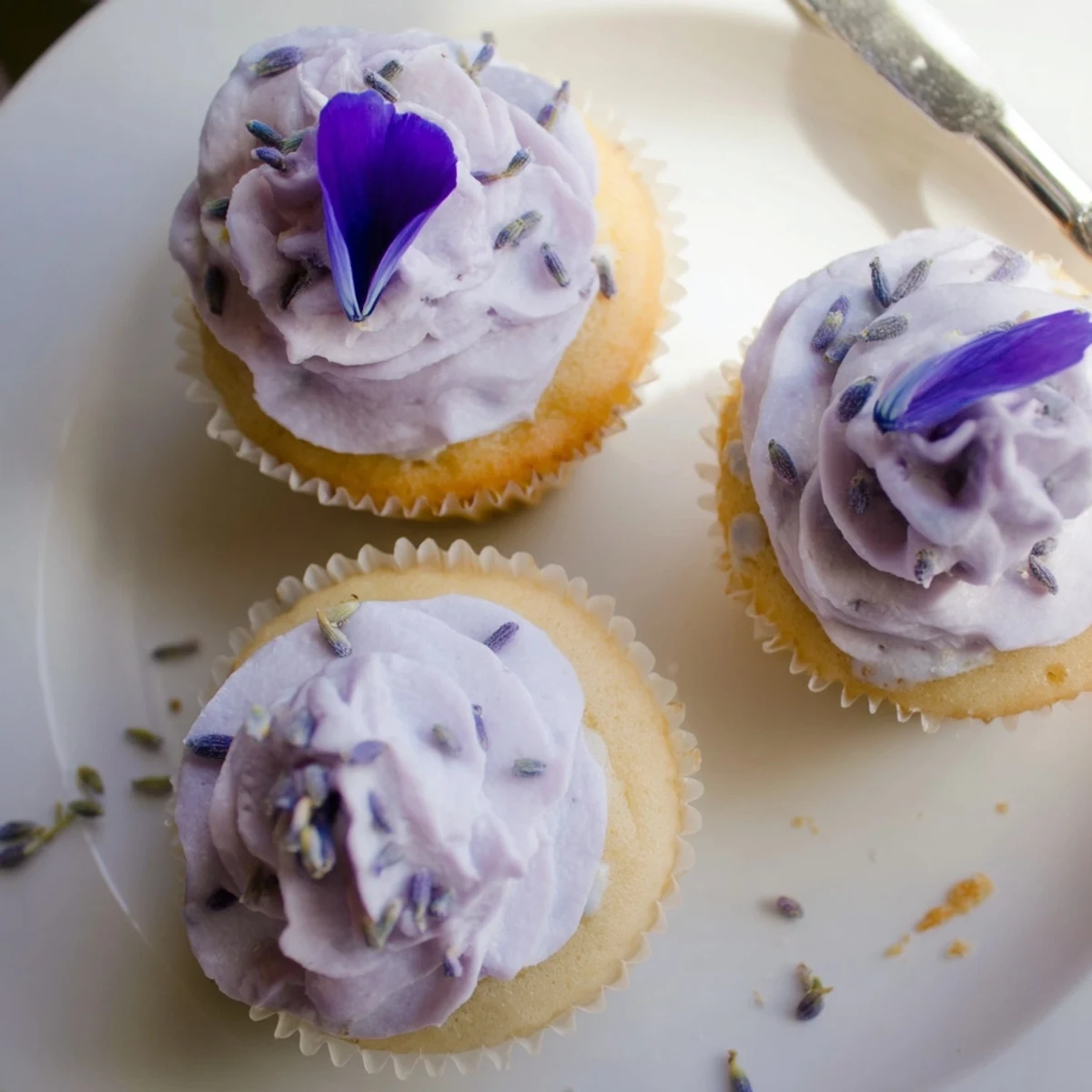
- Spread or pipe onto cakes or cooled cupcakes, and if you’re feeling fancy, finish with edible flowers for a fairy-like finish.
 Pin It
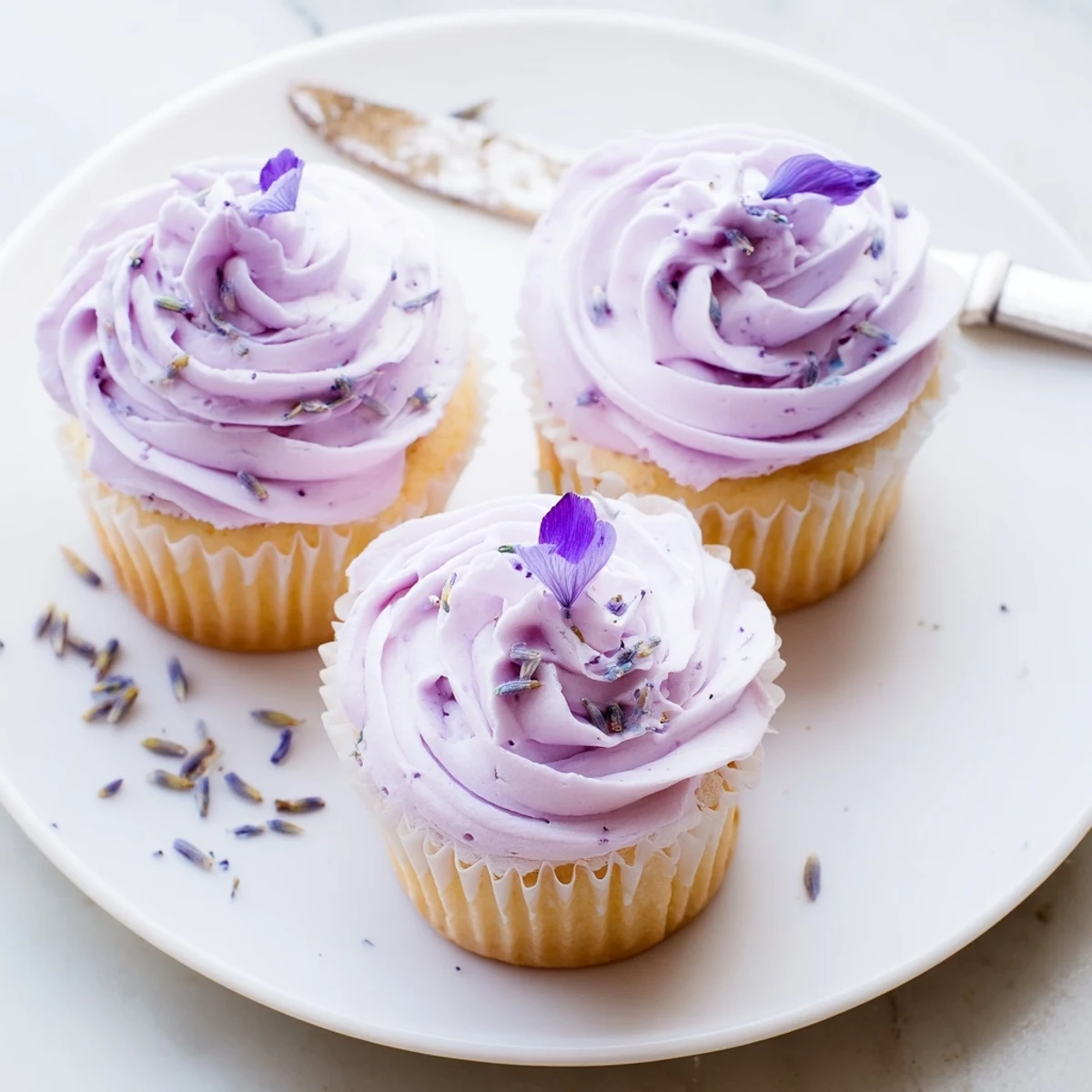
 One early summer night, I topped lemon cupcakes with this lavender buttercream and everyone battled for the last one—even my dad, who usually claims he ‘doesn’t like flowers in food.’ That evening, someone suggested we pull out old board games, and the cupcakes disappeared alongside our laughter until we were left with only a few lonely edible pansies on the platter. It’s funny how a floral frosting started as an experiment, but now signals the start of good company. These moments remind me why I cook: for smiles as sweet as the dessert itself.
Mastering Texture and Consistency
The first time I made this buttercream, I added too much liquid and it slid off the cupcake in defeat. Learning to stop at just enough cream for soft peaks gave me glossy, stable swirls every time. If your kitchen is especially warm, try chilling the bowl for a few minutes between steps. Being patient with each addition is the little trick that changes everything.
Working With Edible Flowers
I can’t resist finishing these treats with a few edible blossoms, but after nearly mistaking pansy leaves for garnish, I double-checked everything was safe to eat. I’d suggest picking up flowers from a reputable supplier rather than the garden center. Rinse gently and pat dry for a photo-worthy finish. A scattering over the top instantly makes any dessert festive with zero extra effort.
When To Serve And Pairings
This buttercream instantly makes simple cakes feel elevated, especially with lemon or vanilla bases—my friends now request it for tea parties and birthdays alike. Try it with scones for brunch, or as a surprise topping for sugar cookies if you’re feeling adventurous. The lavender hint is never too much, but pairs best with light, citrusy flavors.
- Remember to let cakes cool fully before frosting so nothing slides off.
- If coloring, add in small increments to avoid going overboard.
- Keep leftovers in the fridge, but always bring to room temperature and whip again for best results.
 Pin It
 Lavender buttercream is a simple luxury that never fails to make a dessert feel special. Here’s hoping it brings joy and elegance to your next celebration—big or small.
Recipe Questions & Answers
- → How long should lavender be steeped?
-
Steep dried culinary lavender in boiling water for about 10 minutes to extract a floral but balanced aroma; steeping much longer can yield a bitter or soapy note.
- → Can I use fresh lavender instead of dried?
-
Fresh lavender can be used, but it’s milder. Gently bruise buds and steep slightly longer, then strain well to avoid green bits and bitterness.
- → How do I prevent a soapy flavor?
-
Use culinary-grade lavender and avoid over-steeping. Start with a small amount, taste the cooled infusion before adding, and increase gradually if needed.
- → How far ahead can I make the buttercream?
-
Store unused buttercream in an airtight container in the refrigerator for up to 1 week. Bring to room temperature and re-whip before using to restore texture.
- → What cakes pair best with lavender buttercream?
-
Lemon, vanilla, almond, or light honey cakes complement the floral notes well; the buttercream also brightens simple sponge cakes or cupcakes.
- → How do I get a soft lavender color?
-
Add a single tiny drop of purple gel or paste coloring and mix until evenly distributed; gel concentrates give color without thinning the buttercream.