
 Pin It
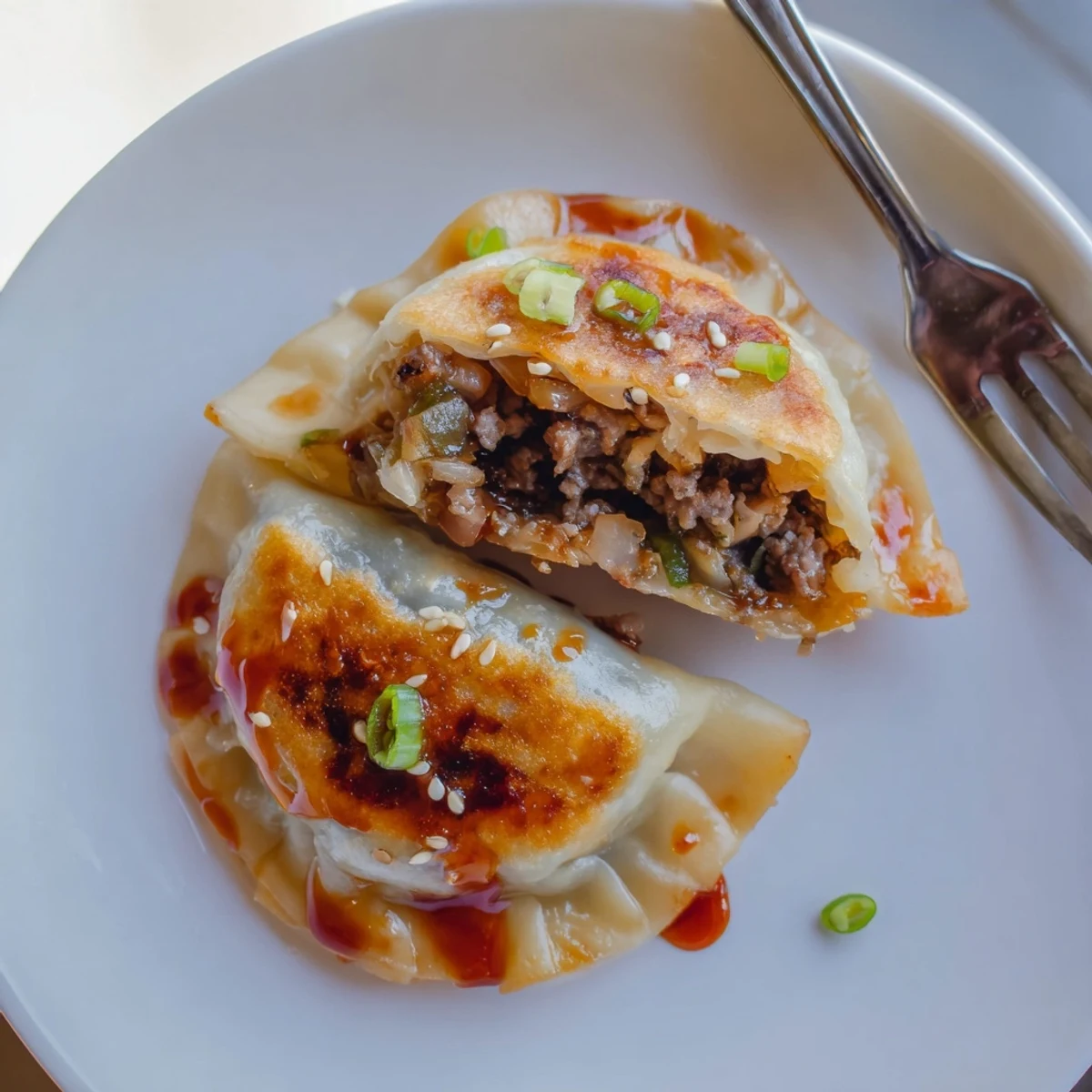
 Combine ground beef with finely chopped napa cabbage, onion, scallion, garlic, ginger, soy and sesame oil, then spoon into dumpling wrappers and seal. Pan-fry in oil until bottoms brown, add water and cover to steam, then uncover to crisp. Simmer gochujang with honey, soy and rice vinegar into a glossy glaze, brush over hot mandu and sprinkle sesame before serving.
The sizzle of mandu hitting a hot skillet is one of those sounds that instantly pulls everyone into the kitchen, hovering over your shoulder before you even have a chance to plate. My friend Jina taught me her family folding technique one rainy Sunday, laughing at my clumsy first attempts while her grandmother nodded approvingly from the couch. That afternoon hooked me on making them from scratch, and this sweet gochujang glaze version is the one that never leaves my rotation.
I brought a platter of these to a potluck last winter and stood there watching person after person abandon their forks, eating them with their fingers and licking the glossy glaze right off. Someone asked if I ordered them from a restaurant, which remains one of the proudest moments of my amateur cooking life.
Ingredients
- 300 g ground beef: Fat is your friend here so choose something around 80 lean for a juicier filling.
- 1 cup napa cabbage, finely chopped: Salt it lightly and squeeze out excess moisture so your mandu do not turn soggy inside.
- 1/2 cup onion, finely chopped: Mince it as small as you can because chunky onion bits break through delicate wrappers.
- 2 green onions, thinly sliced: Add these last to preserve their fresh bite and color.
- 2 garlic cloves, minced: Fresh garlic only, the jarred version cannot compete in this filling.
- 1 tbsp ginger, grated: Use a microplane for a fine paste that distributes evenly through the meat.
- 1 tbsp soy sauce: This seasons the filling deeply so do not skip it.
- 1 tbsp toasted sesame oil: A little goes a long way and it gives the filling that unmistakable Korean aroma.
- 1 tbsp mirin: Optional but it adds a subtle sweetness and helps the flavors marry together.
- 1 tsp sugar: Balances the saltiness and rounds out the savory notes.
- 1/4 tsp ground black pepper: Just enough to warm the filling without overpowering it.
- 1 egg: Acts as the binder that holds everything together inside the wrapper.
- 30 round dumpling wrappers: Keep them covered with a damp towel while working so they stay pliable.
- Small bowl of water: You need this for sealing the edges and it is easy to forget so set it out first.
- 2 tbsp gochujang: The heart of the glaze and your source of gentle heat and deep fermented flavor.
- 2 tbsp honey: Creates that gorgeous sticky sheen and tempers the chili paste beautifully.
- 1.5 tbsp soy sauce: Adds salt and umami to the glaze without making it overly salty.
- 1 tbsp rice vinegar: A bright acidic note that keeps the glaze from feeling too heavy.
- 1 tbsp sesame oil: In the glaze it adds a nutty richness that ties everything back to the filling.
- 1 tsp garlic, minced: A second hit of garlic in the glaze is intentional and absolutely correct.
- 1 tsp toasted sesame seeds: For garnish and a subtle crunch on top.
- 2 to 3 tbsp vegetable oil: Use a neutral oil for pan frying so it does not compete with the glaze.
- 1/4 cup water: This is what creates the steam during cooking for perfectly tender wrappers.
Instructions
- Mix the filling:
- Combine the beef, cabbage, onion, green onions, garlic, ginger, soy sauce, sesame oil, mirin, sugar, pepper, and egg in a large bowl. Mix with your hands until everything is evenly distributed but stop before the meat becomes pasty.
- Fold the mandu:
- Place a wrapper in your palm and spoon a rounded teaspoon of filling into the center. Dip your finger in water, moisten the wrapper edge, fold it into a half moon, and pinch firmly to seal.
- Make the glaze:
- Stir the gochujang, honey, soy sauce, rice vinegar, sesame oil, and garlic together in a small saucepan over low heat. Simmer for 2 to 3 minutes until it thickens slightly and coats the back of a spoon, then set aside.
- Pan fry and steam:
- Heat vegetable oil in a large nonstick skillet over medium high heat and arrange the mandu in a single flat layer. Cook until the bottoms turn deeply golden, pour in the water, cover immediately, and let them steam until the wrappers look translucent.
- Crisp and glaze:
- Uncover the skillet and let any remaining water cook off so the bottoms regain their crunch. Transfer to a plate, brush or drizzle generously with the warm glaze, and scatter sesame seeds on top.
 Pin It
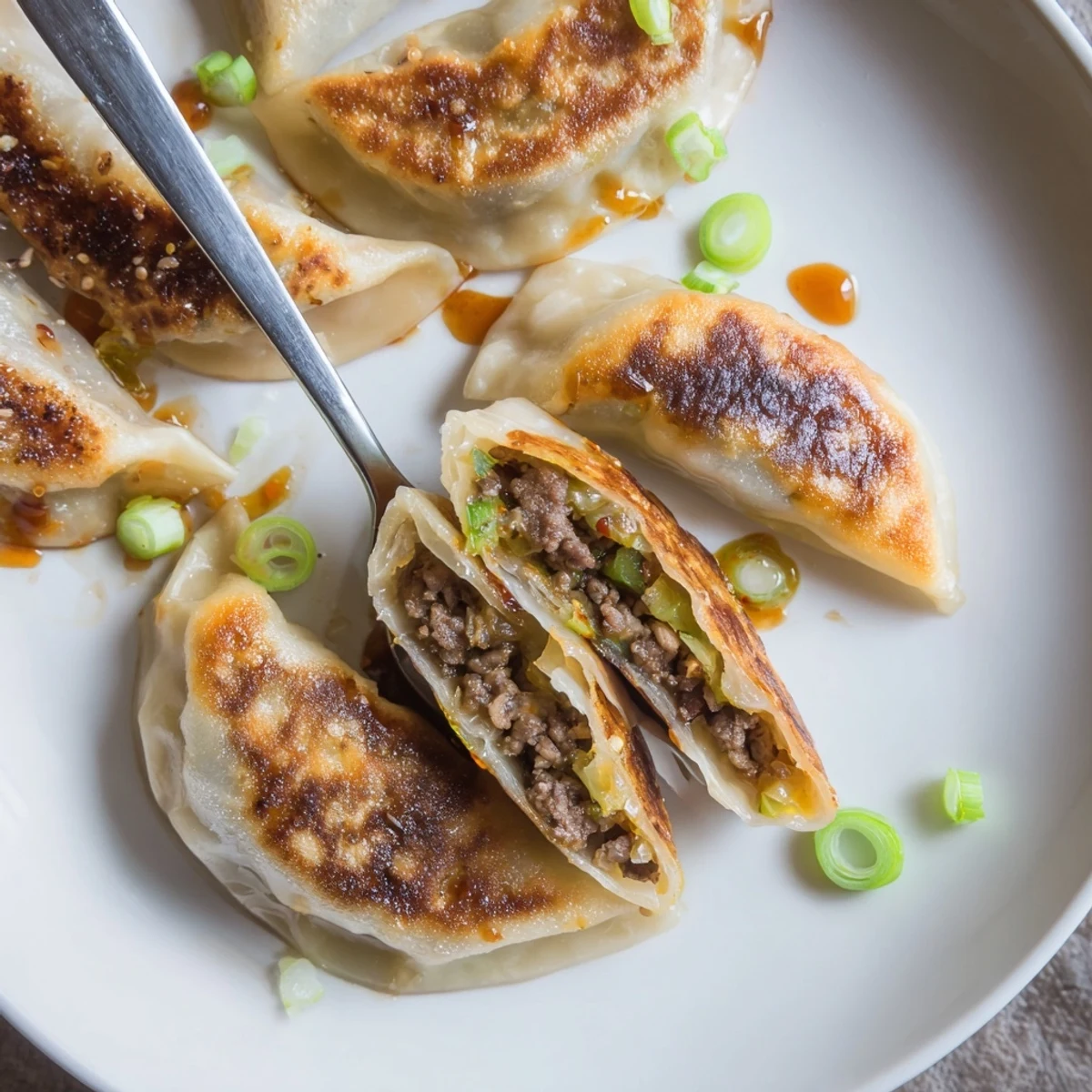
 There is something quietly magical about a plate of dumplings that you folded by hand, each one slightly different from the last, each one holding a tiny sealed portion of effort and care.
Serving Ideas That Work
These mandu love crunchy acidic companions. A simple side of pickled radish or quick kimchi cuts through the sweetness of the glaze and refreshes your palate between bites. I have also served them over a bowl of plain steamed rice and the combination is deeply satisfying without any extra work.
Freezing For Later
Raw mandu freeze beautifully on a parchment lined tray until solid, then transfer to a freezer bag and they keep for up to three months. Cook them straight from frozen with the same pan fry and steam method, just add an extra minute or two to the steaming step. This is how I always have a batch ready for nights when cooking feels impossible.
Swaps and Adjustments
You can absolutely make these vegetarian by swapping the beef for crumbled firm tofu and adding minced mushrooms or grated carrot for extra depth. The glaze works on practically anything so even if you change the filling entirely, keep the sauce.
- Check your gochujang label if you are cooking for someone gluten sensitive because many brands contain wheat or barley.
- A folding crimper tool speeds things up considerably if you are making a double batch.
- Let the glaze cool slightly before drizzling so it clings rather than running straight off the dumplings.
 Pin It
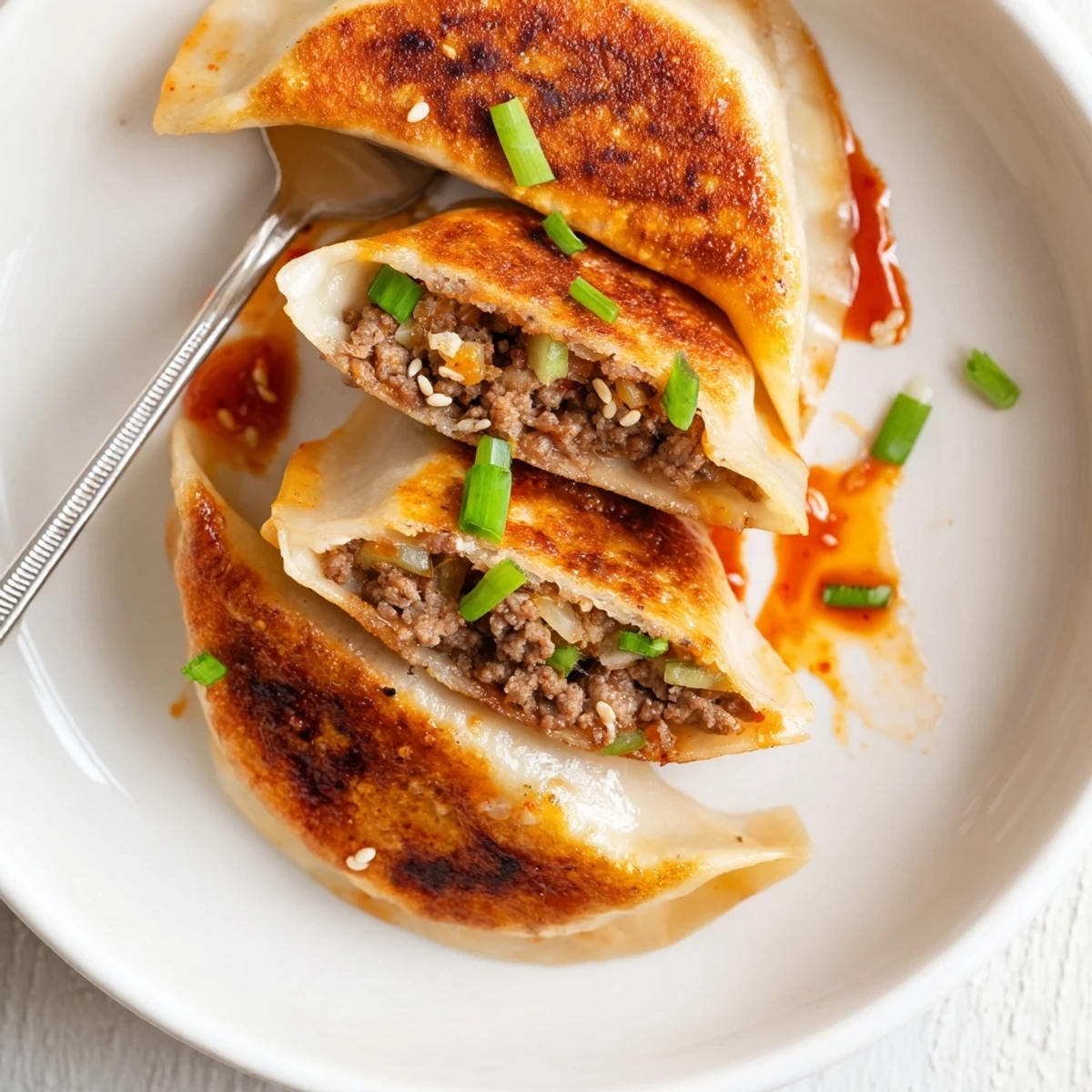
 However many you think you need, make more, because these vanish fast and you will wish you had extras tucked away in the freezer for tomorrow.
Recipe Questions & Answers
- → Can I freeze mandu before cooking?
-
Yes. Freeze assembled mandu in a single layer on a tray until firm, then transfer to a bag. Cook from frozen—add a minute or two to the steaming stage to ensure they're heated through.
- → How do I keep wrappers from tearing?
-
Work with slightly damp hands and keep unused wrappers covered with a damp towel. Moistening the edges with water and avoiding overfilling helps prevent tearing while sealing.
- → What's the best pan-fry technique for crisp bottoms and tender tops?
-
Heat oil over medium-high, brown the bottoms 2–3 minutes, add 1/4 cup water, cover to steam for 3–4 minutes, then uncover and cook until the water evaporates and the bottoms crisp again.
- → How can I adjust the glaze heat?
-
Reduce gochujang for milder heat or add an extra teaspoon of honey for sweetness. Balancing with rice vinegar and soy keeps the glaze glossy and layered in flavor.
- → Can I make a vegetarian version?
-
Yes. Substitute firm tofu and add finely chopped mushrooms, carrots or extra cabbage. Press tofu to remove moisture and season well to mimic the savory depth of beef.
- → Any tips for serving and garnishes?
-
Brush mandu with warm glaze just before serving to retain crispness, and finish with toasted sesame seeds and sliced scallions. Serve alongside pickled radish or kimchi for contrast.