
 Pin It
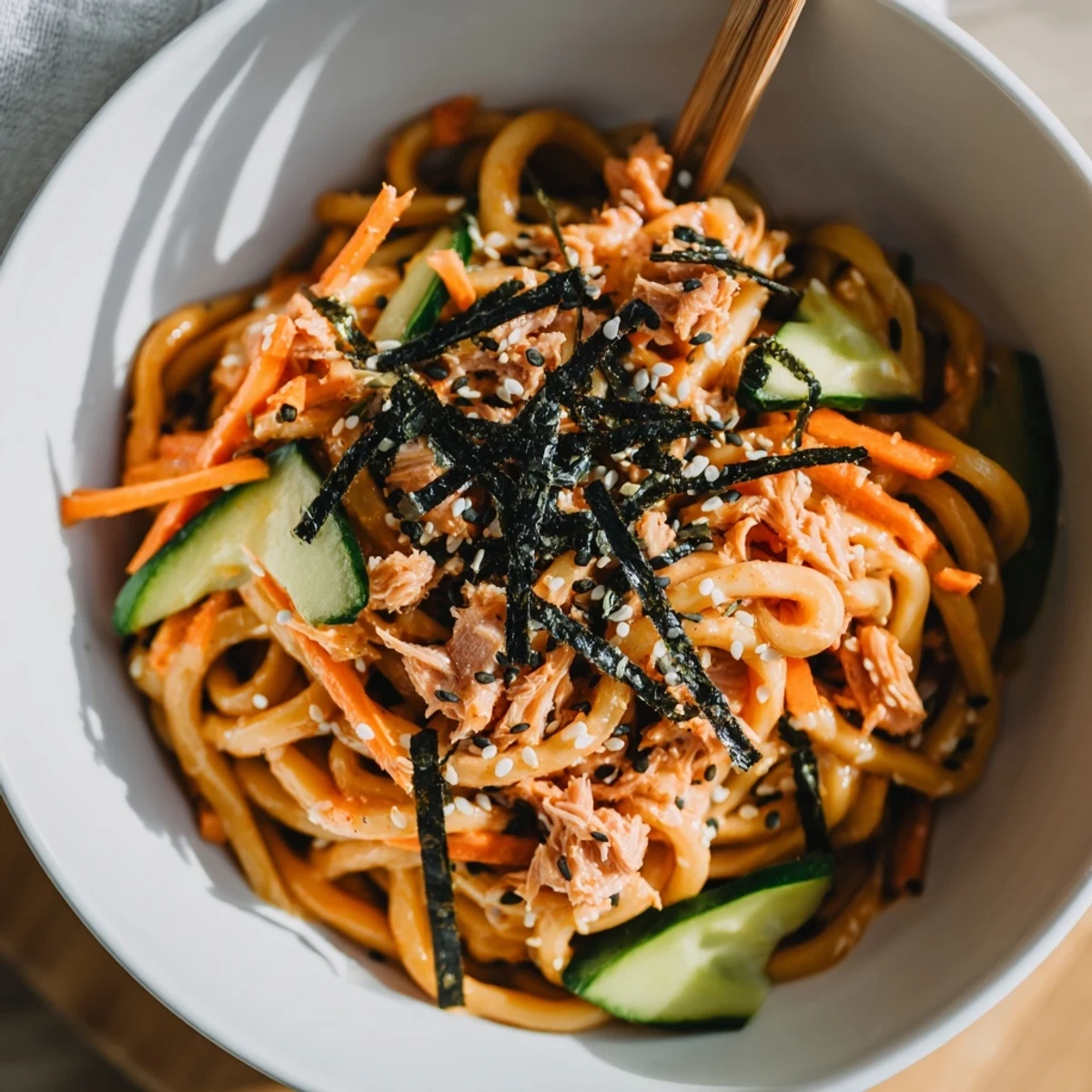
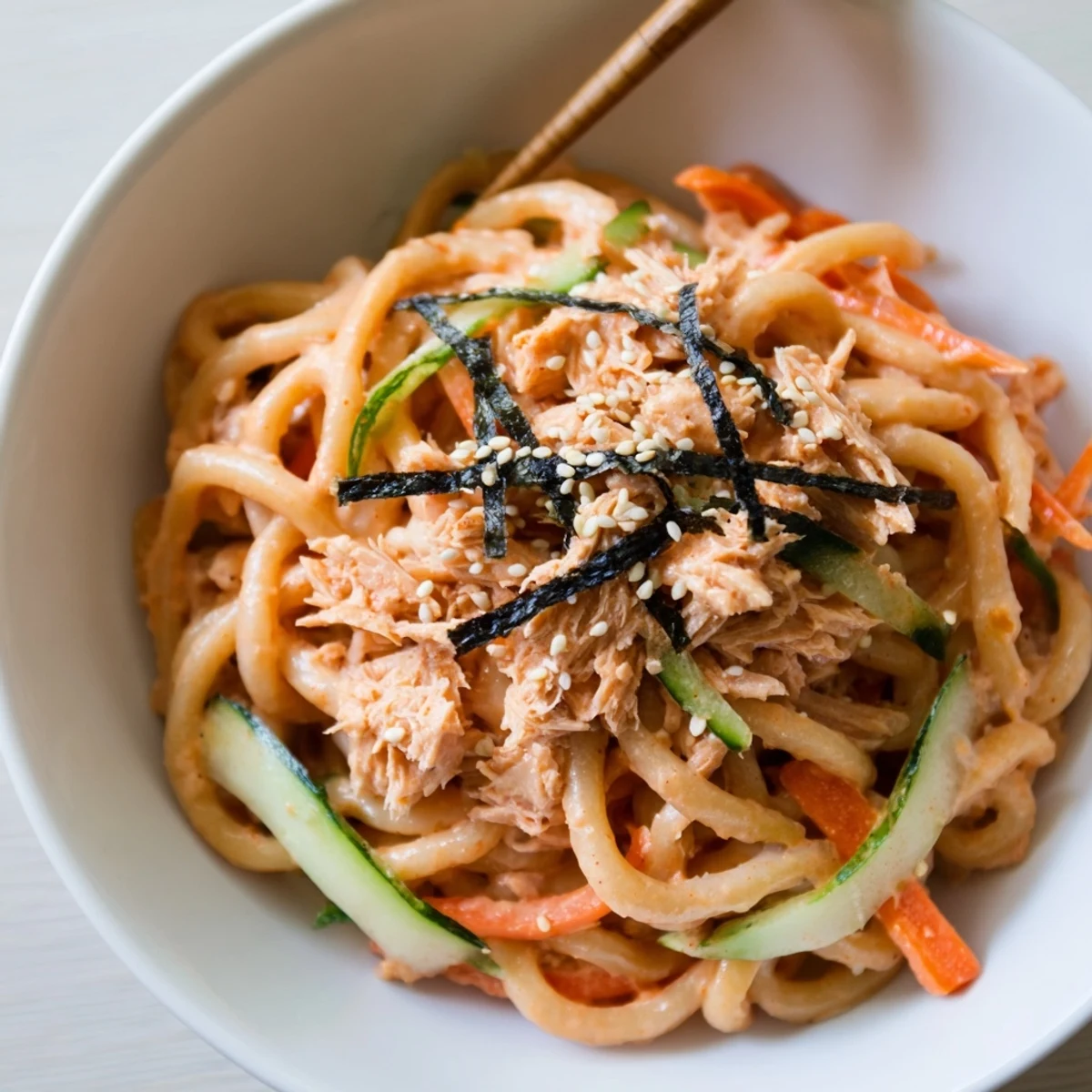
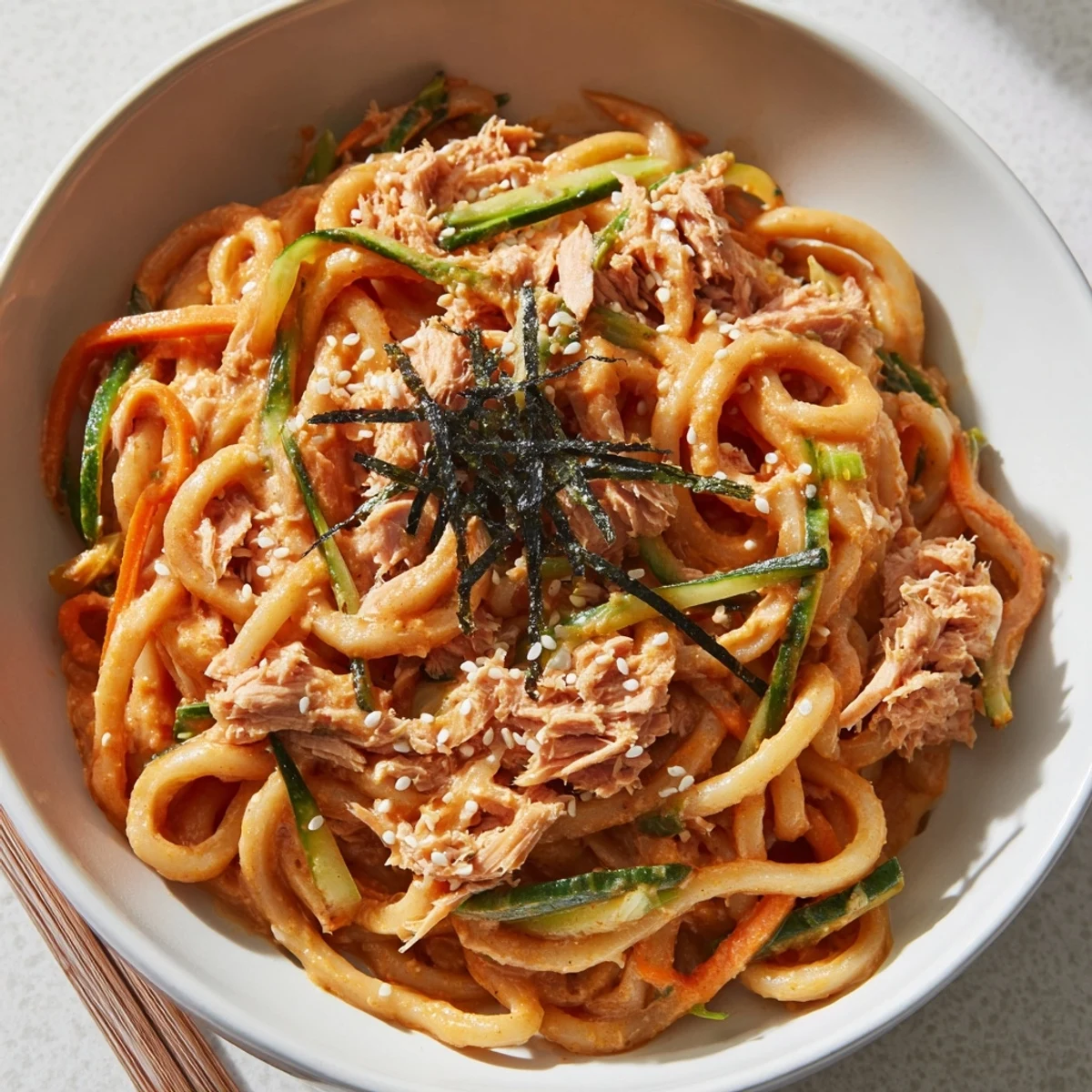
 Quick Japanese-inspired noodle dish featuring thick udon noodles tossed in a creamy spicy tuna sauce. The combination of mayonnaise, Sriracha, and soy sauce creates a rich, tangy coating that clings perfectly to each strand. Fresh julienned carrots and cucumbers add crunch, while toasted sesame seeds and nori bring authentic umami depth. Ready in just 25 minutes with minimal cooking required.
The exhaust fan in my tiny apartment kitchen was broken the evening I threw together my first batch of spicy tuna udon, and the smell of sesame oil lingered in the hallway for two days. My neighbor actually knocked on my door to ask what I was cooking, and we ended up sharing the second bowl standing over the counter. That broken fan turned out to be the best accident, because it forced me out of my shell and into an unexpected friendship built on noodles.
I started making this for my neighbor every Friday after that first evening, and we developed a silent agreement that she would bring the drinks and I would handle the noodles. Some weeks I tossed in extra cucumber, other weeks I doubled the Sriracha, and she never once complained about the variations. The dish became our little ritual, proof that good food does not need a formal table to feel special.
Ingredients
- Udon noodles: Fresh or frozen work beautifully, and their chewy texture is what makes this dish feel like a real meal rather than a quick snack.
- Canned tuna: Drain it well, because excess water will thin out your sauce and dilute the flavor you worked to build.
- Carrot and cucumber: Julienned carrot adds crunch and sweetness, while cucumber brings a cool contrast to the heat.
- Spring onions: Slice them thin so they distribute evenly and you get a little sharpness in every bite.
- Pickled ginger: Optional, but it adds a tangy brightness that cuts through the richness of the mayonnaise.
- Japanese Kewpie mayonnaise: Richer and more tangy than regular mayo, it creates a silkier sauce that coats the noodles perfectly.
- Sriracha: Start with one tablespoon and taste before adding more, because the heat builds as the sauce sits.
- Soy sauce: Use a good quality one since it provides the salty backbone of the entire dish.
- Sesame oil: Just a teaspoon is enough to give everything that toasty, nutty aroma that makes people lean in closer.
- Rice vinegar: A small splash brightens the sauce and keeps it from feeling too heavy.
- Sugar: Half a teaspoon balances the acid and heat without making anything taste sweet.
- Toastedsesame seeds: Sprinkle these on last minute so they stay crunchy.
- Nori: Torn pieces add a hit of oceanic flavor that ties the whole Japanese inspired bowl together.
- Fresh chili slices: Totally optional, but if you want a dramatic presentation with extra warmth, go for it.
Instructions
- Cook the noodles:
- Boil the udon according to the package directions, then drain and rinse under cold water immediately so they stop cooking and stay bouncy rather than turning mushy.
- Build the spicy tuna sauce:
- In a mixing bowl, combine the drained tuna, mayonnaise, Sriracha, soy sauce, sesame oil, rice vinegar, and sugar, stirring until everything merges into a thick, spicy, orange hued sauce.
- Add the vegetables:
- Fold in the julienned carrot, sliced cucumber, spring onions, and pickled ginger, tossing gently so the vegetables get lightly coated without bruising.
- Toss in the noodles:
- Add the cooled udon to the bowl and toss thoroughly, lifting the noodles with tongs so every strand gets wrapped in that creamy, spicy sauce.
- Plate and garnish:
- Divide between two bowls, then scatter toastedsesame seeds, torn nori pieces, and fresh chili slices over the top so each bowl looks as good as it tastes.
- Serve:
- Enjoy immediately, either chilled or at room temperature, because this dish is best the moment it is assembled.
 Pin It
 There is something quietly satisfying about a bowl of noodles that does not ask you to stand over a stove for an hour or source obscure ingredients from three different stores. This dish became my proof that weeknight dinners can still feel intentional and a little exciting, even when they come from a can and a packet of dried noodles.
Making It Your Own
Once you have the base sauce figured out, the rest of the bowl is entirely flexible. I have thrown in shredded cabbage, edamame, and even leftover roasted sweet potato on nights when the fridge needed clearing out. The spicy tuna mixture is forgiving enough to handle almost any crunchy or soft addition you want to throw at it.
Keeping Things Light
If you want a lighter version, swap the mayonnaise for plain Greek yogurt and you will still get a creamy sauce with a pleasant tang. The texture shifts slightly toward the fresh side, which actually works beautifully in warmer months when heavy food feels like too much. I made this switch all last summer and never looked back.
Serving and Pairing Thoughts
A soft boiled egg perched on top of each bowl turns this from a solid dinner into something that feels worth photographing before you dig in. The runny yolk mixes into the spicy sauce and creates an even richer coating that clings to the noodles. A cold glass of dry sake or a crisp white wine alongside makes the whole evening feel a bit more considered.
- Cut the egg in half right before serving so the yolk flows over the noodles dramatically.
- If you are meal prepping, keep the sauce and noodles separate until you are ready to eat.
- Always taste the sauce before tossing in the noodles and adjust the Sriracha to your personal comfort level.
 Pin It
 Keep this recipe in your back pocket for the nights when cooking feels like a chore but delivery is not going to scratch the itch. It is fast, bold, and forgiving, which is really all any weeknight dish needs to be.
Recipe Questions & Answers
- → Can I use fresh tuna instead of canned?
-
Yes, simply cook fresh tuna steaks and flake them into bite-sized pieces before mixing with the spicy sauce. Grilled or seared tuna adds wonderful depth.
- → How do I adjust the spice level?
-
Start with less Sriracha and gradually increase to taste. For milder heat, substitute with chili garlic sauce. Add chili oil or fresh chili slices for extra intensity.
- → Can I make this dish ahead of time?
-
The flavors develop beautifully when refrigerated for a few hours. However, add the nori and sesame seeds just before serving to maintain their texture and crunch.
- → What can I substitute for udon noodles?
-
Somen, ramen, or even spaghetti work well. Thicker noodles best capture the spicy sauce, but adjust cooking times according to package instructions.
- → Is this served hot or cold?
-
This versatile dish works both ways. Serve chilled for refreshing summer meals or at room temperature. The flavors remain vibrant and satisfying either way.