
 Pin It
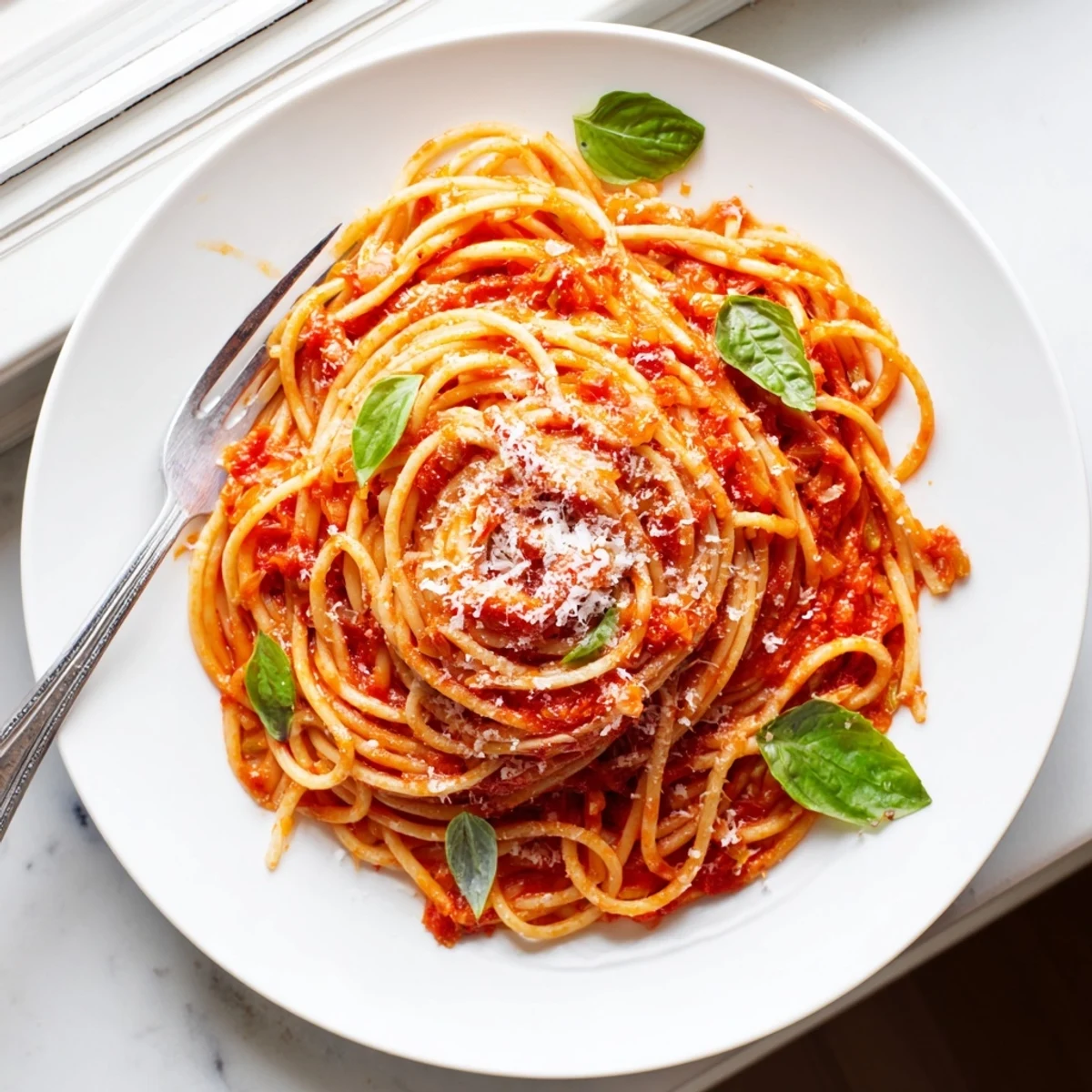
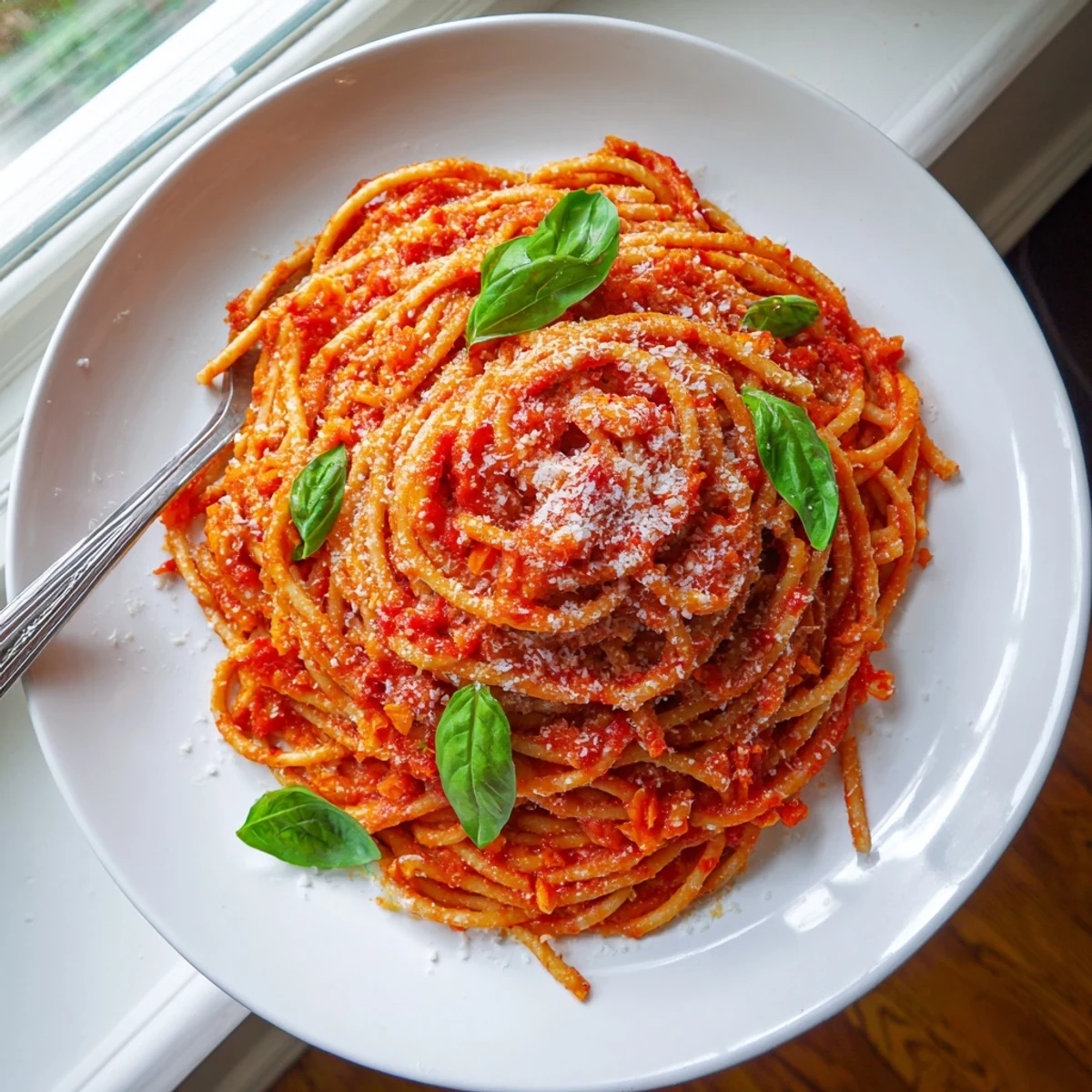
 This beloved Italian staple combines perfectly cooked pasta with a vibrant tomato sauce. The sauce balances sweet crushed tomatoes with savory aromatics like garlic and onion, while dried oregano and basil add traditional Mediterranean flavors. A finishing sprinkle of Parmesan adds umami depth.
The entire dish comes together in just 30 minutes, making it ideal for busy weeknights. The technique of reserving pasta water ensures silky sauce consistency, while fresh basil garnish brightens each serving.
The smell of garlic hitting olive oil on a Tuesday evening is enough to make anyone forget that cooking was supposed to feel like a chore. My tiny kitchen would fill with this warm, savory cloud, and suddenly dinner was no longer something I had to do but something I genuinely wanted to be doing. This simple tomato pasta saved me more weeknights than I care to count, and it never once asked for my gratitude.
One rainy autumn evening my neighbor knocked on my door to return a borrowed book right as the tomato sauce was simmering, and she stood in the hallway for ten minutes just talking and inhaling deeply. I ended up setting an extra place at the table and she stayed for dinner, laughing that she had only come to return a novel. That spontaneous evening turned into a standing Wednesday dinner tradition that lasted over a year.
Ingredients
- Dried pasta (400 g): Spaghetti is the classic choice here but penne catches the sauce beautifully in its ridges, so use whatever shape makes you happy.
- Olive oil (2 tbsp): A decent extra virgin olive oil makes a real difference since you are building the entire flavor base on it.
- Garlic (2 cloves, minced): Fresh garlic only, and mince it finer than you think you need so it melts into the sauce rather than sitting in harsh chunks.
- Onion (1 medium, finely chopped): A yellow onion gives the sweetest foundation, and patience while sauteing it is the one thing that separates a good sauce from a great one.
- Canned crushed tomatoes (800 g): San Marzano tomatoes are worth the slight extra cost because their natural sweetness and low acidity mean less fixing later.
- Sugar (1 tsp): This tiny addition tames whatever bitterness remains in the tomatoes and is a trick my grandmother swore by.
- Dried oregano (1 tsp): Rub it between your palms directly into the pot to wake up the essential oils before it hits the heat.
- Dried basil (1 tsp): Dried basil works well here but if you have fresh basil available, tear it in at the very end instead for a brighter hit.
- Salt and black pepper: Season in layers, a little with the onions, a little with the tomatoes, and a final check before serving.
- Freshly grated Parmesan (30 g, optional): Grate it yourself from a block rather than buying pre grated because the flavor is incomparably better.
- Fresh basil leaves for garnish: Torn just before serving so they release their fragrance right onto the plate.
Instructions
- Get the water going:
- Fill your largest pot with water, salt it generously until it tastes like the sea, and bring it to a rolling boil before adding the pasta. Cook according to the package directions until just tender with a slight bite remaining, then drain but save half a cup of that starchy pasta water.
- Build the flavor base:
- While the pasta works, warm the olive oil in a large skillet over medium heat and add the chopped onion, stirring gently until it turns translucent and soft around the edges. Add the minced garlic and cook for just one minute more, long enough to smell that incredible aroma but not so long that anything browns.
- Simmer the sauce:
- Pour in the crushed tomatoes, sugar, oregano, and dried basil, then season with salt and pepper to your liking. Let everything bubble uncovered for 10 to 12 minutes, stirring now and then, until the sauce thickens and deepens in color.
- Bring it all together:
- Toss the drained pasta directly into the sauce, adding a small splash of that reserved pasta water if things feel too thick. Stir gently until every strand or piece is coated and glossy.
- Finish and serve:
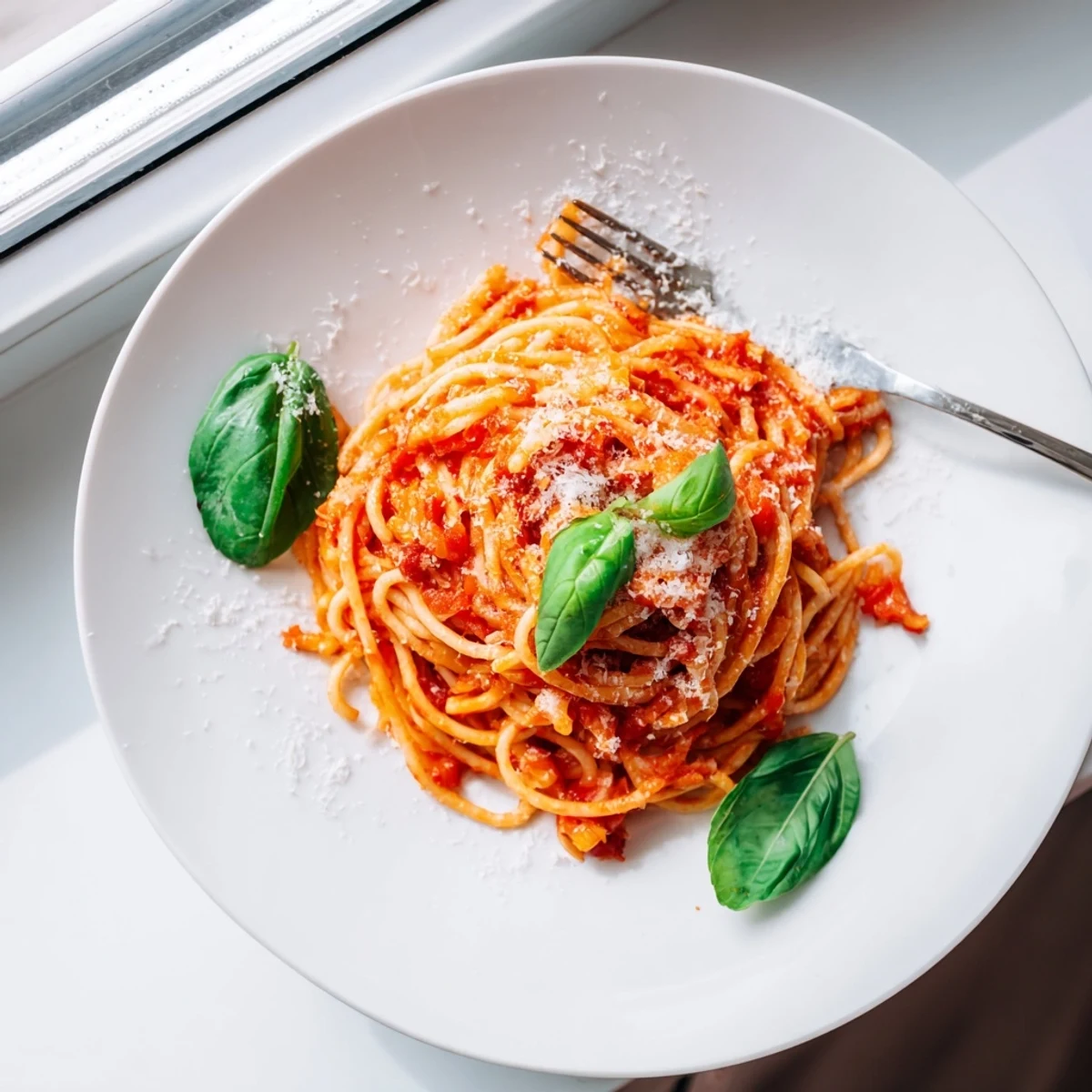
- Divide among warm bowls, shower with freshly grated Parmesan, and scatter torn basil leaves over the top while everything is still steaming hot.
 Pin It
 Somewhere between the second and third time I made this for my neighbor, I stopped thinking of it as a recipe and started thinking of it as a reason to open the door and invite someone in.
What to Serve Alongside
A crisp green salad with nothing more than lemon juice, olive oil, and flaky salt provides the fresh crunch this dish needs to feel complete. A glass of Chianti or any medium bodied red wine beside the plate turns a random weeknight into something quietly special.
Making It Your Own
A pinch of chili flakes stirred into the sauce adds a gentle warmth that sneaks up on you without overpowering the tomatoes. For a vegan version, simply leave out the Parmesan or swap in a good plant based alternative, because the sauce itself is already rich enough to stand on its own.
Tools and Timing
You really only need a large pot, a sturdy skillet, a strainer, and a wooden spoon, which is part of why this dish became my reliable fallback. Keep your workspace minimal and your attention on the skillet, because the window between perfectly softened garlic and garlic that has gone too far is surprisingly narrow.
- Start the sauce the moment your pasta goes into the water and both will be ready at almost exactly the same time.
- A warm serving bowl keeps the pasta at the right temperature while people find their seats.
- Taste the sauce one last time before serving because a final pinch of salt can transform the whole dish.
 Pin It
 This is the kind of recipe that stays with you long after the dishes are done, simple enough for any night and good enough to share with anyone who happens to be at your table.
Recipe Questions & Answers
- → What pasta shapes work best?
-
Spaghetti and penne are classic choices that hold sauce beautifully. However, fusilli, rigatoni, or farfalle also work well. Choose shapes with textures or ridges that capture the tomato sauce.
- → How do I prevent the sauce from being too acidic?
-
The sugar in this recipe helps balance the tomatoes' natural acidity. You can also simmer the sauce longer to develop sweetness naturally, or add a grated carrot while cooking for natural sweetness.
- → Can I make this ahead of time?
-
The tomato sauce actually improves after sitting and can be made up to 3 days ahead. Store it refrigerated in an airtight container. Reheat gently before tossing with freshly cooked pasta.
- → What can I substitute for fresh Parmesan?
-
Pecorino Romano offers a similar salty kick. For a dairy-free version, try nutritional yeast or skip the cheese entirely—the sauce is flavorful enough on its own.
- → Why save the pasta water?
-
The starchy pasta water helps bind the sauce to the noodles, creating a silky consistency. This Italian technique ensures every strand is coated rather than the sauce sliding off.