 Pin It
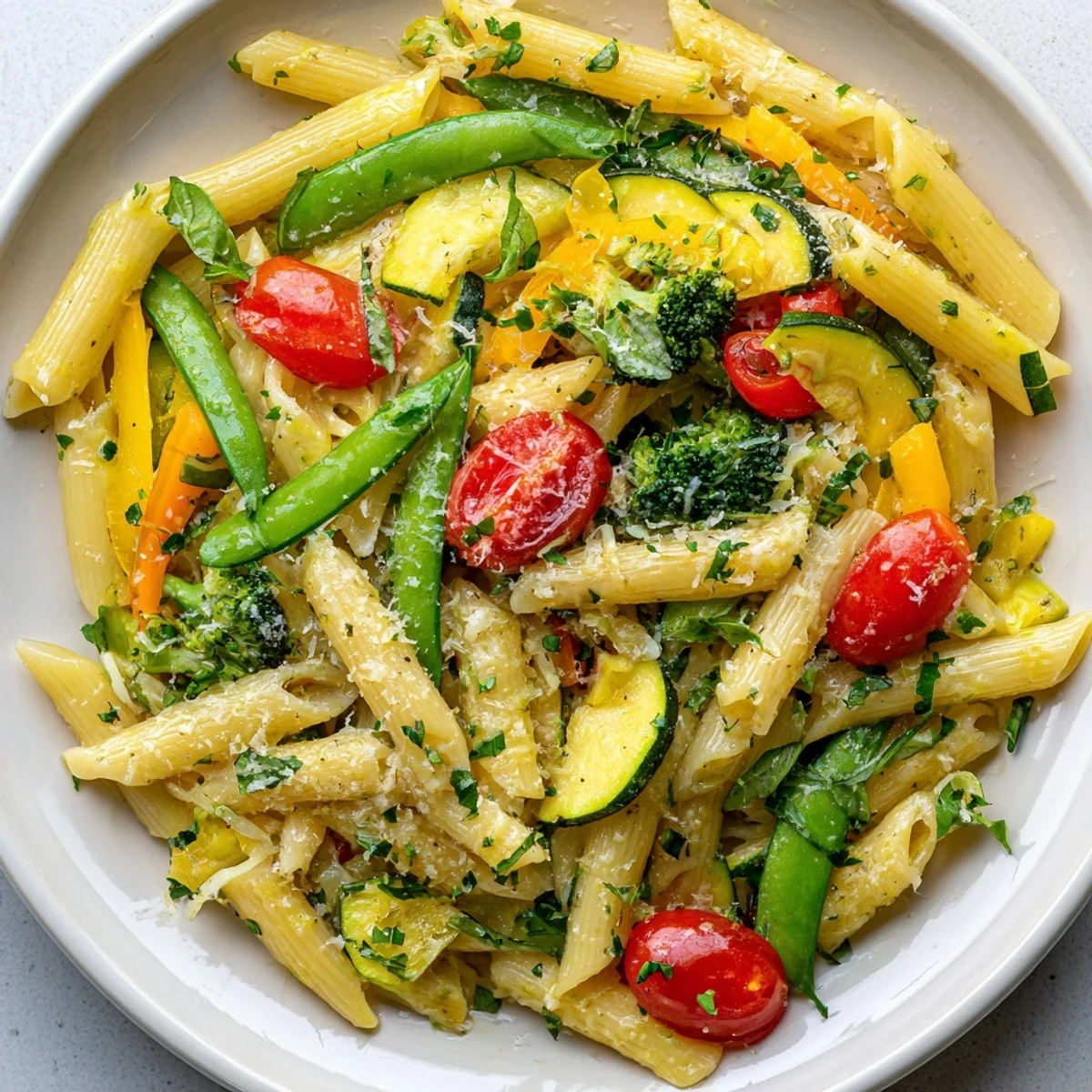
 This vibrant Italian dish brings together perfectly cooked penne or spaghetti with an array of fresh spring vegetables. The medley includes crisp zucchini, yellow squash, colorful bell peppers, sweet cherry tomatoes, tender broccoli florets, and crunchy sugar snap peas.
The vegetables are sautéed until just tender, then tossed with the pasta in a light sauce created from olive oil, garlic, vegetable broth, and fresh lemon juice. A generous sprinkle of Parmesan cheese and a finish of chopped basil and parsley add depth and brightness.
Ready in just 40 minutes with simple preparation, this versatile main dish serves four beautifully. The result is a colorful, wholesome bowl that celebrates the flavors of seasonal produce coated in a silky, well-balanced sauce.
The first time I made pasta primavera, I overcrowded the pan with every vegetable I could find from the farmers market. The result was a steamed, mushy mess that taught me an important lesson about restraint. Now I know that fewer vegetables, cooked quickly over high heat, keep their bright crunch and distinct flavors. This version celebrates that discovery.
Last spring, my neighbor dropped by unexpectedly while I was stirring in the final herbs. She stayed for dinner and we ate standing up in the kitchen, twirling pasta and talking until the bowl was empty. Sometimes the best meals happen when you least expect them.
Ingredients
- 400 g penne or spaghetti: Choose a shape that catches the sauce. Penne holds the vegetables in its tubes, while spaghetti coats beautifully in the light sauce.
- 1 small zucchini, sliced: Buy the smallest ones you can find. They have tender skin and fewer seeds, meaning no bitter spots and faster cooking.
- 1 small yellow squash, sliced: Adds sweetness and a pop of sunny color. Slice them the same thickness as the zucchini so they cook evenly.
- 1 red bell pepper, julienned: The sweetness balances the slight bite from broccoli. Cut into thin strips for quick, even cooking.
- 1 cup cherry tomatoes, halved: They burst and release their juices into the sauce, creating little pockets of concentrated flavor.
- 1 cup sugar snap peas, trimmed: Stay crunchy even after tossing with hot pasta. Snap them in half for easier twirling.
- 1 cup broccoli florets: Use small, bite sized pieces. Large florets stay raw in the center while the edges turn to mush.
- 3 tablespoons extra virgin olive oil: The base that carries all the flavors. Do not skimp here or the sauce will feel thin.
- 3 cloves garlic, minced: Freshly minced, not from a jar. The difference in flavor is enormous.
- 1/2 teaspoon crushed red pepper flakes: Adds a gentle warmth that makes all the vegetables taste more vibrant.
- 1/2 cup vegetable broth: Creates the silky sauce without overpowering the fresh vegetables.
- Juice of 1 lemon: Brightens the whole dish and makes the vegetables taste fresher. Add it right at the end.
- 1/4 cup grated Parmesan cheese: Use freshly grated for the best melt and flavor. The pre grated stuff has anti caking agents that prevent a smooth sauce.
- Salt and freshly ground black pepper: Taste the vegetables before salting. Some absorb more salt than others.
- 2 tablespoons fresh basil: Tear the leaves by hand instead of chopping. They bruise less and release more aroma.
- 2 tablespoons fresh parsley: Adds a fresh, grassy note that cuts through the richness of the olive oil and cheese.
Instructions
- Boil the pasta water:
- Use a large pot and salt the water generously. It should taste like the sea. Cook pasta until al dente, usually 1 to 2 minutes less than the package directs. That extra firmness helps it stand up to the vegetables without becoming mushy.
- Start the aromatics:
- Heat olive oil in your largest skillet over medium heat. Add garlic and red pepper flakes, stirring constantly for about 1 minute. Watch carefully. Garlic goes from fragrant to burnt in seconds.
- Add the harder vegetables:
- Toss in zucchini, squash, bell pepper, and broccoli. Let them sear undisturbed for 2 minutes, then stir. You want golden spots, not steamed vegetables.
- Add the quick cooking vegetables:
- Throw in cherry tomatoes and snap peas. These only need 2 to 3 minutes. The tomatoes should start to blister and burst, releasing their juices into the pan.
- Create the sauce:
- Pour in vegetable broth and lemon juice. Let everything simmer for 2 minutes. The liquid should reduce slightly and coat the vegetables. Taste now and adjust salt and pepper.
- Combine everything:
- Add the drained pasta to the skillet. Sprinkle in Parmesan and toss vigorously. Add splashes of pasta water until glossy. The starch from the pasta water helps the sauce cling to every strand.
- Finish with herbs:
- Turn off the heat and fold in basil and parsley. The residual warmth wakes up their oils without wilting them completely. Taste one more time and adjust anything that needs it.
- Serve immediately:
- Pile into warm bowls and top with extra Parmesan. The sauce thickens quickly as it cools, so do not wait too long to dig in.
 Pin It
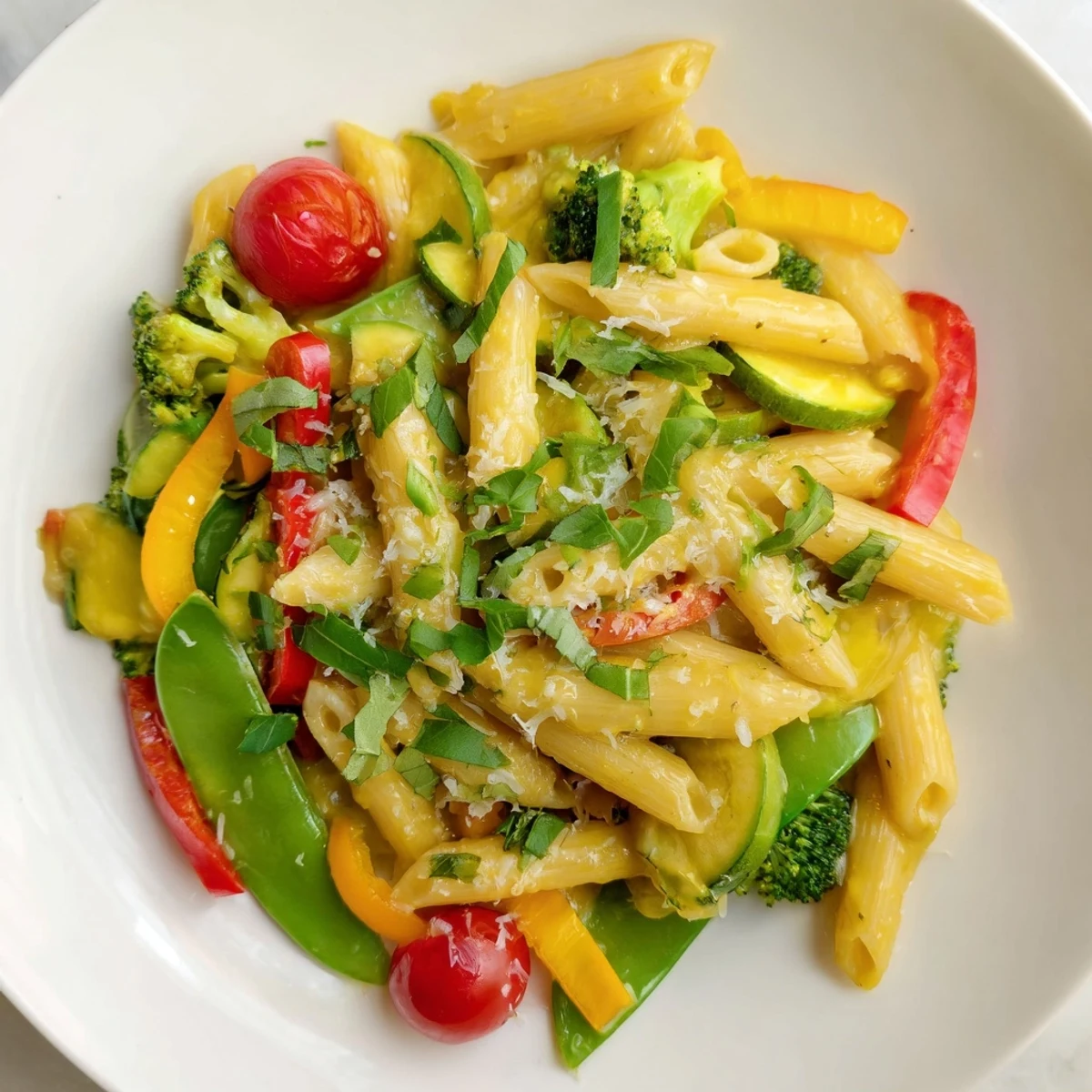
 My daughter now requests this on her birthday, claiming it tastes like sunshine on a plate. Watching her go back for thirds makes all those vegetable chopping sessions worth every minute.
Timing Is Everything
Start the pasta water first, but do not cook the pasta until the vegetables are almost done. Fresh pasta cooks in 2 to 3 minutes, while dried takes longer. Timing the pasta to finish when the vegetables are ready keeps everything at the perfect temperature for serving.
The Vegetable Swap
This recipe adapts beautifully to whatever looks best at the market. Asparagus, green beans, or corn work just as well. Stick to the same principle: add longer cooking vegetables first, quick cooking ones last.
Make It Your Own
The base recipe is vegetarian, but it welcomes additions. A handful of pine nuts or walnuts adds crunch. Fresh mozzarella torn on top creates creamy pockets. You can even bulk it up with white beans or chickpeas for a protein boost.
- Vegetables stay crisp when sliced uniformly thin
- The sauce clings better when you toss vigorously in the skillet
- Leftovers reheat beautifully with a splash of water
 Pin It
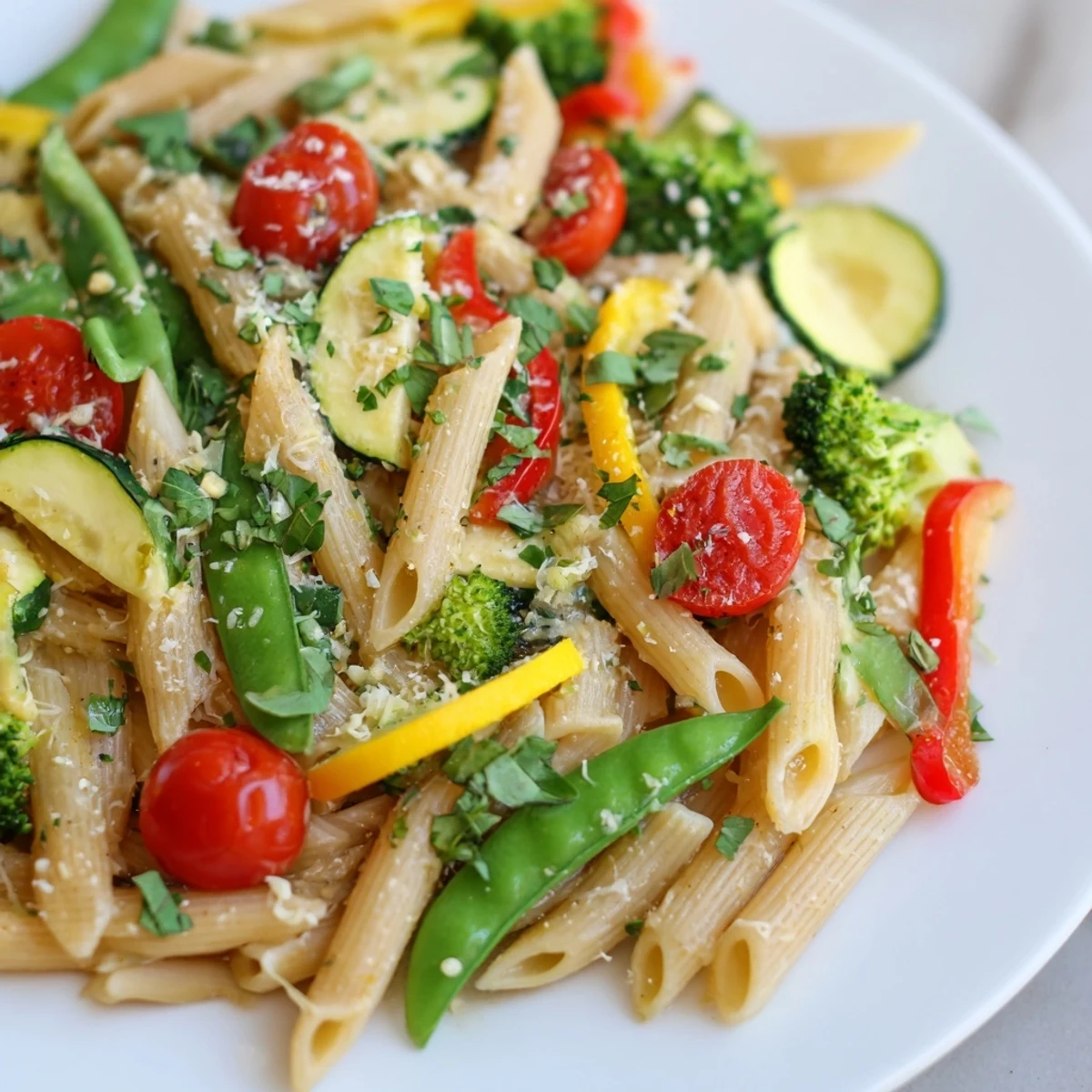
 There is something deeply satisfying about a bowl of pasta that celebrates vegetables without hiding them. Hope this becomes your spring go to too.
Recipe Questions & Answers
- → What vegetables work best in pasta primavera?
-
Spring vegetables like zucchini, yellow squash, bell peppers, cherry tomatoes, broccoli florets, and sugar snap peas create the classic primavera mix. Feel free to swap in asparagus, green beans, or peas based on seasonality.
- → How do I prevent the vegetables from becoming mushy?
-
Sauté firmer vegetables like zucchini, squash, bell peppers, and broccoli first for 4-5 minutes. Add quick-cooking cherry tomatoes and snap peas later, just 2-3 minutes before finishing. This maintains a pleasant crunch in every bite.
- → Can I make this dish gluten-free?
-
Absolutely. Simply substitute regular penne or spaghetti with your favorite gluten-free pasta. The rest of the ingredients are naturally gluten-free, making this an easy adaptation for dietary needs.
- → What pasta shapes pair well with primavera?
-
Penne, spaghetti, fusilli, and farfalle all work beautifully. Short shapes with ridges like penne capture the sauce and small vegetable pieces exceptionally well, while long strands like spaghetti create elegant twirls with the vegetables.
- → How can I add protein to this vegetarian dish?
-
Stir in cooked chickpeas, white beans, or grilled chicken strips during the final tossing step. Shaved Parmesan also contributes protein. For a heartier version, a dollop of ricotta or mozzarella pearls adds both richness and protein.
- → Can pasta primavera be made ahead?
-
While best enjoyed fresh, you can prepare the vegetables and sauce components separately up to a day in advance. Reheat the sauce mixture, cook the pasta freshly, then combine just before serving with a splash of pasta water to revive the sauce.