
 Pin It
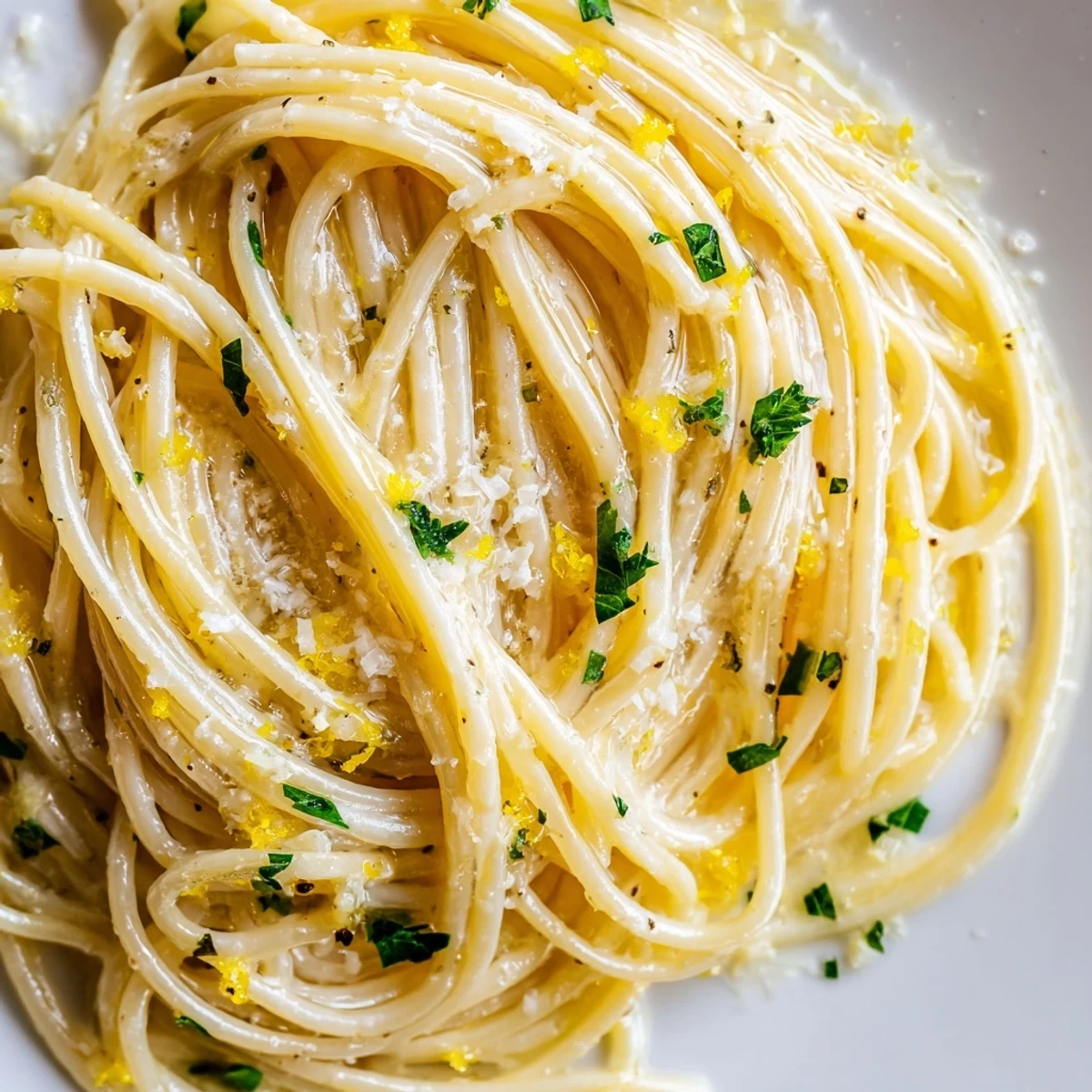
 This Italian-inspired pasta combines zesty lemon with rich Parmesan for a bright yet creamy result. Ready in just 25 minutes, it's perfect for busy weeknights when you want something satisfying without the fuss. The sauce clings beautifully to al dente spaghetti or linguine, creating restaurant-quality results at home.
Last Tuesday found me standing in my kitchen at 8 PM, absolutely starving but craving something that felt special without requiring energy I didn't have. The lemons on my counter caught the last bit of golden hour light, and suddenly this bright, tangy pasta became the only logical option.
My roommate walked in midway through my first attempt, following the incredible scent of garlic and lemon. She stood watching me stir in the Parmesan, asking a million questions, and ended up eating half the pot right out of the skillet with a fork. Now its our go-to when we need a Tuesday night to feel like a celebration.
Ingredients
- Pasta (400 g spaghetti or linguine): Long strands catch the lemon Parmesan sauce beautifully, though whatever pasta you have in your pantry will absolutely work
- Freshly grated Parmesan cheese (60 g): Buying pre-grated might seem easier, but grating it yourself makes all the difference in how smoothly it melts into that glossy emulsion
- Unsalted butter (2 tbsp): Using unsalted lets you control exactly how salty the final dish becomes, since Parmesan already brings plenty of saltiness
- Extra virgin olive oil (2 tbsp): This carries the lemon and garlic flavors, so use something you'd happily drizzle over finished dishes
- Lemon (1 large): You'll want both the zest for bright aromatic oil and the juice for that acidic punch that cuts through the richness
- Garlic cloves (2, finely minced): Freshly minced garlic gives you those sweet aromatic notes, unlike the sometimes harsh flavor of jarred versions
- Pasta cooking water (60 ml): This starchy liquid is the secret weapon that transforms oil and cheese into a silky, restaurant style sauce
- Freshly ground black pepper and sea salt: Taste as you go, remembering that Parmesan is naturally salty and pepper brings warmth
- Fresh herbs (parsley or basil): These add a final burst of freshness and make everything look incredibly inviting
Instructions
- Get your water going:
- Bring a large pot of well salted water to a rolling boil, then add your pasta and cook until it's just tender with a slight bite to it
- Reserve that liquid gold:
- Before draining, scoop out about ¼ cup of the cloudy pasta water, then drain the rest
- Build your flavor base:
- While the pasta cooks, warm the olive oil and butter in a large skillet over medium heat, adding the minced garlic and letting it soften until fragrant
- Add the bright notes:
- Stir in the lemon zest and juice, letting everything warm through and become fragrant
- Bring it all together:
- Add the drained pasta to the skillet, then gradually sprinkle in the Parmesan while tossing, adding pasta water as needed until you have a glossy, creamy sauce that clings to each strand
- Season and serve:
- Taste and adjust with salt and pepper, then plate immediately with extra Parmesan and fresh herbs scattered on top
 Pin It
 This pasta has become my answer to every question about what to cook when life feels overwhelming but comfort is non negotiable. Something about the bright lemon and warm Parmesan feels like being hugged by someone who knows exactly what you need.
Making It Your Own
I've learned that this recipe is incredibly forgiving and welcomes all sorts of additions depending on what's in your fridge or what you're craving. The basic technique stays the same, but the character can shift dramatically with just a few tweaks.
Perfecting The Sauce
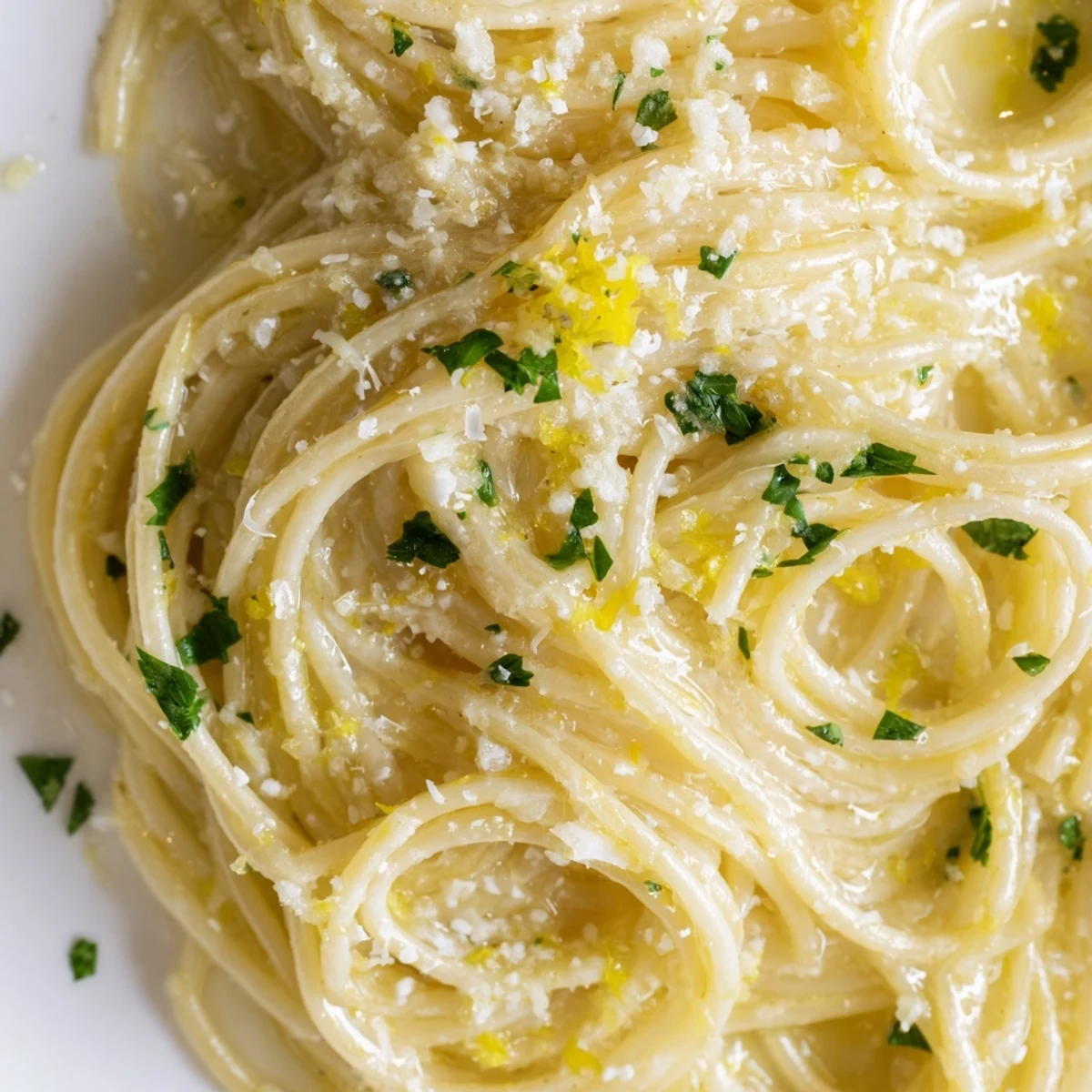
The key is adding the cheese gradually while the pasta is still hot, tossing constantly, and adding pasta water one splash at a time until everything comes together into that glossy sauce you see in Italian restaurants. Patience during this step pays off enormously.
Serving Suggestions
A simple green salad with an acidic vinaigrette balances the richness beautifully, and crusty bread is never a mistake for sopping up any sauce clinging to the bowl. For something more substantial, it pairs wonderfully with roasted vegetables or a piece of grilled fish.
- A crisp white wine like Sauvignon Blanc makes everything feel more intentional
- Keep extra lemon wedges on hand for guests who love an extra hit of acid
- The sauce thickens quickly, so serve immediately for the best texture
 Pin It
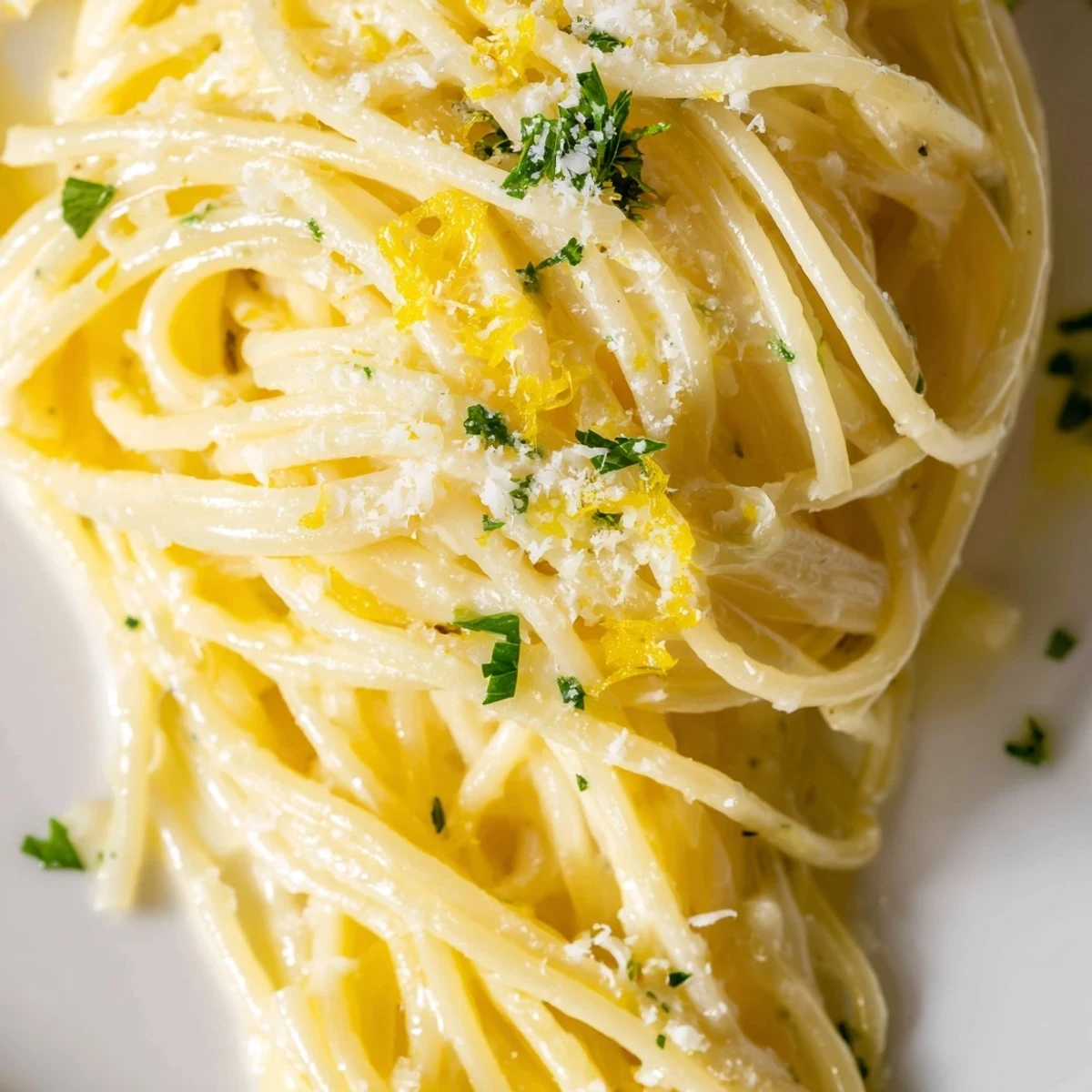
 Sometimes the simplest recipes are the ones that become part of who you are in the kitchen. This bright, lemony pasta has saved countless weeknights and turned ordinary moments into something worth savoring.
Recipe Questions & Answers
- → Can I make this dish ahead of time?
-
This pasta is best served immediately while the sauce is creamy and hot. The sauce tends to thicken and absorb into the pasta as it sits. If you need to prep ahead, you can grate the Parmesan, zest and juice the lemon, and mince the garlic up to a day in advance.
- → What other cheeses work well?
-
Pecorino Romano adds a sharper, saltier flavor that complements the lemon beautifully. Aged Asiago or Grana Padano also work well. For a lighter version, try half Parmesan and half soft goat cheese for extra creaminess.
- → How do I prevent the sauce from separating?
-
The key is removing the pan from heat before adding the cheese, and always add pasta water gradually while tossing constantly. This creates an emulsion that keeps the sauce smooth. Never let the sauce boil after adding the Parmesan.
- → Can I add protein to make it more filling?
-
Grilled chicken breast strips, sautéed shrimp, or pan-seared salmon work wonderfully. For vegetarian options, add white beans or sautéed chickpeas during the final minute of tossing. You can also stir in fresh baby spinach until wilted.
- → What pasta shapes work best?
-
Long strands like spaghetti, linguine, or fettuccine are traditional choices that hold the sauce beautifully. Short cuts like penne, fusilli, or farfalle also work well, especially if you prefer more sauce-to-pasta ratio in each bite.
- → Is it too tangy with whole lemon?
-
If you're sensitive to acidity, start with half the lemon juice and taste before adding more. The zest provides aromatic lemon flavor without sourness, so you can increase zest while reducing juice. A pinch of sugar also helps balance the acidity.