
 Pin It
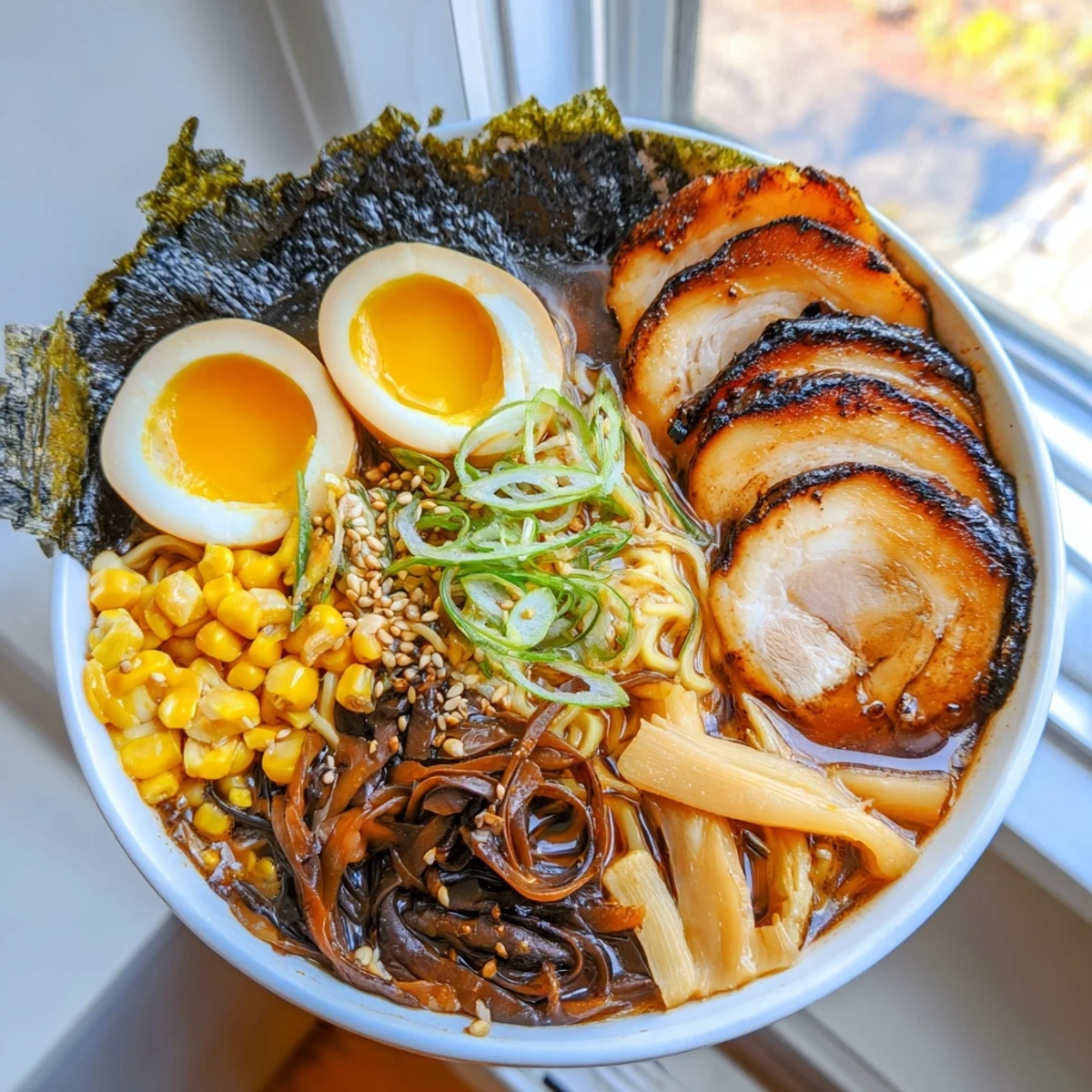
 This Japanese ramen brings together a deeply savory broth built from chicken or pork stock, miso paste, soy sauce, and aromatic ginger and garlic. The broth simmers for 20 minutes, developing layers of umami richness that coat every strand of fresh ramen noodles.
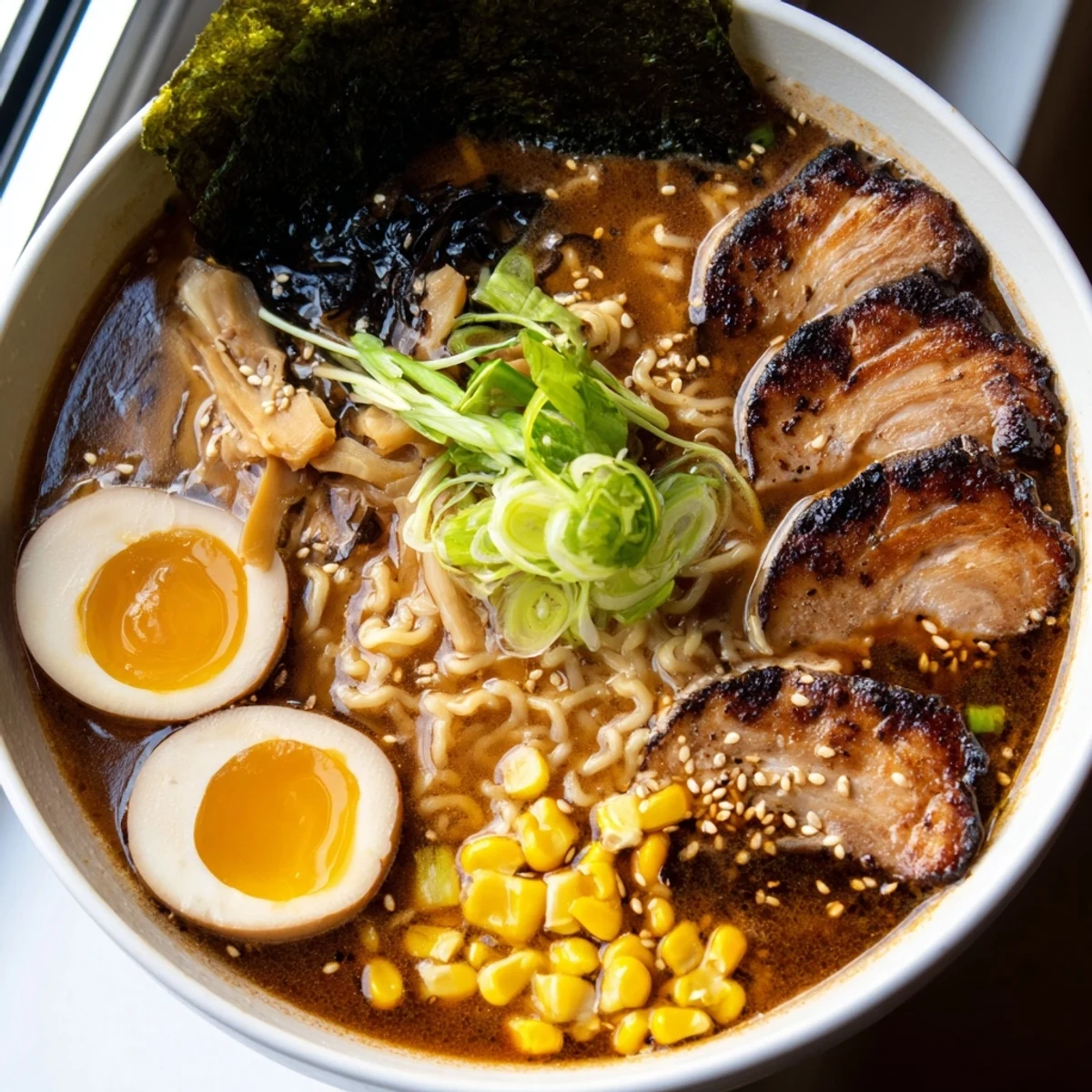
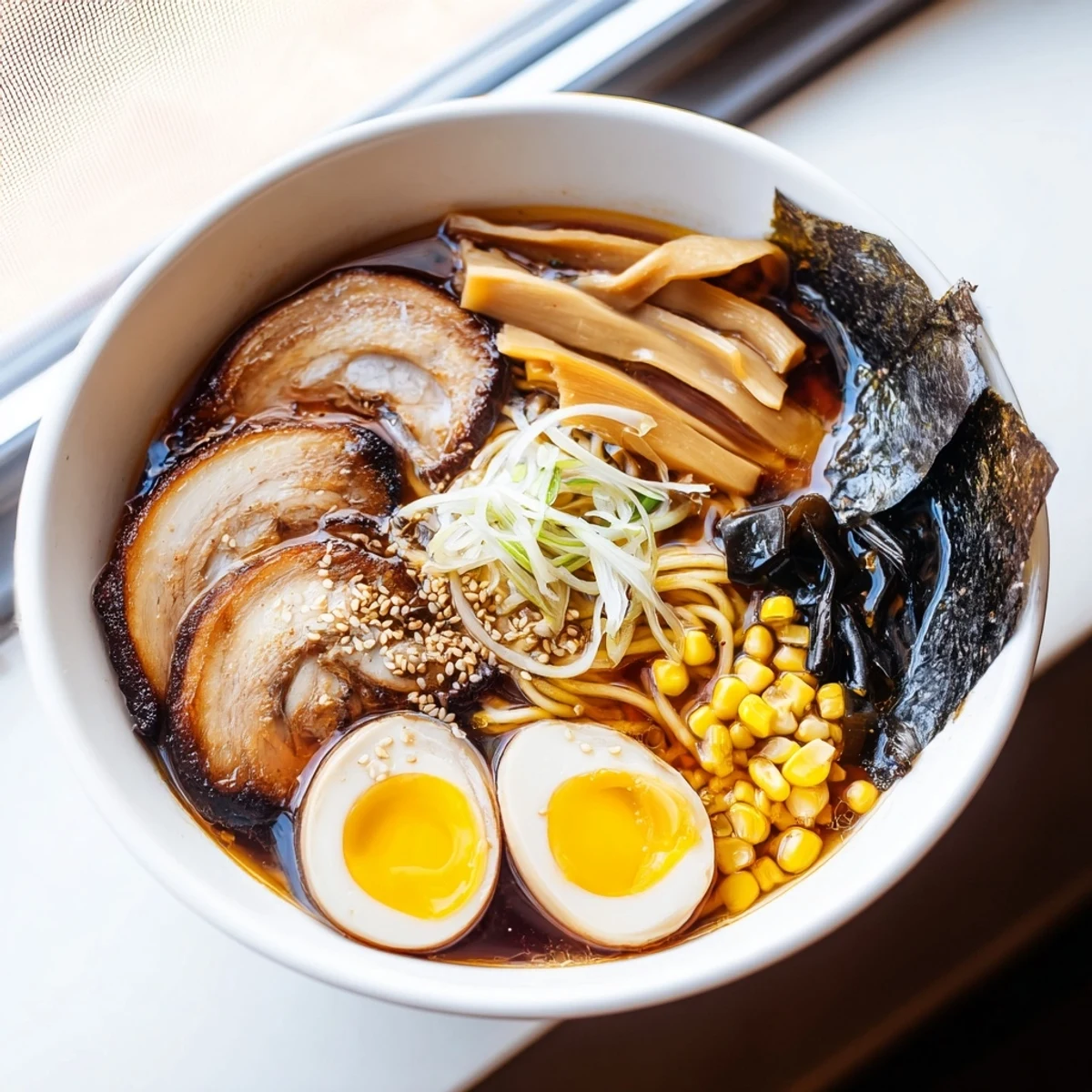
Each bowl is crowned with classic toppings: soft-boiled eggs with jammy yolks, thinly sliced pork belly or chicken breast, earthy shiitake mushrooms, strips of nori, crisp spring onions, and tender bamboo shoots. Toasted sesame seeds add a final nutty crunch.
Ready in under an hour and yielding four generous servings, this dish strikes the perfect balance between weeknight practicality and authentic Japanese comfort food. Customize with chili oil, spinach, or bean sprouts to make it your own.
There is something almost meditative about watching steam curl up from a bowl of ramen on a cold evening, the broth catching the light like liquid amber before the first slurp pulls you under its spell.
One rainy Tuesday my roommate walked in, dropped her bag, and declared that only soup would fix her week, so I boiled a pot of this ramen and we sat cross legged on the kitchen floor eating in near silence because it was that good.
Ingredients
- Chicken or pork broth (1.5 liters): The backbone of every great bowl, so use homemade if you have it or the best quality boxed broth you can find.
- Soy sauce (2 tbsp): Adds salt and umami depth that ties the broth together without overpowering it.
- Miso paste (1 tbsp): Stir this in off heat to preserve its live cultures and mellow fermented complexity.
- Sesame oil (2 tsp): A little blooms in the pot and transforms plain broth into something aromatic and nutty.
- Garlic cloves, minced (2): Fresh garlic sauteed until just fragrant builds the flavor foundation.
- Ginger, sliced (1 thumb sized piece): Leave it in slices so you can fish it out before serving, letting the warm spice infuse without overpowering.
- Mirin (1 tbsp): A touch of sweetness that rounds the salty soy and rich broth into balance.
- Fresh ramen noodles (400 g): Springy and tender, these soak up broth beautifully, though dried noodles work in a pinch.
- Soft boiled eggs (2): Cooked to a jammy center, these are the prize at the bottom of every great ramen bowl.
- Cooked pork belly or chicken breast (200 g): Sliced thin and fanned across the top, this is the hearty centerpiece of the bowl.
- Shiitake mushrooms (100 g): Their earthy flavor deepens as they warm in the broth.
- Nori sheet (1): Cut into strips and tucked along the rim for a briny ocean whisper.
- Spring onions (2): Thinly sliced green tops scattered last minute for fresh bite and color.
- Bamboo shoots (100 g): Add satisfying crunch and a subtle tang that cuts through the richness.
- Corn kernels (to taste): Sweet pops of gold that brighten every spoonful.
- Toasted sesame seeds (to garnish): A final sprinkle that looks pretty and adds a dry roasted finish.
Instructions
- Build the broth:
- Heat sesame oil in a large pot over medium heat until it shimmers, then saute garlic and ginger until your kitchen smells like a ramen shop at lunch rush.
- Simmer and strain:
- Pour in the broth, soy sauce, miso paste, and mirin, then let everything simmer gently for twenty minutes before straining out the solids so you are left with a silky clear liquid.
- Cook the noodles:
- Follow the package directions, drain them well, and keep them close because assembly moves fast from here.
- Prep the toppings:
- Soft boil your eggs for exactly six minutes, plunge them into ice water, peel and halve them, then slice your meat, mushrooms, and spring onions while the broth finishes.
- Assemble the bowls:
- Divide noodles among four warm bowls, ladle the hot broth over them, and arrange each topping with a little intention so every bowl looks like it came from a kitchen that cares.
 Pin It
 On a night when the power went out and we ate by candlelight, this ramen felt less like dinner and more like the whole reason the evening existed.
What to Drink Alongside
A chilled glass of sake or a crisp Japanese lager cuts through the richness of the broth and refreshes your palate between slurps.
Making It Vegetarian
Swap in vegetable broth, skip the meat, add extra mushrooms and cubes of pressed tofu, and you still get a bowl that satisfies on every level.
Storing and Reheating
Keep broth and noodles in separate containers in the fridge so nothing turns mushy overnight.
- Broth holds well for up to three days and actually tastes better the next day.
- Reheat broth to a full simmer before pouring over fresh noodles.
- Always cook a fresh batch of noodles rather than reheating leftover ones.
 Pin It
 Once you make ramen at home, you will start keeping eggs and broth stocked just in case, and that readiness is really the highest compliment a recipe can earn.
Recipe Questions & Answers
- → What type of noodles work best for ramen?
-
Fresh ramen noodles deliver the most authentic texture, with a satisfying chew that dried noodles can't quite match. Look for them in the refrigerated section of Asian grocery stores. If unavailable, dried ramen noodles or even thin spaghetti can work as a substitute.
- → Can I make the broth ahead of time?
-
Yes, the broth actually improves when made a day in advance. Refrigerate it in an airtight container and reheat gently before assembling your bowls. The flavors will deepen and meld overnight, giving you an even richer base.
- → How do I achieve the perfect soft-boiled egg for ramen?
-
Bring water to a gentle boil, lower the eggs in carefully, and cook for exactly 6 minutes. Transfer immediately to an ice bath to stop the cooking. Peel gently under running water. The yolk should be jammy and slightly runny, while the white remains tender.
- → What can I substitute for pork belly?
-
Chicken breast, sliced chashu-style pork loin, or even braised tofu all work beautifully. For a vegetarian approach, marinate and pan-fry thick slices of tofu in soy sauce and mirin to develop a savory crust that complements the broth.
- → Is there a gluten-free option for ramen?
-
Use gluten-free noodles made from rice or buckwheat and substitute tamari for soy sauce. Check that your miso paste is certified gluten-free, as some varieties contain barley. The broth itself is naturally gluten-free once these swaps are made.
- → How should I store and reheat leftovers?
-
Store broth and noodles separately in the refrigerator for up to 3 days. Reheat the broth on the stovetop until steaming, then pour over freshly cooked noodles. Avoid reheating assembled bowls, as the noodles will become mushy and absorb too much liquid.