
 Pin It
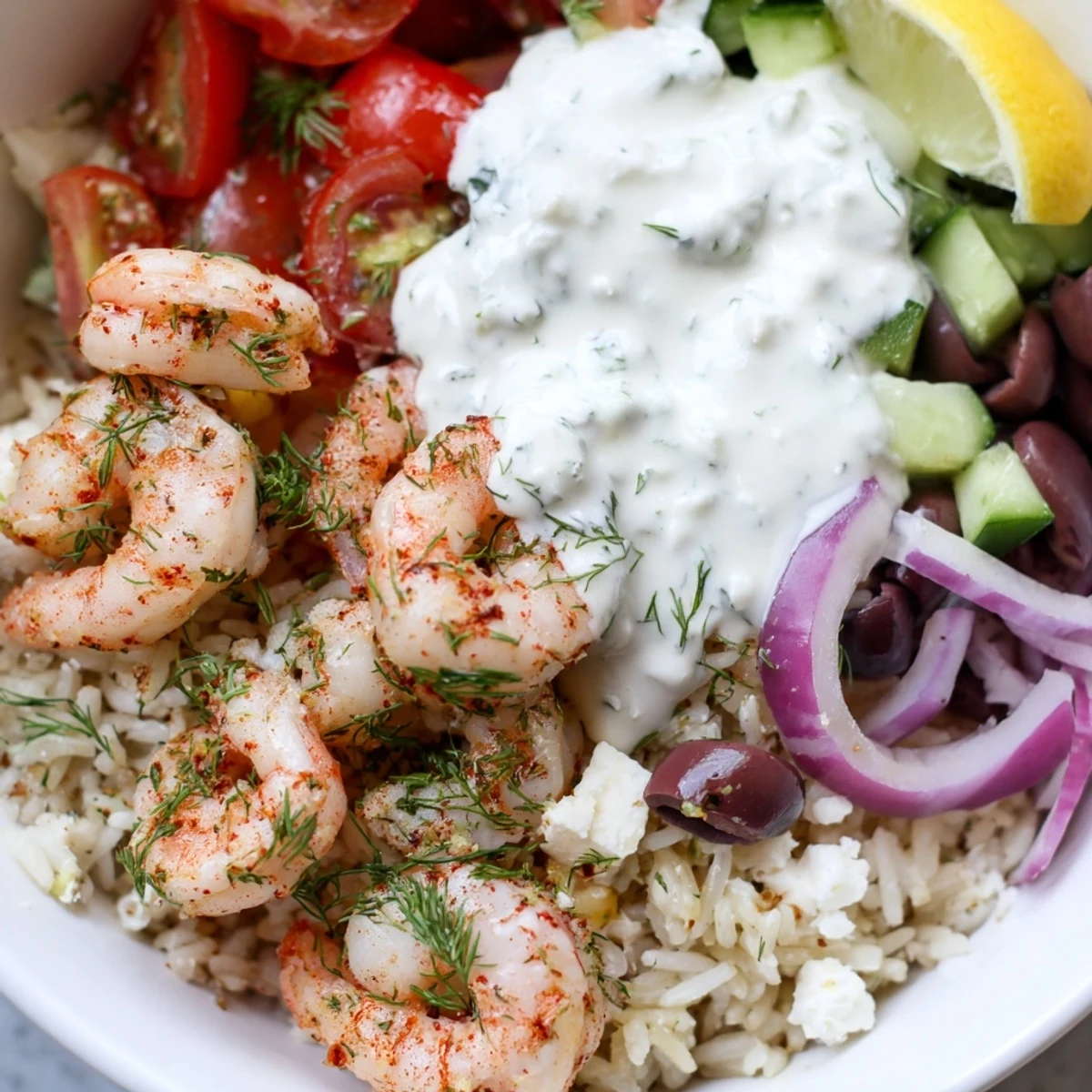
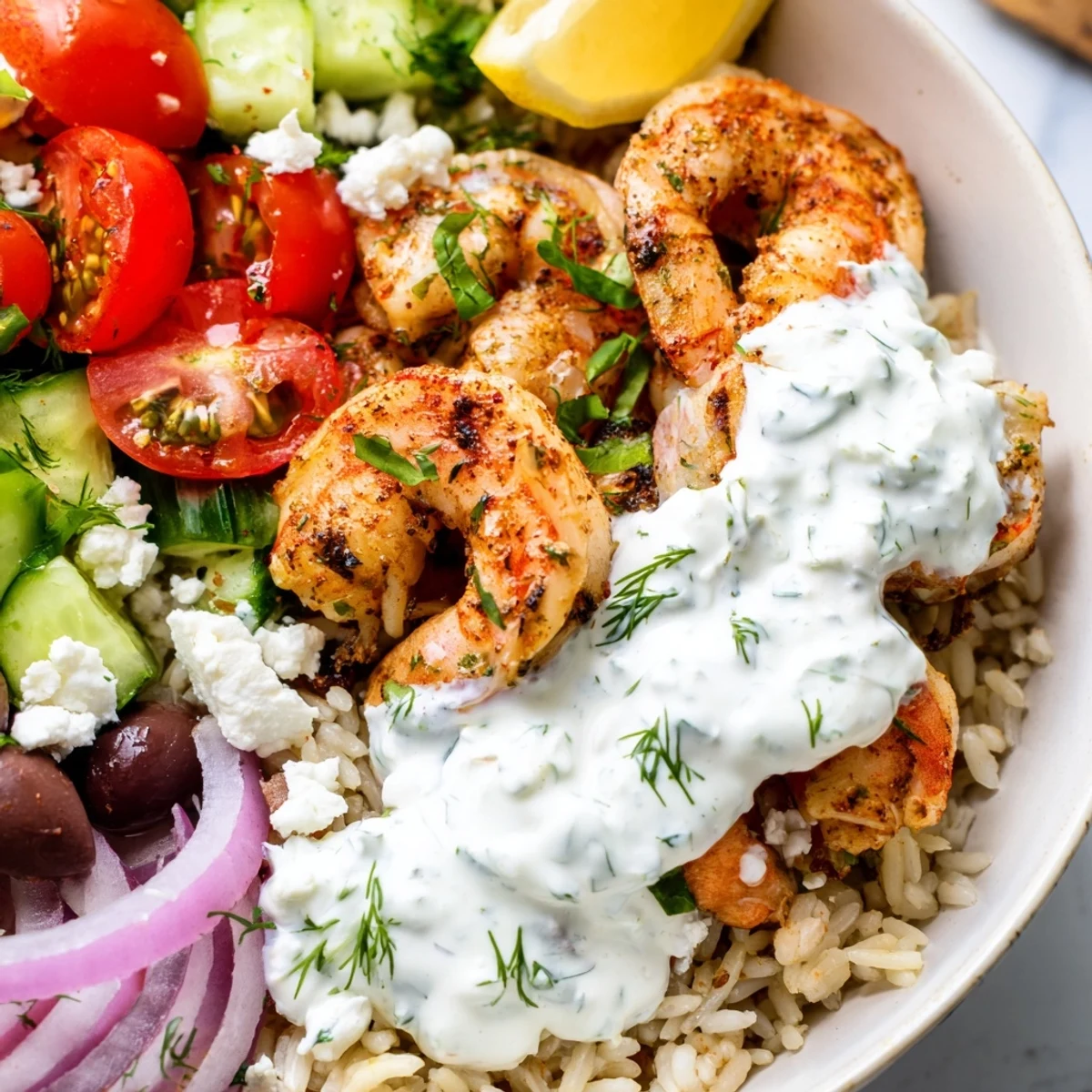
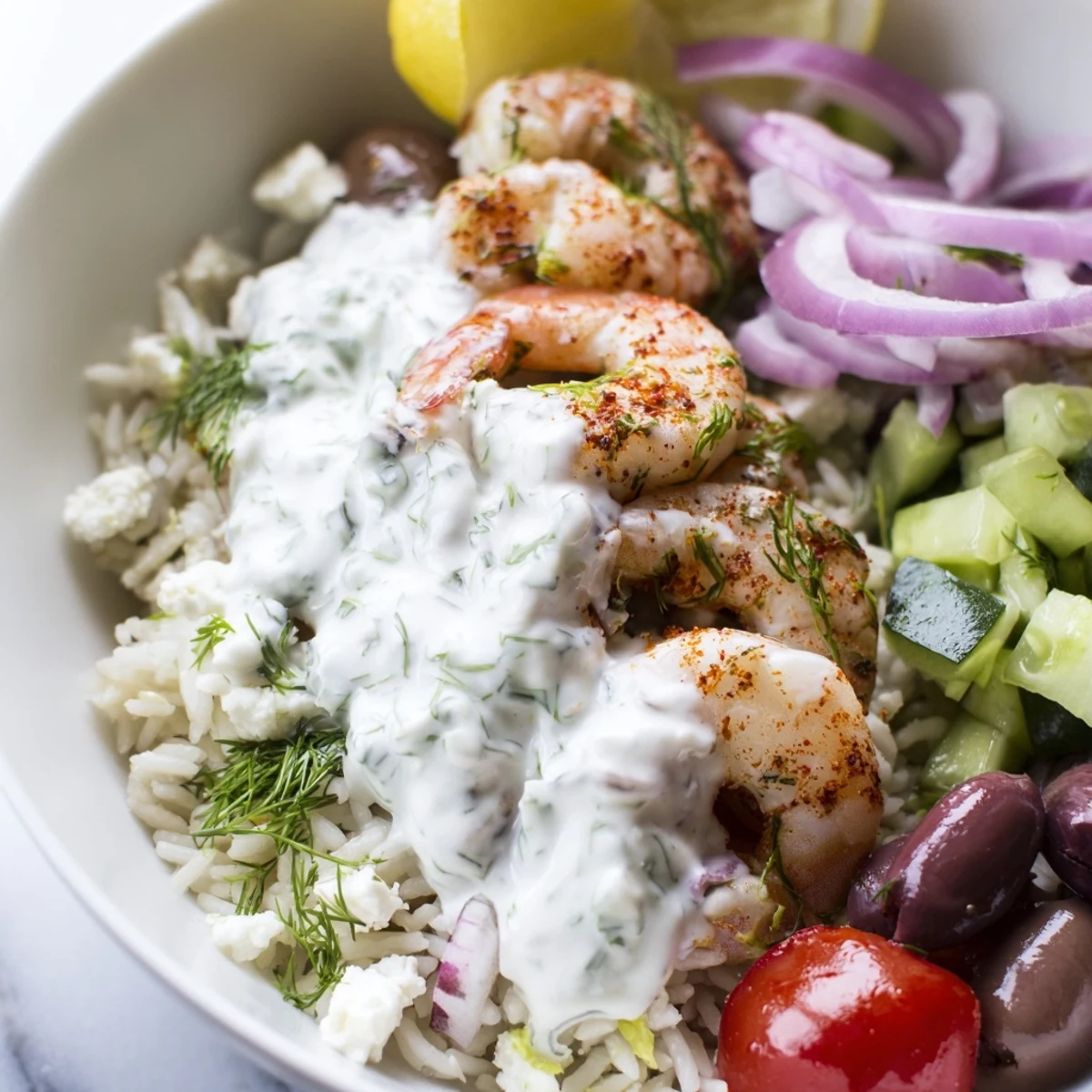
 This Greek shrimp Mediterranean bowl brings together tender, perfectly seasoned shrimp nestled on a bed of fluffy lemony rice. Topped with crisp cucumbers, juicy cherry tomatoes, briny Kalamata olives, and crumbled feta cheese, every bite delivers a burst of fresh coastal flavors.
The homemade tzatziki sauce ties everything together with its cool, garlicky creaminess. Ready in just 35 minutes, this dish is ideal for busy weeknights when you crave something wholesome and satisfying.
Customizable with quinoa or cauliflower rice for a low-carb option, it's a versatile meal that suits pescatarian and gluten-free diets alike.
The smell of garlic hitting a hot pan on a Tuesday evening changed my entire week. I had collapsed onto the kitchen counter after a brutal commute, convinced nothing could rescue the night, until I remembered the bag of shrimp in the freezer. Thirty five minutes later I was sitting on the floor of my kitchen with a bowl balanced on my knee, wondering why I ever bother with takeout.
I made this for my neighbor Elena once when she was going through a rough patch and could not be bothered to cook. She sat at my tiny table, took one bite, and immediately asked if I could teach her, which is honestly the highest compliment a home cook can receive.
Ingredients
- 1 lb (450 g) large shrimp, peeled and deveined: Go for the larger shrimp if you can find them, since they get a better sear and stay juicier inside.
- 1 tbsp olive oil: Use a decent quality oil here since it carries the marinade flavor directly into the shrimp.
- 2 cloves garlic, minced: Fresh garlic only, the jarred stuff lacks the sharp bite that makes this dish sing.
- 1 tsp dried oregano: Rub it between your palms before adding to wake up the essential oils.
- 1/2 tsp smoked paprika: This adds a subtle depth that people never expect from a quick weeknight bowl.
- 1/4 tsp sea salt and 1/4 tsp black pepper: Seasoning the shrimp directly is non negotiable.
- Juice of 1/2 lemon: Fresh squeezed always, the bottle does not compare.
- 1 cup uncooked basmati or jasmine rice: Basmati gives you fluffier grains that soak up the tzatziki beautifully.
- 2 cups water, zest of 1 lemon, 1/4 tsp salt: The lemon zest in the rice is a small step that completely transforms the base of the bowl.
- 1 cup cherry tomatoes, halved: Let them sit at room temperature so their sweetness comes through.
- 1 cup cucumber, diced: English cucumber works best since the seeds are less watery.
- 1/2 cup Kalamata olives, pitted and sliced: Do not skip these, they provide the briny punch that ties everything together.
- 1/4 cup red onion, thinly sliced: Soak the slices in cold water for five minutes if you find raw onion too sharp.
- 1/2 cup crumbled feta cheese: A good block feta crumbled by hand melts into the warm rice in the best way.
- 2 cups fresh baby spinach or mixed greens: These create a fresh bed that keeps the bowl from feeling heavy.
- 1/4 cup fresh parsley, chopped: Add it right before serving so the color stays bright.
- 1 cup Greek yogurt: Full fat yogurt makes the creamiest tzatziki you will ever taste.
- 1/2 cup cucumber, finely grated and drained: Squeeze the grated cucumber in a clean towel to remove excess water or your sauce will be runny.
- 1 clove garlic, minced: For the tzatziki, mince it finer than you think you need to.
- 1 tbsp fresh dill, chopped: Fresh dill is essential here, dried dill cannot replicate that grassy brightness.
- 1 tbsp lemon juice and 1 tbsp olive oil: These balance the richness of the yogurt perfectly.
- Salt and pepper to taste: Season the tzatziki aggressively since the cold dulls the flavor slightly.
Instructions
- Rinse and cook the rice:
- Rinse the rice under cold running water until it runs almost clear, then combine it with water, lemon zest, and salt in a saucepan. Bring it to a boil, cover tightly, and drop the heat to low for 12 to 15 minutes until every grain is tender and the water has vanished. Fluff with a fork and let it sit off the heat.
- Marinate the shrimp:
- Toss the peeled shrimp with olive oil, garlic, oregano, smoked paprika, salt, pepper, and lemon juice in a bowl until every piece is coated. Let them sit for about 10 minutes while the rice finishes, which is just enough time for the flavors to settle in without the acid starting to cook the shrimp.
- Sear the shrimp:
- Heat a large skillet over medium high heat until you can feel the warmth radiating off the surface, then add the shrimp in a single layer without crowding. Cook for 2 to 3 minutes per side until they turn coral pink and curl slightly, then pull them off the heat immediately so they stay tender.
- Whip up the tzatziki:
- While the shrimp cooks, stir together the Greek yogurt, grated and drained cucumber, garlic, dill, lemon juice, olive oil, salt, and pepper in a bowl. Taste it and adjust the seasoning, then tuck it into the fridge so the flavors can mingle while you assemble everything else.
- Build the bowls:
- Divide the fluffy lemon rice and fresh greens among four bowls, then arrange the shrimp, tomatoes, cucumber, olives, and red onion on top. Crumble feta over each bowl with a generous hand, drizzle tzatziki across everything, and scatter fresh parsley to finish.
 Pin It
 The night Elena came over, we ended up sitting at that table for three hours, scraping the last of the tzatziki from the bowl with toasted pita while the city noise drifted through the window.
Making It Your Own
This bowl is endlessly adaptable once you understand the basic structure of grain, protein, fresh vegetables, and a bold sauce. Swap quinoa or cauliflower rice for the basmati if you want something lighter, and grilled halloumi or roasted chickpeas work beautifully if shrimp is not your thing.
What to Pour Alongside
A chilled glass of Sauvignon Blanc cuts right through the richness of the feta and tzatziki while echoing the lemon notes in the rice. If you prefer non alcoholic options, sparkling water with a wedge of lemon and a sprig of fresh mint feels just as celebratory.
Getting Ahead Without Losing Freshness
The tzatziki actually improves if you make it a day ahead since the garlic and dill have time to fully infuse the yogurt.
- Cook the rice and store it separately so it does not absorb all the moisture from the vegetables.
- Keep the shrimp off the salad greens until the moment you plan to eat.
- Always save a little extra lemon for a final squeeze right before serving.
 Pin It
 Some dishes feed you and some dishes remind you why cooking is worth the effort, and this one manages to do both on a random Tuesday.
Recipe Questions & Answers
- → Can I use frozen shrimp instead of fresh?
-
Yes, frozen shrimp works perfectly. Thaw them overnight in the refrigerator or under cold running water for about 10 minutes. Pat them thoroughly dry before marinating to ensure a good sear and prevent steaming in the pan.
- → What can I substitute for feta cheese?
-
Crumbled goat cheese or dollops of ricotta salata are excellent alternatives. For a dairy-free option, try toasted pine nuts or a sprinkle of nutritional yeast to add a similar salty, savory element to the bowl.
- → How long does homemade tzatziki last in the fridge?
-
Homemade tzatziki stays fresh in an airtight container in the refrigerator for up to 4 days. The flavors actually deepen and improve after a few hours of resting, making it a great make-ahead component.
- → Can I meal prep this Mediterranean bowl?
-
Absolutely. Cook the rice and prepare the tzatziki up to 3 days in advance. Store vegetables separately in airtight containers. Cook the shrimp fresh when ready to serve for the best texture, though leftover cooked shrimp will keep for 2 days refrigerated.
- → What grain works best as a base besides rice?
-
Quinoa adds extra protein and a nutty flavor. Couscous cooks in just 5 minutes for a quick option. Farro or bulgur wheat bring a hearty, chewy texture. For a low-carb alternative, cauliflower rice absorbs the lemon and herb flavors beautifully.
- → How do I know when the shrimp are fully cooked?
-
Shrimp are done when they turn pink and curl into a loose C-shape, typically 2-3 minutes per side for large shrimp. Avoid overcooking — if they tighten into a tight O-shape, they may become rubbery. Remove them from the heat immediately once opaque throughout.