
 Pin It
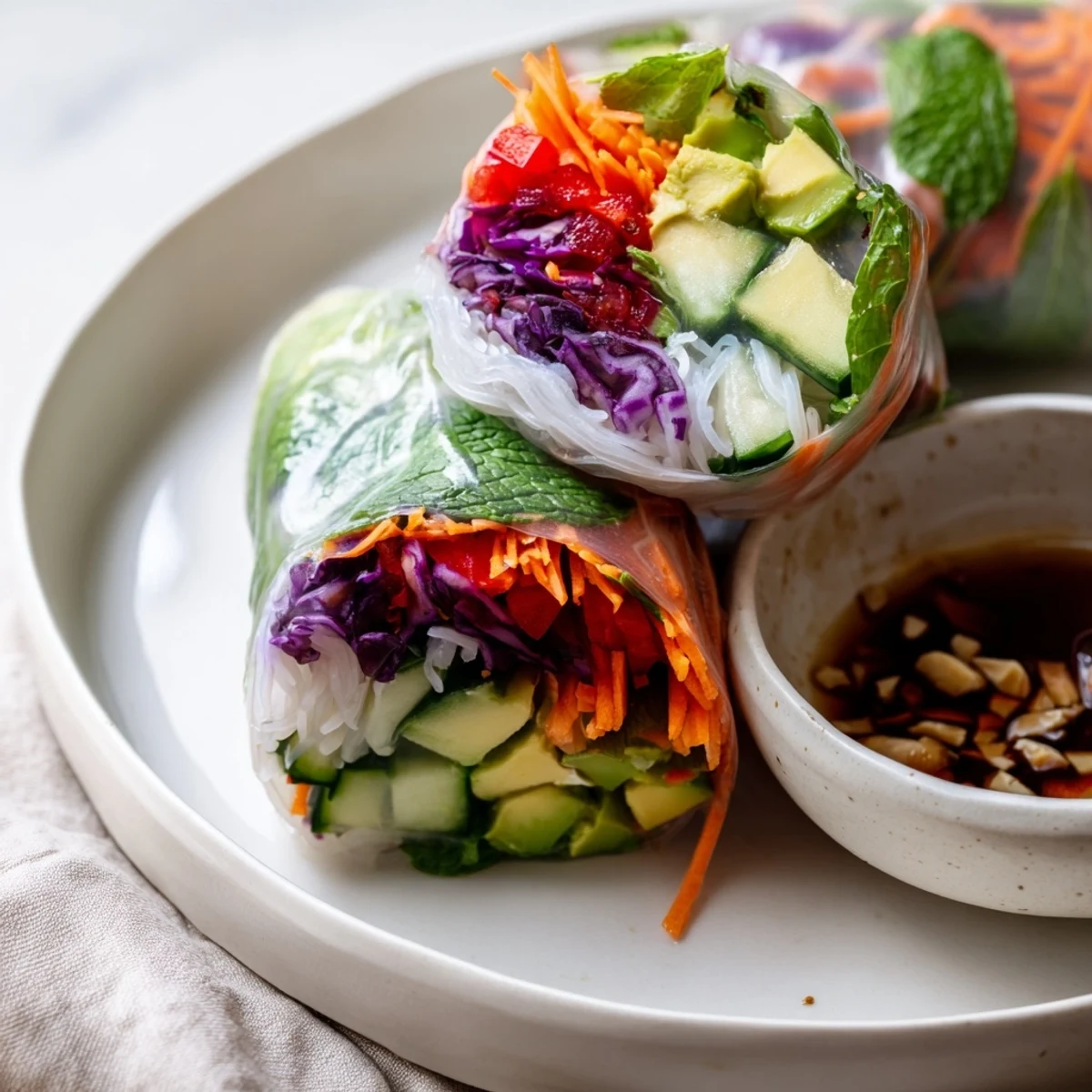
 These gluten-free vegetable spring rolls begin by briefly softening rice paper in warm water, then layering rice vermicelli, julienned carrot, cucumber, red bell pepper, shredded cabbage, avocado and fresh mint and cilantro. Roll tightly to keep fillings compact and crisp. Whisk tamari with rice vinegar, maple, sesame oil, ginger and garlic for a bright soy-ginger dipping sauce. Serve immediately; store under a damp towel in the fridge for a few hours. Add tofu or cooked shrimp for extra protein.
The summer my neighbor Linda brought over a plate of translucent, jewel toned spring rolls on a sweltering July afternoon, I stood in my kitchen doorway holding them like something sacred. The rice paper caught the sunlight and everything inside looked like stained glass made of vegetables. I had been living on toast and iced coffee for days, and those rolls snapped me out of a rut I did not even know I was in. I made my own batch the very next evening and have been rolling them ever since.
I made a double batch of these for a backyard potluck last September and watched a table of adults fight over the last roll like children reaching for the final slice of cake. My friend Marco, who claims he does not eat vegetables, ate four of them without pausing for breath. There is something about the combination of crisp cucumber, soft noodles, and bright herbs that makes people forget they are eating something healthy.
Ingredients
- 1 medium carrot, julienned: Cut them thin and uniform so every bite has a little snap without being overpowering.
- 1/2 cucumber, julienned: English cucumbers work best here because the seeds are smaller and the skin is tender.
- 1 red bell pepper, julienned: The sweetness balances the herbal bite of the mint and cilantro beautifully.
- 1 cup red cabbage, thinly shredded: This adds a gorgeous purple blush and a crunch that holds up even after a few hours.
- 1 avocado, sliced: Add this last during assembly because it is delicate and turns mushy if handled too roughly.
- 1 cup fresh mint leaves: Do not skip the mint, it is the secret ingredient that makes people ask what is in these.
- 1 cup fresh cilantro leaves: Tear them off the stems gently and scatter generously throughout each roll.
- 8 gluten free rice paper wrappers: Check the packaging carefully to ensure they are certified gluten free, not all brands are.
- 100 g rice vermicelli noodles: Cook them just until tender because overcooked noodles turn gummy inside the wrapper.
- Warm water: You need this for softening the rice paper and it should be warm, not hot, or the wrappers dissolve too fast.
- 3 tbsp gluten free soy sauce or tamari: Tamari has a richer, rounder flavor than regular soy sauce and is almost always gluten free.
- 2 tbsp rice vinegar: This gives the dipping sauce its bright, tongue tingling acidity.
- 1 tbsp maple syrup or honey: A small amount of sweetness pulls the whole sauce together without making it sugary.
- 1 tsp toasted sesame oil: A little goes a long way and adds that toasty, nutty aroma that makes the sauce addictive.
- 1 tsp grated fresh ginger: Grate it finely so nobody bites into a fibrous chunk mid dip.
- 1 clove garlic, minced: Smash it flat with your knife first and the mincing becomes effortless.
- 1 tbsp chopped peanuts (optional): Omit these entirely if anyone at your table has a nut allergy, the rolls are complete without them.
Instructions
- Cook the noodles:
- Follow the package directions for your rice vermicelli, drain them in a colander, and rinse under cold water so they stop cooking and do not stick together in a clump.
- Prep the vegetables:
- Juliienne the carrot, cucumber, and bell pepper into matchsticks of similar thickness, shred the cabbage thinly, slice the avocado, and arrange everything on a large platter or cutting board so you can work quickly.
- Soften the rice paper:
- Pour warm water into a wide shallow bowl, submerge one wrapper for about ten to fifteen seconds until it feels flexible but still slightly firm, because it continues to soften after you remove it.
- Build the roll:
- Lay the softened wrapper flat on a clean damp surface, place a modest handful of noodles and vegetables along the lower third, tuck in herbs and avocado slices, and keep the filling tight and compact.
- Roll it up:
- Fold the left and right sides inward over the filling like an envelope, then roll from the bottom toward the top with gentle even pressure, sealing the edge closed.
- Whisk the dipping sauce:
- Combine the tamari, rice vinegar, maple syrup, sesame oil, ginger, garlic, and chopped peanuts in a small bowl and stir until everything is blended and fragrant.
- Serve immediately:
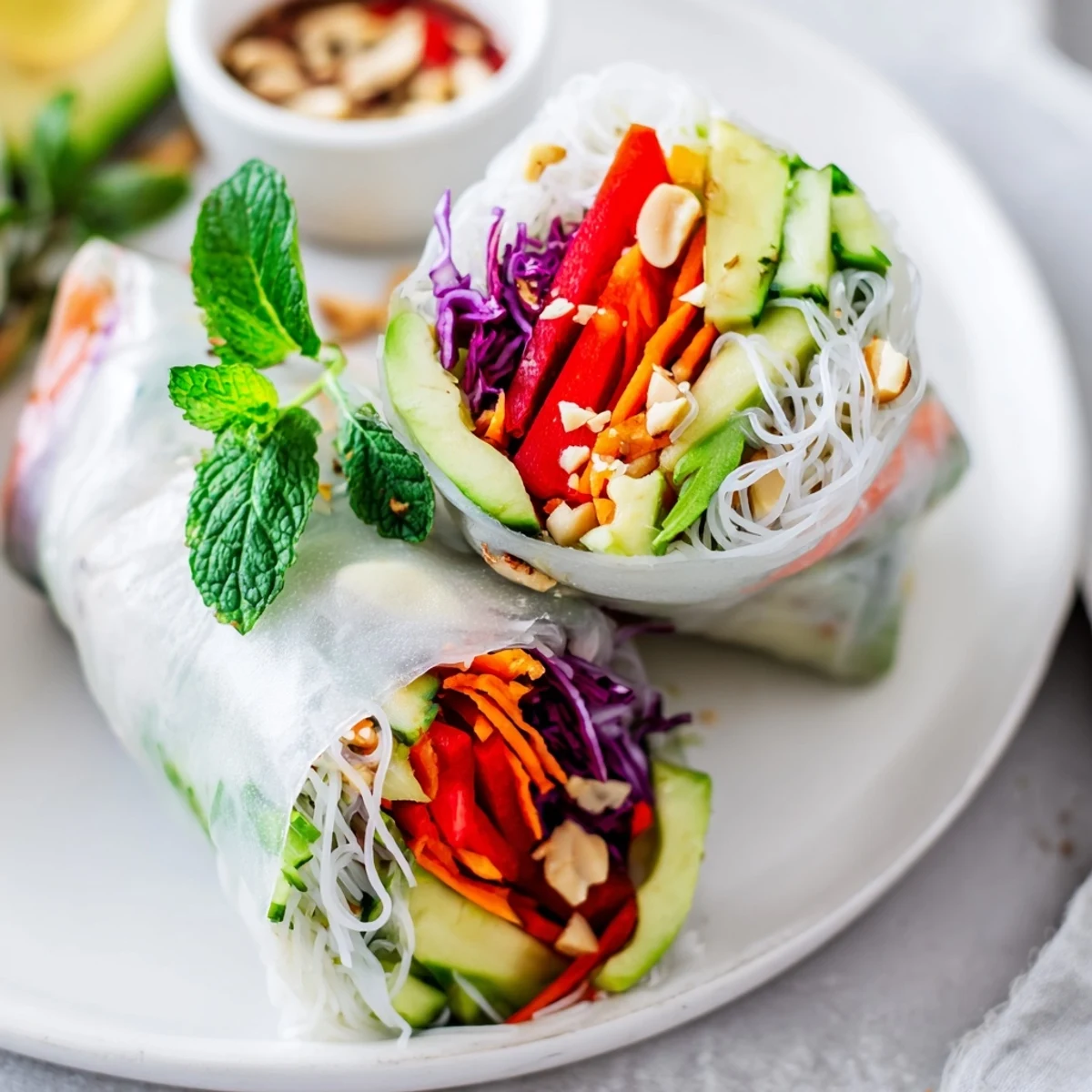
- Arrange the finished rolls on a plate seam side down, pour the sauce into a small dish, and bring everything to the table while the wrappers are still supple and the vegetables are at their crispest.
 Pin It
 I once packed a container of these for a long train ride and spent half the trip sharing them with a curious stranger in the seat beside me. Food has a way of opening conversations that nothing else can. She asked for the recipe before we reached our stop.
Getting the Roll Tight Without Tearing It
The most common mistake is overstuffing the wrapper, which causes it to split down the side during rolling. Use less filling than you think you need, about a quarter cup total per roll, and press it gently into a compact log shape before you begin folding. The first roll you make will probably look messy, and that is perfectly fine because it still tastes exactly the same as the pretty ones.
Keeping Them Fresh For Later
If you are not serving the rolls right away, lay a clean damp kitchen towel over the plate and tuck the whole thing into the refrigerator. They will hold for a few hours this way, though the avocado may darken slightly and the wrappers will gradually lose that delicate suppleness. I have tried wrapping them individually in plastic and honestly the damp towel method works better and creates less waste.
Variations Worth Trying
Once you feel confident with the basic technique, start experimenting with different fillings based on what you have on hand. The rolls are forgiving and adaptable, which makes them a brilliant fridge cleanout meal disguised as something elegant.
- Press extra firm tofu and cut it into thin strips for a satisfying plant based protein addition.
- Tuck in a handful of bean sprouts or shredded lettuce if you want more crunch in every bite.
- Squeeze a thin line of sriracha inside the roll before closing it if your guests enjoy a bit of fire.
 Pin It
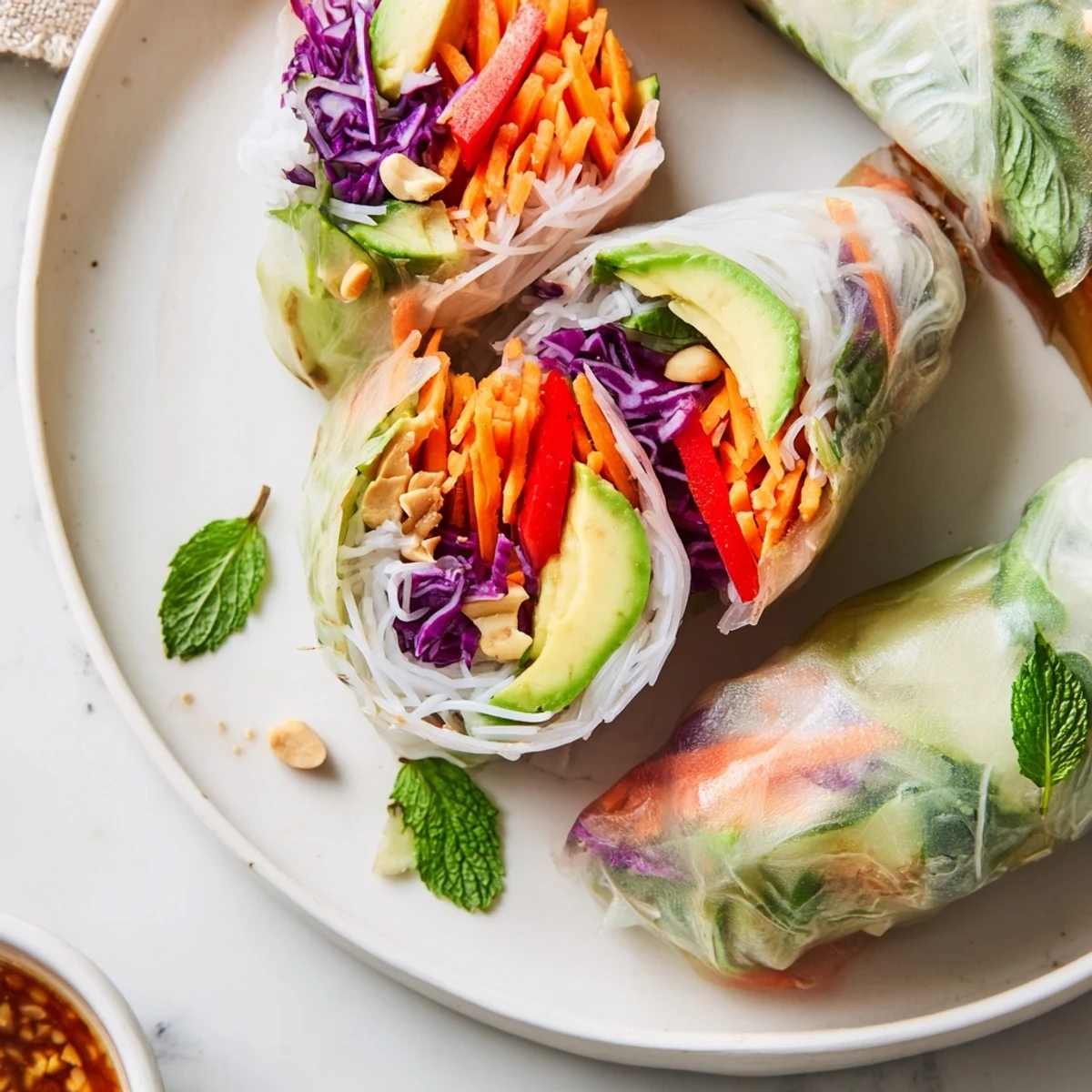
 There is a quiet kind of joy in arranging a plate of these rolls, watching the light glow through the thin rice paper, and knowing you made something beautiful from almost nothing. Share them with someone and they will remember the gesture longer than the food.
Recipe Questions & Answers
- → How long should I soak rice paper so it’s pliable but not mushy?
-
Submerge each wrapper in warm water for about 10–15 seconds until it softens but still holds structure. Lift it briefly and place on a damp surface to finish softening while you assemble the fillings; avoid over-soaking to prevent tearing.
- → How can I keep rolls from getting soggy before serving?
-
Keep fillings well-drained and pat vegetables dry. Roll tightly and line finished rolls on a plate with a damp towel underneath, covering them with another damp towel until serving. Serve within a few hours for best texture.
- → What can I add for protein without changing flavor balance?
-
Add pressed and pan-fried tofu, grilled shrimp, or thinly sliced cooked chicken. Marinate proteins lightly in tamari and sesame oil to complement the soy-ginger dipping sauce without overpowering the fresh vegetables.
- → Any tips for neat, compact rolling?
-
Place fillings along the lower third of the wrapper, fold the sides in first, then tuck the bottom edge over the filling and roll tight like a burrito. Keep fillings compact and avoid overfilling to prevent splitting.
- → Can I swap the dipping sauce ingredients?
-
Yes. Use tamari or gluten-free soy as the base and adjust acidity with rice vinegar or lime juice. Swap maple for honey or add chili oil or sriracha for heat. Top with chopped peanuts or sesame seeds if desired.
- → Are there texture variations to try?
-
For extra crunch add lettuce leaves, bean sprouts or toasted sesame seeds. For creaminess include ripe avocado or a smear of almond butter in the sauce. Adjust textures to contrast crisp vegetables with soft avocado and tender noodles.