
 Pin It
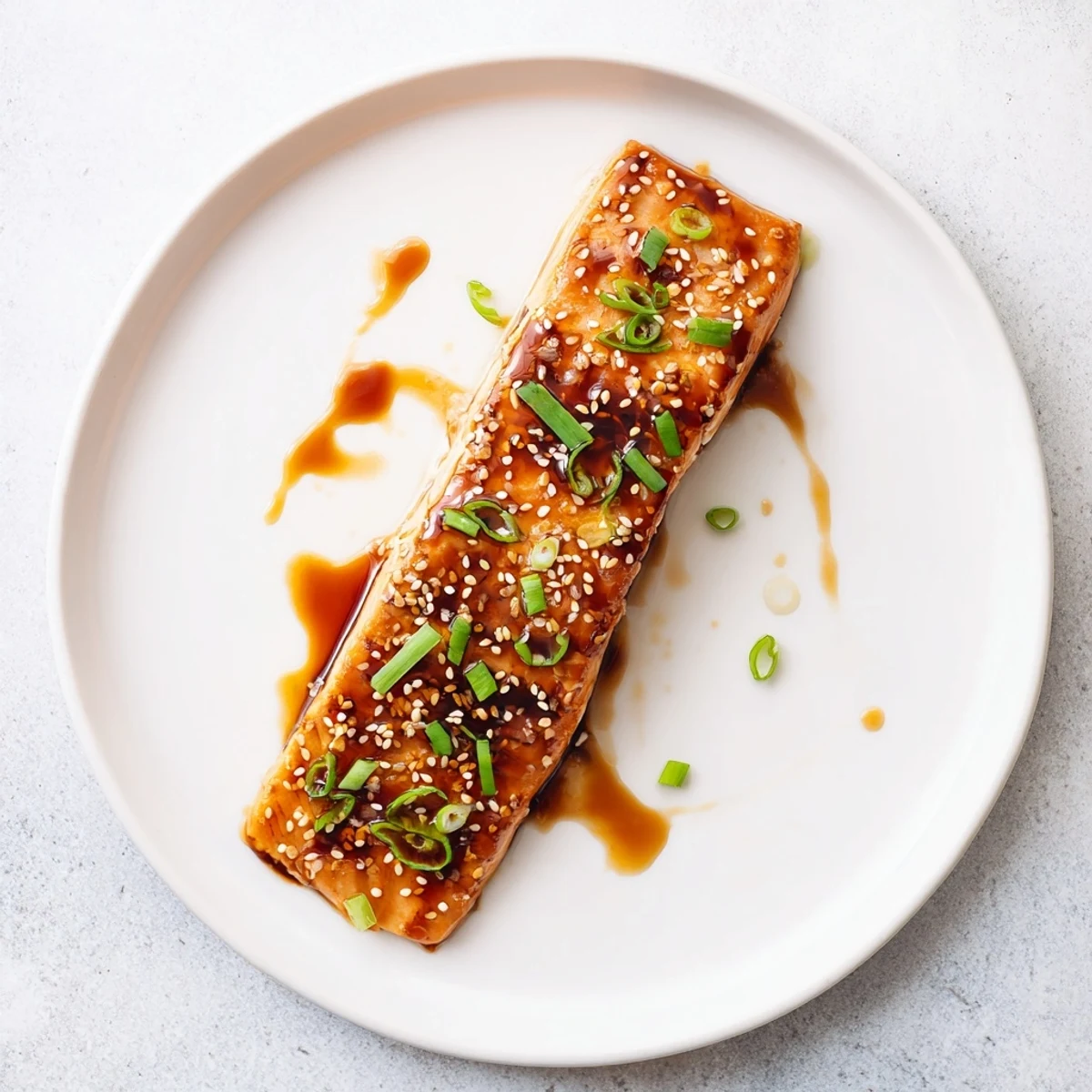
 This gluten-free teriyaki salmon brings together succulent skin-on fillets with a homemade sauce made from tamari, maple syrup, rice vinegar, and sesame oil. The sauce simmers until thickened with a cornstarch slurry, then gets brushed generously over the salmon before baking at 200°C for 12-15 minutes.
Ready in just 25 minutes from start to finish, it's an ideal weeknight dinner that doesn't sacrifice flavor. Garnish with toasted sesame seeds and spring onions, and serve alongside steamed jasmine rice or sautéed vegetables for a complete meal.
The sizzle of salmon hitting a hot pan is one of those sounds that makes everyone in the house wander toward the kitchen, pretending they need a glass of water. My neighbor actually knocked on my door once asking what I was cooking because the teriyaki aroma had drifted through the shared hallway. That was the evening I realized this gluten free version had become more than just a weeknight fallback.
I started making this when a friend with celiac disease came for dinner and I panicked at the thought of serving plain fish with lemon. We ended up standing in the kitchen eating straight from the baking tray because neither of us wanted to wait for plates. Now it is the dish she texts me about every few weeks, usually with a photo and a caption about how hers never looks as shiny.
Ingredients
- 4 skin on salmon fillets (about 150g each): Skin on holds together beautifully during baking and crisps up underneath if you broil the last minute.
- 60 ml gluten free tamari: Tamari delivers that deep umami punch without the wheat found in standard soy sauce, and certified gluten free matters here more than you think.
- 60 ml pure maple syrup: Maple gives a rounder, more complex sweetness than refined sugar and helps the glaze caramelize evenly.
- 2 tbsp rice vinegar: A gentle acidity balances the sweetness and keeps the sauce from feeling one dimensional.
- 1 tbsp sesame oil: Just a small amount adds an unmistakable toasty aroma that ties everything to its Asian roots.
- 2 cloves garlic, minced: Fresh garlic melted into the sauce creates a savory backbone you cannot replicate with powder.
- 1 tsp fresh ginger, grated: Ginger adds warmth and a slight kick that wakes up the whole dish without overpowering it.
- 1 tsp cornstarch plus 2 tsp cold water: This slurry is the secret to turning a thin liquid into a sauce that clings to every fold of the fish.
- 1 tsp toasted sesame seeds: They bring a subtle crunch and visual appeal that makes the dish feel finished.
- 2 spring onions, thinly sliced: Scattered on top at the last second, they add a fresh bite and a pop of green.
Instructions
- Build the sauce base:
- In a small saucepan, stir together the tamari, maple syrup, rice vinegar, sesame oil, garlic, and ginger. Set it over medium heat and let it come to a gentle simmer, stirring occasionally so nothing catches on the bottom.
- Thicken with a slurry:
- In a tiny bowl, whisk the cornstarch into cold water until completely smooth, then pour it into the simmering sauce while whisking constantly. Keep stirring for about two minutes until it coats the back of a spoon and looks glossy.
- Prepare the oven and tray:
- Heat your oven to 200 degrees Celsius and line a baking tray with parchment paper so the salmon lifts off effortlessly after baking.
- Glaze the salmon:
- Lay the fillets skin side down on the tray and brush them generously with the teriyaki sauce, saving a little extra for serving. Do not be shy here because some of it will bake into a gorgeous sticky layer.
- Bake until perfectly flaky:
- Slide the tray into the oven and bake for twelve to fifteen minutes, checking at the twelve minute mark by pressing gently on the thickest part to see if it flakes easily.
- Finish and serve:
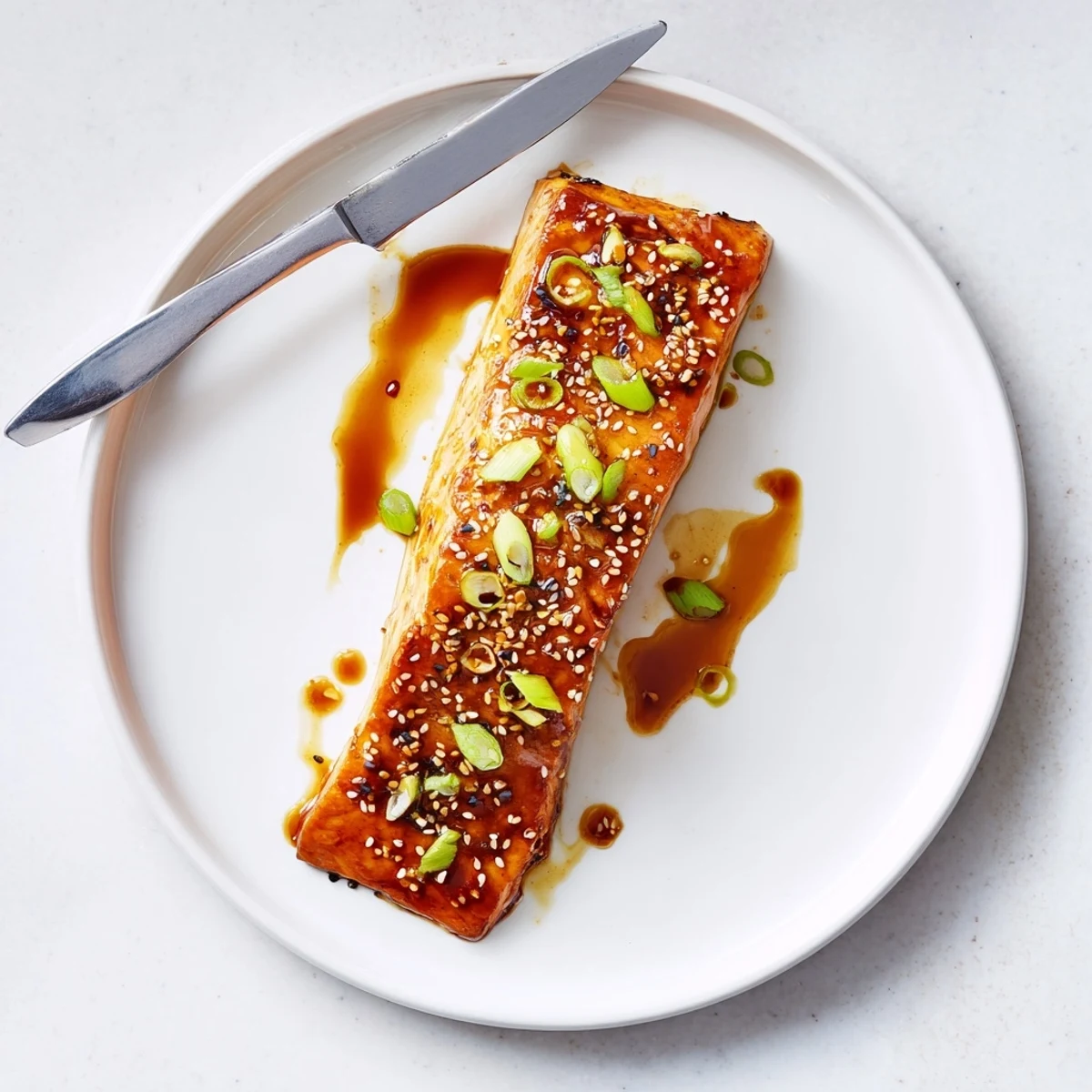
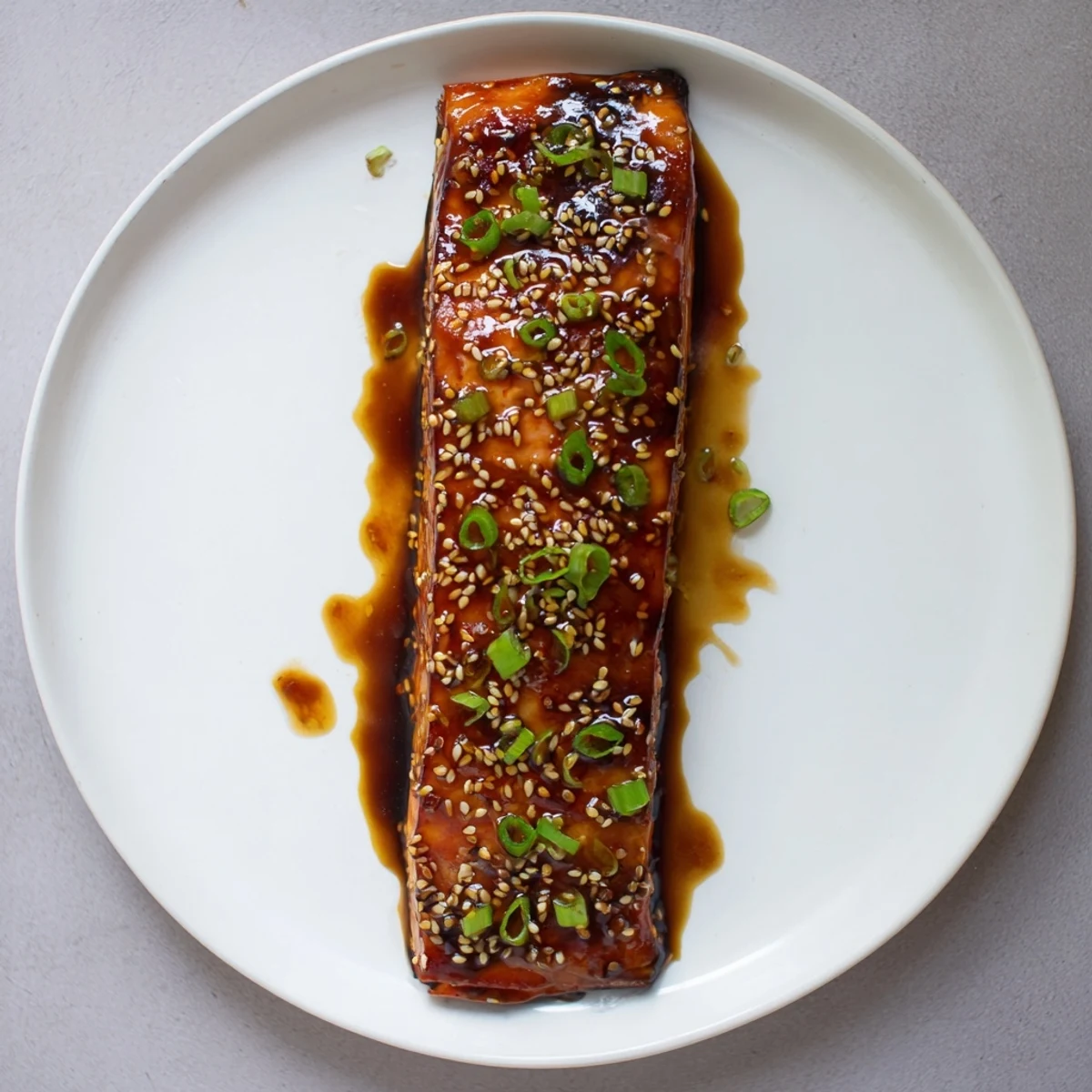
- Transfer the salmon to plates, scatter with sesame seeds and spring onions, and drizzle any reserved sauce over the top for extra indulgence.
 Pin It
 There was a rainy Sunday when I made this for myself with no plan beyond sweatpants and a movie, and halfway through I realized I had accidentally created my own comfort food tradition. Sometimes the best meals are not the ones you plan for company but the ones you throw together because you deserve something good on a quiet night.
What to Serve Alongside
Steamed jasmine rice is the obvious choice because it soaks up every drop of extra sauce, but a bed of sauteed bok choy or snap peas also works beautifully if you want something lighter. I have even served it over cold soba noodles in summer and the contrast of warm fish against cool noodles is surprisingly satisfying.
Making It Your Own
A pinch of red chili flakes stirred into the sauce adds a slow building heat that changes the whole character without much effort. You can swap maple syrup for honey if you prefer a more floral sweetness, and both versions taste so good that I usually just use whichever is closer in the pantry.
Tools That Actually Help
You do not need much to make this work, but a good saucepan with a heavy bottom keeps the sauce from scorching. Beyond that, a reliable baking tray and a silicone pastry brush for glazing make the whole process smoother.
- Parchment paper saves you from scrubbing baked on glaze off the tray later.
- A small whisk incorporates the cornstarch slurry without lumps forming.
- Keep a fork handy near the oven to test for flakiness right on time.
 Pin It
 This is the kind of recipe that earns a permanent spot in your rotation because it is fast, forgiving, and always tastes like you tried harder than you actually did. Share it with someone who thinks gluten free cooking is boring and watch them change their mind.
Recipe Questions & Answers
- → Can I use regular soy sauce instead of tamari?
-
Regular soy sauce contains gluten, so it won't work for a gluten-free dish. Tamari is a Japanese soy sauce alternative that is typically gluten-free. Always check the label to ensure it is certified gluten-free, as some tamari brands may still contain trace amounts of wheat.
- → How do I know when the salmon is cooked through?
-
The salmon is done when it flakes easily with a fork. This typically takes 12-15 minutes in a 200°C (400°F) oven. The internal temperature should reach 63°C (145°F) for perfectly cooked, moist salmon that is still slightly pink in the center.
- → Can I substitute honey for maple syrup in the teriyaki sauce?
-
Yes, honey works well as a direct substitute for maple syrup. It will provide a slightly different sweetness profile and a more traditional teriyaki flavor. Use the same amount called for in the ingredients list.
- → What should I serve with teriyaki salmon?
-
Steamed jasmine rice is a classic pairing that soaks up the extra teriyaki sauce beautifully. Sautéed vegetables like bok choy, broccoli, or snap peas also complement the dish well. For a lighter option, try serving it over a bed of mixed greens or cauliflower rice.
- → Can I pan-sear the salmon instead of baking it?
-
Absolutely. Heat a tablespoon of oil in an oven-safe skillet over medium-high heat, sear the salmon skin-side up for 3-4 minutes, then flip and add the teriyaki sauce. You can finish it in the oven or continue on the stovetop until the salmon is cooked through and the sauce has glazed nicely.
- → How should I store leftover teriyaki salmon?
-
Store leftovers in an airtight container in the refrigerator for up to 3 days. Reheat gently in the oven at 160°C (325°F) or in a skillet over low heat to avoid overcooking the salmon. The teriyaki sauce can be stored separately and reheated in a small saucepan.