
 Pin It
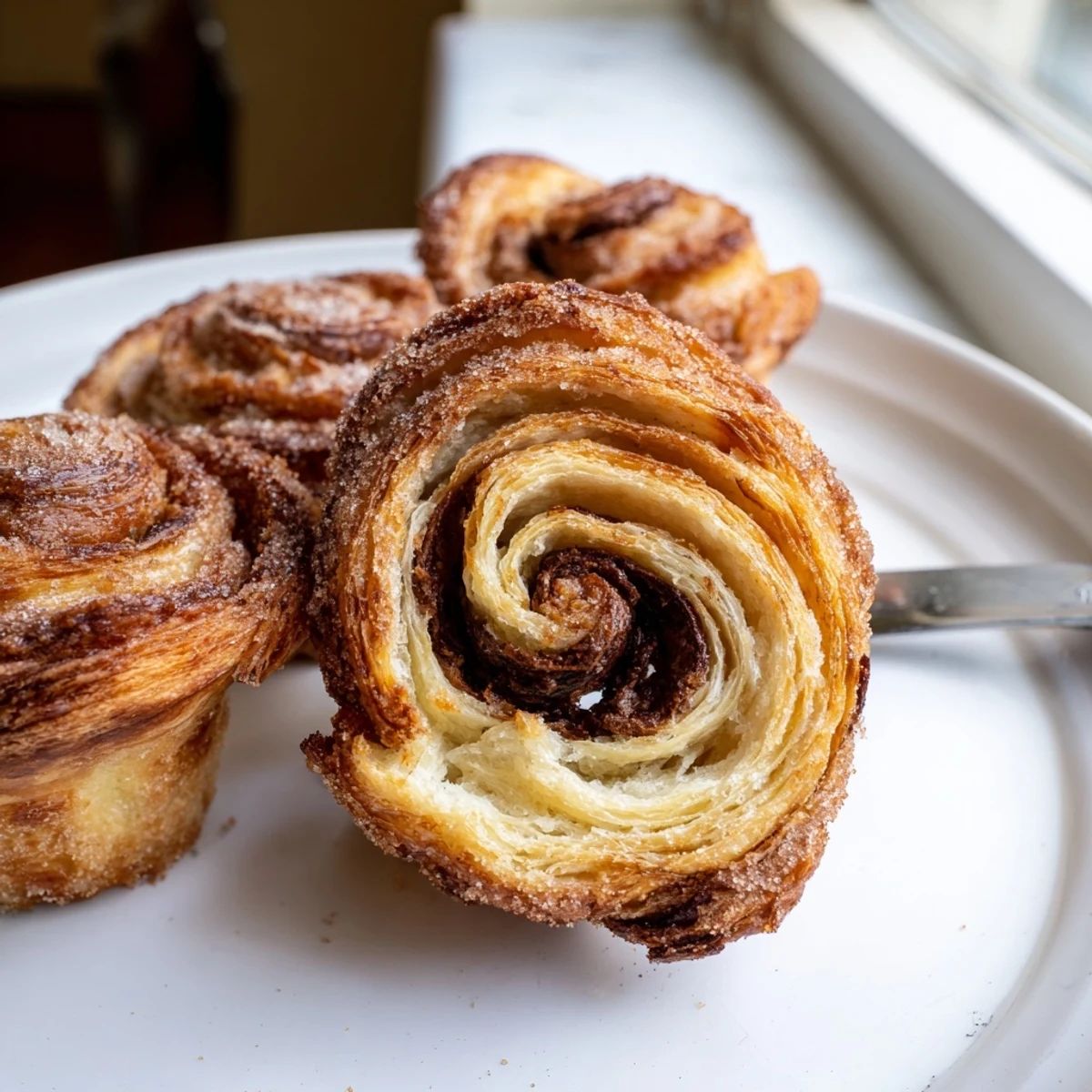
 Cruffins bring together the best of croissants and muffins in one irresistible pastry. Made with laminated yeast dough folded with generous layers of butter, they bake up incredibly flaky and golden in a standard muffin tin.
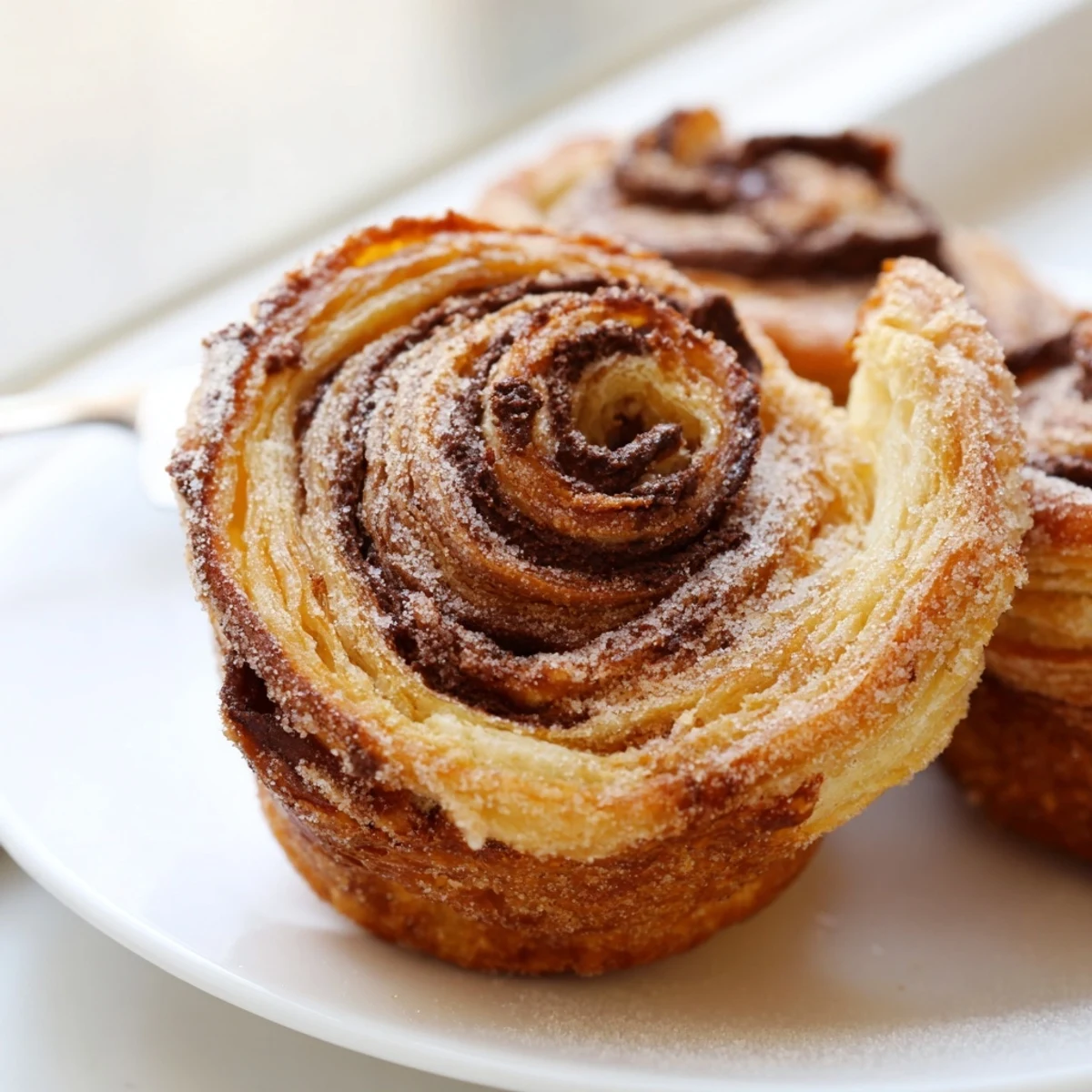
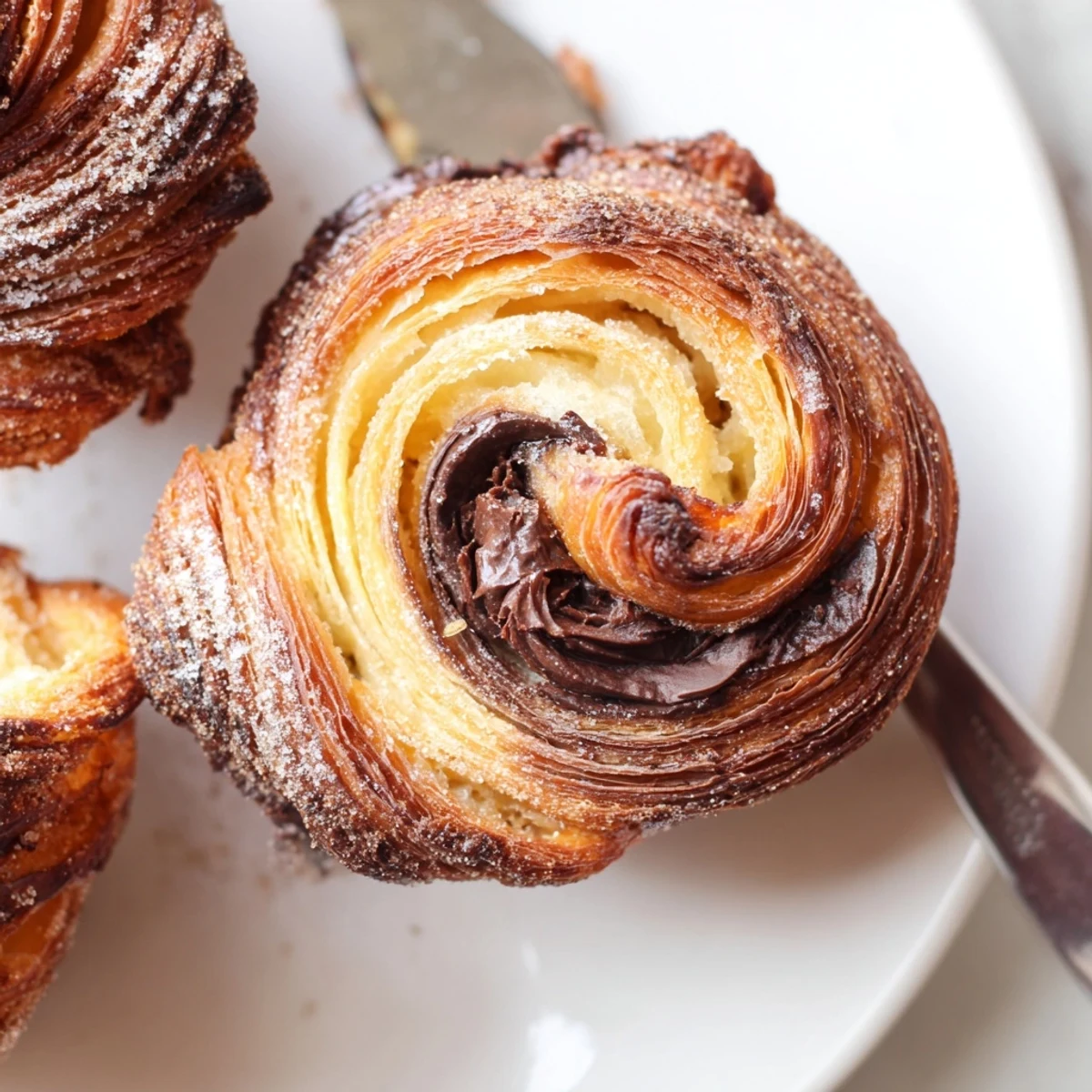
The real magic lies in the endless filling possibilities — from cinnamon sugar and chocolate spread to fruit preserves and lemon curd. Each cruffin is rolled into a tight spiral, split to expose those gorgeous layered interiors, and twisted into the muffin cavity for a stunning presentation.
Plan ahead for the rising and chilling steps, as the lamination process requires patience. The payoff is a bakery-quality pastry that will impress at any breakfast, brunch, or afternoon gathering.
The kitchen smelled like a butter factory had collided with a bakery, and I was absolutely not mad about it. My first attempt at cruffins happened on a rainy Saturday when I had convinced myself that laminating dough at home would be no big deal. Three folds, two chilling sessions, and one minor meltdown later, I pulled golden spiraling pastries from the oven that made the entire afternoon worth every flour dusted surface. That day marked the beginning of a serious obsession.
I brought a batch to a friends brunch potluck expecting polite compliments and instead watched three people abandon their conversation mid sentence to grab a second one. Someone actually asked which artisan bakery I had ordered from, and the look on their face when I said I made them at home was genuinely priceless.
Ingredients
- 500 g all purpose flour: Regular flour works perfectly here, so do not overthink it. Just spoon it into your measuring cup gently and level it off for accuracy.
- 60 g granulated sugar: A modest amount that sweetens the dough without tipping it into dessert territory before you even add fillings.
- 10 g instant dry yeast: Instant yeast saves you a proofing step and blends right into your dry ingredients without waiting for bubbles.
- 10 g fine sea salt: Do not skip this. Salt carries the butter flavor and without it your cruffins will taste oddly flat.
- 250 ml warm milk: Think baby bottle warm, not hot cocoa. If the milk is too hot it will kill the yeast and your dough will never rise.
- 1 large egg: Adds richness and helps bind the dough together into something smooth and cooperative.
- 50 g unsalted butter, softened: This goes into the dough itself and keeps it tender. Save the good stuff for the butter layer.
- 200 g unsalted butter for the layer: This is the heart of the lamination process. Use high quality European style butter if you can find it because higher fat content means flakier layers.
- Optional fillings and toppings: Cinnamon sugar for rolling, chocolate spread, fruit preserves, lemon curd, or pastry cream. Pick one or mix and match to your hearts content.
Instructions
- Make the dough:
- Combine the flour, sugar, yeast, and salt in a large bowl. Whisk the warm milk and egg together, then pour them into the dry ingredients and stir until a shaggy mass forms. Add the softened butter and knead for about 8 to 10 minutes until the dough turns smooth and slightly tacky but not sticky. Cover the bowl tightly and let it rise in a warm spot for one hour or until it has roughly doubled in size.
- Build the butter layer:
- Lay a sheet of parchment on your counter and place the room temperature butter in the center. Roll it out into a neat rectangle about 20 by 25 centimeters, then slide it onto a tray and chill it in the fridge until it is firm but still pliable when you gently press it with your finger.
- Laminate the dough:
- Roll your risen dough out on a lightly floured surface into a large rectangle roughly 40 by 30 centimeters. Set the chilled butter rectangle over one half of the dough, then fold the other half on top like closing a book. Roll this out gently and evenly, then fold it into thirds like a letter, wrap it loosely, and chill for 20 minutes. Repeat this rolling and folding sequence two more times, chilling between each round.
- Shape the cruffins:
- Roll the laminated dough out one final time into that same 40 by 30 centimeter rectangle and trim the ragged edges with a sharp knife so the layers look clean. Cut the dough into 12 even vertical strips. If you want a filling, spread a thin layer of chocolate or jam down the center of each strip now.
- Roll and twist:
- Take each strip and roll it up tightly from one end to the other so it looks like a tiny spiral snail. Take a sharp knife and cut each spiral in half lengthwise so the beautiful flaky layers are exposed. Twist each half into a loose, messy knot and drop it into a greased muffin tin cavity with the cut side facing up.
- The final rise:
- Cover the muffin tin loosely with a clean towel or plastic wrap and set it somewhere warm for 45 to 60 minutes. The cruffins should look visibly puffy and relaxed when they are ready.
- Bake them golden:
- Preheat your oven to 200 degrees Celsius or 390 degrees Fahrenheit. Slide the tin onto the middle rack and bake for 20 to 25 minutes until the cruffins are a deep, burnished golden brown and sound slightly hollow when you tap the tops. Every oven runs differently, so start checking at the 20 minute mark.
- Finish with flair:
- While the cruffins are still warm, brush them lightly with melted butter and roll them in cinnamon sugar if you are going that route. Let them cool in the tin for just a few minutes before transferring them to a wire rack so the bottoms do not steam and go soft. Serve them plain or pipe in your favorite filling for a truly over the top treat.
 Pin It
 The moment someone bites into a cruffin and their eyes go wide with surprise at the sheer number of flaky layers is when you realize this recipe is more than a project, it is a genuine gift to share.
Choosing Your Fillings
Stick with one filling per batch for your first try so you can nail the technique without juggling too many variables. Once you feel confident, half a tin of raspberry jam cruffins and half chocolate cruffins makes for a beautifully varied spread that looks like it came from a professional pastry case.
Storing and Reheating
Cruffins are absolutely at their peak within a few hours of baking when the exterior still has a slight crunch and the interior practically melts. If you must store them overnight, wrap them loosely and reheat in a 150 degree Celsius oven for about five minutes the next morning to coax back some of that original magic.
Tools That Make This Easier
A stand mixer with a dough hook handles the initial kneading beautifully and saves your arms for all the rolling that comes later. Beyond that, keep a sharp knife or pizza cutter handy for clean strips, and definitely use a standard 12 cavity muffin tin rather than jumbo or mini sizes. A pastry brush for the butter finish is a small tool that makes a surprisingly big difference in how evenly the sugar adheres.
- Parchment paper under the butter layer while rolling it out saves you from a greasy counter catastrophe.
- A bench scraper helps lift the delicate laminated dough without stretching or tearing those precious layers.
- Always grease your muffin tin generously even if it claims to be nonstick because baked on butter layers are remarkably stubborn.
 Pin It
 Share these warm, pull apart pastries with anyone you love, and watch an ordinary morning transform into something worth remembering.
Recipe Questions & Answers
- → What is a cruffin?
-
A cruffin is a hybrid pastry combining the flaky, laminated dough of a croissant with the shape and convenience of a muffin. The dough is rolled, folded with butter layers, then shaped in a muffin tin for a stunning spiral appearance.
- → Can I prepare the dough the night before?
-
Yes, you can refrigerate the dough after the lamination folds and let it rest overnight. This slow cold proof actually improves flavor development. Simply bring it to room temperature before shaping and proceeding with the final rise.
- → Why is my dough not rising properly?
-
Ensure your yeast is fresh and the warm milk is between 35°C and 40°C — too hot will kill the yeast. Also verify your rising environment is draft-free and comfortably warm. Cold kitchens can significantly slow proofing times.
- → What fillings work best inside cruffins?
-
Chocolate spread, fruit preserves, lemon curd, and pastry cream all work beautifully. Avoid overly wet fillings that could sog the dough. For extra indulgence, pipe Nutella or pistachio paste into the baked cruffins using a piping bag.
- → How do I store leftover cruffins?
-
Cruffins are best enjoyed the same day they are baked. Store any leftovers in an airtight container at room temperature and refresh in a warm oven at 160°C for about 5 minutes to restore some of the original flakiness.
- → Can I freeze cruffins?
-
Yes, you can freeze baked cruffins wrapped tightly in plastic wrap for up to one month. Thaw at room temperature and reheat briefly in the oven to bring back some of the flaky texture before serving.
- → Why does the butter need to be room temperature for lamination?
-
The butter must be pliable but still cool so it spreads evenly between dough layers without melting or tearing the dough. If the butter is too warm, it will seep out during folding. If too cold, it will crack and create uneven layers.