 Pin It
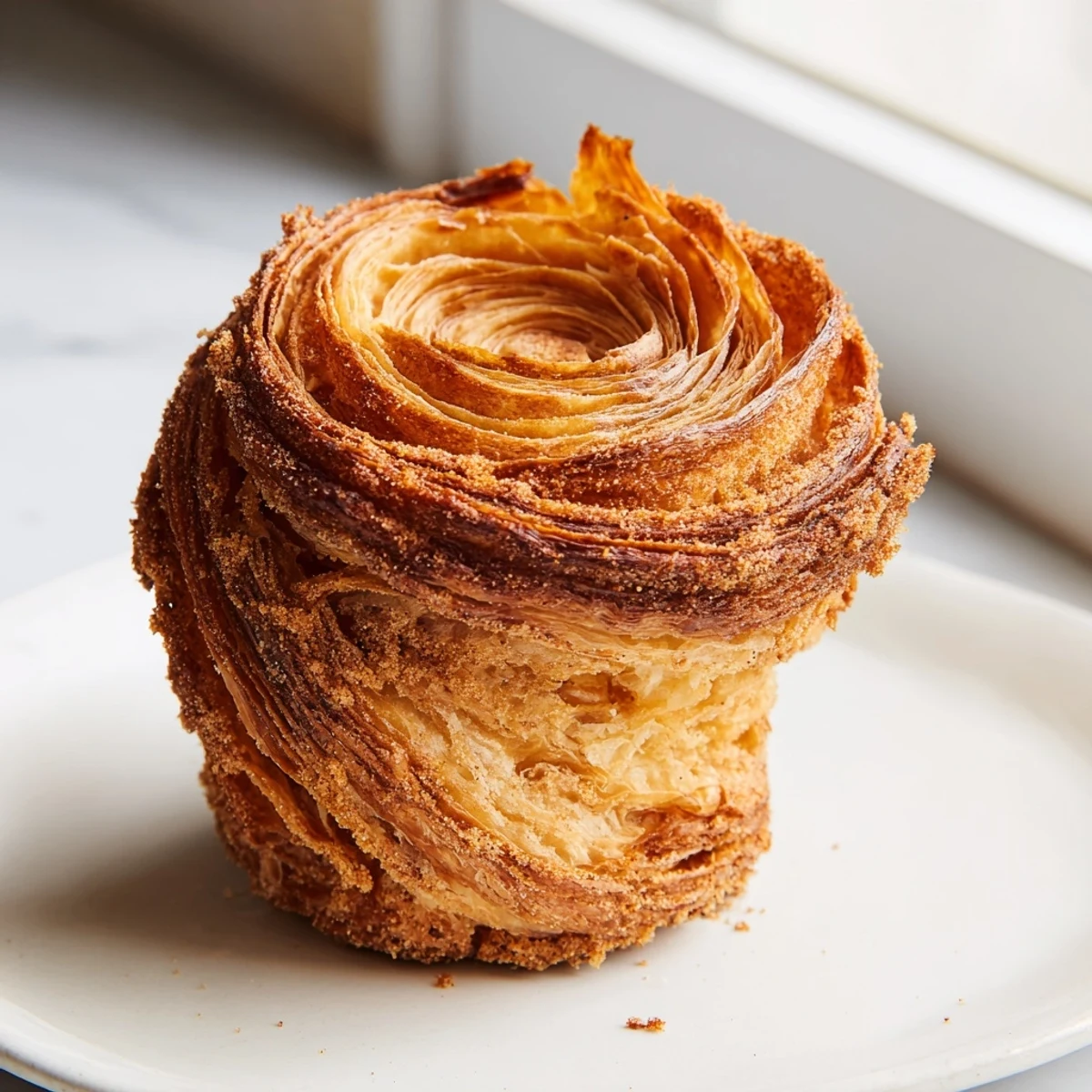
 Cruffins are the beautiful love child of a croissant and a muffin — think shatteringly flaky, buttery layers spiraled into a portable muffin shape. Making them at home requires laminating yeast dough with a butter block, then cutting, twisting, and coiling strips into a muffin tin.
Plan ahead for resting and chilling time — about three hours total — but only one hour is hands-on. The dough comes together with basic pantry staples: flour, yeast, milk, and a generous amount of butter. A cinnamon-sugar coating finishes them off beautifully.
They're best served warm on the day they're baked, when the layers are at their crispiest and the buttery aroma is irresistible.
The exhaust fan was broken the morning I decided cruffins were a good idea, so my tiny kitchen filled with butter fog so thick I could barely see the oven door. Three hours later, surrounded by flour dust and more than a few questionable folds, I pulled out twelve golden spirals that looked almost too pretty to eat. Almost. My neighbor knocked within ten minutes, drawn by the smell curling under her door, and we sat on the floor eating them warm with coffee because I had not done dishes in a week.
I made a batch for a charity bake sale last spring and watched a woman buy four, eat one standing right there, then come back for two more before the table even officially opened. That moment sealed it. These little pastries have a gravitational pull that no one seems to resist.
Ingredients
- 375 g all purpose flour: Regular flour works perfectly here because the butter layer does the heavy lifting for flakiness.
- 7 g instant yeast: Instant yeast means no blooming step, just toss it straight in with the dry ingredients.
- 40 g granulated sugar: Just enough sweetness in the dough without competing with whatever topping you choose.
- 8 g salt: Do not skip or reduce this, the salt balances the butter and makes every layer taste richer.
- 180 ml lukewarm water: Think warm bath temperature, hot water will kill your yeast stone dead.
- 70 ml whole milk lukewarm: Whole milk gives the crumb a tenderness that water alone cannot achieve.
- 30 g unsalted butter melted: This enriches the base dough and keeps it soft during the initial rise.
- 150 g unsalted butter room temperature: This is your lamination butter and it needs to be pliable but not melting, think the texture of firm cream cheese.
- 60 g granulated sugar for topping: Plain granulated sugar gives the best crunch on the outside.
- 1 tsp ground cinnamon: Mixed into the sugar it creates a coating that smells like a bakery in full swing.
Instructions
- Build the dough:
- Combine flour, yeast, sugar, and salt in a large bowl, then pour in the lukewarm water, milk, and melted butter. Stir until a shaggy dough comes together and pulls away from the sides of the bowl.
- Knead and rest:
- Knead for five to seven minutes until the dough feels smooth and springs back when you poke it gently with your finger. Cover the bowl with a damp towel and let it rise somewhere warm for one hour until doubled.
- Prepare the butter block:
- Place the butter between two sheets of parchment paper and beat it with a rolling pin until it forms a fifteen by twenty centimeter rectangle. Chill it in the fridge but pull it out before it gets rock hard.
- First fold:
- Roll the risen dough into a large rectangle about thirty by fifty centimeters and spread the butter sheet evenly across the surface. Fold it like a letter into thirds, rotate ninety degrees, roll out again, and fold once more before wrapping and chilling for one hour.
- Cut and shape:
- Roll the chilled dough out to the same large rectangle and cut it into twelve even strips lengthwise. Take one strip, roll it up tightly like a little snail, then cut it straight down the middle to expose all those gorgeous layers.
- Coil into the tin:
- Twist each half into a loose spiral and coil it into a greased muffin cavity with the cut layers facing outward so they fan open beautifully as they bake.
- Final rest and bake:
- Cover the tin loosely and let the shaped cruffins puff up for forty five minutes to one hour at room temperature. Bake in a preheated oven at 200 degrees for eighteen to twenty two minutes until deeply golden and risen with visible layers.
- Finish and serve:
- Let them cool just long enough to handle, then roll the warm cruffins in cinnamon sugar if you are using it. Serve them warm or at room temperature the same day for the best texture.
 Pin It
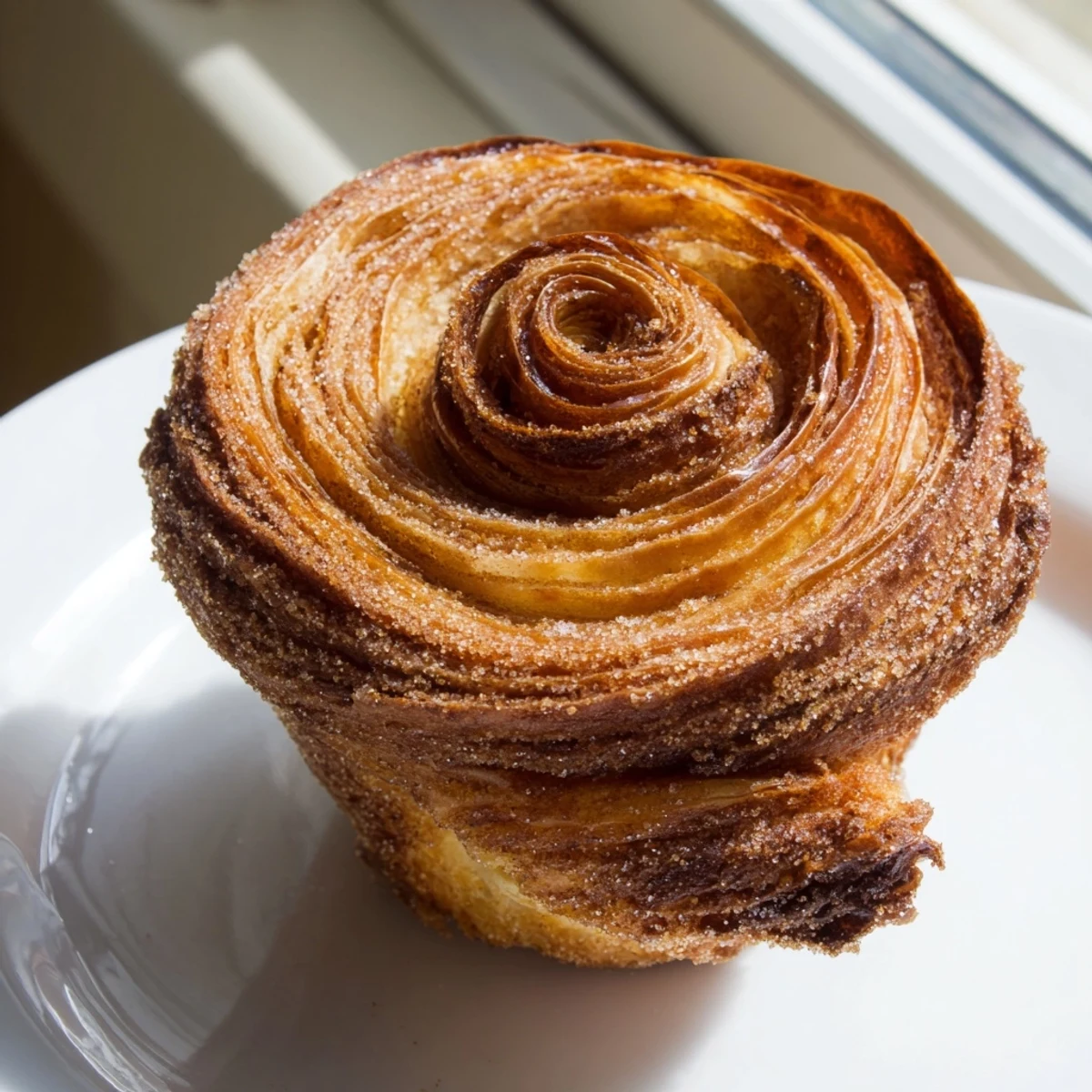
 A friend once told me that baking is just edible architecture, and standing over that muffin tin coiling buttery dough into little spirals, I finally understood what she meant.
Getting the Layers Right
The first few times I made these I rushed the chilling step and ended up with cruffins that tasted fine but looked like deflated cinnamon rolls. Patience in the fridge is what gives you those dramatic, separate layers that pull apart. Think of it as giving the butter time to firm up so it creates steam pockets during baking instead of just melting into the dough.
Filling Variations Worth Trying
Once you master the basic technique the door is wide open for creativity. A thin smear of raspberry jam across the dough before rolling creates a fruity surprise inside, and a dusting of cocoa powder in the sugar coating makes them taste like something from a Parisian patisserie. I once brushed the strips with garlic herb butter for a savory version that disappeared faster than the sweet ones.
Storage and Reheating
Cruffins are at their absolute peak within two hours of baking when the exterior still has a slight crunch and the interior is soft and pulls apart in sheets. They will keep in an airtight container for up to two days but the layers soften over time. A quick stint in a low oven brings back some of that just baked magic.
- Never microwave them because it makes the butter layers greasy instead of flaky.
- If freezing, do it before the cinnamon sugar coating and add that after reheating.
- Always grease the muffin tin generously because baked in butter likes to stick stubbornly.
 Pin It
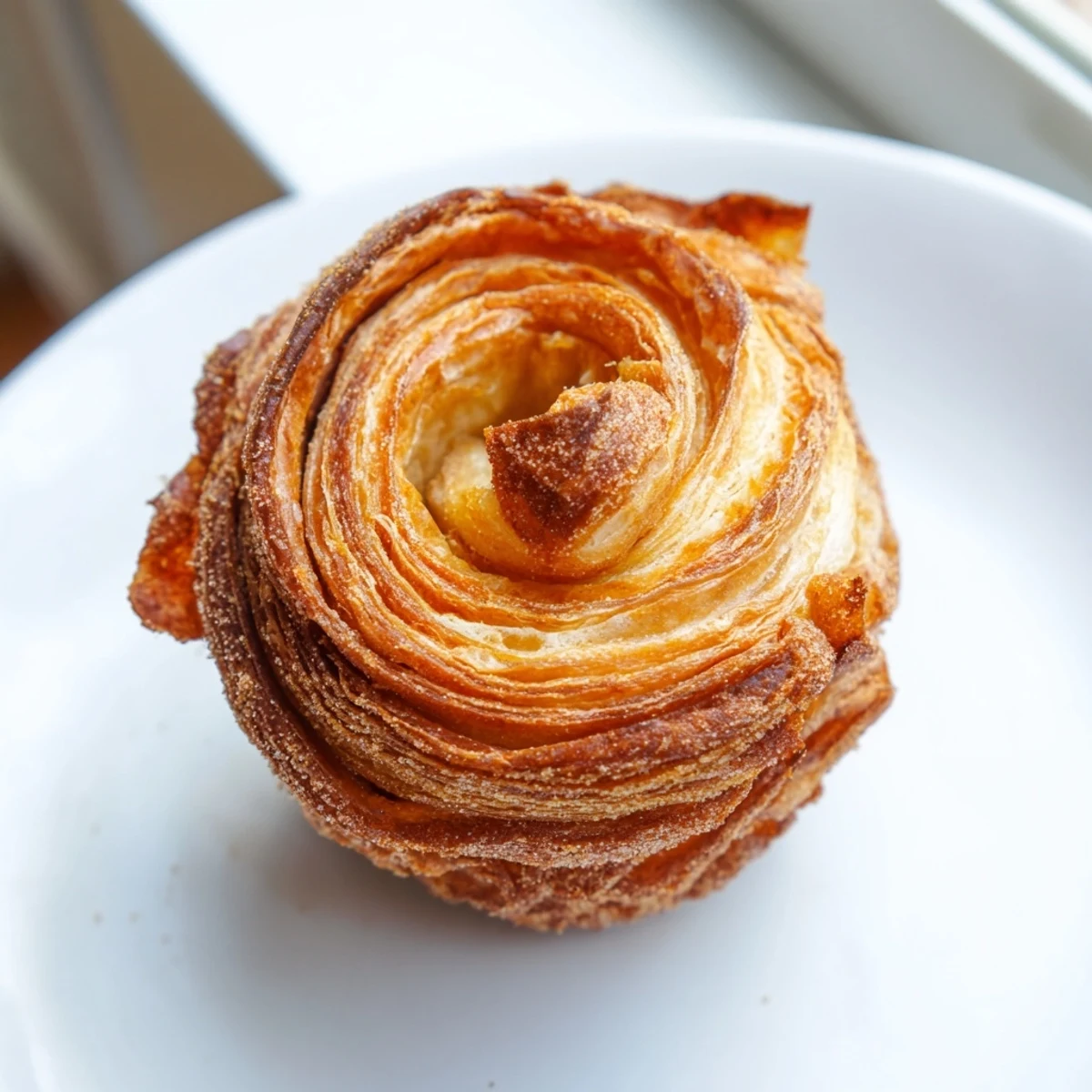
 Every cruffin that comes out of the oven with visible, flaky layers feels like a small triumph worth sharing with whoever happens to be nearby. Bake them once and they will become your most requested kitchen trick.
Recipe Questions & Answers
- → Can I make cruffin dough the night before?
-
Yes. After the initial lamination and folding steps, wrap the dough tightly and refrigerate overnight. Let it come to room temperature for about 20 minutes before rolling and shaping the next day.
- → Why is my butter layer tearing through the dough?
-
This usually happens when the butter is too cold or the dough is too warm. The butter should be pliable but not melted — roughly the same consistency as the dough. If it's too firm, let it sit at room temperature briefly before laminating.
- → Do I need a stand mixer to make cruffins?
-
No, you can knead the dough entirely by hand for 5 to 7 minutes until smooth and elastic. A stand mixer with a dough hook will save effort, but it's not required for this enriched dough.
- → How do I get more defined layers in my cruffins?
-
Keep the dough and butter at similar temperatures during lamination, and chill thoroughly between folds. When rolling strips, cut cleanly through the center with a sharp knife or dough scraper so the exposed layers remain distinct. Coiling tightly and placing layers facing outward in the tin also helps.
- → Can I freeze baked cruffins?
-
Yes, freeze them in an airtight container for up to one month. Reheat directly from frozen in a 175°C (350°F) oven for 8 to 10 minutes. The layers won't be quite as crisp as fresh, but they'll still be delicious.
- → What fillings work well inside cruffins?
-
Spread a thin layer of jam, Nutella, pastry cream, or lemon curd on the dough strips before rolling and cutting. Avoid overfilling, as it can leak out during baking and prevent proper layering.