
 Pin It
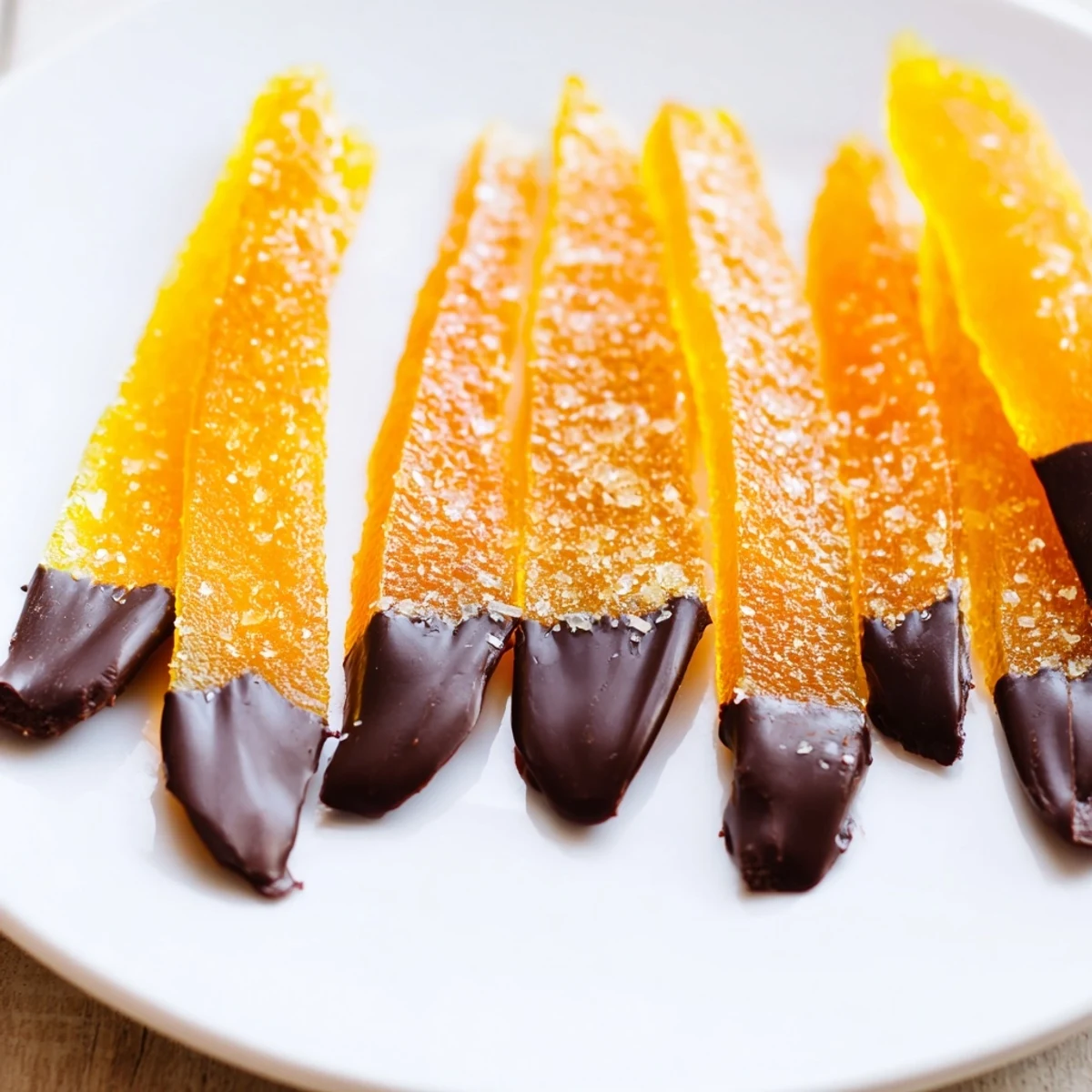
 These chocolate covered orange peels transform simple citrus into an elegant confection. Thin strips of organic orange peel are blanched to remove bitterness, then slowly simmered in sugar syrup until translucent and tender.
Once dried, each candied strip is dipped halfway into melted dark chocolate and left to set. The result is a beautiful balance of sweet, tangy citrus and rich, slightly bitter chocolate.
A classic European treat that requires just three main ingredients—making them perfect for homemade gifts, holiday platters, or an afternoon indulgence with espresso.
The smell of oranges simmering in sugar syrup is one of those things that makes people wander into the kitchen and ask what on earth you are making. I started making chocolate covered orange peels on a rainy Sunday when I had a bag of oranges and no particular plan for them. Three batches later, I was wrapping them in little bags for neighbors and pretending I had not eaten half of them myself. They are simple, a little messy, and completely worth every minute.
I brought a tin of these to a friends dinner party last winter and watched three grown adults abandon conversation to hover over the tray. One friend actually hid a few in her coat pocket for later and texted me the next morning asking for the recipe. That is the kind of treat this is.
Ingredients
- 3 large oranges (organic preferred): Organic matters here because you are eating the peel and you want to avoid any wax coatings or pesticide residue that can linger on the skin.
- 2 cups (400 g) granulated sugar: This forms the candy syrup that transforms bitter peel into something tender and sweet so do not skimp on the amount.
- 1 cup (240 ml) water: Just enough to dissolve the sugar and create a simmering bath for the peels.
- 200 g dark chocolate (60 to 70 percent cocoa) chopped: A good quality chocolate with at least 60 percent cocoa gives you that satisfying snap and balances the sweetness of the candied peel beautifully.
Instructions
- Prep the oranges:
- Wash each orange thoroughly under warm water scrubbing gently. Slice off the top and bottom then score the skin into four sections and peel away the skin with a generous layer of white pith attached because that part softens into a chewy center during candying.
- Cut into strips:
- Slice the peels into uniform strips about half a centimeter wide. Try to keep them roughly the same size so they cook evenly and look polished when you dip them later.
- Blanch the bitterness away:
- Drop the strips into a saucepan of cold water and bring it to a full boil then drain completely. Repeat this process two more times and you will notice the sharp medicinal bitterness fading with each round leaving behind pure citrus perfume.
- Make the syrup:
- In a clean saucepan combine the sugar and water and stir over medium heat until every grain dissolves and the liquid runs clear. Slide in the blanched peels and resist the urge to stir too aggressively.
- Simmer until translucent:
- Let the peels bubble gently uncovered for 45 to 60 minutes stirring only occasionally so they do not stick or break apart. You will know they are ready when they look glassy and feel tender when you pinch one.
- Dry the peels:
- Lift each strip out with tongs and lay them on a wire rack with space between so air can circulate. Leave them at room temperature for at least two hours though overnight gives you the best non sticky surface for chocolate dipping.
- Melt the chocolate:
- Set a heatproof bowl over a pot of barely simmering water making sure the bowl does not touch the water below. Add the chopped chocolate and stir gently until it melts into a glossy pool with no lumps remaining.
- Dip and set:
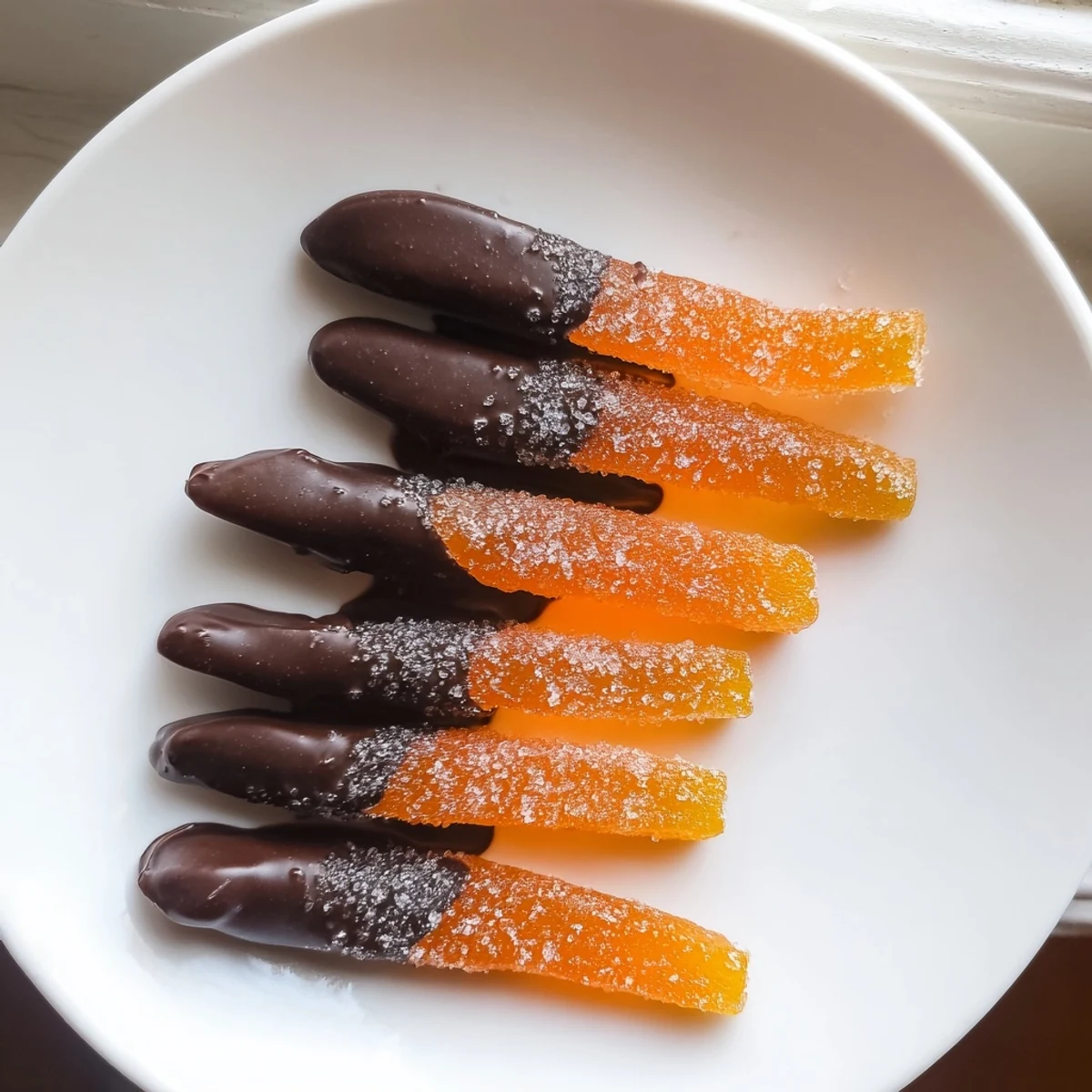
- Take each dried peel and dip it halfway into the chocolate letting the extra drip back into the bowl with a gentle shake. Lay them carefully on parchment paper and let the chocolate harden at room temperature or pop the tray in the fridge if you are impatient like me.
 Pin It
 There is something deeply satisfying about turning what most people throw away into something that feels luxurious and special. Every time I make these I think about how the best recipes often come from using the whole ingredient and letting simple techniques do the work.
Choosing the Right Chocolate
Spend a little extra on the chocolate because it is half of what you taste. I like something between 60 and 70 percent cocoa because it has enough bitterness to stand up to the sweet peel but is not so intense that it overwhelms the orange flavor. Taste your chocolate before you melt it and if you would happily eat it on its own it will work beautifully here.
Getting the Perfect Texture
The texture of the finished peel depends almost entirely on how long you simmer it and how well you dry it. Undercooked peels will be tough and leathery while overcooked ones turn mushy and fall apart when you try to dip them. Aim for that translucent glow and a gentle tenderness when you test one.
Serving and Gifting Ideas
These little treats are incredibly versatile when it comes to sharing them. Package them in small glassine bags tied with twine for a homemade gift or arrange them on a dessert board alongside fresh fruit and espresso.
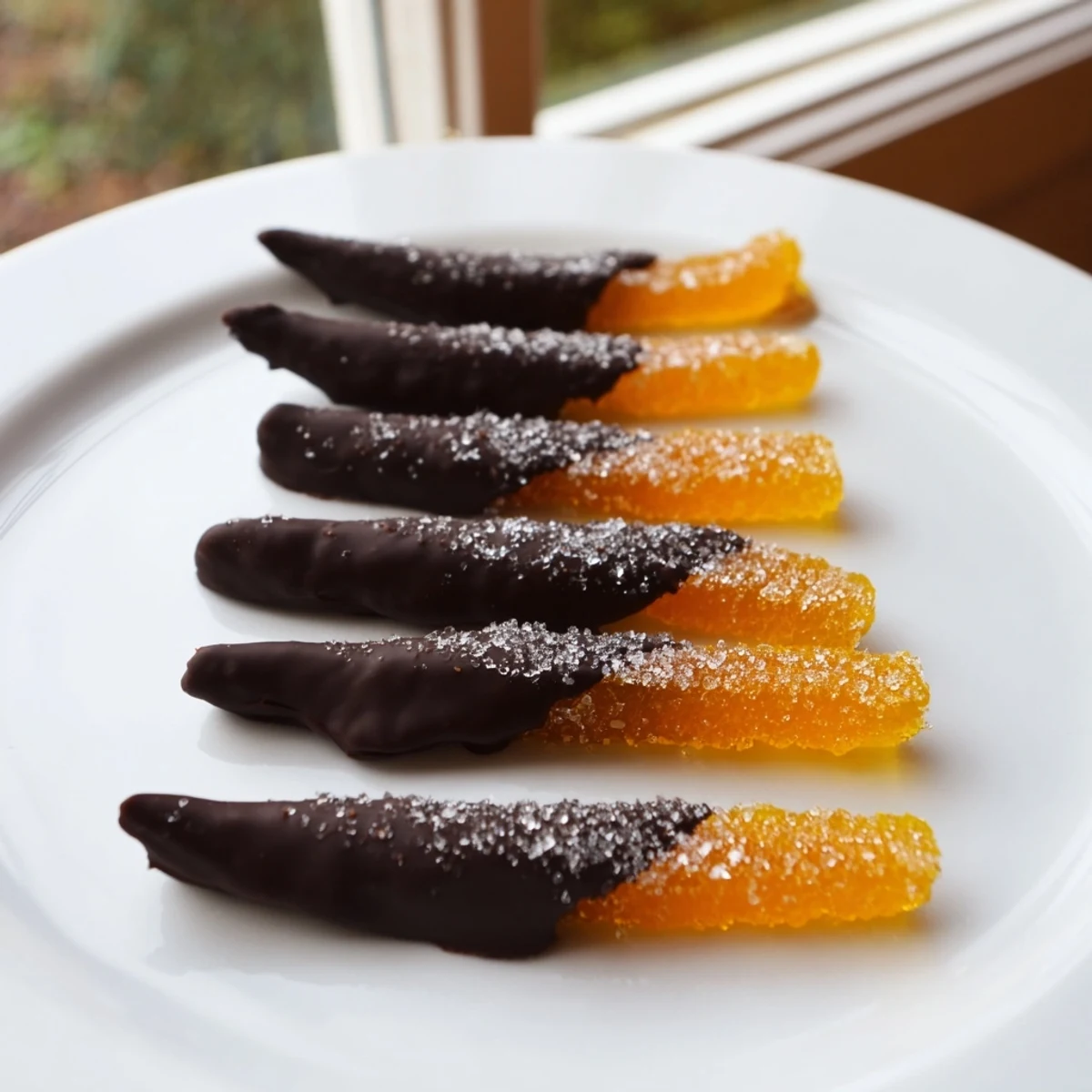
- Roll the candied peels in extra sugar before dipping for a sparkling crystallized look that adds a lovely crunch.
- Try milk or white chocolate if dark is too intense for your taste but keep in mind they will be sweeter overall.
- Always store them in a single layer in an airtight container because stacked peels stick together and the chocolate blooms.
 Pin It
 Few homemade treats deliver this much elegance for so little effort and cost. Once you master the basic technique you will find yourself making batch after batch every holiday season.
Recipe Questions & Answers
- → Why blanch the orange peels multiple times?
-
Blanching the peels three times removes excess bitterness from the white pith. Each boil-and-drain cycle draws out harsh compounds, leaving behind only the bright, fragrant orange flavor that pairs beautifully with the chocolate coating.
- → Can I use store-bought orange peels instead?
-
While pre-candied orange peels are available, making them from scratch gives you control over sweetness and texture. Fresh organic oranges produce peels with superior flavor and no preservatives, resulting in a noticeably better finished treat.
- → What type of chocolate works best for dipping?
-
Dark chocolate between 60–70% cocoa is ideal because its slight bitterness balances the sweetness of the candied peel. You can use milk or white chocolate for a milder, sweeter result, but the contrast of dark chocolate is the classic choice.
- → How long do chocolate covered orange peels stay fresh?
-
Stored in an airtight container in a cool, dry place, they keep well for up to two weeks. You can also refrigerate them to extend shelf life, but bring them to room temperature before serving for the best texture and flavor.
- → Do I need to remove all the white pith from the peels?
-
No, leaving a thin layer of white pith is actually desirable. It adds a pleasant chewy texture and a subtle bitterness that complements the sweetness of the syrup and the richness of the chocolate. Just avoid thick, woody portions.
- → Can I freeze these for later use?
-
Yes, you can freeze chocolate covered orange peels in an airtight container for up to three months. Place parchment paper between layers to prevent sticking, and thaw them in the refrigerator before bringing to room temperature.