
 Pin It
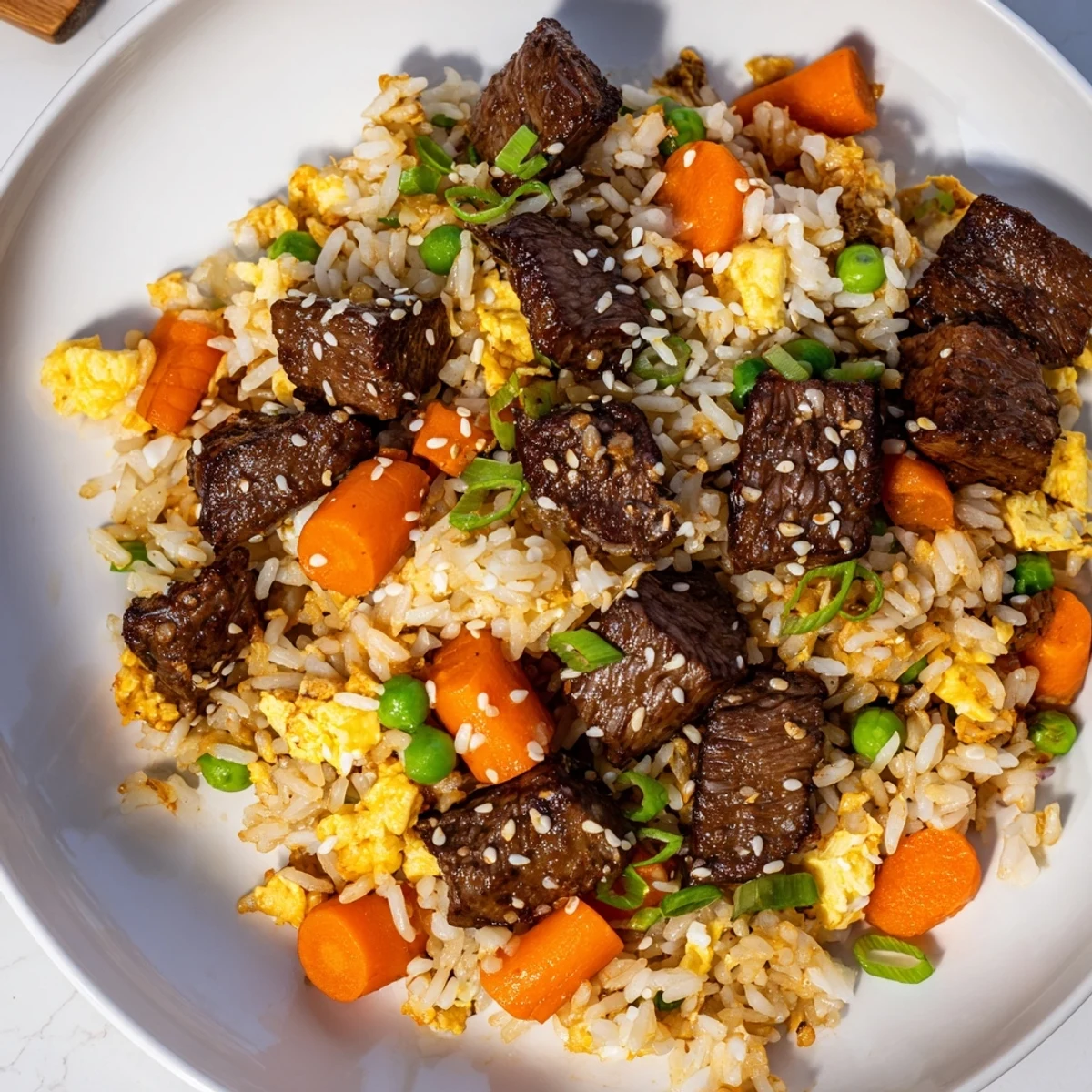
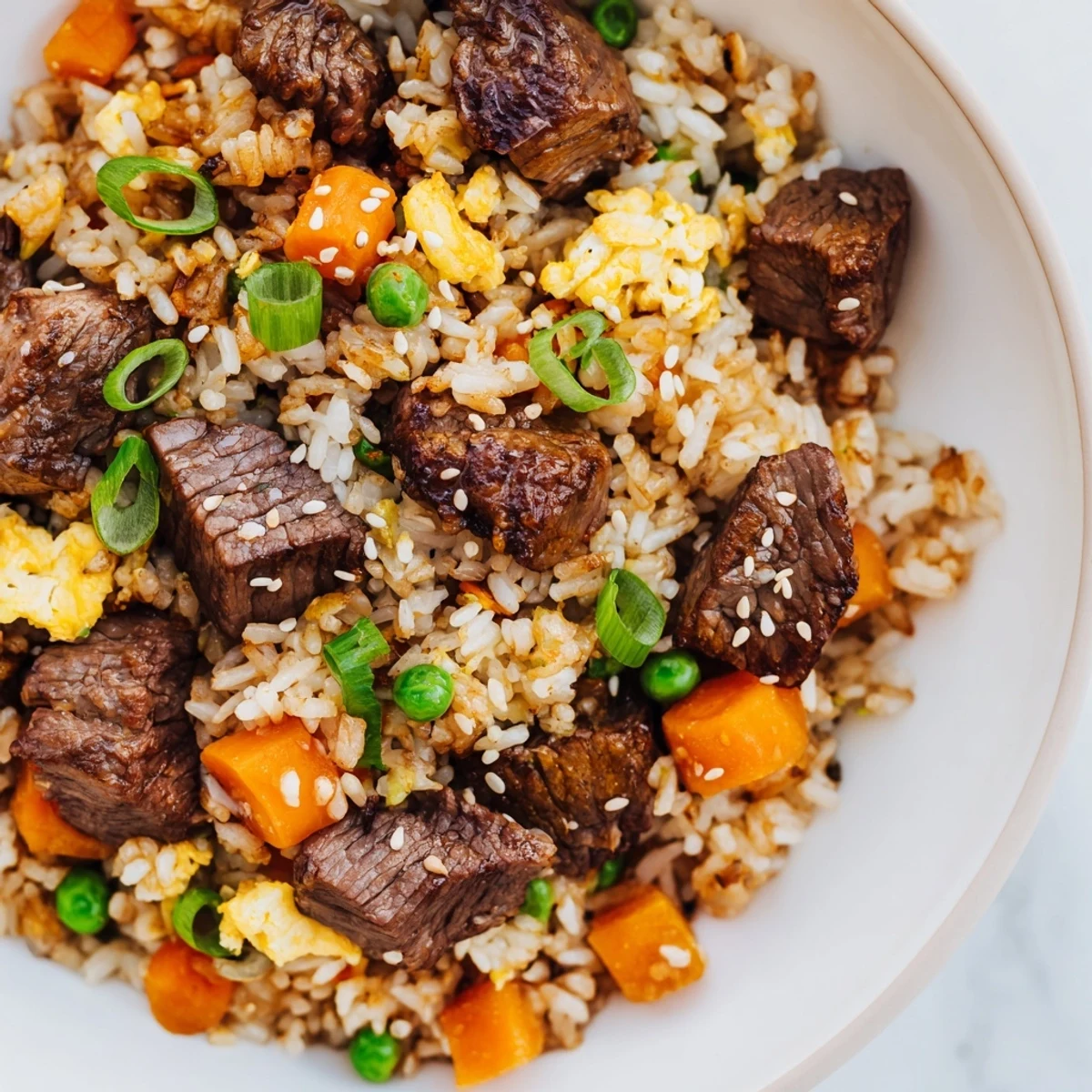
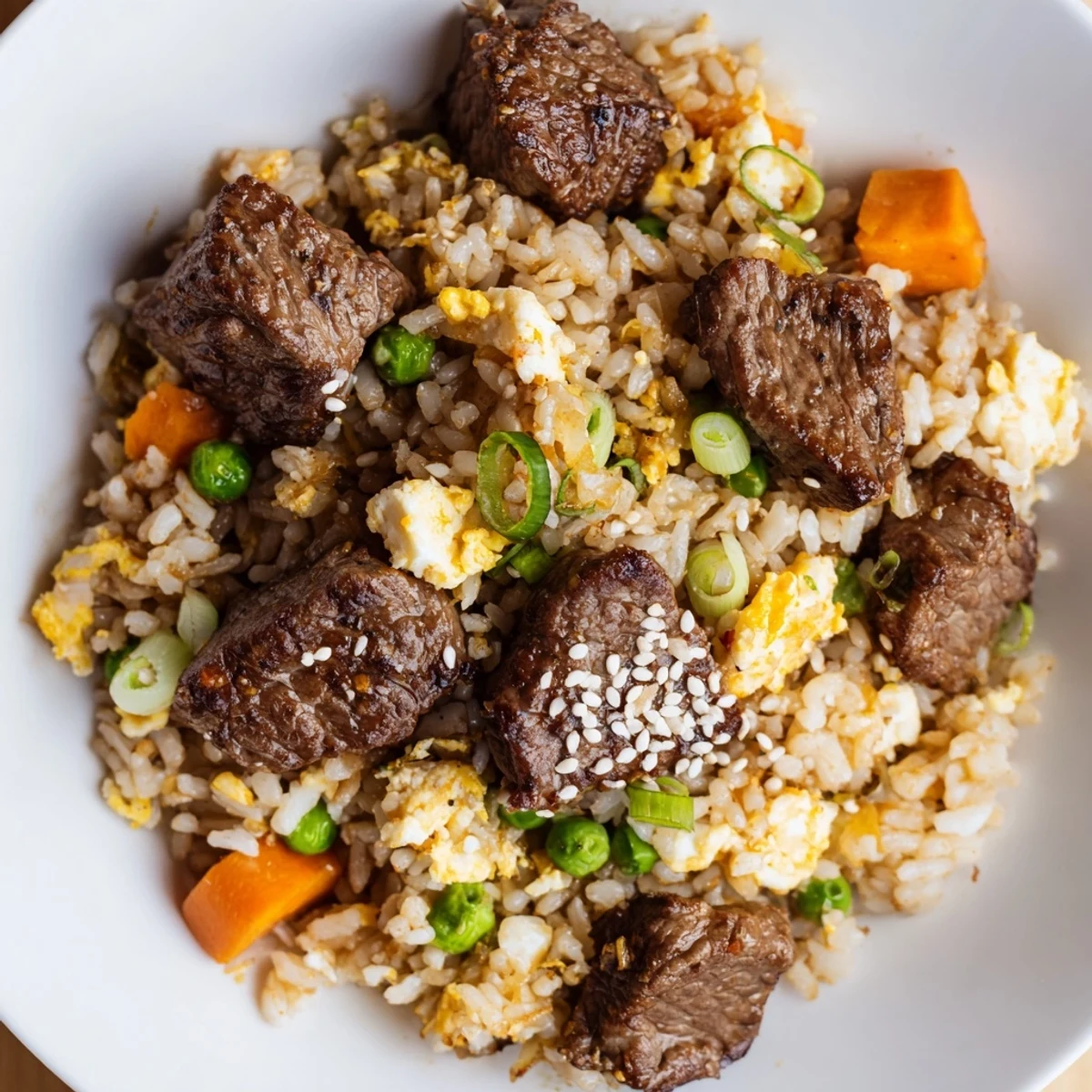
 Create restaurant-quality hibachi at home with this sizzling fried rice featuring succulent steak cubes marinated in soy, sesame oil, and mirin. The Blackstone griddle delivers perfect sear marks and that signature smoky flavor while keeping every grain of rice separate and fluffy. Day-old rice transforms with garlic, peas, carrots, and scrambled eggs, all tossed in savory soy sauce and finished with butter. Ready in just 35 minutes, this protein-packed dish serves four hungry diners and customizable with your favorite proteins or vegetables.
The first time I made hibachi at home, my apartment filled with that unmistakable savory aroma that usually only comes from restaurants. My roommate wandered in from her room, drawn by the smell of searing meat and sesame oil. We stood around the griddle watching the steam rise, picking at pieces of steak before they even made it into the rice. Now its become our go-to Friday night feast, something we look forward to all week.
Last summer we hosted a backyard cookout and I set up the Blackstone on the patio. Friends gathered around, drinks in hand, watching me cook batch after batch. The sound of rice hitting the hot griddle, that satisfying sizzle, became the background music to our evening. Everyone went back for seconds, and the best part was cooking while still being part of the conversation.
Ingredients
- 1 lb sirloin or ribeye steak: Cut into bite-sized cubes, this is the star that makes the dish feel special and worth the effort
- 2 tbsp soy sauce for marinade: This first round of soy penetrates the meat, giving it depth before it even hits the heat
- 1 tbsp sesame oil: The nutty aroma is what makes your kitchen smell like an authentic hibachi grill
- 1 tbsp mirin or dry sherry: Adds sweetness and helps tenderize the steak as it marinates
- 3 cups cooked chilled rice: Day-old rice is non-negotiable here, it develops those perfect crispy edges that fresh rice never achieves
- 2 large eggs: Scrambled right on the griddle, they create those golden ribbons throughout the rice
- 1 cup frozen peas and carrots: Thawed beforehand so they cook quickly and add essential color and sweetness
- 3 green onions: Both white and green parts bring different levels of onion flavor to the final dish
- 3 cloves garlic: Minced fresh, it blooms in the hot oil and infuses every grain with aromatic flavor
- 1 tbsp unsalted butter: The secret finisher that adds richness and helps everything come together
Instructions
- Marinate the steak:
- Combine steak cubes with soy sauce, sesame oil, mirin, salt, and pepper in a bowl. Let it sit for at least 10 minutes while you prep everything else, but no longer than 15 minutes or the texture will change.
- Fire up the griddle:
- Get your Blackstone to medium-high heat, hot enough that a drop of water sizzles and dances across the surface. Add one tablespoon of vegetable oil and spread it evenly.
- Sear the steak:
- Cook the marinated steak pieces for 2 to 3 minutes per side until they develop a deep brown crust. Resist the urge to move them around too much, that crust is where all the flavor lives.
- Scramble the eggs:
- Add another tablespoon of oil to the griddle and pour in your beaten eggs. Scramble them quickly until just set, then push them to the side to make room for vegetables.
- Cook the aromatics:
- Toss in the garlic, peas, and carrots, stir-frying for 2 to 3 minutes until the vegetables are hot and the garlic becomes fragrant. Keep everything moving so nothing burns.
- Add the rice:
- Spread your cold rice across the griddle and use your spatula to break up any clumps. Stir-fry it with the vegetables and eggs for about 3 minutes, letting some grains get crispy and toasty.
- Season and combine:
- Drizzle the remaining soy sauce over the rice and add the butter, tossing everything together until each grain is coated and glossy. The butter should melt and create a beautiful sheen.
- Finish and serve:
- Return the seared steak to the griddle along with the sliced green onions. Gently toss everything together just until combined, then serve immediately with sesame seeds and extra green onions on top.
 Pin It
 My dad called me mid-cook one day, asking what smelled so incredible. When I described what I was making, he stayed on the line while I talked him through the process. Now he makes his own version every Sunday, and he texts me photos of each attempt like proud grandparents sending baby pictures.
Getting That Restaurant Texture
The difference between okay fried rice and great fried rice comes down to heat distribution and patience. I learned to create zones on my griddle, keeping the hottest area for searing meat and a slightly cooler section for the rice. This way nothing overcooks while waiting for other ingredients to finish. Also, let the rice sit undisturbed for 30 seconds between stirs so individual grains have time to crisp up against the metal.
Make-Ahead Mastery
The night before a hibachi dinner, I always cook extra rice and spread it on a baking sheet to cool completely. This breaks up clumps and ensures each grain dries out properly. I also prep the vegetables and whisk together the marinade in advance. Come dinner time, I can go from zero to eating in under 20 minutes, which feels like magic on hungry weeknights.
Building Your Hibachi repertoire
Once you are comfortable with the basic technique, try adding different proteins or vegetables. Sometimes I throw in diced bell peppers or onions when they are in the garden. The cooking times stay similar, but the flavor profile shifts dramatically with just a few small changes. Trust your instincts and taste as you go, adjusting soy sauce or seasonings to match your mood.
- Leftovers reheat beautifully in a hot skillet with a splash of water to steam everything back to life
- If you do not have a Blackstone, a large cast iron skillet works surprisingly well
- Double the recipe and freeze portioned bags for quick lunches
 Pin It
 Theres something profoundly satisfying about cooking hibachi at home, hearing that familiar sizzle and watching people gather around. It turns dinner into an event worth remembering.
Recipe Questions & Answers
- → What cut of steak works best for hibachi fried rice?
-
Sirloin and ribeye are excellent choices because they're tender, flavorful, and cook quickly on high heat. Cut the steak into uniform bite-sized cubes to ensure even cooking and easy eating with the rice.
- → Why must the rice be chilled before cooking?
-
Cilled, day-old rice has dried out slightly, which prevents mushy texture during stir-frying. Freshly cooked rice contains too much moisture and will steam instead of fry, resulting in clumpy, gummy fried rice.
- → Can I make this without a Blackstone griddle?
-
A large flat-top grill, cast iron skillet, or wok works beautifully. The key is maintaining high heat and having enough surface area to spread ingredients in a thin layer for proper searing and quick cooking.
- → How do I prevent the steak from overcooking?
-
Sear the steak first in batches if needed, remove when it reaches your desired doneness, then set aside. Add it back at the very end just to warm through. This keeps the meat tender and juicy.
- → What sauces pair well with this dish?
-
Classic yum yum sauce, teriyaki drizzle, or spicy mayo complement the hibachi flavors beautifully. Sriracha, chili garlic sauce, or extra soy sauce with sesame oil make excellent tableside additions.
- → Can I prepare components in advance?
-
Marinate the steak up to 24 hours ahead. Chop vegetables and have sauce ingredients measured. The rice should be cooked and refrigerated at least overnight. Everything else comes together quickly when you're ready to cook.