
 Pin It
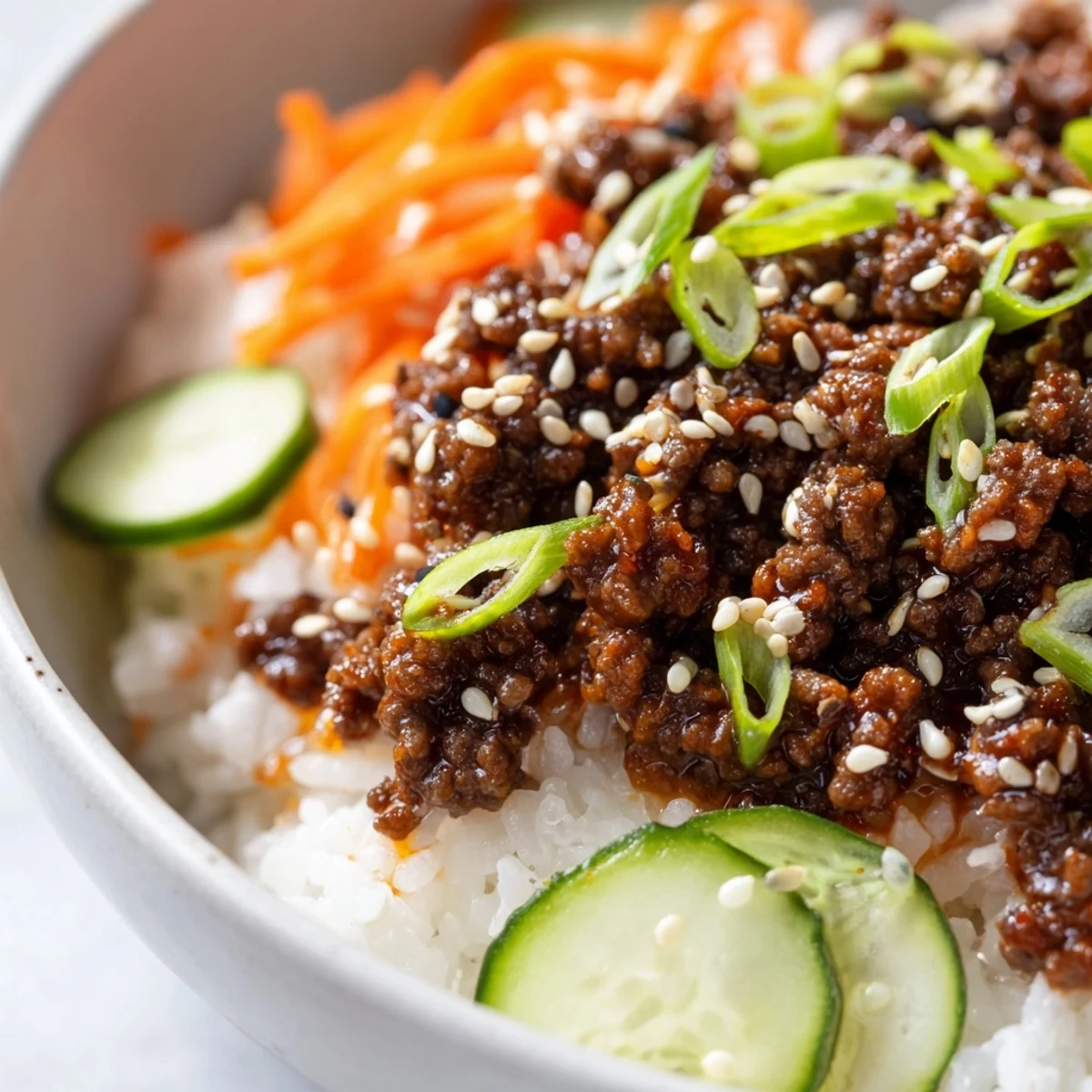
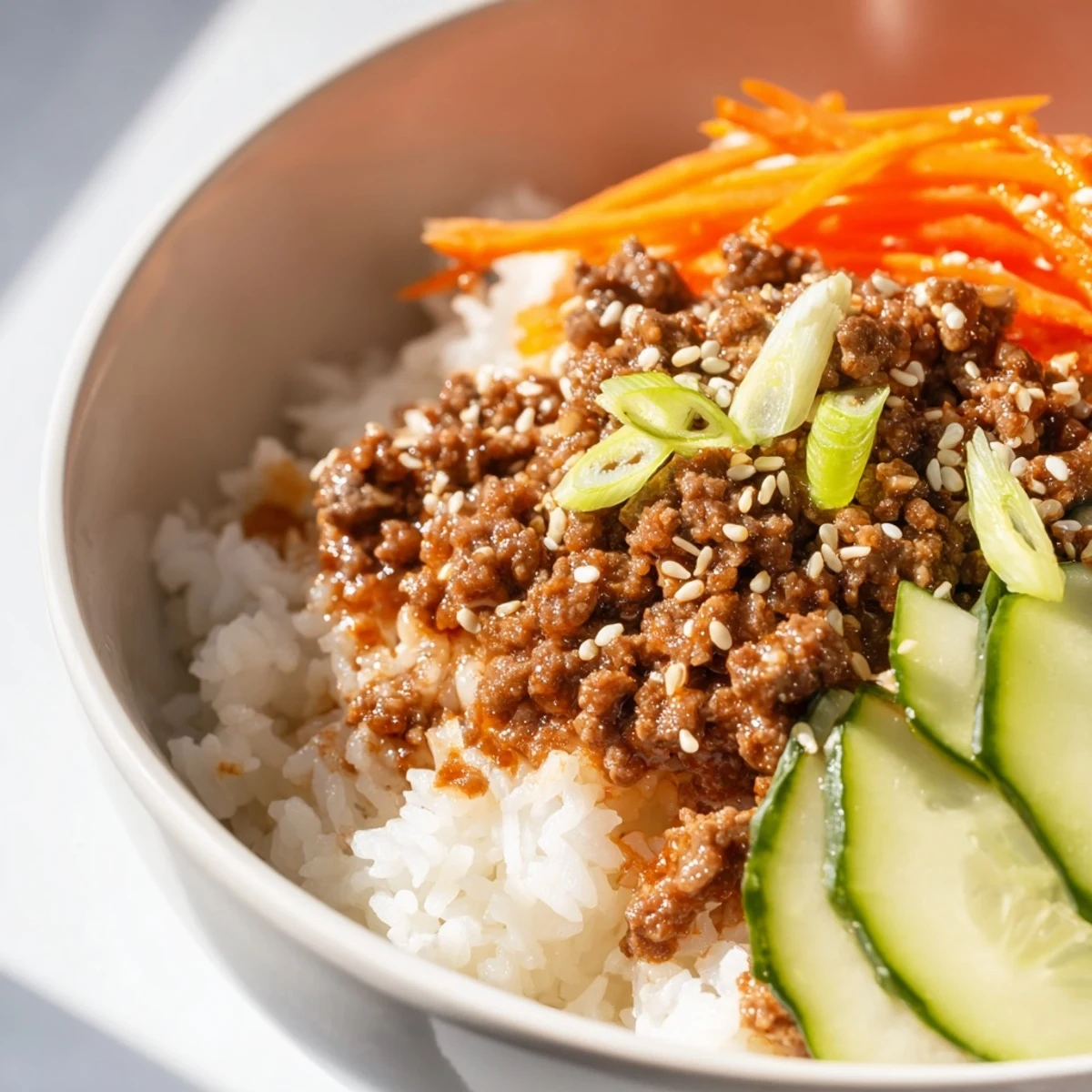
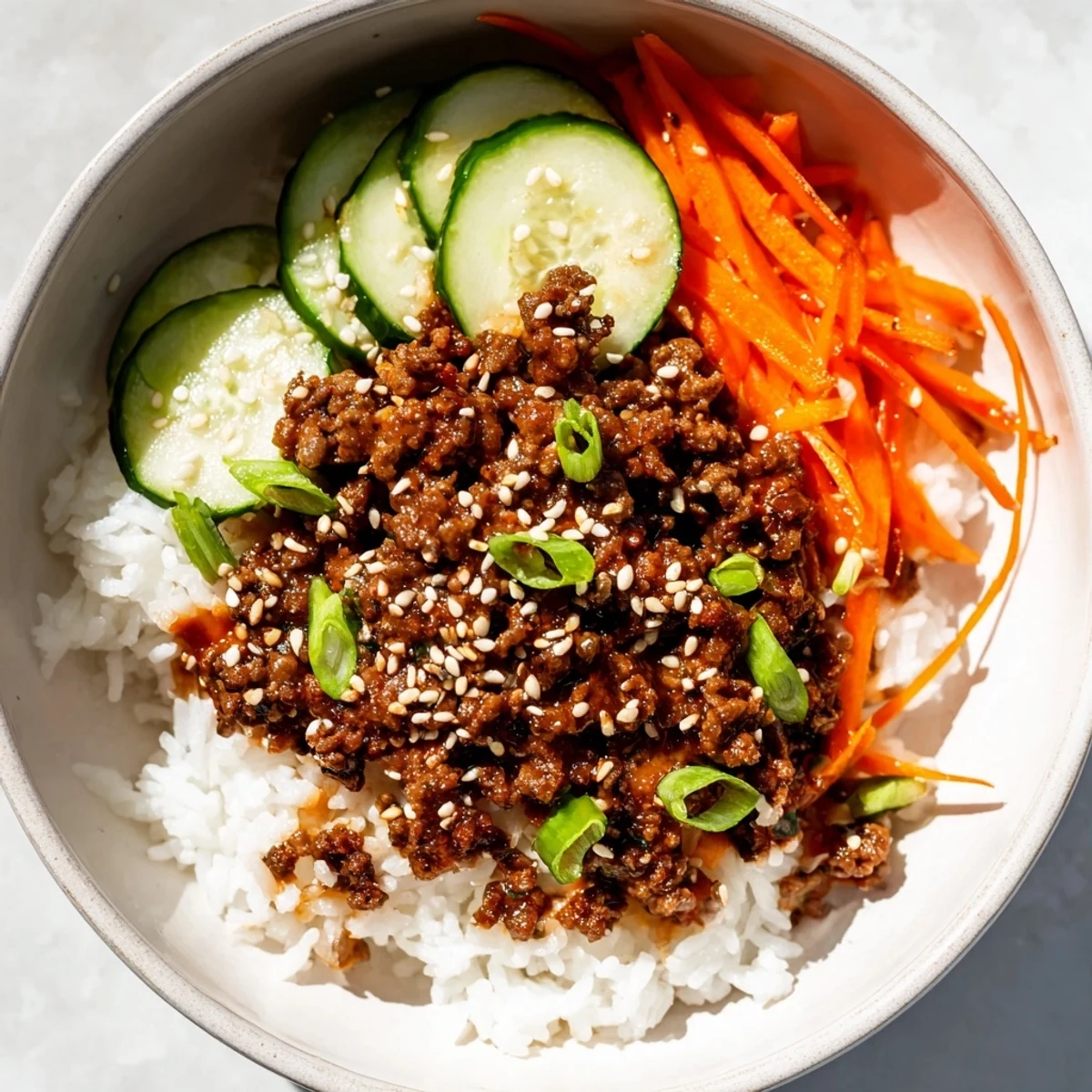
 These Korean-inspired bowls feature savory ground beef coated in a sweet and spicy sauce, served over steaming jasmine rice with crisp julienned carrots, cool cucumber slices, and fresh scallions. The dish comes together in just 25 minutes, making it ideal for busy weeknights when you want something satisfying but don't want to spend hours in the kitchen.
The secret lies in the bold sauce—soy sauce, brown sugar, sesame oil, garlic, ginger, and gochujang create that perfect balance of salty, sweet, and subtly spicy flavors. Ground beef cooks quickly and absorbs all those amazing flavors, while the fresh toppings add crunch and brightness to every bite.
My Tuesday nights used to be dominated by takeout menus and delivery fees until I stumbled into Korean bowl territory completely by accident. The beef mixture came together faster than I could decide between pad thai or dumplings, and suddenly I was spiraling sesame oil into hot beef while rice steamed away on the back burner. Now these bowls have become my weeknight security blanket, reliable and infinitely better than anything that arrives in a plastic container.
Last month my friend Sarah showed up unexpectedly while I had a batch bubbling away, looking defeated after a terrible day at work. She sat at my counter and watched me julienne carrots, maybe judging my knife skills, maybe just grateful to not be alone with her thoughts. We built our bowls in silence and she took that first bite and actually stopped talking mid-sentence, which is saying something for Sarah. Sometimes food just knows what to say when words fail completely.
Ingredients
- 500 g (1 lb) lean ground beef: The fat content here matters since it renders down and becomes part of the sauce vehicle, but too much grease throws off the delicate balance we are building
- 60 ml (1/4 cup) low-sodium soy sauce: Regular soy will turn this into a salt bomb, and I learned this lesson the hard way when my husband could not stop drinking water for three hours straight
- 2 tbsp light brown sugar: This caramelizes slightly against the hot beef and creates that gorgeous restaurant-style glaze that makes everything look intentional
- 1 tbsp sesame oil: The toasted version is non-negotiable here, as regular sesame oil lacks that deep nutty aroma that makes Korean food smell like comfort
- 4 garlic cloves, minced: Fresh garlic only, never the pre-minced stuff in jars which tastes vaguely of disappointment and preservatives
- 1 tbsp freshly grated ginger: The microplane is your friend here, turning what could be fibrous bits into something that dissolves beautifully into the sauce
- 1 tbsp gochujang: This Korean chili paste brings depth beyond just heat, with a subtle sweetness that rounds out the sharper elements
- 2 tsp rice vinegar: Just enough brightness to cut through the richness and keep you coming back for another bite
- 300 g (1 1/2 cups) jasmine rice: Short-grain works too, but jasmine has this natural floral fragrance that plays surprisingly well with bold Korean flavors
- 2 medium carrots, julienned: These bring a crucial crunch that prevents every bite from feeling like soft textures only
- 1 small cucumber, thinly sliced: The coolness here balances the hot beef in ways that feel intentional rather than accidental
- 4 scallions, thinly sliced: Both the white and green parts, because the whites mellow out during cooking while the greens stay sharp and fresh
- 2 tbsp toasted sesame seeds: Toast them yourself in a dry pan for two minutes, because the difference between fresh-toasted and store-bought is night and day
Instructions
- Get that rice going first:
- Rinse the rice under cold water until it runs clear, then combine with 480 ml water in a saucepan and bring to a rolling boil. Drop the heat to low, cover tightly, and let it steam undisturbed for 12 to 15 minutes until the grains are tender and have absorbed all the water.
- Whisk together your sauce base:
- In a small bowl, combine the soy sauce, brown sugar, sesame oil, minced garlic, grated ginger, gochujang, and rice vinegar. Whisk until the sugar has completely dissolved and everything has emulsified into a cohesive mixture.
- Brown the beef properly:
- Heat a large skillet over medium-high heat and add the ground beef, breaking it up with your spatula as it cooks. Let it develop some serious color and get nicely browned, about 5 minutes, then drain off any excess fat if it looks too greasy.
- Bring it all together:
- Pour that sauce mixture right over the browned beef and stir constantly for 2 to 3 minutes. The sauce will bubble and thicken slightly, coating every bit of beef in a glossy glaze that smells absolutely incredible.
- Build your bowls:
- Divide the steamed rice among four bowls and top each portion generously with the beef mixture. Arrange the carrots, cucumber, scallions, and sesame seeds on top and serve immediately while everything is still hot.
 Pin It
 These Korean beef bowls have officially become my go-to meal when friends need feeding but I do not have the energy for anything elaborate. There is something profoundly satisfying about watching people assemble their own bowls, each person choosing their perfect ratio of beef to rice to toppings. Last week my niece actually asked for thirds, which is basically the highest compliment a seven-year-old can pay to dinner.
Making It Your Own
The ground beef is delicious, but I have made this with ground turkey when I was trying to be virtuous, and honestly, no one complained. The key is adjusting the cooking time since turkey releases less fat and can dry out faster than beef. You can also use crumbled tofu for a completely plant-based version, just press it first to remove excess moisture so it can actually brown.
The Rice Situation
While jasmine rice is my go-to for its fragrance and slightly sticky texture, short-grain white rice gives you that restaurant-quality cling that makes every bite feel cohesive. Do not even attempt long-grain rice here, as the grains stay too separate and the beef mixture slides right off. If you are feeling extra fancy, toss in a splash of rice vinegar and a pinch of sugar to the cooked rice for added depth.
Topping Strategy
The toppings are not just decoration, they are essential for creating texture contrast in every single bite. I like to prep all my toppings before I even start cooking the beef, because this comes together fast and you want everything ready to go.
- Fresh cilantro might seem out of place but it adds a bright herbal note that cuts through the richness unexpectedly well
- A fried egg on top with a runny yolk creates an instant sauce that binds everything together in the most luxurious way possible
- Extra kimchi on the side adds probiotic benefits and that funky fermented tang that makes the whole meal feel more authentic
 Pin It
 Twenty-five minutes from start to finish, and somehow these bowls taste like they took all afternoon to perfect. That is the kind of weeknight magic I need more of in my life.
Recipe Questions & Answers
- → Can I make this gluten-free?
-
Yes, simply substitute tamari for the soy sauce and ensure your gochujang is certified gluten-free. The flavors remain identical while making it suitable for those avoiding gluten.
- → What protein alternatives work well?
-
Ground turkey or chicken create a lighter version, while crumbled tofu offers a vegetarian option. Adjust cooking times slightly—turkey and chicken may need an extra minute or two, while tofu only needs 3-4 minutes to absorb the sauce.
- → How spicy is this dish?
-
The gochujang provides mild to medium heat depending on your sensitivity. Start with one teaspoon and increase gradually. For a milder version, reduce the gochujang or omit it entirely—the dish remains delicious without it.
- → Can I prepare components ahead?
-
Absolutely. The sauce can be mixed and stored refrigerated for up to a week. Vegetables can be sliced a day in advance. Cooked rice keeps well in the refrigerator for 2-3 days—just reheat with a splash of water before serving.
- → What other toppings work well?
-
Fried eggs, pickled radishes, sliced avocado, or bean sprouts add variety. Sriracha mayo or extra gochujang drizzled on top provides additional creaminess and heat for those who enjoy bold flavors.
- → Is this meal kid-friendly?
-
Most children enjoy the mild sweet and savory flavors, though you may want to reduce or omit the gochujang initially. Serve sauce on the side so everyone can adjust spice levels to their preference.