
 Pin It
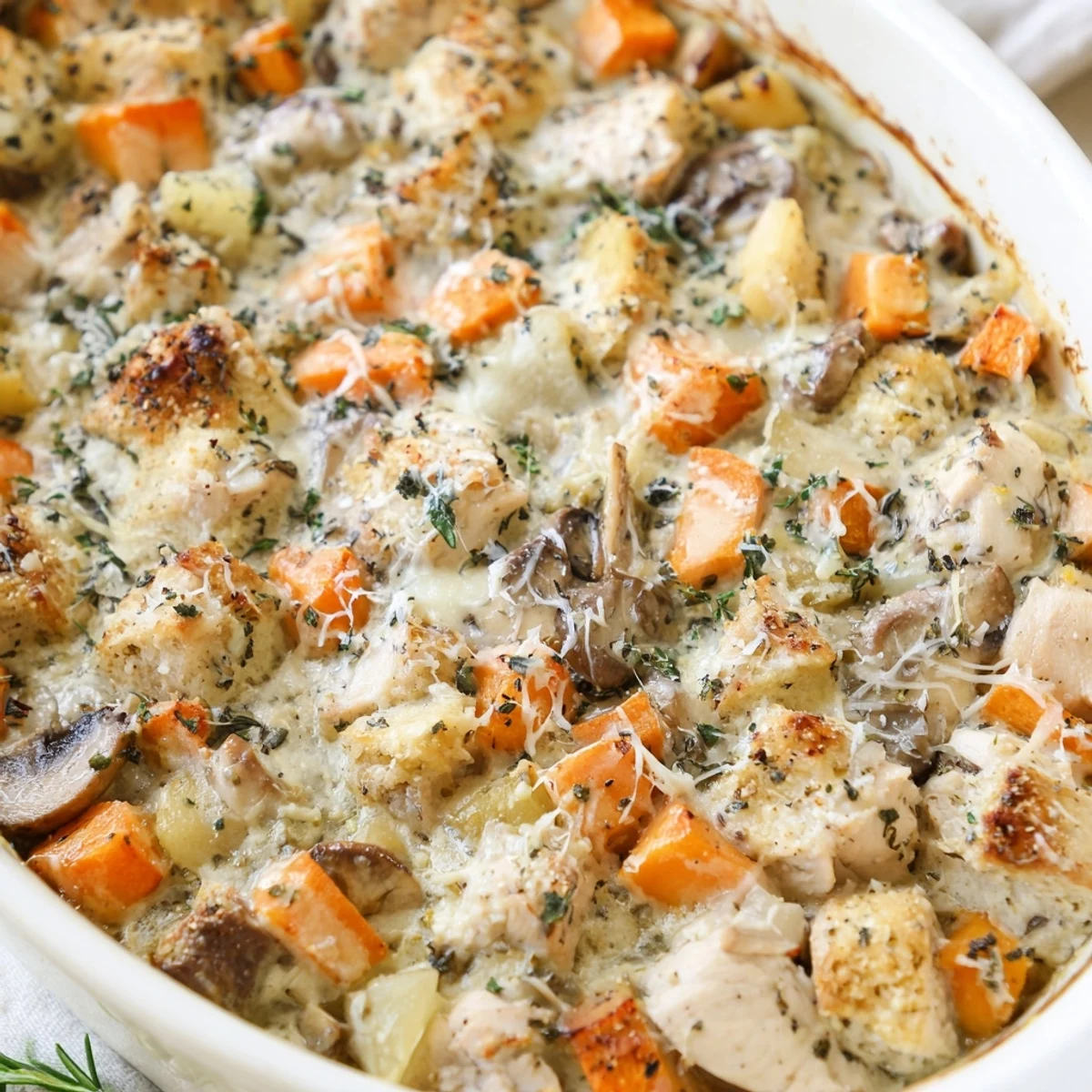
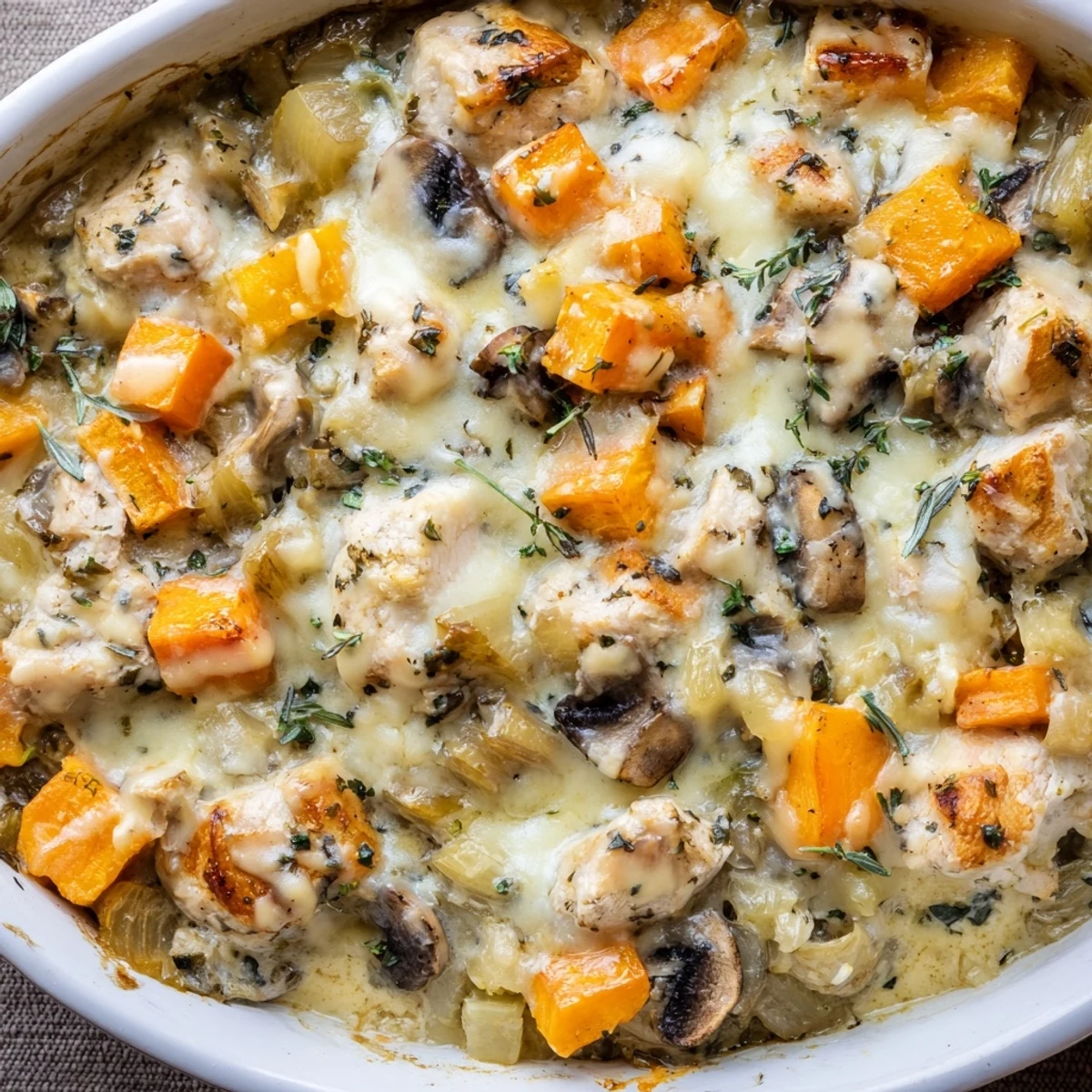
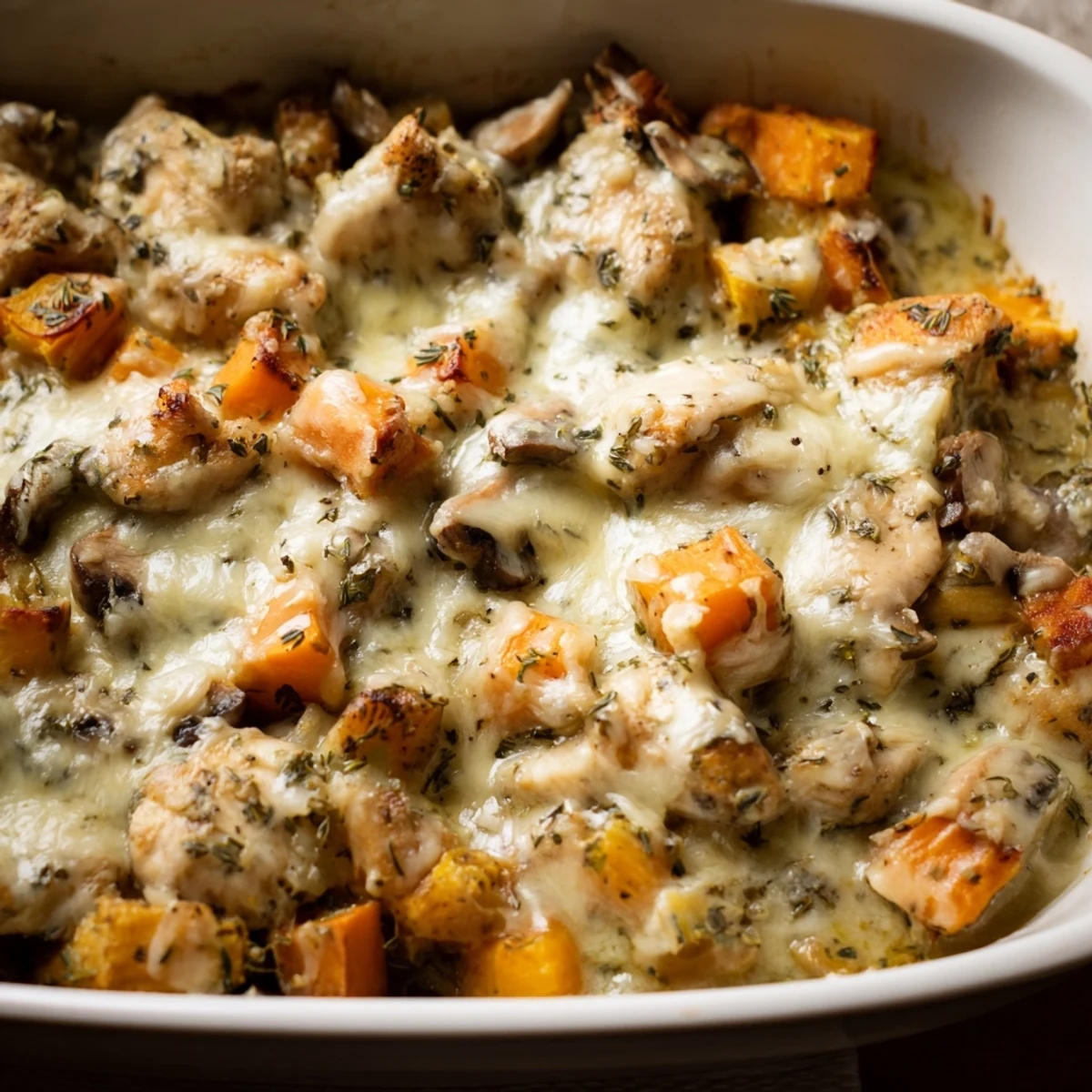
 This dish features tender chicken thighs combined with hearty winter vegetables like carrots, parsnips, and butternut squash, all cooked in a creamy, herb-infused sauce. Layers of sautéed onion, leek, garlic, and mushrooms add depth of flavor, while a topping of melted Gruyère or cheddar cheese creates a golden crust. Easy to prepare and bake, it offers a filling, satisfying meal perfect for chilly evenings. Adaptable for gluten-free and dairy-free diets, it brings warmth and comfort to your table.
There's something about a casserole bubbling away in the oven that stops a grey afternoon in its tracks. I was standing at my kitchen window watching rain streak the glass when I realized I'd been craving this exact dish—creamy, loaded with tender chicken and vegetables, the kind of meal that tastes like someone's been looking after you. My friend Sarah had made it once on a particularly cold January evening, and somehow it stuck with me, the way certain dishes do. Now it's become my go-to when I want the house to smell like warmth.
I made this for a small dinner party last February when everyone seemed a bit defeated by winter, and I watched people's shoulders relax the moment they took a bite. There was something about the combination of the creamy sauce and those roasted vegetables that just made people slow down and actually talk to each other. One guest asked for the recipe right then and there, fork still in hand, which felt like the highest compliment.
Ingredients
- Chicken thighs (500g): These stay incredibly tender and juicy compared to breast meat, and they absorb all those herb flavors without drying out no matter how long they cook.
- Carrots and parsnips: The sweetness of parsnips balanced against carrot's earthiness is the secret to the vegetable base tasting so developed.
- Butternut squash: Adds natural sweetness and a velvety texture that thickens the sauce without any flour or cornstarch.
- Leek and onion: Build the savory foundation; the leek's subtle garlic note is worth the extra step of slicing it properly.
- Button mushrooms: They release their moisture and deepen the whole dish, adding umami depth you can't quite name but absolutely taste.
- Chicken stock: Use the good stuff if you can—it makes a noticeable difference in the final flavor.
- Heavy cream: This is where the magic lives; don't skip it or substitute too aggressively, though dairy-free alternatives work if you must.
- Dijon mustard: Two tablespoons sounds small until you taste how it brightens and rounds out the entire sauce.
- Fresh parsley and dried herbs: The parsley goes in at the end for that fresh green note, while thyme and rosemary have time to infuse their woodsy warmth.
- Gruyère or cheddar cheese: Gets bubbly and golden on top; I prefer Gruyère for its nuttiness, but cheddar works beautifully too.
Instructions
- Heat your oven and start the chicken:
- Get your oven to 190°C (375°F) first—this matters more than you'd think. Heat olive oil in a large skillet until it shimmers slightly, then add chicken pieces in a single layer. Let them sit undisturbed for a couple of minutes before stirring; you're after a light golden crust, not a full sear. After about five minutes, set the chicken aside on a clean plate.
- Build the vegetable base:
- In that same skillet, add diced onion, sliced leek, and minced garlic, stirring often. You'll smell the moment it shifts from raw to soft and fragrant, usually around three minutes. This is your flavor foundation, so take a second and taste it; the sweetness should start coming through.
- Add the rest of the vegetables:
- Now add carrots, parsnips, butternut squash, and mushrooms. Stir every minute or so and cook for about five minutes, until the squash starts to soften at the edges. The mushrooms will release their water—that's exactly what you want because it flavors everything.
- Bring it together:
- Return the chicken to the skillet and pour in the stock, cream, mustard, parsley, thyme, and rosemary. Season with salt and pepper—be generous with black pepper. Stir everything together and let it simmer for five minutes, which gives the flavors a chance to start knowing each other.
- Move to the casserole:
- Pour the entire skillet mixture into an ovenproof casserole dish, scraping every bit of sauce and vegetable from the pan. Spread it out so nothing is piled too high in the center.
- Top with cheese:
- Sprinkle your grated cheese evenly across the top; don't worry about covering every square inch, but aim for a fairly even layer.
- Bake covered, then uncovered:
- Cover the casserole with foil and bake for thirty minutes. This lets everything meld while staying moist. Then remove the foil and bake uncovered for another 15 to 20 minutes, watching until the top is golden and you can see the sauce bubbling at the edges.
- Rest before serving:
- Let it sit for five minutes out of the oven—this gives the sauce a moment to settle and makes serving cleaner. The cheese will still be warm and melty.
 Pin It
 My mother called me while this was baking one evening, and I held the phone so she could hear it bubbling in the oven—she laughed and said that sound was comfort in audio form. It's stayed with me, that idea that sometimes the best part of cooking is what it does to the space around you.
Making It Your Own
This casserole is remarkably flexible without losing its soul. I've added diced celery when I had it, thrown in baby potatoes instead of just root vegetables, and even experimented with a splash of dry white wine in place of some of the stock. The base is sturdy enough to handle these variations because the herb-cream sauce ties everything together. The one thing I wouldn't change is the mustard—it's the secret that keeps this from tasting like every other cream casserole.
Vegetarian and Dietary Variations
For vegetarian versions, I've had great success with canned white beans or chickpeas—use about 400g and add them when you'd add the chicken back. They absorb the flavors beautifully and provide the protein your body needs. For dairy-free, swap the cream for a good-quality dairy-free alternative (not the thin ones), and use dairy-free cheese on top. Gluten-free is simple: just double-check that your stock and mustard are certified, since that's where hidden gluten usually hides. I once made this for a friend with multiple restrictions and she said she felt looked after in a way she hadn't in years—sometimes that's what good cooking really means.
What to Serve Alongside
Crusty bread is non-negotiable; you'll want something to soak up every drop of sauce. A light green salad with a sharp vinaigrette cuts through the richness beautifully, and somehow the contrast makes both the salad and the casserole taste better. If you want to pour a wine, a dry white like Sauvignon Blanc or Pinot Grigio works better than you'd expect—the acidity plays against the cream in ways that make you want another spoonful.
- Tear bread directly over the casserole and let it soak up sauce while still warm.
- Dress your salad just before serving so the greens stay crisp against the warm casserole.
- This casserole actually improves the next day when flavors have deepened, so don't hesitate to make it ahead.
 Pin It
 This casserole has become my answer to almost every question about what to cook when someone needs feeding and comforting. It's the kind of dish that makes a kitchen feel like home.
Recipe Questions & Answers
- → Can I substitute chicken with a vegetarian option?
-
Yes, canned white beans or chickpeas can replace chicken to create a vegetarian-friendly version.
- → How do I make the dish gluten-free?
-
Use certified gluten-free chicken stock and mustard to keep the dish gluten-free.
- → What kind of cheese works best for topping?
-
Gruyère or cheddar cheese melts well, but dairy-free alternatives can be used for those avoiding dairy.
- → What sides complement this dish?
-
Crusty bread or a light green salad pairs nicely with the casserole.
- → Can this dish be prepared ahead of time?
-
Yes, prepare the casserole mixture in advance and refrigerate before baking to save time.