
 Pin It
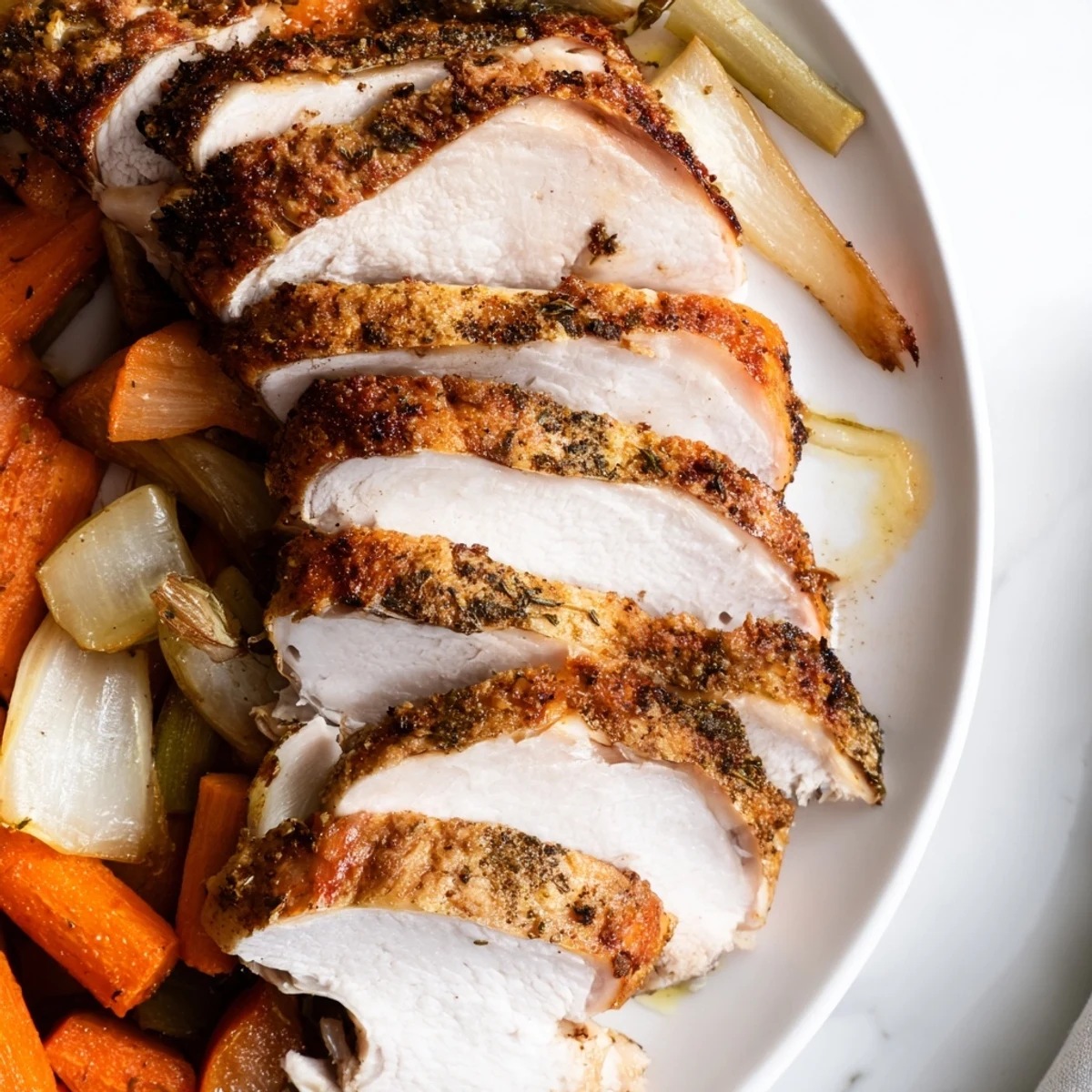
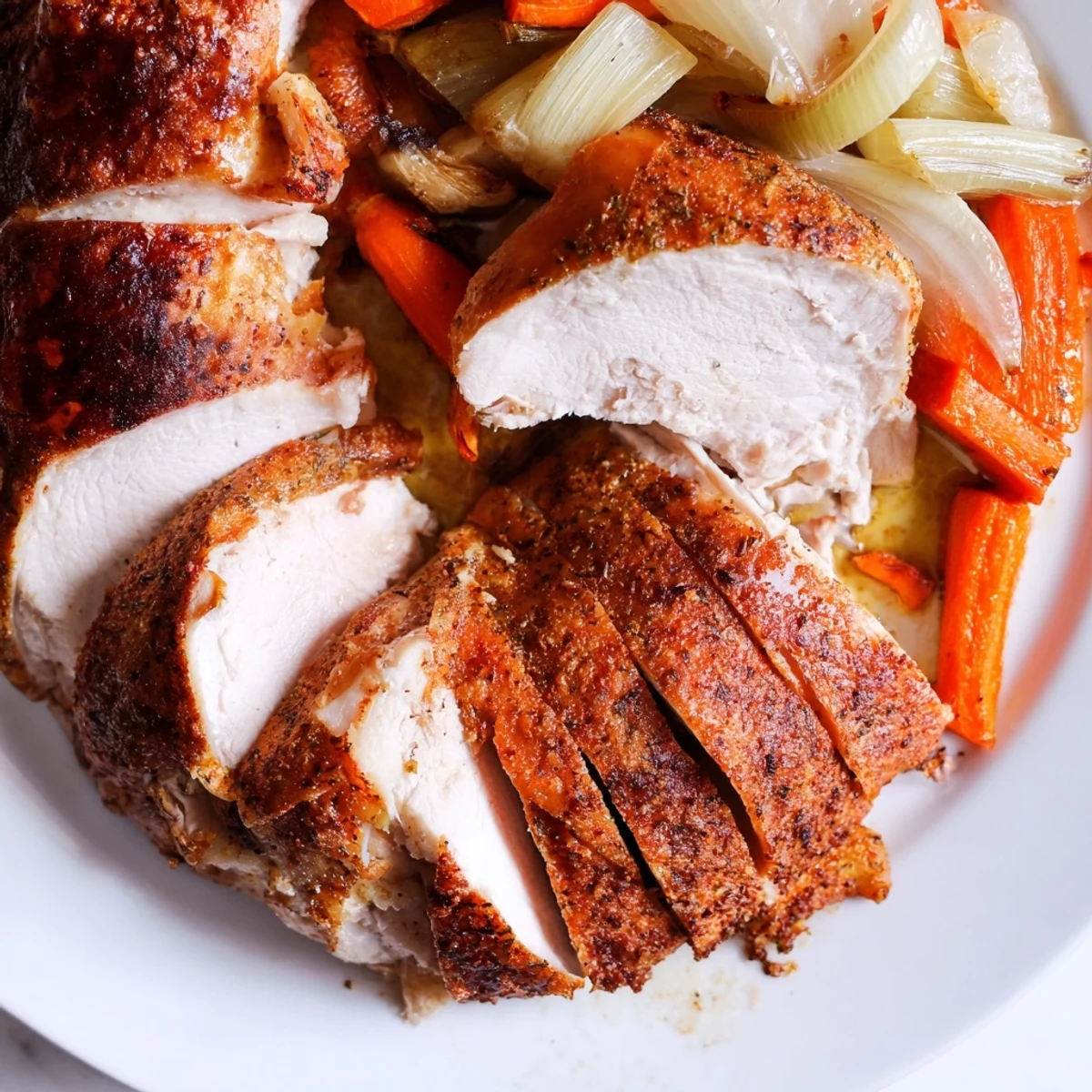
 This dish features a boneless turkey breast rubbed with olive oil and seasoned with salt, pepper, thyme, rosemary, and smoked paprika. It's roasted over a bed of carrots, onions, celery, and garlic, with chicken broth and optional white wine adding moisture and flavor. After roasting until juicy and tender, the turkey rests before slicing. Pan juices can be spooned over the turkey, making a flavorful and satisfying meal for any occasion.
There's something about a turkey breast that catches you off guard—not the complicated holiday bird everyone dreads, but something honest and approachable. I discovered this method on a random Tuesday when I wanted something warm and nourishing without the fuss, and the smell of thyme and rosemary filling the kitchen made the whole afternoon feel intentional. The vegetables underneath do all the heavy lifting, turning golden and tender while the turkey stays impossibly moist above them. It's become my go-to when I want a proper meal without overthinking it.
I made this for my sister the first time she came back after moving away, and watching her eat it with that closed-eye satisfaction reminded me why cooking matters—it's not really about the food, it's about saying you cared enough to spend an afternoon getting it right. The kitchen was warm, the light was golden, and somehow those simple ingredients became this moment we both needed.
Ingredients
- Boneless turkey breast, skin-on: The skin is non-negotiable—it crisps up and protects the meat underneath, keeping everything tender and juicy even with the long roast.
- Olive oil: Not for elegance, just for insurance; it helps the seasoning stick and gives the skin something to work with.
- Kosher salt and freshly ground black pepper: The foundation everything else builds on; don't skip the fresh pepper if you can help it.
- Dried thyme and rosemary: These two feel made for turkey, filling the kitchen with that smell that says comfort.
- Smoked paprika: A small amount that adds depth and a whisper of color without overpowering anything.
- Carrots, onions, and celery: The holy trinity that creates a natural bed, and by the end they're caramelized and soft enough to melt.
- Garlic cloves: Smashed so they break down into the vegetables and pan juices, disappearing into flavor.
- Low-sodium chicken broth: Keep it low-sodium so you're in control of the salt, and it turns into pure gold by the end.
- Dry white wine: Optional but worthwhile—it adds brightness and helps cut through the richness with subtle acidity.
Instructions
- Get your oven ready:
- Preheat to 375°F (190°C) so it's steady and reliable when your turkey goes in.
- Dry and season the turkey:
- Pat it completely dry with paper towels—this is the secret to skin that actually crisps. Rub it generously with olive oil, then season all over with salt, pepper, thyme, rosemary, and paprika, getting underneath any skin folds you can reach.
- Build your bed of vegetables:
- Scatter the carrots, onions, celery, and garlic across the bottom of a roasting pan, spreading them evenly so they roast rather than steam.
- Position the turkey:
- Place the seasoned breast skin-side up directly on the vegetables, making sure it's centered and comfortable.
- Add liquid carefully:
- Pour the broth and wine around the turkey—not over the skin, which would undo all your crisping work—so it pools in the pan and steams up into the oven.
- Roast and baste:
- Roast for 1 hour 10 minutes to 1 hour 20 minutes, checking with a meat thermometer until the thickest part reaches 165°F (74°C). Halfway through, baste the turkey with the pan juices using a spoon, which helps it stay moist and golden.
- Finish the skin:
- If the skin isn't as crisp as you'd like, slide it under the broiler for 2–3 minutes, but watch it constantly—it goes from golden to burned faster than you'd expect.
- Let it rest:
- Transfer the turkey to a cutting board, tent it loosely with foil, and let it sit for 15 minutes; this is when the meat relaxes and reabsorbs its juices, making slicing easier and every bite more tender.
- Bring it together:
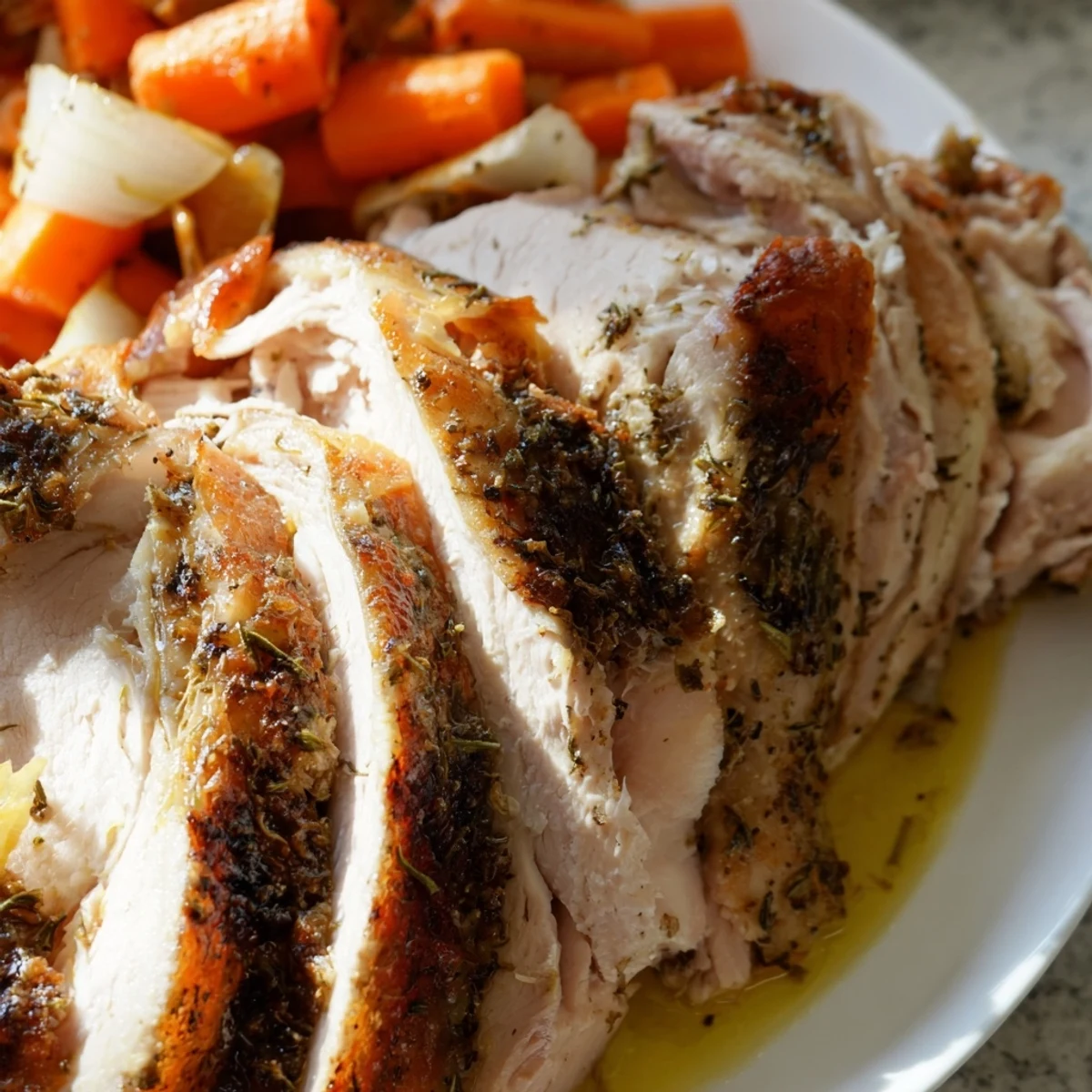
- Toss the roasted vegetables with the pan juices and arrange everything on a platter, spooning those lovely browned bits over the sliced turkey.
 Pin It
 There was a quiet moment when I pulled this out of the oven one evening, and the steam rose up and cleared, and my partner just leaned over the counter and breathed in without saying anything. That's when I knew it wasn't just about feeding people anymore; it was about creating a reason to gather and be present. The turkey, the vegetables, the smell—it all added up to something bigger than ingredients.
The Secret to Crispy Skin
Crispy skin isn't magic, it's just a conversation between heat and moisture. Start with a completely dry bird, season it aggressively, and let the oven work at 375°F—hot enough to brown but not so high that the inside dries out before the outside cooks. The vegetables below create steam that keeps the meat tender while the skin gets air circulation from above. If you're impatient and run the oven hotter, you'll end up with burnt skin and raw meat, which is a regret you don't need.
Why Resting Matters
I used to skip this part and jump straight to slicing, which meant juice everywhere and meat that wanted to shred instead of slice cleanly. The 15-minute rest period isn't just tradition—the meat is still cooking slightly from carryover heat, and the muscle fibers are relaxing and reabsorbing their juices. This is the difference between each bite being tender or tough, moist or dry; it's invisible work that pays off immediately.
Variations and Flavor Builds
This base is flexible enough to grow with you depending on your mood and what's in the kitchen. Some days I add fresh thyme sprigs and lemon slices to the pan. Other times I swap the white wine for cider vinegar or skip it entirely and use extra broth. The vegetables can change seasonally too—root vegetables in fall, asparagus and spring onions in May, whatever feels right for the moment.
- Add a sprig of fresh rosemary or thyme directly to the pan for deeper flavor.
- Swap white wine for apple cider, dry vermouth, or just use extra broth if alcohol isn't your thing.
- Leftover sliced turkey transforms into exceptional sandwiches, salads, or quick fried rice.
 Pin It
 This recipe has become my reliable escape hatch when I need to cook something that feels both effortless and special. It reminds me that sometimes the simplest meals carry the most meaning.
Recipe Questions & Answers
- → How do I ensure the turkey breast stays moist?
-
Rub the turkey with olive oil and seasonings, roast it on a bed of vegetables with broth added, and baste midway during cooking to keep it juicy.
- → Can I substitute the white wine in this dish?
-
Yes, you can replace white wine with additional chicken broth without losing flavor in the pan juices.
- → How do I achieve crispy skin on the turkey breast?
-
If the skin isn’t crisp after roasting, broil the turkey for 2–3 minutes while watching carefully to avoid burning.
- → What vegetables are best to roast with the turkey?
-
Carrots, onions, celery, and garlic provide a flavorful base and help keep the turkey moist as it roasts.
- → Is it necessary to let the turkey rest after roasting?
-
Yes, resting for 15 minutes allows juices to redistribute for a more tender and flavorful result.