
 Pin It
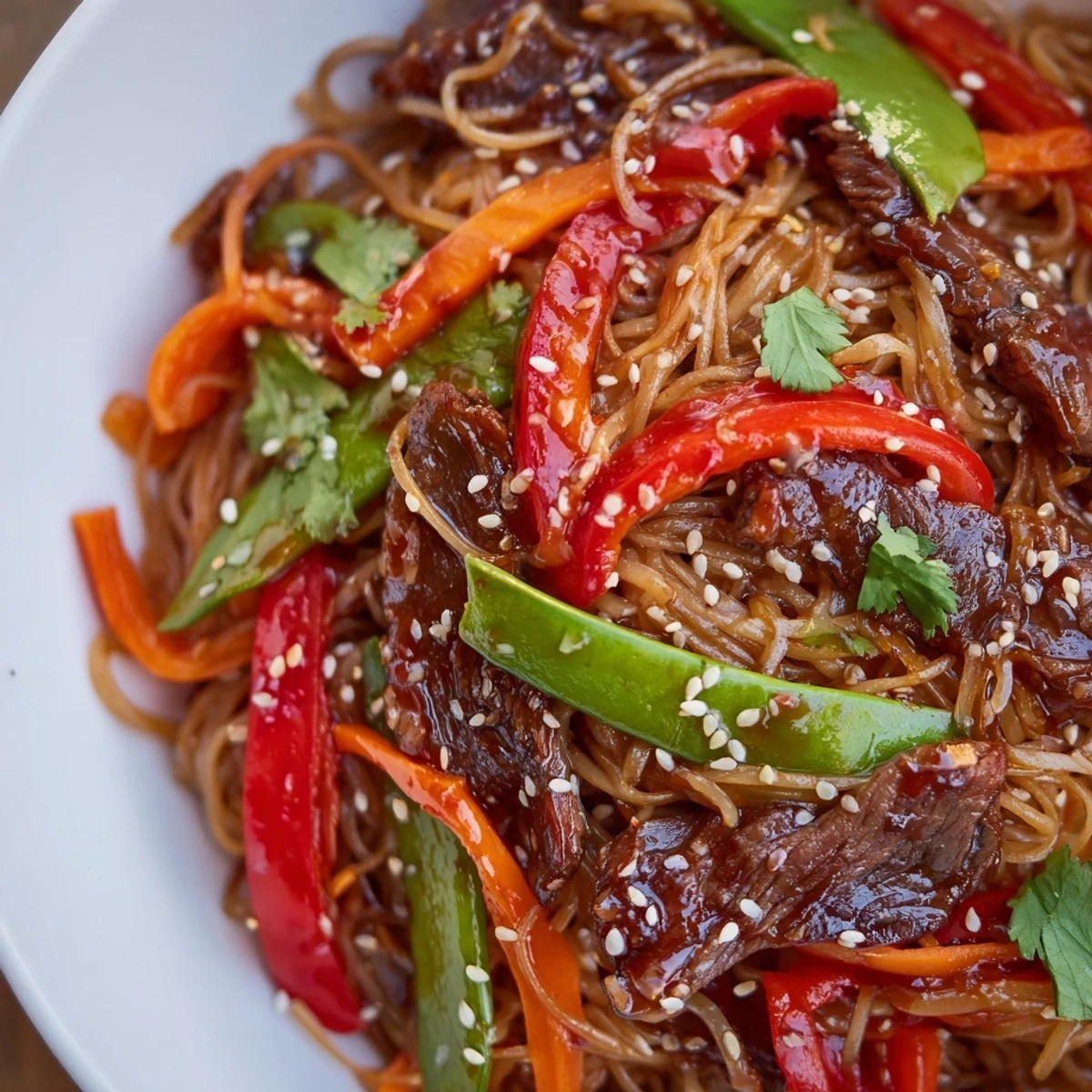
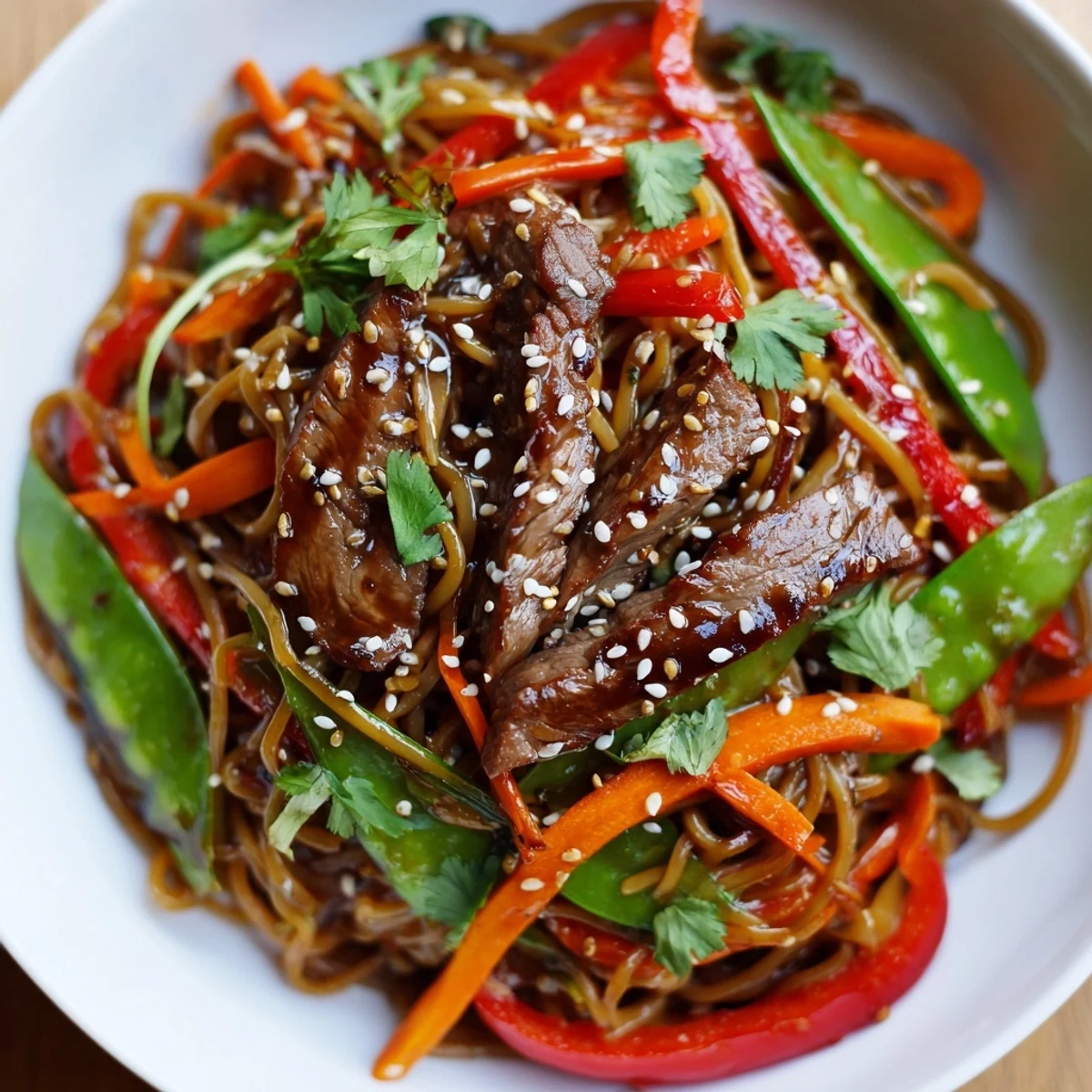
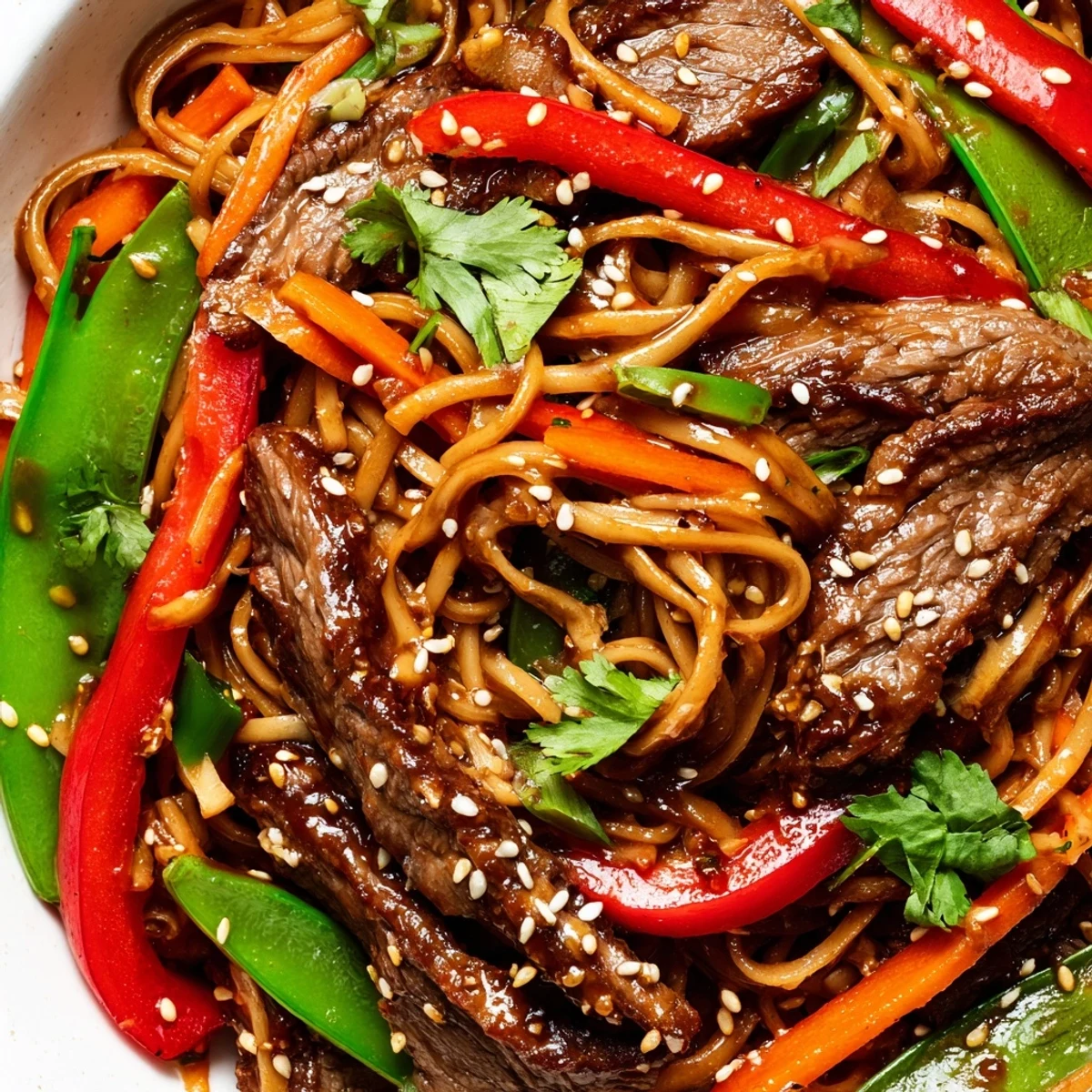
 This dish features tender flank steak slices marinated and seared to perfection, then coated in a rich, glossy sauce made with soy, oyster sauce, hoisin, and brown sugar. The chewy rice or egg noodles absorb every drop of flavor, while crisp bell peppers, carrots, and sugar snap peas add fresh crunch and vibrant color.
Perfect for busy weeknights, everything comes together in a single wok or skillet. The high-heat cooking method creates those coveted crispy edges on the beef while keeping it tender inside. Garnish with sesame seeds and fresh cilantro for restaurant-quality presentation.
Customize easily with your favorite vegetables or swap beef for chicken, tofu, or shrimp. The balance of sweet, salty, and umami flavors makes this a family favorite that's ready in under 40 minutes.
The aroma of caramelizing hoisin and garlic still takes me back to my tiny apartment kitchen, where I first attempted this on a Tuesday evening after work. I had this craving for something bold and glossy, the kind of noodles that cling to your chopsticks and leave you licking your lips. That first attempt was a chaotic mess of overcooked beef and sauce that never quite thickened, but the flavor potential was undeniable. Three years and dozens of tweaks later, this recipe finally captures that sticky, sweet-savory magic I was chasing.
I served this to my brother during his visit last month, watching him go silent after that first bite except for a muffled wow. He kept asking what the secret ingredient was, not realizing it was just the combination of hoisin and brown sugar hitting high heat. We sat there with our bowls, steam rising between us, while he told me about the lackluster takeout hes been settling for. Now he texts me every time he attempts it himself, usually with questions about getting the sauce consistency just right.
Ingredients
- Flank steak or sirloin (400 g): Thinly slicing against the grain is the difference between tender beef and chewy disappointment
- Cornstarch (1 tsp): This velvet technique creates that protective coating that keeps meat silky soft
- Rice noodles (300 g): Their slight chewiness holds up better than egg noodles in heavy sauces
- Hoisin sauce (2 tbsp): The fermented bean paste adds that deep, almost molasses like sweetness
- Brown sugar (2 tbsp): Helps achieve that caramelized gloss and balances salty soy
- Sugar snap peas: Their crunch provides the perfect fresh contrast to rich sauce
Instructions
- Marinate the beef:
- Toss the thinly sliced beef with soy sauce, cornstarch, and sesame oil until each piece is coated. Let it sit for 10 to 15 minutes while you prep everything else.
- Cook the noodles:
- Boil noodles according to package directions, then drain and rinse immediately with cold water. This stops the cooking and keeps them from clumping together.
- Mix the sauce:
- Whisk together soy sauce, oyster sauce, hoisin, brown sugar, rice vinegar, and red pepper flakes until the sugar completely dissolves.
- Sear the beef:
- Heat oil in a wok over high heat until smoking slightly. Add beef in a single layer and let it sear undisturbed for 1 to 2 minutes before flipping. Remove and set aside.
- Stir fry the vegetables:
- Add fresh oil to the wok, then toss in garlic, ginger, white spring onions, bell pepper, carrot, and snap peas. Cook for 2 to 3 minutes until fragrant and just tender.
- Bring it all together:
- Return the beef to the wok along with noodles and sauce. Toss everything vigorously for 2 to 3 minutes until the sauce thickens and coats everything in that signature glossy finish.
 Pin It
 This became my go to for rainy Sundays when I want something comforting but not heavy. Theres something deeply satisfying about standing over a hot wok, listening to vegetables hiss and sauce bubble away. It reminds me that the best cooking happens when you trust your senses more than the recipe card.
Getting The Sauce Consistency Right
The secret to that restaurant quality gloss is letting the sauce reduce slightly in the wok with the noodles. I used to rush this step and ended up with soupy noodles that couldnt hold onto the flavor. Now I let everything cook together for that extra minute, watching until the sauce coats the back of my spoon and leaves a trail.
Vegetable Timing Matters
Learned this the hard way after serving my family mushy carrots and bell peppers that had lost all crunch. Now I add the harder vegetables first, then tender snap peas last, so everything keeps some texture. The contrast of crisp vegetables against tender beef and slippery noodles is what makes each bite interesting.
Make It Your Own
While the original recipe is perfect as written, Ive found ways to adapt it based on whats in my fridge or who Im cooking for. Small tweaks keep this dish exciting without losing its soul.
- Swap flank steak for ribeye when you want extra marbling and richness
- Add baby bok choy or broccoli during the last minute of vegetable cooking
- Finish with a squeeze of fresh lime juice if you love bright, acidic notes
 Pin It
 Twirl up a heaping forkful, maybe add an extra pinch of red pepper flakes if you are feeling brave, and enjoy the fruits of your labor.
Recipe Questions & Answers
- → What cut of beef works best?
-
Flank steak or sirloin sliced thinly against the grain ensures tender beef that absorbs the marinade and cooks quickly. The thin slices also sear beautifully in the hot wok.
- → Can I make this ahead?
-
Prepare all ingredients in advance—slice vegetables, mix sauce, and marinate beef. Cook everything just before serving for the best texture and flavor. Reheated noodles may become soft.
- → How do I store leftovers?
-
Store in an airtight container in the refrigerator for up to 3 days. Reheat gently in a skillet with a splash of water to refresh the sauce. The noodles will soften slightly but remain delicious.
- → Is this gluten-free?
-
Use tamari instead of regular soy sauce, gluten-free oyster sauce, and rice noodles. Always check labels on hoisin sauce and other condiments to ensure they meet your dietary needs.
- → Can I adjust the spice level?
-
Reduce or omit red pepper flakes for a milder version. Add extra flakes, fresh chili slices, or a drizzle of chili oil when serving for those who enjoy more heat.
- → What vegetables can I substitute?
-
Broccoli florets, sliced mushrooms, baby corn, snow peas, or bok choy work beautifully. Use whatever crisp vegetables you have on hand for texture and color variation.