
 Pin It
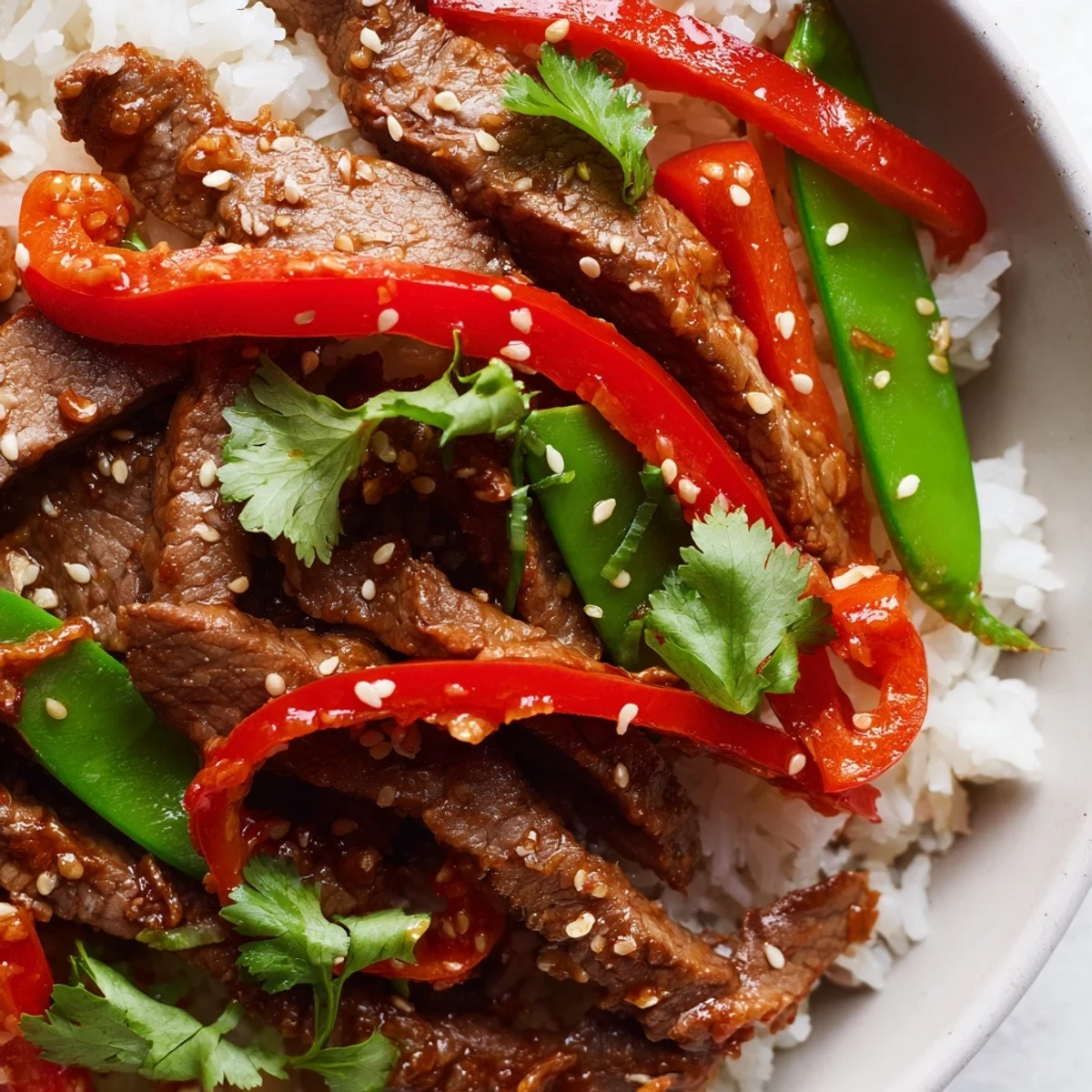
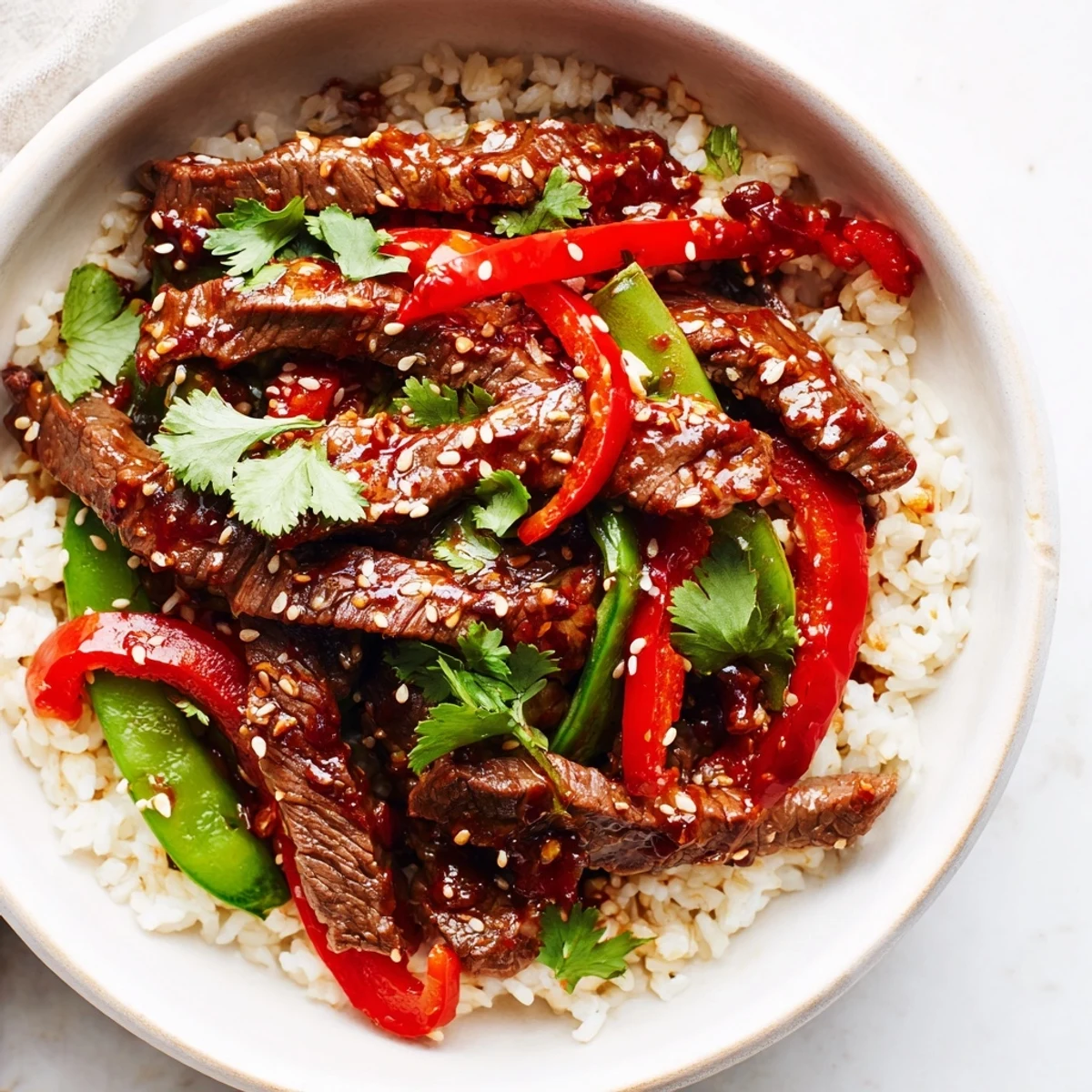
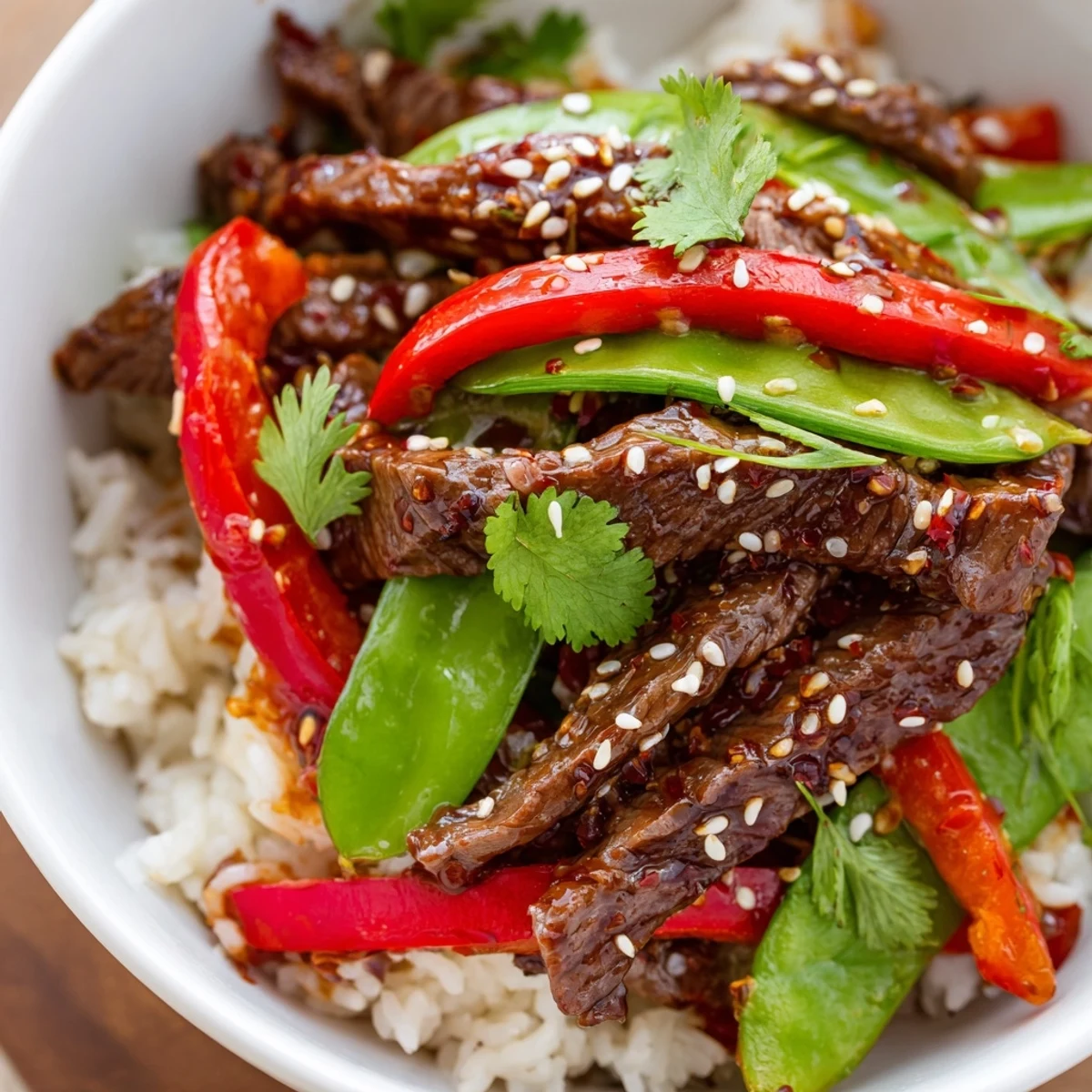
 This dish features tender strips of beef marinated and seared to perfection, then tossed in a bold, spicy sauce that balances heat and savory elements. Crisp vegetables like bell pepper, snap peas, and carrot add refreshing texture alongside steamed jasmine or basmati rice. Sesame oil and seeds introduce a nutty aroma, while fresh herbs lift the flavors, creating a quick, easy, and satisfying meal ideal for weeknights.
There's something about the sizzle of hot beef hitting a screaming wok that just makes my kitchen feel alive. I discovered this bowl during a phase where I was determined to recreate the takeout dishes I craved, tired of the predictable menu at my usual spot. One evening, I realized I had all the components scattered in my pantry—ginger, sriracha, a good cut of beef—and decided to stop overthinking it. That night, the whole thing came together faster than I expected, and I understood why this became my go-to when someone's coming over hungry or when I need dinner on the table in under an hour.
I made this for my partner on a weeknight when they'd mentioned craving something with real heat, and they kept asking for seconds. There's something gratifying about watching someone's face light up when they taste perfectly balanced spice—not just hot for the sake of it, but layered with garlic, ginger, and just enough sweetness to make it complex. That bowl somehow became the dish I'm known for now, the one people ask about.
Ingredients
- Flank steak or sirloin, thinly sliced: Choose a cut with good marbling; the thinness is key because it means the beef cooks in mere minutes and stays tender rather than turning chewy.
- Cornstarch and soy sauce for the beef: This combo is the secret to that silky coating you get at restaurants—the starch basically seals in the juices so the meat stays moist through the high-heat cooking.
- Sriracha or chili-garlic sauce: Pick one you actually like eating on its own; that's your flavor foundation, so don't skimp on quality here.
- Hoisin sauce: This brings an umami richness and slight sweetness that balances the heat and keeps the whole thing from being one-note spicy.
- Fresh ginger and garlic: Minced and grated, they're what lift this from sauce to something that tastes alive—dried versions just won't deliver the same brightness.
- Sesame oil: A little goes a long way; it's the finishing touch that makes people wonder what makes your version taste better than theirs.
- Vegetables: The red pepper, snap peas, and carrot are there to add color and crunch, but swap them for whatever you have—just keep them roughly the same size so they cook evenly.
- Jasmine or basmati rice: Both absorb the sauce beautifully; avoid sticky rice unless you like your bowl turning into a clumpy situation.
- Sesame seeds and cilantro: The finishing garnish that makes it look intentional rather than rushed, even if you prepared it in 20 minutes.
Instructions
- Prepare and marinate the beef:
- Toss your thin beef slices with soy sauce and cornstarch in a bowl—this takes two minutes but matters hugely. Let it sit for 10 minutes while you prep everything else; the cornstarch will start to hydrate and create that silky texture.
- Mix the spicy sauce:
- Whisk all the sauce ingredients together in a separate bowl until the brown sugar dissolves and everything looks glossy. Taste it straight from the spoon; you want it to be bold because it's going to coat the beef, not drown it.
- Sear the beef in batches:
- Get your skillet or wok smoking hot with a splash of oil, then add the beef in a single layer—resist the urge to crowd the pan because it'll steam instead of sear. Two to three minutes per batch and you're done; the meat should be brown on the outside and just cooked through inside.
- Stir-fry the vegetables:
- Use the same pan and add a bit more oil if it looks dry, then keep the heat high and keep moving things around with a wooden spoon or spatula. You're aiming for tender-crisp, which takes about three minutes; they should still have a little resistance when you bite them.
- Bring it all together:
- Return the beef to the pan with the vegetables, pour in your sauce, and toss everything vigorously over high heat for a minute or two until everything's coated and steaming. This is where the magic happens—all those flavors coat the beef and vegetables at once.
- Serve and garnish:
- Spoon everything over rice, then scatter sesame seeds, sliced spring onions, and fresh cilantro on top. The warm rice soaks up all that sauce, so don't be shy with it.
 Pin It
 The first time someone told me this was better than their favorite takeout place, I felt a little proud, honestly. It's one of those dishes that somehow crossed over from being a weeknight solution into something people actually request, which is the highest compliment a home cook can get.
The Secret to Restaurant-Quality Sear
The key is patience with your pan—let it get properly hot before anything touches it, and don't fidget with the beef while it's cooking. I used to flip and move things constantly, worried they'd burn, and that's exactly why I never got that golden crust. Now I give each side its full two to three minutes untouched, and the difference is obvious the moment you take a bite.
Building Heat Without Burning It Out
People often assume spicy means fire-in-your-mouth, but the best spicy food has layers—the sriracha brings the heat, the ginger adds sharpness, and the hoisin sweetness keeps it from becoming one-dimensional. It's why tasting the sauce before it hits the pan matters so much; you get to adjust it for your actual heat tolerance, not some imaginary audience's.
Customizing Your Bowl
This recipe is a framework, not a rulebook, and I've made it dozens of ways depending on what's in my fridge or what mood I'm in. Some nights I add sliced mushrooms or baby bok choy; other times I throw in pineapple chunks if I'm craving something slightly sweet and tropical. The important part is respecting the cooking method—keep things roughly the same size so they cook evenly, and don't overcrowd the pan.
- Try adding fresh pineapple chunks in the last minute of cooking for a sweet-spicy contrast that somehow works perfectly.
- Broccoli florets, bok choy, or even zucchini work beautifully as vegetable swaps without changing the technique.
- If you want more protein, add cashews or peanuts right at the end for crunch, or a beaten egg swirled in during the final toss for richness.
 Pin It
 This bowl has become my answer to the question of how to eat well on a busy night without feeling like I'm settling for something basic. It's fast, it's satisfying, and somehow it never gets old.
Recipe Questions & Answers
- → What cut of beef works best for this dish?
-
Flank steak or sirloin thinly sliced are ideal due to their tenderness and ability to absorb marinade flavors well.
- → Can I adjust the spice level?
-
Yes, adding more sriracha or fresh chilies increases heat, while reducing them softens the spice intensity.
- → What vegetables complement this dish?
-
Red bell pepper, snap peas, and carrots provide crispness and color, though broccoli or bok choy are great alternatives.
- → How can I make this gluten-free?
-
Use tamari instead of soy sauce and ensure all other sauces are certified gluten-free to accommodate dietary needs.
- → What type of rice pairs well?
-
Steamed jasmine or basmati rice offers fragrant, fluffy textures that balance the bold sauce and tender beef.