
 Pin It
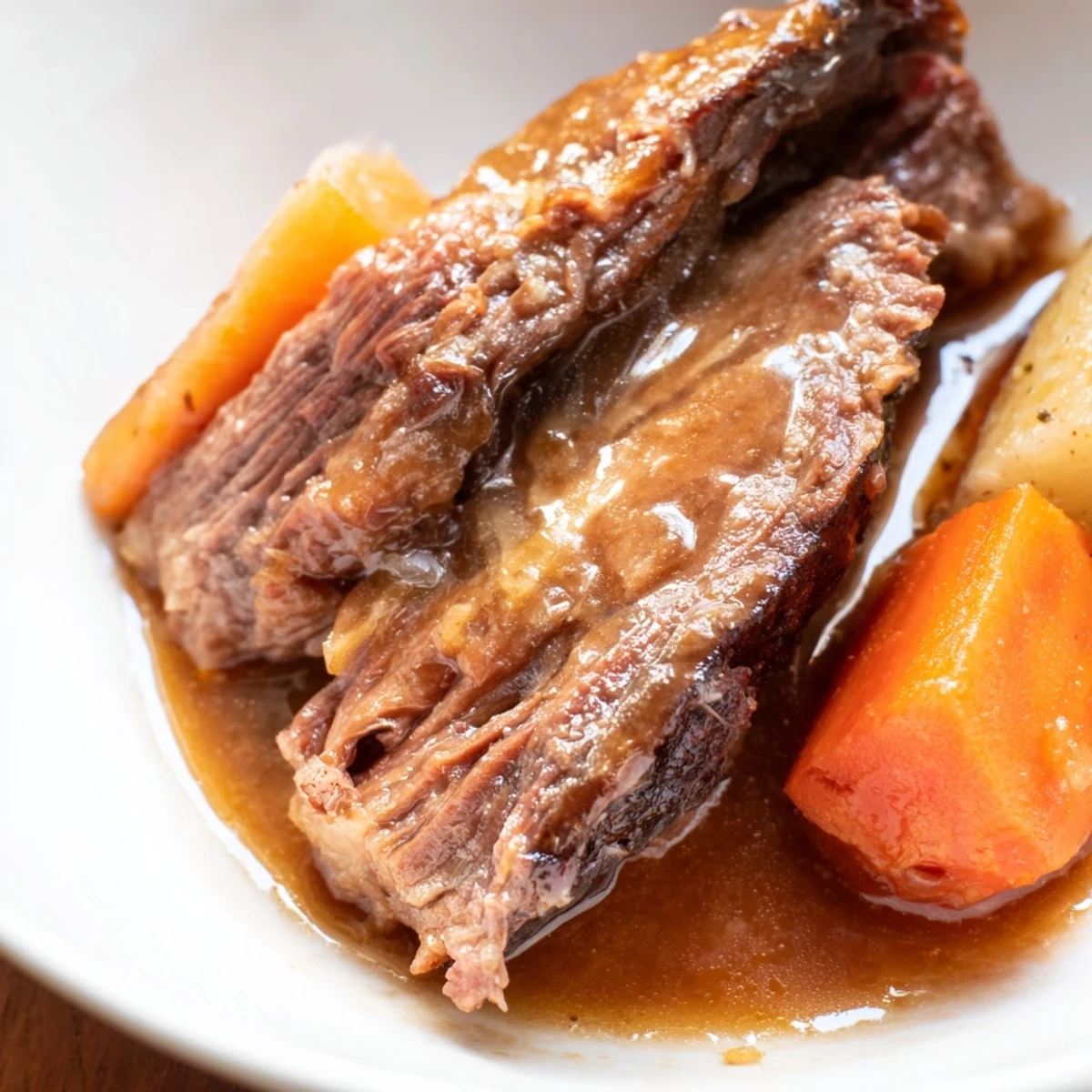
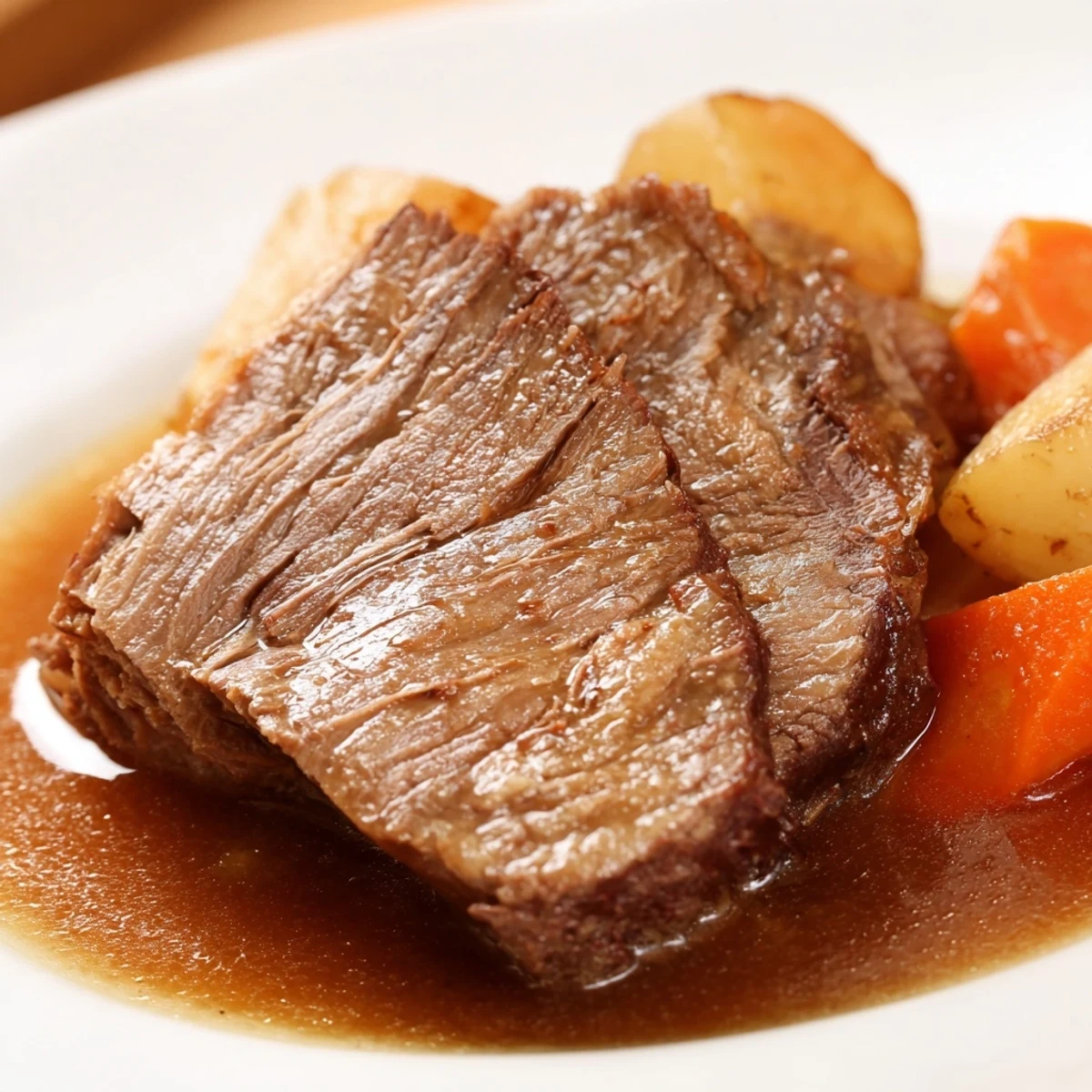
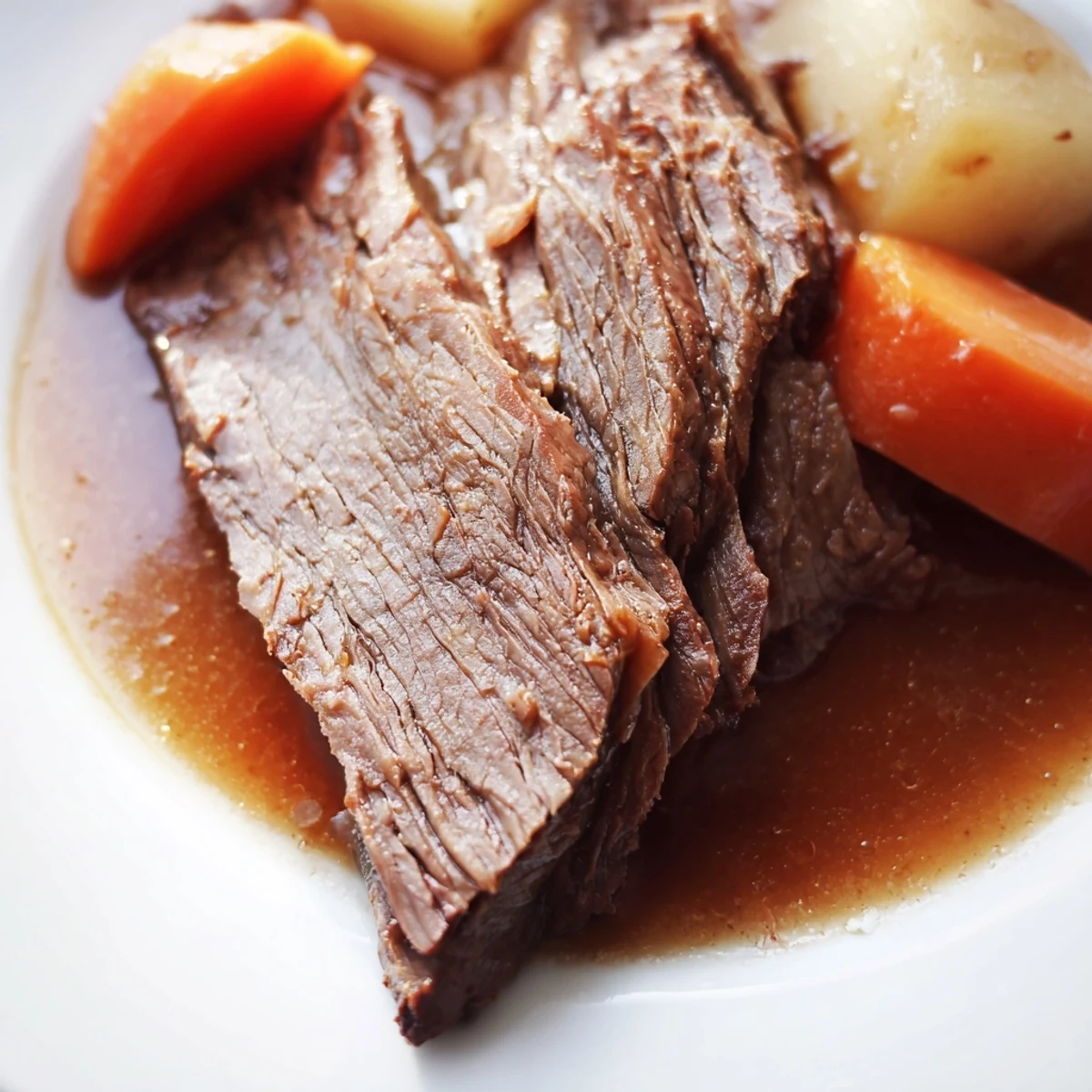
 This dish features a well-seasoned beef chuck slow-cooked alongside carrots, potatoes, celery, and aromatic herbs like rosemary and thyme. The beef is first seared to lock in juices, then cooked low and slow in savory broth and Worcestershire sauce until tender enough to shred. The vegetables absorb the rich flavors creating a wholesome, hearty meal perfect for any day. Remove bay leaves before serving and optionally thicken the cooking liquid for a luscious sauce.
There's something almost magical about coming home to the smell of a slow cooker that's been quietly working all day. I discovered this beef roast method on a particularly hectic Tuesday when I needed dinner but had zero energy to fuss over it. What started as pure convenience turned into a dish I now crave on cold afternoons, when the house fills with that deep, savory aroma that makes everyone drift toward the kitchen asking when dinner will be ready.
I made this for my in-laws last winter when they surprised us with a visit, and I remember my mother-in-law's face when she tasted how tender the beef was. She kept asking what fancy technique I'd used, and I had to laugh telling her it was just patience and a slow cooker. That meal somehow became our tradition now, and they always seem to show up on those cold evenings when it's simmering away.
Ingredients
- Beef chuck roast (3–4 lb): This is the cut that transforms during slow cooking, becoming impossibly tender as the low heat breaks down the connective tissue; don't skimp on size or opt for leaner cuts like sirloin.
- Carrots, potatoes, celery, and onion: Layer these on the bottom to create a flavor base and catch all the rich drippings; cutting them into decent-sized chunks keeps them from dissolving into mush.
- Garlic, rosemary, thyme, and bay leaves: These herbs are what separate a one-note braise from something aromatic and crave-worthy; fresh herbs are worth seeking out if you can find them.
- Beef broth and Worcestershire sauce: The broth creates the cooking liquid while Worcestershire adds a savory depth that tastes like you've been simmering this for days.
- Salt, pepper, and olive oil: The salt and pepper season the meat before searing, and that hot oil is what creates a golden crust that locks in flavor.
Instructions
- Dry and season the roast:
- Pat the beef completely dry with paper towels so it can brown properly rather than steam. Season both sides generously with salt and pepper, letting it sit for a minute so the seasoning really clings to the meat.
- Sear until golden:
- Heat your skillet until the oil shimmers, then carefully lay the roast down and resist the urge to move it around. Listen for that satisfying sizzle and let each side develop a deep brown crust for about 3–4 minutes before flipping.
- Build your slow cooker base:
- Scatter the vegetables across the bottom of your slow cooker; they're like a cushion that keeps the meat from sitting directly on the bottom and allows the liquid to circulate all around.
- Layer in the aromatics:
- Toss the minced garlic, herb sprigs, and bay leaves over the vegetables and roast. The heat will coax out all their essential oils and infuse the entire pot.
- Add the braising liquid:
- Pour the broth and Worcestershire sauce slowly over everything, watching it settle around the roast and vegetables. You want enough liquid to come about halfway up the sides of the roast.
- Let time do the work:
- Cover and set the slow cooker to low; this long, slow heat transforms the tough connective tissue into gelatin, making the beef melt on your tongue. After 8 hours, the roast should shred easily with just a fork.
- Finish and serve:
- Fish out the bay leaves and any woody herb stems, then slice or shred the roast however you prefer. Pour those precious pan juices and vegetables over everything before serving.
 Pin It
 There was a rainy Sunday when my daughter asked to help cook this, and we stood together chopping vegetables, her small hands working so seriously beside mine. Now whenever I make it, I think about how proud she was to have contributed something to dinner, and how the slow cooker became proof that good food doesn't require rushing or stress.
Building Deeper Flavor
The secret to this dish tasting like it took hours of active cooking is in those first few minutes when you're searing the meat. That browning isn't just about looks; it's where Maillard reactions happen, creating complex flavors that a slow cooker alone could never achieve. I used to skip this step until someone explained it this way, and now I never do.
Customizing Your Roast
Once you understand how this works, you can play with it endlessly without losing the magic. Swap in sweet potatoes or parsnips if regular potatoes feel boring, or add mushrooms and pearl onions for a more elegant feel. The beauty is that as long as you respect the proportions and cooking time, the method is flexible enough to match whatever you're in the mood for.
Serving and Storage
This is the kind of meal that tastes even better the next day when the flavors have had time to deepen and marry together. Leftover beef shreds beautifully into sandwiches or reheats gently in a low oven without drying out, making it one of those rare dishes that rewards you twice.
- Serve with crusty bread to soak up every drop of that savory sauce.
- Store leftovers in an airtight container for up to 4 days, or freeze the shredded beef separately from the vegetables for up to 3 months.
- If you want a thicker gravy, whisk 1 tablespoon of cornstarch with a little cold water and stir it in during the last 20 minutes of cooking.
 Pin It
 This roast has become my go-to when I want to feed people I love without the anxiety of timing or technique. It's honest food that tastes like care, and that might be the best thing any recipe can do.
Recipe Questions & Answers
- → How do I ensure the beef remains tender?
-
Searing the beef before slow cooking helps seal in juices, and cooking on low heat for about 8 hours breaks down connective tissue for tenderness.
- → Can I substitute vegetables in this dish?
-
Yes, swapping potatoes for sweet potatoes or parsnips adds a different flavor while maintaining heartiness.
- → What herbs best complement the slow-cooked beef?
-
Fresh or dried rosemary, thyme, and bay leaves provide a balanced aromatic profile enhancing the beef’s richness.
- → How can I thicken the sauce after cooking?
-
Remove one cup of cooking liquid, whisk in a tablespoon of cornstarch, then return it to the cooker and cook for 20 more minutes.
- → Is this suitable for gluten-free diets?
-
Use gluten-free beef broth and verify Worcestershire sauce ingredients to ensure it fits gluten-free requirements.