
 Pin It
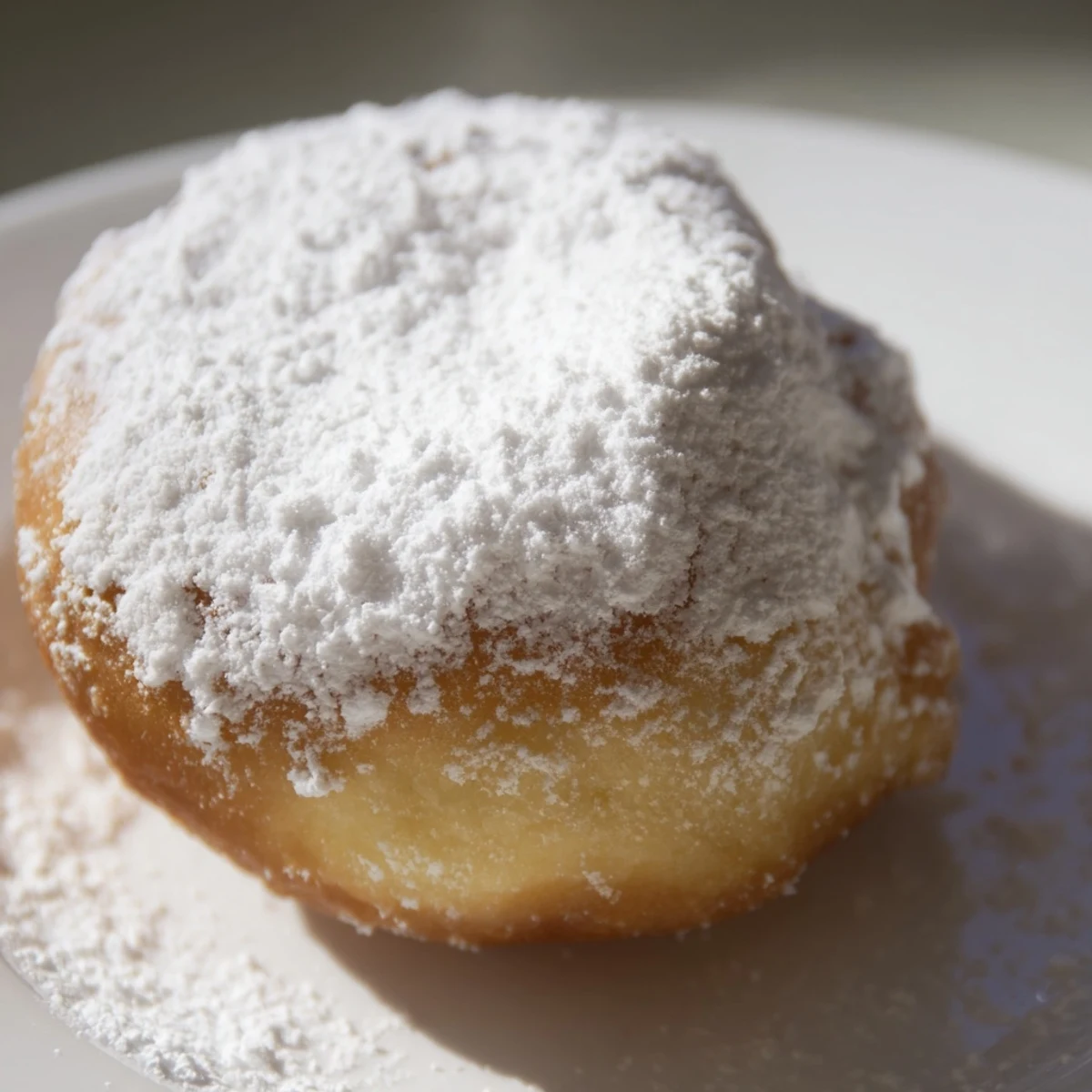
 Mardi Gras beignets are iconic New Orleans pastries featuring light, puffy dough that's deep-fried until golden and generously dusted with powdered sugar. This traditional preparation takes about 2 hours including rising time and yields 24 beignets. The dough uses warm milk, yeast, and a touch of vanilla for authentic flavor.
The process involves creating a soft dough, allowing it to rise until doubled, then cutting into squares and frying until puffed and golden. Serve immediately while warm, ideally with café au lait for an authentic experience. These festive treats work perfectly for celebrations or as a special breakfast indulgence.
The first time I made beignets, my kitchen was filled with the sweet aroma of fried dough and memories of a weekend trip to New Orleans. Standing in my flour-dusted kitchen, I could almost hear the distant jazz music playing in the French Quarter while powdered sugar settled like snow across my countertops. Even with my amateur attempt, that first bite transported me straight back to Café du Monde.
Last Mardi Gras, I surprised my family by waking up early to prepare these golden squares of joy. My daughter wandered into the kitchen rubbing sleep from her eyes, immediately perking up at the sight of dough puffing in hot oil. We laughed as she tried to eat one without getting sugar everywhere, an impossible feat that ended with white powder covering her face like a tiny powdered ghost.
Ingredients
- Active Dry Yeast: Treat your yeast like the living organism it is, making sure your milk is warm but not hot, otherwise youll kill the very thing that makes your beignets rise beautifully.
- All-Purpose Flour: I learned that measuring flour precisely makes all the difference between tough squares and pillowy puffs of heaven.
- Powdered Sugar: Be absurdly generous here, as true New Orleans style demands a snowstorm of sweetness that makes you cough a little when you take that first delicious bite.
Instructions
- Wake Up Your Yeast:
- Mix warm milk, yeast and a tablespoon of sugar in a small bowl, then wait patiently for about 5 minutes until it becomes foamy and fragrant. This little moment of patience tells you your yeast is alive and ready to work its magic.
- Create Your Foundation:
- Whisk together the remaining sugar, eggs, melted butter, salt, and vanilla in a large bowl before stirring in that foamy yeast mixture. Your kitchen will start smelling like a bakery even at this early stage.
- Build Your Dough:
- Gradually add flour while mixing until a sticky dough forms, then transfer to a floured surface for kneading. Youll feel the transformation under your hands as it becomes smooth and elastic after about 5-7 minutes.
- The Waiting Game:
- Place your dough in a greased bowl, cover it, and find the warmest spot in your kitchen for it to rise. In about an hour to hour and a half, it should double in size, which always feels like culinary magic to me.
- Shape Your Beignets:
- Punch down that puffy dough and roll it out on a well-floured surface to a half-inch thickness. Cut into 2-inch squares with a sharp knife or pastry cutter, creating little pillows of potential.
- The Sizzle:
- Heat your oil to 350°F in a heavy pot, then gently slide in a few beignets at a time, watching them puff and turn golden as they swim in the hot oil. Flip them once for even browning, about 1-2 minutes per side.
- The Grand Finale:
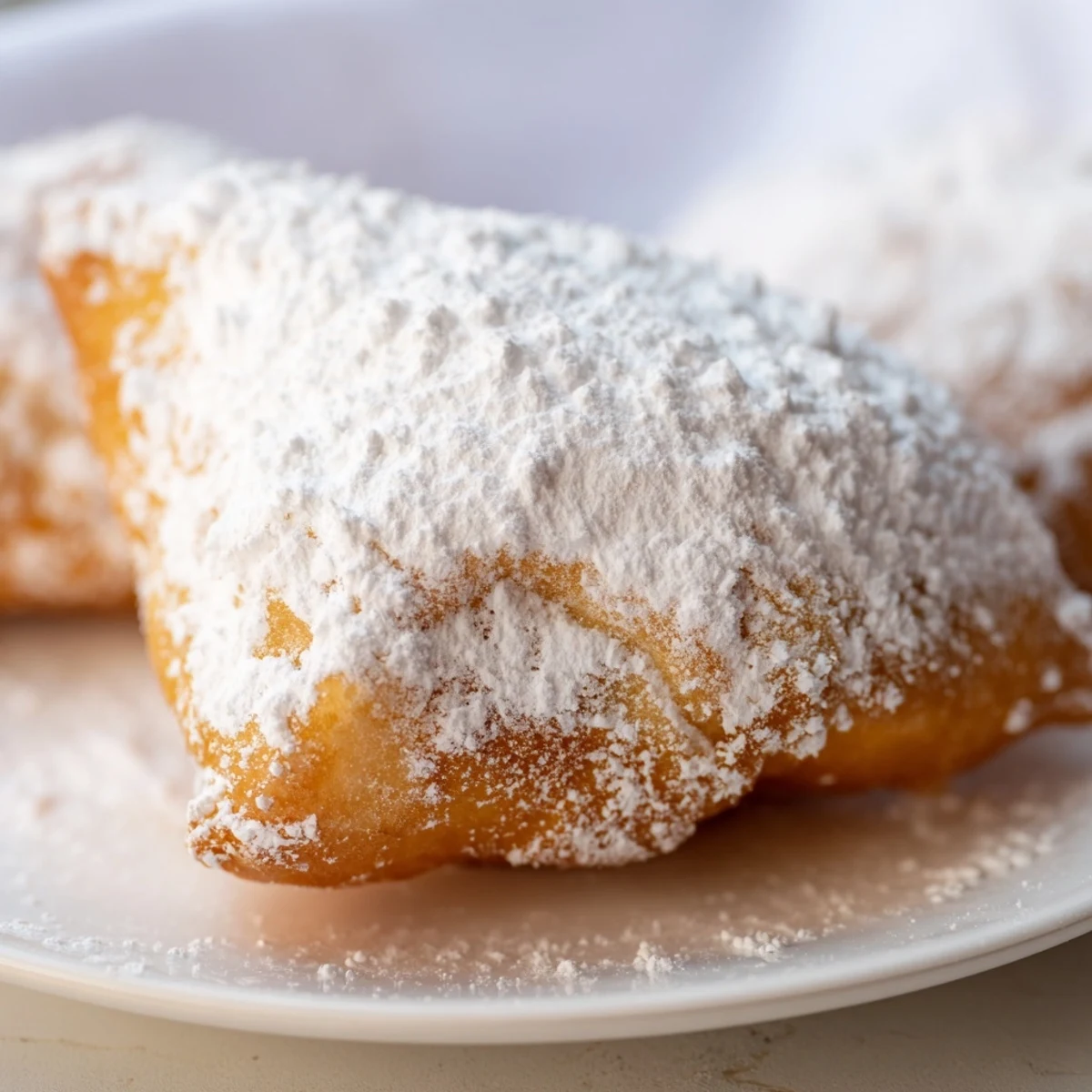
- Rescue golden beignets with a slotted spoon and let them drain on paper towels for just a moment. While still warm, shower them generously with powdered sugar until they practically disappear under white sweetness.
 Pin It
 On my fortieth birthday, instead of cake, I requested these beignets and served them with strong coffee as friends gathered in my backyard. The laughter that erupted when everyone took their first powdered-sugar-explosion bites cemented this recipe as more than just a treat. As the evening wore on, we all sported sugar mustaches and shared stories, the beignets becoming both dessert and conversation piece.
The Perfect Frying Temperature
After several batches of either too-pale or too-brown beignets, I discovered the importance of oil temperature like a scientist having a breakthrough moment. Using a candy thermometer changed everything, showing me that 350°F is the sweet spot where magic happens. When the temperature drops too low, the dough absorbs oil like a sponge, but too high and the outside burns before the inside cooks properly.
Serving with New Orleans Style
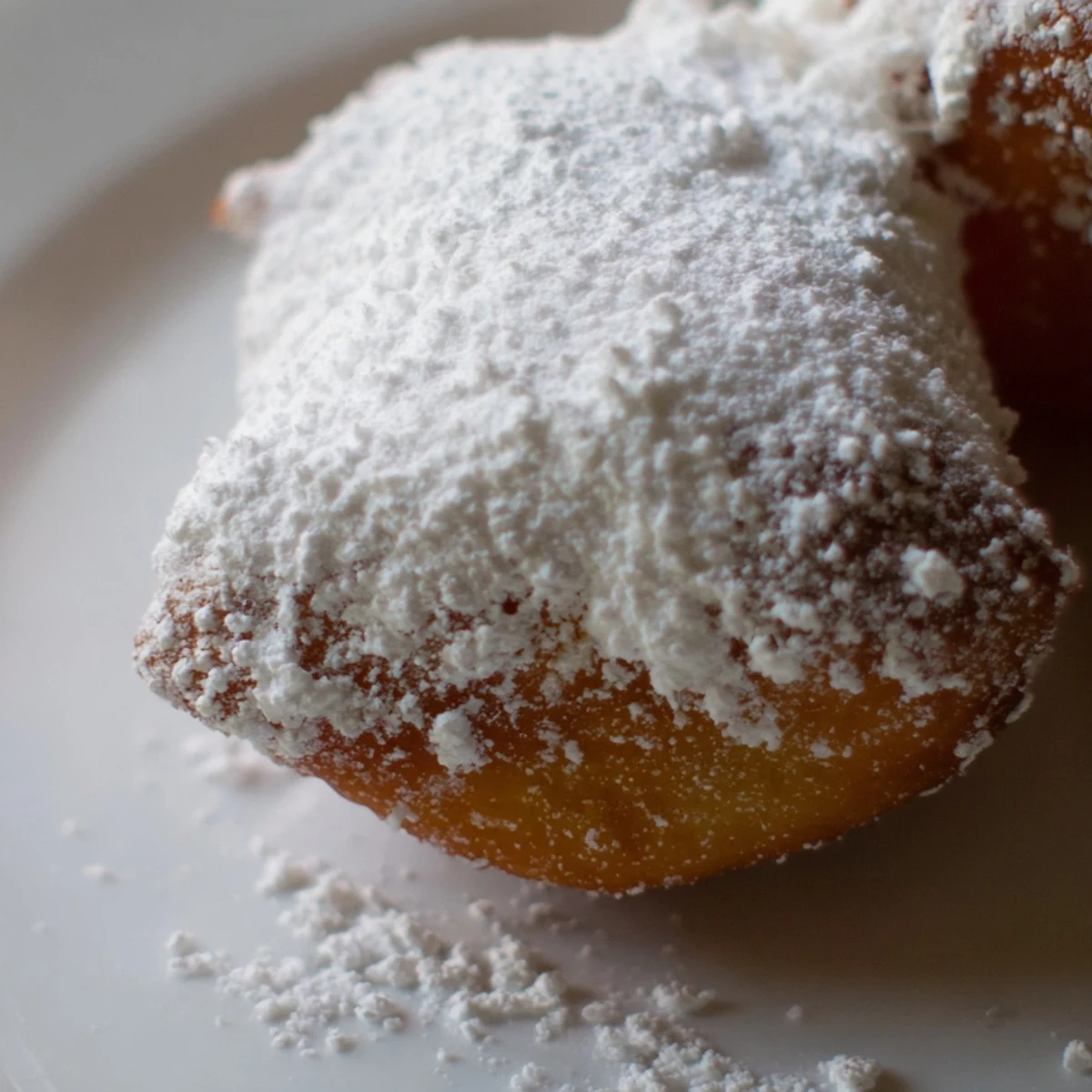
Watching locals in New Orleans taught me that serving is half the experience. They arrive in mountains of powdered sugar, not delicate dustings, alongside strong chicory coffee or café au lait in wide cups perfect for dipping. The contrast between bitter coffee and sweet dough creates a harmony that explains why people line up around blocks for this simple pleasure.
Making Ahead and Storage
After experimenting with timing, I found you can refrigerate the dough overnight after the first rise, which actually improves the flavor through slow fermentation. Just punch it down, cover tightly with plastic wrap, and let it come to room temperature for about 30 minutes before rolling and cutting.
- Freshly fried beignets wait for no one, as they lose their magical texture after about two hours.
- If you must save time, prepare the dough ahead and refrigerate overnight for an even richer flavor profile.
- Leftover beignets can be briefly reheated in a 350°F oven for 3-4 minutes, though theyll never quite recapture that fresh-fried glory.
 Pin It
 Whether for Mardi Gras celebrations or just because its Tuesday, these beignets bring a touch of New Orleans festivity into your kitchen. Embrace the powdered sugar chaos and let the good times roll.
Recipe Questions & Answers
- → How long does the dough need to rise?
-
The dough typically requires 1 to 1.5 hours to rise until doubled in size. This allows the yeast to activate properly and creates the light, pillowy texture characteristic of authentic beignets. Rising time may vary depending on room temperature.
- → What oil temperature is best for frying?
-
Maintain the oil temperature at 350°F (175°C) for optimal results. This temperature ensures the beignets puff up properly and develop a golden-brown exterior while remaining light inside. Use a thermometer to monitor temperature throughout frying.
- → Can I prepare the dough ahead of time?
-
Yes, you can prepare the dough and refrigerate it overnight. Cover the dough after the initial rise and store in the refrigerator. Bring it to room temperature before rolling, cutting, and frying for best results.
- → How should I store leftover beignets?
-
Store cooled beignets in an airtight container at room temperature for up to 2 days. To refresh them, warm briefly in a 300°F oven for 5 minutes. For longer storage, freeze in an airtight container for up to 3 months and reheat before serving.
- → What's the traditional way to serve beignets?
-
Serve beignets immediately while still warm with generous dusting of powdered sugar. Pair with café au lait (coffee with hot milk) for an authentic New Orleans experience. The warm pastries and hot beverage combination is traditional and delicious.
- → Can I add flavor variations to the dough?
-
Absolutely! Consider adding a pinch of nutmeg, lemon zest, or cinnamon to the dough for extra flavor. You can also dust with cinnamon sugar instead of powdered sugar, or drizzle with chocolate. Experiment while maintaining the basic dough structure.