 Pin It
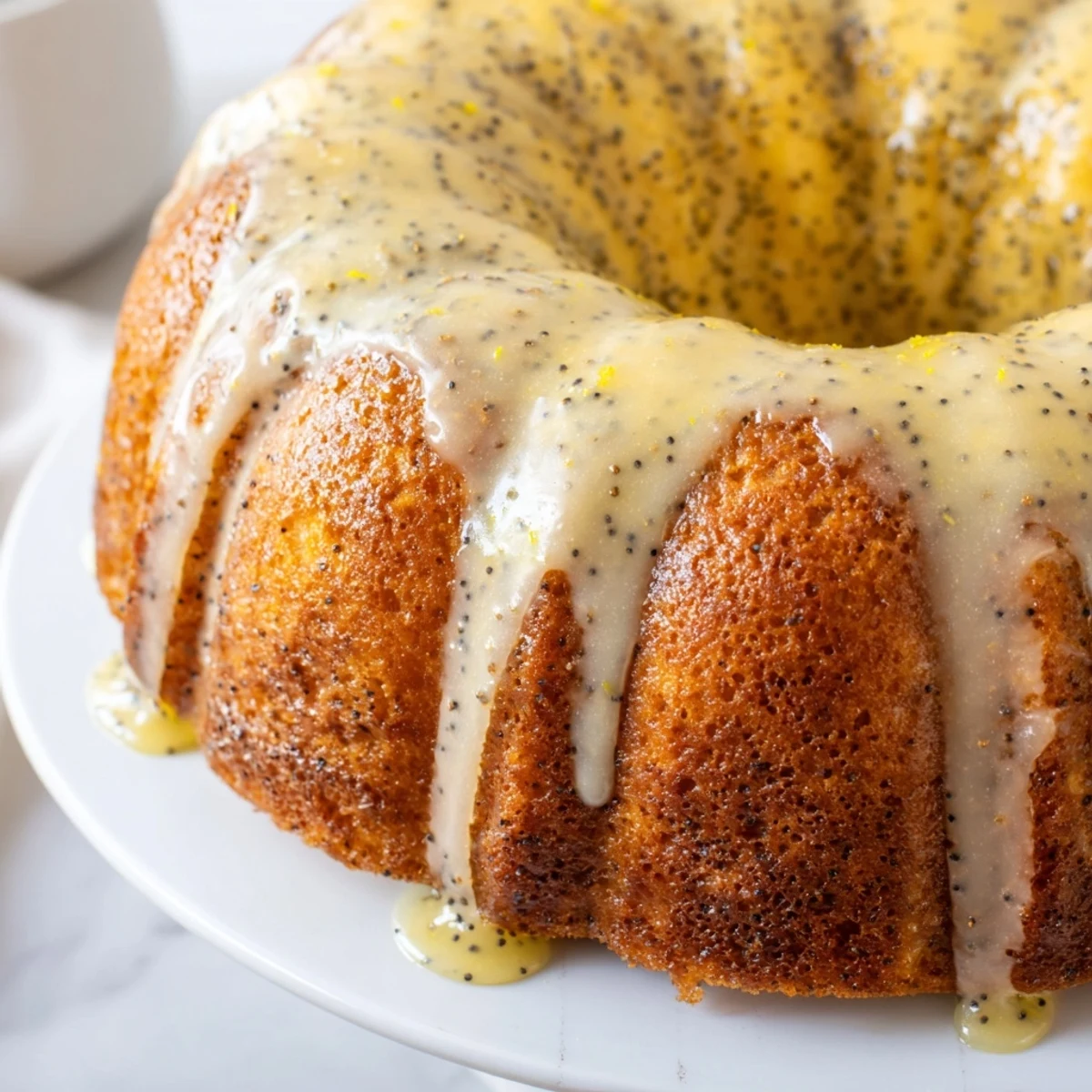
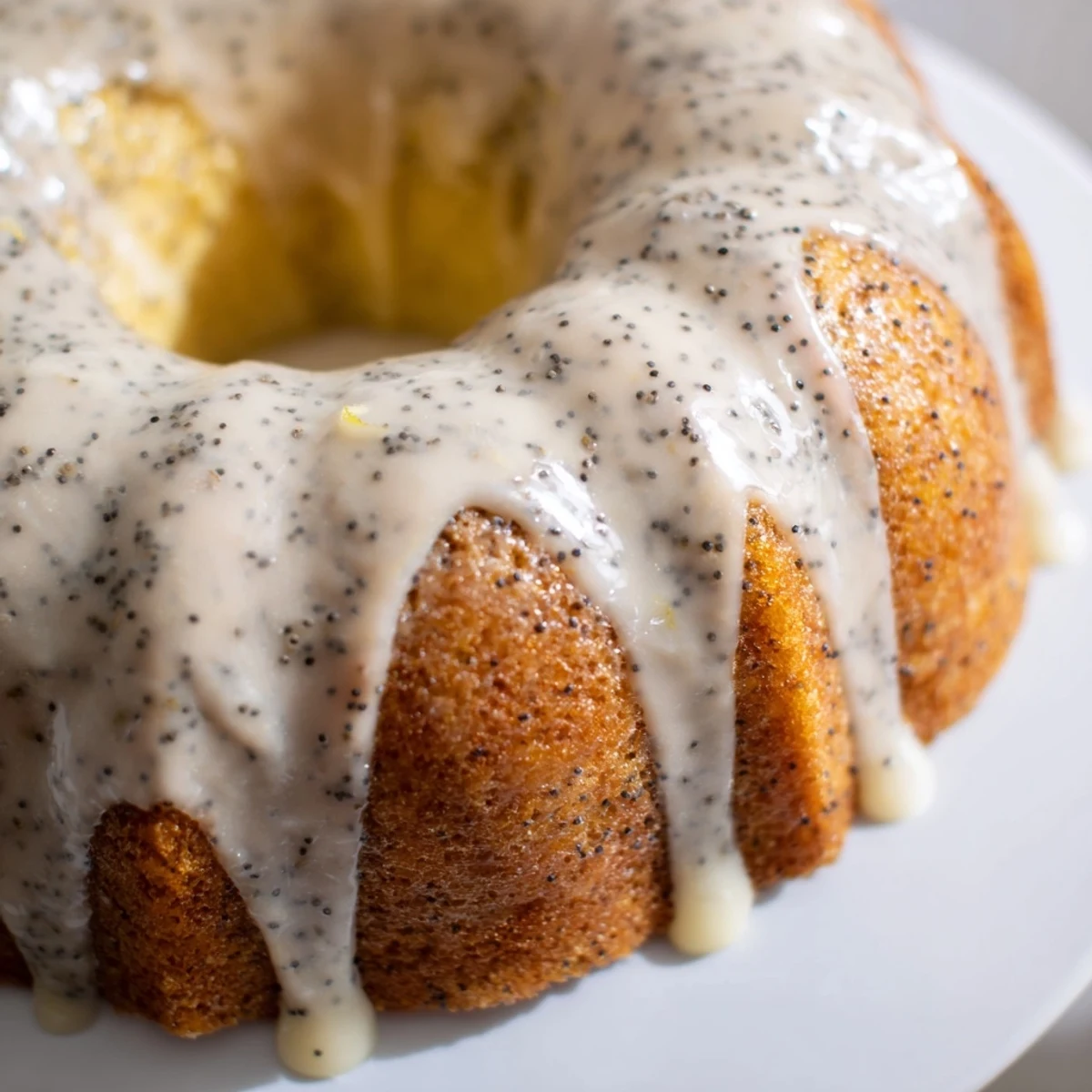
 This lemon poppy seed Bundt cake combines a moist, tender crumb with bright citrus flavor and delicate poppy seed texture. The batter incorporates fresh lemon zest and juice along with sour cream for richness, resulting in a beautifully risen cake when baked at 350°F for about 50 minutes. Once cooled, a smooth lemon glaze drapes elegantly over the finished cake.
The combination of butter, sugar, and eggs creates the foundation, while the flour, baking powder, and baking soda ensure proper rise. Alternating wet and dry ingredients during mixing prevents overdevelopment of gluten, keeping the crumb tender. The poppy seeds add visual appeal and subtle nutty undertones.
The sunny kitchen window was my unwitting accomplice the first time I made this lemon poppy seed bundt cake. Light streamed in, catching the tiny black seeds as they scattered across my countertop like stars against a flour galaxy. Something about the bright scent of fresh lemon zest mixed with the rich aroma of butter browning in the oven transformed an ordinary Tuesday into something worth remembering. That perfect balance of tart and sweet, with the surprising textural pop from those tiny seeds, has made this cake my go-to celebration centerpiece ever since.
I brought this cake to my neighbor after she helped me chase down my escaped dog during a thunderstorm. We sat on her screened porch, rain still pattering outside, forks digging into thick slices while exchanging neighborhood stories. The conversation flowed as easily as the glaze had over the cake, and by the time the rain stopped, we were no longer just neighbors but friends who now share recipes over the fence.
Ingredients
- Poppy seeds: Those tiny black specks are more than just visual interest, they provide subtle nutty crunch that keeps everyone guessing what makes this cake so addictive.
- Lemon zest: I learned to zest lemons before juicing them, and only the yellow part, because the white pith underneath brings bitterness rather than brightness.
- Sour cream: The secret weapon that makes this cake impossibly tender, providing just enough tanginess to complement the lemon while creating that velvety texture.
- Room temperature ingredients: After ruining a cake with cold eggs that curdled my batter, I now religiously set out dairy products an hour before baking.
Instructions
- Prepare your pan properly:
- Grease every nook and cranny of that bundt pan like your cake depends on it, because it absolutely does. I use a pastry brush to apply melted butter, followed by a light dusting of flour, tapping out the excess over the sink.
- Create the fluffiest base:
- Beat the butter and sugar until it lightens in color and looks almost like whipped cream. This incorporates air that gives your cake its perfect rise and texture.
- Add eggs patiently:
- Each egg needs time to fully incorporate before adding the next one. Watch how the batter transforms, becoming silkier with each addition.
- Layer in flavors:
- When you add the lemon zest, rub it between your fingers first to release the fragrant oils. The kitchen will suddenly smell like sunshine.
- Balance wet and dry ingredients:
- Alternate flour mixture with the milk mixture, starting and ending with flour. This prevents the batter from separating and keeps everything smooth and emulsified.
- Monitor the bake carefully:
- Start checking around 45 minutes by inserting a toothpick in the deepest part of the cake. Look for a few moist crumbs rather than wet batter.
- Perfect the glaze consistency:
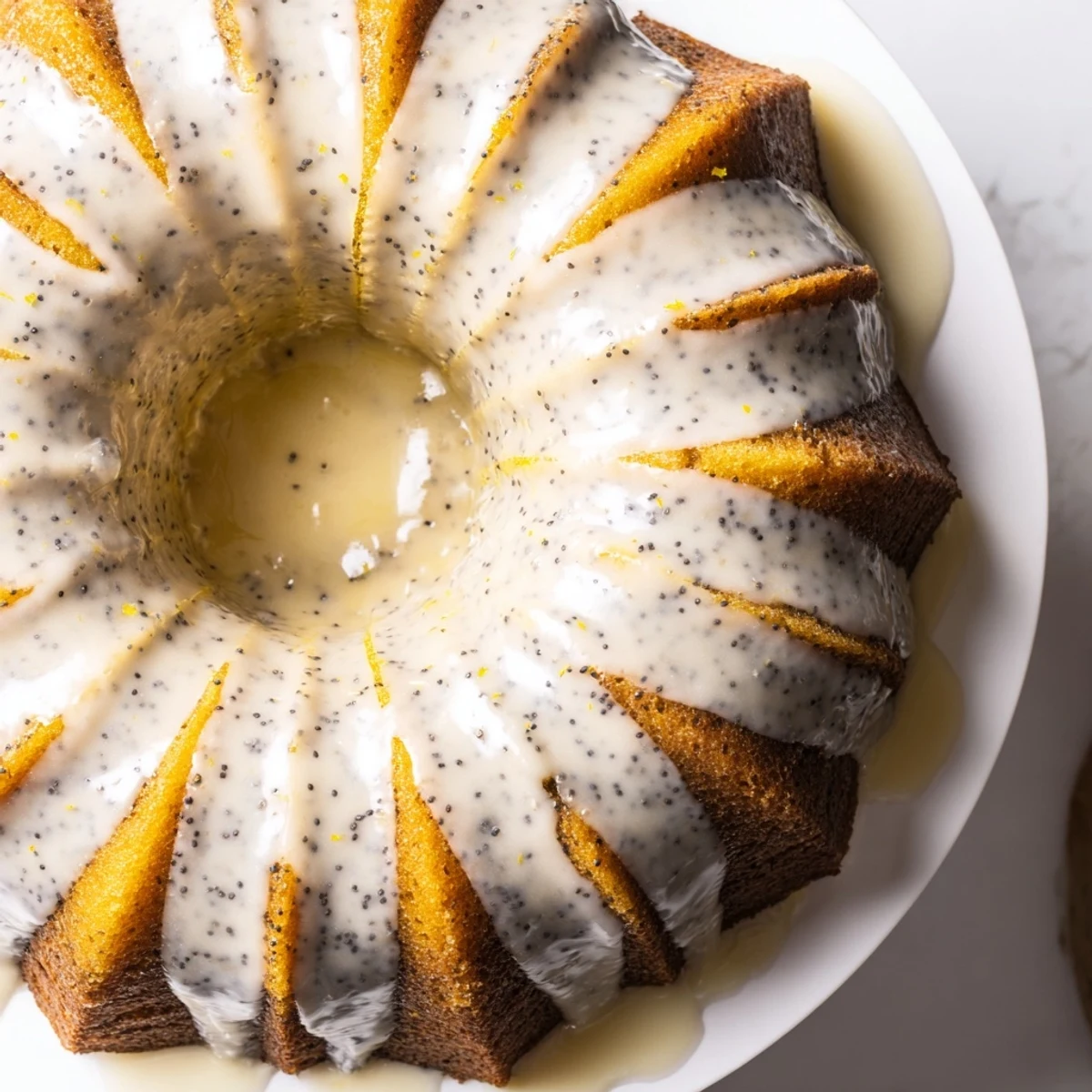
- Add lemon juice gradually to the powdered sugar until it reaches the perfect ribbon thickness. Too thin and it disappears into the cake, too thick and it won't drape beautifully.
 Pin It
 Last Christmas Eve, my power went out right as I was mixing the batter for this cake. Rather than abandon the tradition, I finished by candlelight, whisking by hand until my arm ached. The unexpected silence in the kitchen, free from the usual hum of appliances, made me appreciate the simplicity of baking. That slightly imperfect, hand-mixed cake became the centerpiece of our holiday story that year, with everyone claiming it tasted even better than usual.
Make Ahead Options
I discovered through sheer panic before hosting book club that this cake actually improves with a day of rest. The flavors meld and deepen, while the texture becomes even more tender. Now I intentionally bake it the day before an event, keeping it covered at room temperature, and add the fresh glaze just a few hours before serving for that perfect balance of set but not hardened icing.
Seasonal Variations
During summer berry season, I often serve this cake with a tumble of fresh raspberries in the center of the bundt ring, their tartness playing beautifully against the sweet lemon glaze. In winter months, I sometimes add a pinch of cardamom to the batter and substitute orange zest for some of the lemon, creating a warmer, more aromatic version that pairs wonderfully with after-dinner coffee on cold evenings.
Serving Suggestions
The simple elegance of this bundt cake belies how versatile it can be in different settings. I once sliced it horizontally and filled it with lemon curd for an impromptu birthday celebration, and another time cut it into small cubes for a trifle when unexpected guests arrived.
- For brunch gatherings, serve thin slices alongside a bowl of mascarpone cream lightly sweetened with honey.
- At dinner parties, warm individual slices for just 10 seconds in the microwave before serving for that fresh-from-the-oven experience.
- If bringing to a potluck, transport unglazed and apply the finishing touch just before presenting to maintain that picture-perfect appearance.
 Pin It
 There is something magical about the moment a bundt cake releases perfectly from its pan, revealing all those gorgeous ridges and valleys that will soon cradle rivers of glaze. Its that moment I think about whenever I make this recipe, a small but genuine kitchen victory worth celebrating.
Recipe Questions & Answers
- → Can I use a regular round cake pan instead of a Bundt pan?
-
Yes, you can use two 9-inch round cake pans or one 9x13 rectangular pan. Reduce baking time to 30-35 minutes for round pans, checking with a toothpick for doneness. The Bundt shape allows for even heat distribution, so monitor baking time carefully with alternative pans.
- → How do I prevent the cake from sticking to the Bundt pan?
-
Thoroughly grease every crevice of the pan with butter or cooking spray, then dust generously with flour. Some bakers use a baking spray designed for Bundt pans. After baking and cooling for 15 minutes, run a thin knife around the edges before inverting onto a cooling rack.
- → What causes a dense or sunken center in the cake?
-
Overmixing the batter, using cold eggs, or opening the oven door too early can result in density. Ensure eggs and milk are room temperature for proper emulsification. Mix only until ingredients are combined. Avoid opening the oven before the 45-minute mark to prevent collapse.
- → Can I make this cake ahead of time?
-
Yes, the cake keeps well for 2-3 days covered at room temperature or wrapped in plastic wrap. You can also freeze it for up to one month. Apply the glaze just before serving for best appearance and texture. Thaw frozen cake at room temperature for 2-3 hours before glazing.
- → How do I achieve a smooth, glossy glaze?
-
Sift the powdered sugar to remove lumps before mixing with lemon juice and zest. Whisk until completely smooth and slightly thick but pourable. If too thick, add lemon juice by the teaspoon; if too thin, add more sifted sugar. Drizzle over the cooled cake and allow 30 minutes for the glaze to set completely.
- → Is this suitable for dietary restrictions?
-
This cake contains dairy, eggs, and wheat gluten. It is vegetarian. For dairy-free versions, substitute butter with dairy-free alternatives and use non-dairy milk with dairy-free sour cream, though results may vary slightly. Always check ingredient labels for allergen information.