 Pin It
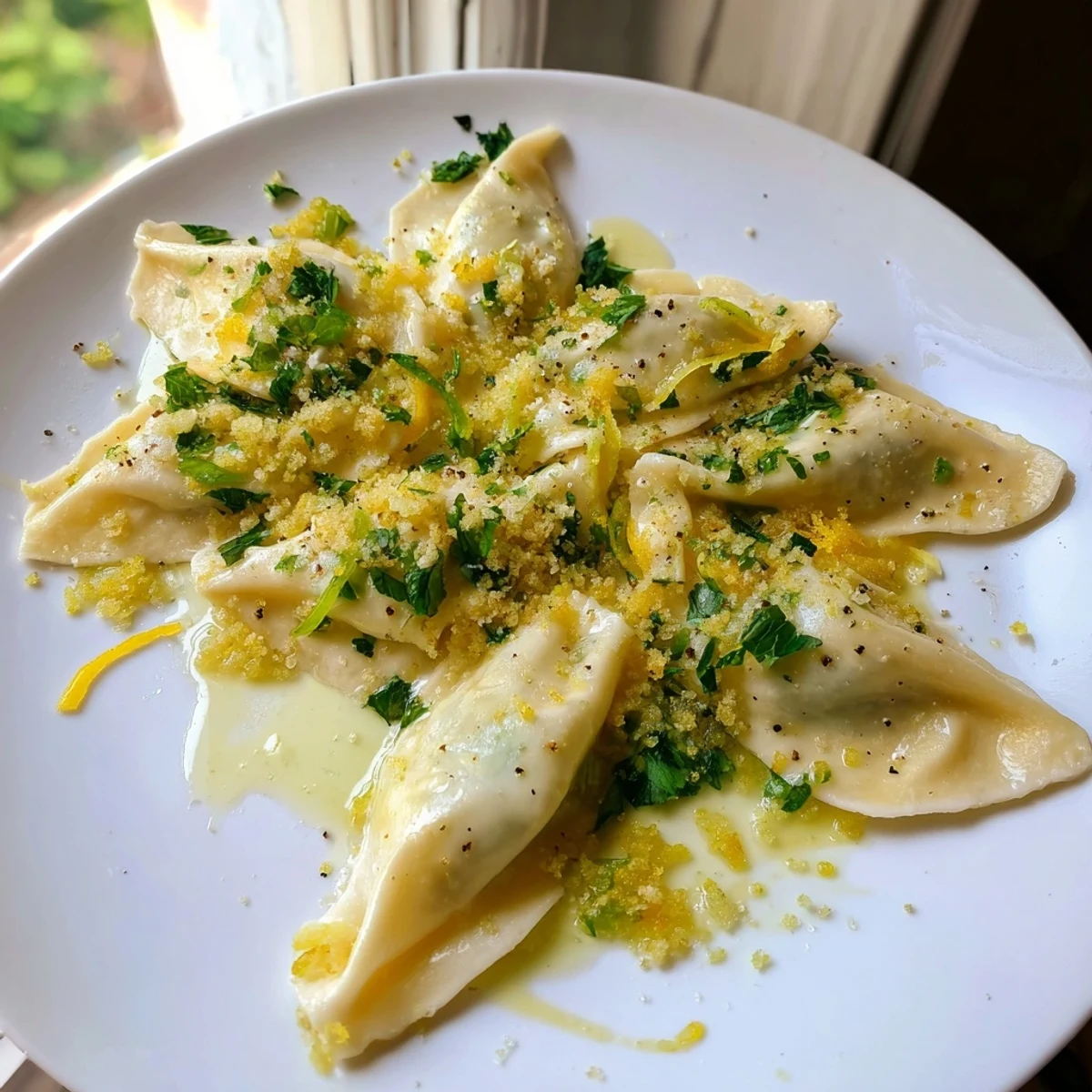
 These handmade pasta triangles are filled with a luxurious blend of creamy burrata and softly sautéed leeks, seasoned with a hint of lemon zest. Each triangoli is carefully folded and boiled until tender, then bathed in a silky lemon butter sauce. A generous topping of crispy sourdough breadcrumbs toasted in butter with fresh parsley and lemon zest adds the perfect crunch. This Italian-inspired vegetarian dish balances rich, creamy, bright, and crunchy textures in every bite.
The flour exploded everywhere when my elbow caught the edge of the mound, scattering my carefully built well of eggs across the kitchen counter in one spectacular sweep. My friend Luca, who had been patiently teaching me to make pasta by hand, just laughed and handed me a bench scraper without a word. That messy afternoon in his cramped Milan apartment kitchen taught me more about dough than any cookbook ever could, and I have been obsessed with handmade pasta shapes ever since.
I made these triangoli for my sisters birthday dinner last spring and she refused to share the leftovers, wrapping the entire plate in foil and hiding it behind the milk in her fridge. The next morning she texted me a photo of her eating them cold, standing in front of the open refrigerator at six in the morning, no shame at all.
Ingredients
- 00 flour (250 g plus extra for dusting): This finely milled Italian flour creates the silkiest pasta dough and is worth seeking out for this recipe.
- 2 large eggs: Fresh eggs with deep orange yolks give the dough its rich color and suppleness.
- Olive oil (1 tbsp): A small splash helps keep the dough pliable and easier to roll.
- Salt (pinch for dough, plus to taste for filling): Seasoning the dough itself might seem minor but it makes a noticeable difference in the final taste.
- 2 medium leeks, white and light green parts only: Clean these thoroughly because grit hiding between the layers will ruin an otherwise perfect filling.
- Burrata cheese (200 g, well drained): Drain the burrata on paper towels for at least fifteen minutes or the filling becomes too wet to seal properly.
- Unsalted butter (2 tbsp for leeks, 2 tbsp for breadcrumbs, 60 g for sauce): Good butter is doing a lot of heavy lifting here so use the best quality you can find.
- Lemon zest (1/2 lemon for filling, 1 whole lemon for breadcrumbs, 1/2 lemon for sauce): Zest the lemons before juicing them and do it over the cutting board so you catch every fragrant curl.
- Fresh sourdough breadcrumbs (50 g): Tear real sourdough bread and pulse it in a food processor for crumbs with actual character and texture.
- Fresh parsley (1 tbsp finely chopped): Flat leaf parsley brings a brightness that rounds out the richness of the butter and cheese.
- Freshly ground black pepper: Be generous with it in both the filling and the sauce for a gentle warming kick.
- Lemon juice (from 1/2 lemon): This goes into the final sauce and balances all that rich butter beautifully.
Instructions
- Build the flour well:
- Mound the flour on a clean surface and carve out a wide crater in the center, then drop in the eggs, olive oil, and salt. Use a fork to gradually pull in flour from the inner walls of the well, working slowly so the liquid does not breach the sides.
- Knead until proud:
- Once the dough comes together into a shaggy mass, push it away from you with the heel of your palm, fold it back, and rotate a quarter turn. Keep going for eight to ten minutes until the dough feels smooth, springy, and alive under your hands.
- Let it rest:
- Wrap the dough tightly in plastic and set it aside for thirty minutes so the gluten can relax and the dough becomes easy to roll without springing back.
- Soften the leeks:
- Melt two tablespoons of butter in a pan over medium heat and add the chopped leeks, stirring occasionally until they collapse into sweet softness but never brown. This usually takes about six to eight minutes and your kitchen will smell incredible.
- Create the filling:
- Let the leeks cool completely, then tear the drained burrata into pieces and fold it together with the leeks, lemon zest, salt, and pepper. Handle it gently because you want creamy pockets throughout, not a homogeneous paste.
- Roll and shape:
- Divide the rested dough in half and roll each portion out paper thin, either with a rolling pin or a pasta machine. Cut into eight centimeter squares, place a teaspoon of filling in the center of each, fold into triangles, and press the edges firmly to seal with a dab of water if needed.
- Toast the breadcrumbs:
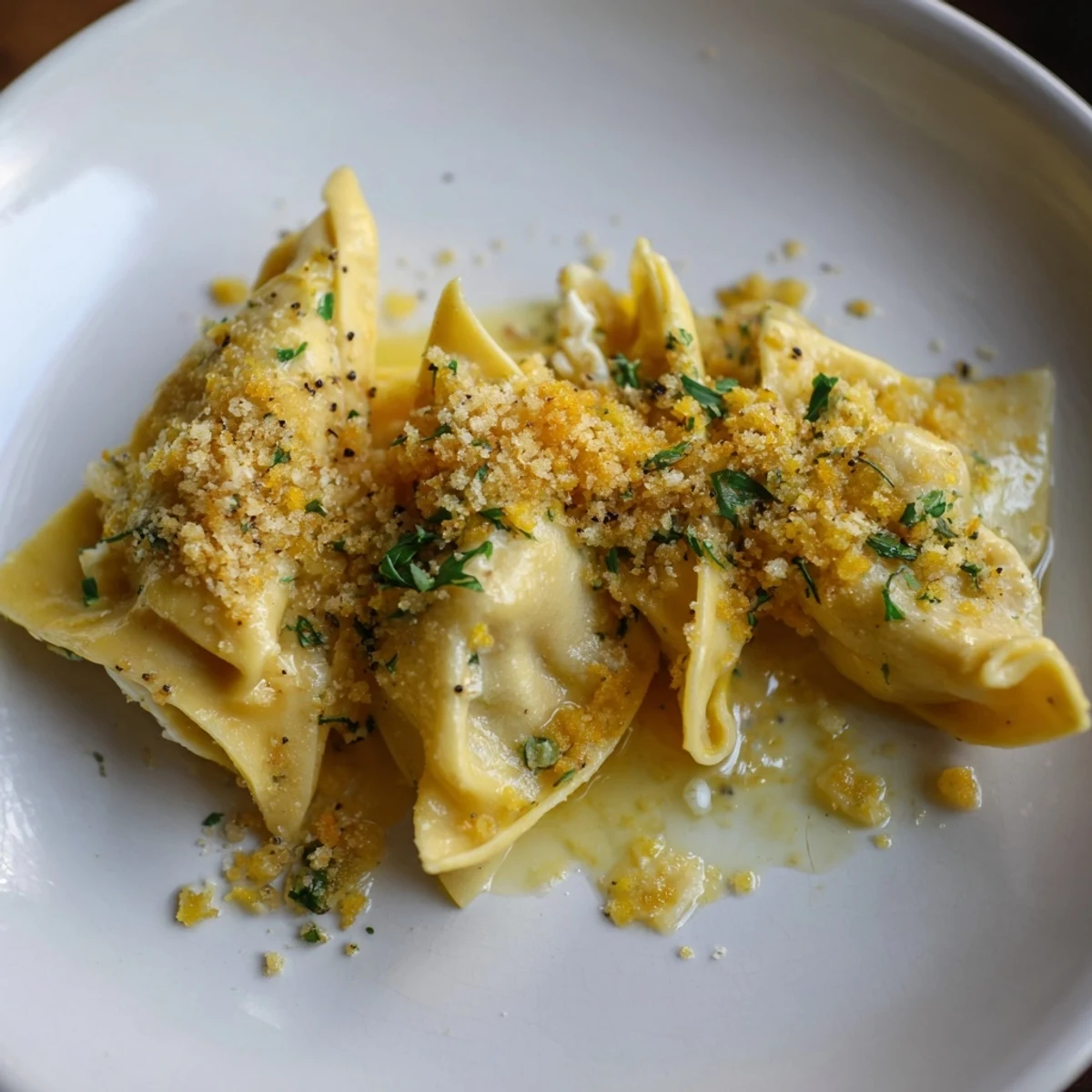
- In a dry skillet over medium heat, melt two tablespoons of butter and add the sourdough breadcrumbs, tossing constantly until they turn a deep golden color. Stir in the lemon zest, parsley, and salt at the very end so nothing burns.
- Cook and sauce:
- Drop the triangoli into a large pot of gently boiling salted water and cook for three to four minutes until they float and the pasta is tender. Meanwhile melt the remaining butter in a large skillet with lemon juice, zest, and pepper, then transfer the cooked triangoli straight into this sauce with a slotted spoon and toss gently to coat every surface.
 Pin It
 There is a specific kind of silence that falls over a table when everyone is too busy eating to speak, and I have heard it every single time I serve these.
Getting the Seal Right
Pressing the edges of each triangoli shut is a small act of faith because you cannot see inside once they are sealed. I learned to press firmly with the tines of a fork after a few opened up in the water like sad little envelopes. A tiny brush of water along the inside edges before folding makes all the difference, and if you work on a lightly floured surface the dough will not stick or stretch out of shape.
Making It Your Own
Once you feel confident with the basic triangoli shape, the filling possibilities open up beautifully. A pinch of chili flakes folded into the breadcrumbs adds a warmth that cuts through the richness in the best way. You could swap burrata for well drained ricotta if that is what you have, though the texture will be slightly denser and less creamy inside.
Serving and Pairing
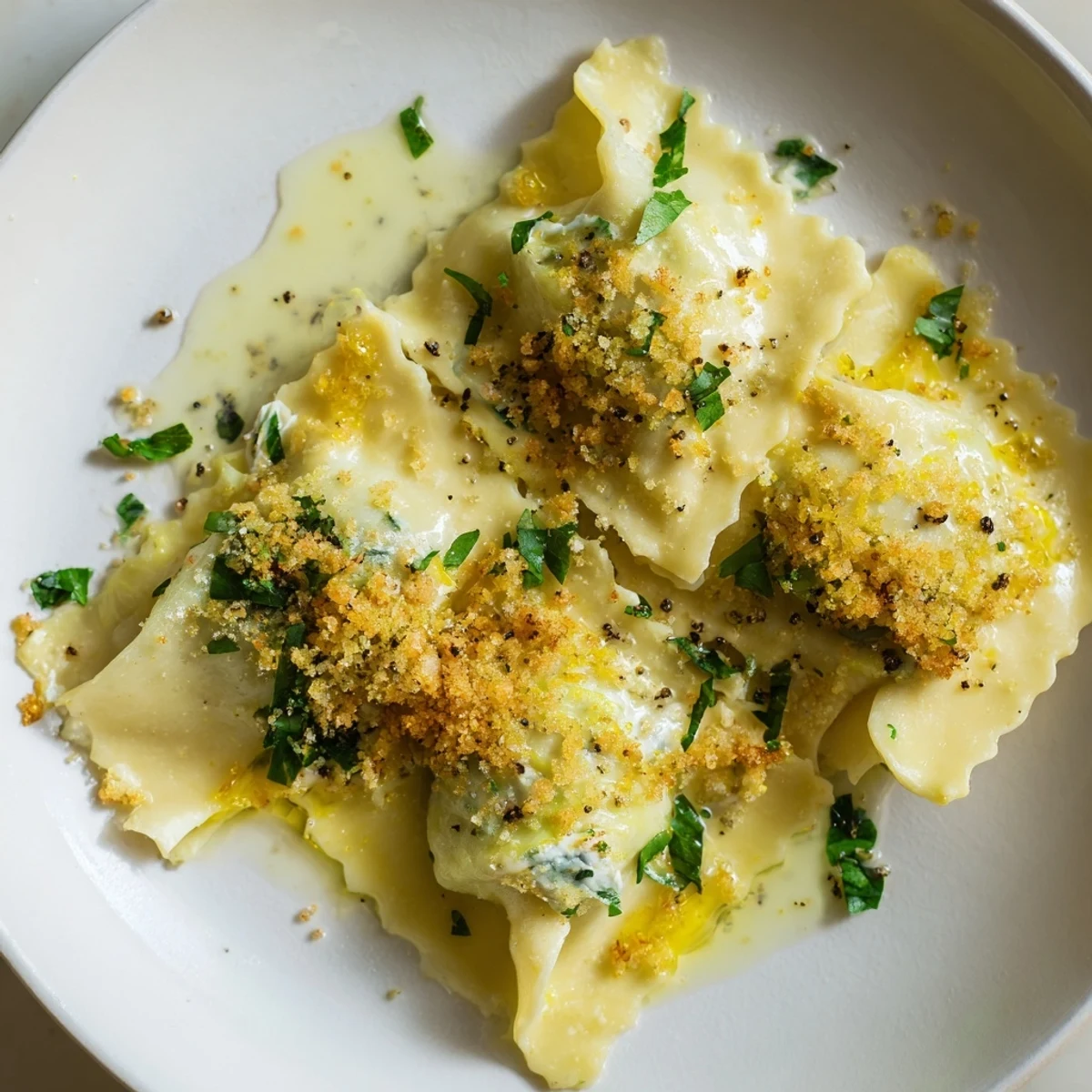
This dish demands to be eaten immediately while the pasta is silky and the breadcrumbs still have their crunch. A glass of chilled Pinot Grigio alongside turns an ordinary weeknight into something that feels like a celebration, even if it is just a Tuesday. Plate the triangoli in shallow bowls rather than flat plates so the lemon butter sauce pools around them invitingly.
- Finish each plate with an extra crack of black pepper and a scattering of fresh parsley right before serving.
- Warm your serving bowls in a low oven so the pasta stays hot through the entire meal.
- Double the breadcrumb recipe because everyone will want extra for seconds.
 Pin It
 Every time I make these triangoli I think of flour everywhere and Luca laughing, and I am grateful that a ruined mound of dough turned into one of the best things I know how to cook.
Recipe Questions & Answers
- → Can I make the pasta dough ahead of time?
-
Yes, you can prepare the pasta dough up to 24 hours in advance. Wrap it tightly in plastic wrap and refrigerate. Let it come to room temperature for about 15 minutes before rolling out for the best elasticity.
- → What can I substitute for burrata in the filling?
-
Ricotta cheese works well as a substitute, but be sure to drain it thoroughly to prevent a watery filling. You could also use a mix of ricotta and mozzarella for a similar creamy texture with slightly less moisture.
- → How do I prevent the triangoli from opening while cooking?
-
Make sure to press the edges firmly when sealing the triangles. A light brush of water on the dough edges before folding helps create a stronger seal. Also, keep the filling centered and avoid overstuffing each piece.
- → Can I freeze uncooked triangoli?
-
Absolutely. Arrange the uncooked triangoli on a floured tray and freeze until solid, then transfer to an airtight container. They can be frozen for up to 2 months. Cook them directly from frozen, adding 1–2 extra minutes to the boiling time.
- → Why are my breadcrumbs not getting crispy?
-
Use fresh sourdough breadcrumbs for the best texture and make sure the butter is fully melted and the skillet is at medium heat before adding them. Stir frequently and avoid overcrowding the pan. They should turn golden and crispy within 3–4 minutes.
- → What wine pairs well with this dish?
-
A chilled Pinot Grigio complements the creamy burrata and bright lemon butter beautifully. Other great options include a Vermentino or a light Soave, which balance the richness without overpowering the delicate flavors.