
 Pin It
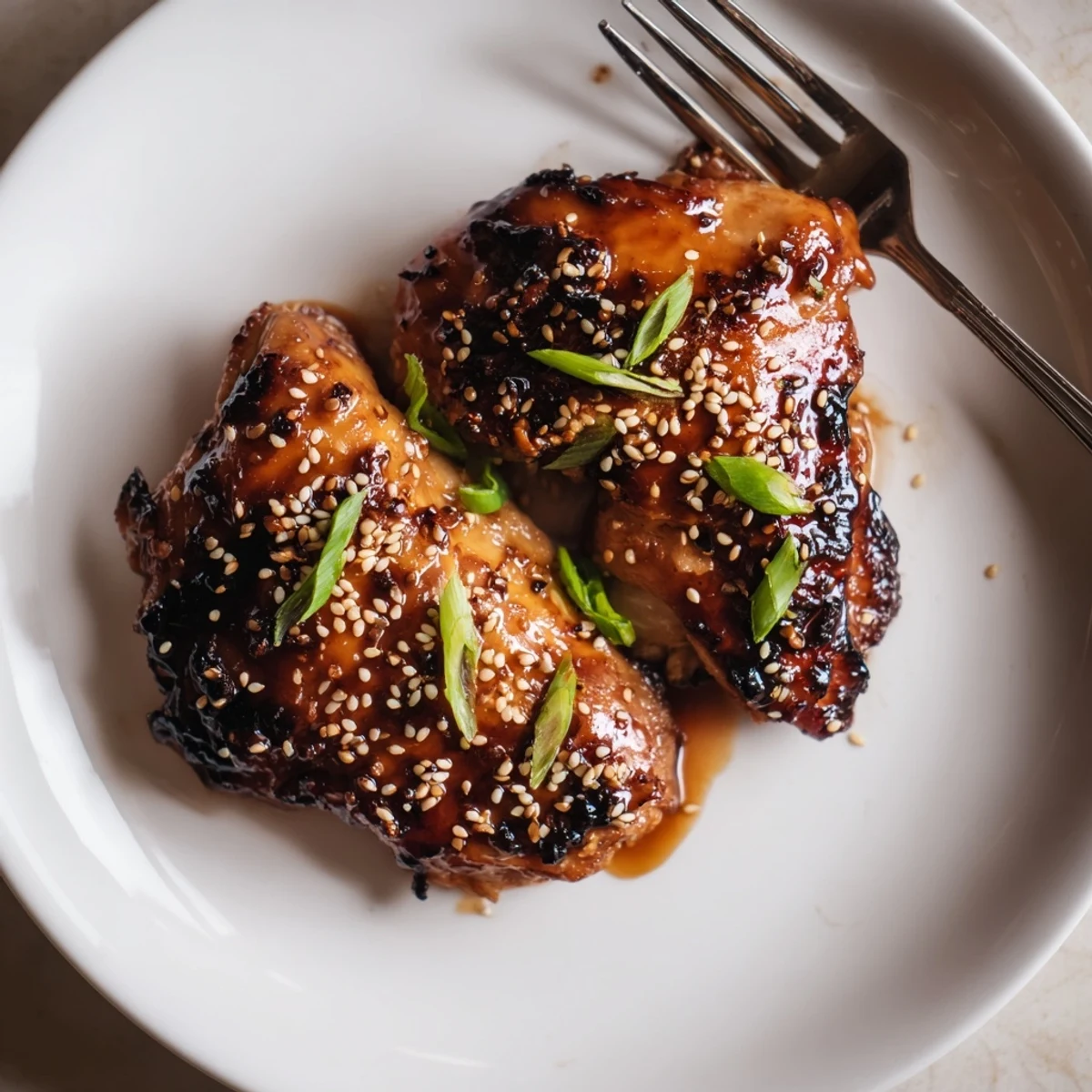
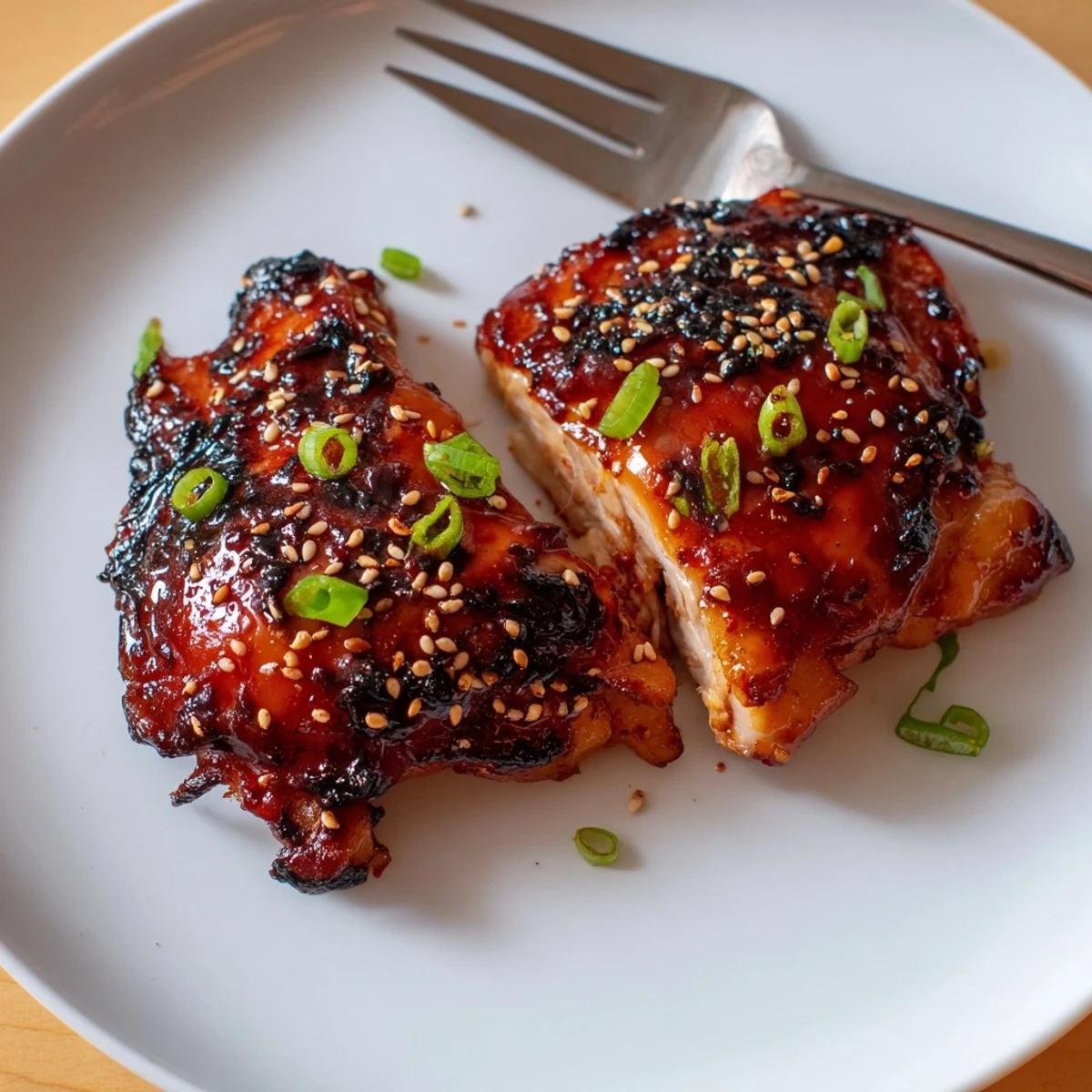
 Marinate boneless chicken thighs in soy, honey, sesame oil, garlic, ginger and gochujang for 30 minutes to 6 hours. Bake at 425°F (220°C) or grill over medium-high heat for 20–25 minutes, turning once, until caramelized and 165°F internally. Finish with toasted sesame seeds and sliced green onions; broil 1–2 minutes for extra char and crisp edges.
The sizzle of chicken hitting a screaming hot pan on a Tuesday evening is one of those sounds that makes everyone wander into the kitchen asking when dinner is ready. My neighbor Gina brought over a jar of gochujang last summer after a trip to Koreatown, and I stood at my counter smelling its deep, fermented heat wondering what to do with it. These Korean chicken thighs were the answer, and they have been on repeat in my house ever since. The marinade comes together in minutes but tastes like it took all day.
I made a double batch of these for a backyard gathering in September and watched people literally lick their fingers while standing around the grill. My friend David, who usually picks at food, went back for thirds and asked me to text him the recipe before he left. There is something about that sweet and savory glaze that makes everyone forget their manners in the best possible way.
Ingredients
- 8 boneless skinless chicken thighs (about 1.2 kg): Thighs are the ideal cut here because they stay moist and tender even under high heat.
- 1/4 cup soy sauce: This is the salty backbone of the marinade so use a good quality one.
- 2 tablespoons honey: Helps create that beautiful caramelized exterior and balances the salty and spicy elements.
- 2 tablespoons sesame oil: Toasted sesame oil adds a nutty depth that makes the marinade taste authentic.
- 3 cloves garlic minced: Fresh garlic is non negotiable here for that punchy aromatic base.
- 1 tablespoon fresh ginger minced: Grate it on a microplane for the finest texture and most flavor release.
- 1 tablespoon gochujang (Korean chili paste): This is the magic ingredient that adds complex fermented heat without overwhelming spice.
- 1 tablespoon rice vinegar: A splash of acidity brightens the whole marinade and tenderizes the chicken.
- 1 teaspoon toasted sesame seeds: Mixed into the marinade they add little pops of nuttiness throughout.
- 1/2 teaspoon black pepper: Just enough to add a gentle warmth in the background.
- 2 green onions finely sliced: These melt into the marinade and also double as a fresh garnish.
- 1 tablespoon toasted sesame seeds for garnish: A final sprinkle makes the dish look as good as it tastes.
- 2 green onions thinly sliced for garnish: Fresh scallions on top add color and a bright bite.
Instructions
- Whisk the marinade together:
- In a bowl, combine the soy sauce, honey, sesame oil, garlic, ginger, gochujang, rice vinegar, sesame seeds, black pepper, and green onions. Whisk until the honey dissolves and everything looks like a rich, glossy sauce.
- Coat the chicken:
- Place the chicken thighs in a large resealable bag or a shallow bowl and pour the marinade over them. Massage the bag or toss the bowl until every piece is thoroughly coated and slippery with the mixture.
- Let it rest and soak:
- Refrigerate for at least 30 minutes, though two to six hours yields the deepest flavor. The chicken will look darker and more fragrant as it sits.
- Get your heat ready:
- Preheat your oven to 425 degrees F or fire up a grill to medium high. You want serious heat to get that caramelized char.
- Cook until golden and caramelized:
- Arrange the chicken on a parchment lined baking sheet or directly on the grill grates. Cook for 20 to 25 minutes, flipping halfway through, until the internal temperature hits 165 degrees F and the edges are sticky and dark.
- Garnish and serve immediately:
- Transfer the chicken to a platter and shower it with extra sesame seeds and sliced green onions. Serve it hot while the glaze is still glossy and slightly tacky.
 Pin It
 The night I realized this recipe had become a staple was when my teenager walked in, smelled the air, and said oh good, that chicken without me saying a word about what was for dinner. Food that earns that kind of recognition is the kind you hold onto. It stopped being a recipe and became part of the household vocabulary.
What to Serve Alongside
Steamed white rice is the obvious and perfect partner because it soaks up every bit of the sticky marinade that pools on the plate. A simple kimchi on the side brings acidity and crunch that cuts through the richness of the thighs. On hot evenings I add a quick cucumber salad with rice vinegar and a pinch of sugar and it disappears just as fast as the chicken.
Handling the Gochujang
Gochujang keeps for months in the refrigerator and is worth seeking out at any Asian grocery store or well stocked supermarket. If you absolutely cannot find it, sriracha works in a pinch but you will lose some of the fermented depth that makes this dish special. Scoop it with a spoon that has been dipped in hot water and it slides right off without sticking.
Storing and Reheating Leftovers
Leftovers hold beautifully in an airtight container in the refrigerator for up to three days and actually taste even better the next day cold straight from the fridge. Reheat gently in a skillet over medium low heat with a splash of water to loosen the glaze. The microwave works too but the edges lose some of that lovely chew.
- Freeze marinated raw chicken in the bag for a meal that is ready to thaw and cook anytime.
- Shred leftover chicken and tuck it into lettuce wraps with a drizzle of the pan juices.
- Always let the chicken rest for five minutes after cooking so the juices redistribute before slicing.
 Pin It
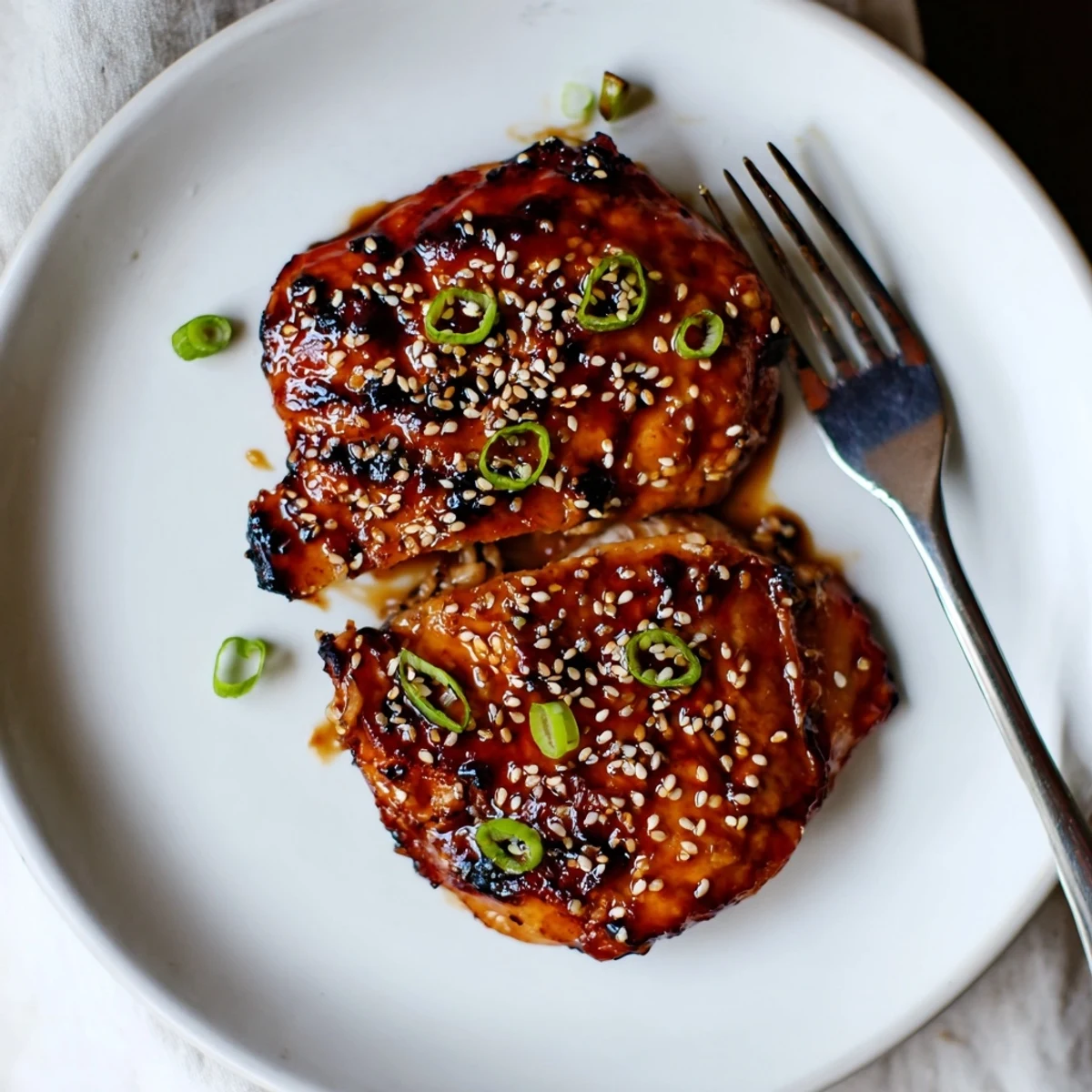
 Some dinners are just dinner, and some dinners make people close their eyes when they take the first bite. These Korean chicken thighs live in that second category, and they deserve a permanent spot in your rotation.
Recipe Questions & Answers
- → How long should the thighs marinate?
-
At minimum marinate for 30 minutes to allow flavors to penetrate; for best depth let them sit up to 6 hours in the fridge. Avoid marinating much longer to prevent texture breakdown from the acids.
- → Can I use bone-in thighs instead of boneless?
-
Yes. Bone-in thighs add richness but require longer cooking—plan for an extra 5–10 minutes and always check for an internal temperature of 165°F (74°C) near the bone.
- → What can I substitute for gochujang?
-
If gochujang isn’t available, use sriracha with a touch more honey or a blend of chili paste and miso to mimic the sweet-spicy-umami balance. Adjust heat and sweetness to taste.
- → How do I get a glossy, caramelized finish?
-
High heat and a sweet component help: bake or grill at 425°F (220°C) and let the honey caramelize. For extra char and crisp edges, broil for 1–2 minutes at the end while watching closely.
- → Are there gluten-free options?
-
Yes—swap regular soy sauce for tamari or a gluten-free soy sauce and check that your gochujang is labeled gluten-free. Always verify ingredient labels for hidden wheat.
- → What are good sides and pairings?
-
Serve with steamed rice and kimchi, or a simple cucumber salad. The dish pairs well with cold Asian lagers or a slightly off-dry white like Riesling to balance the heat.