
 Pin It
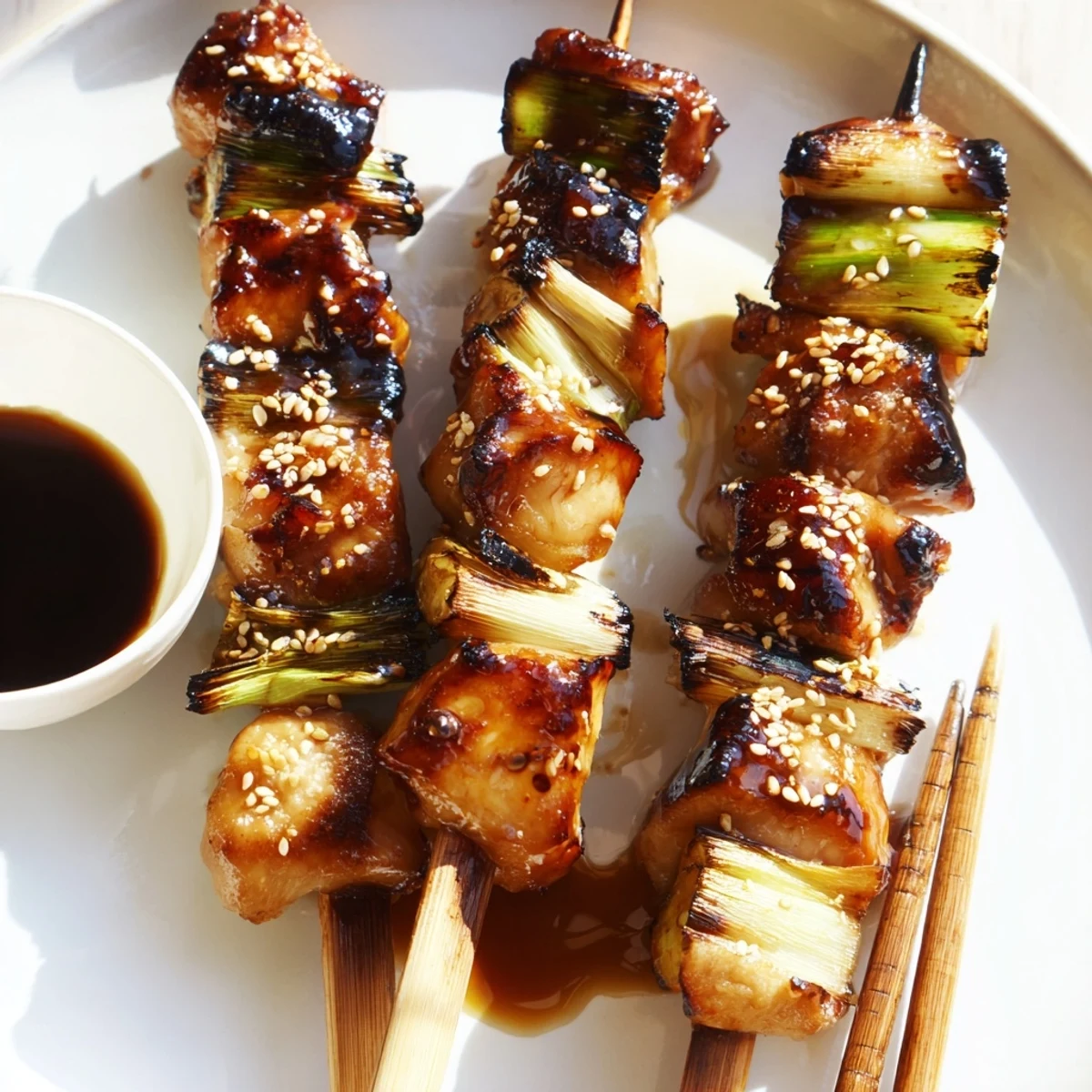
 These Japanese chicken yakitori use bite-sized thigh pieces threaded with scallions and grilled until glossy and caramelized. Make a tare by simmering soy, mirin, sake, sugar, garlic and ginger, then divide it for basting and serving. Soak skewers to prevent burning, cut uniform pieces, grill 8-10 minutes over medium-high heat, and baste often for a sticky, savory finish. Serve hot with shichimi or toasted sesame and a cold drink.
The smell of caramelized soy sauce hitting a hot grill is enough to stop me in my tracks every time. It transports me straight to a narrow alley in Tokyo where smoke curled from tiny yakitori stalls and salarymen stood shoulder to shoulder, beer in hand. I stood there freezing one March evening, utterly captivated by the sizzle and char. That night I swore I would figure out how to recreate it at home.
My first attempt was on a rainy Tuesday with a flimsy broiler pan and zero patience. The skewers charred too fast and the sauce was too thin, but my partner ate every last piece without complaint. That small act of generosity kept me going until I nailed it months later.
Ingredients
- 600 g boneless skinless chicken thighs: Thighs are the nonnegotiable choice here. Breast dries out before the glaze has time to do its magic.
- 2 spring onions: Cut into 3 cm pieces. These add a mild bite that balances the sweetness of the sauce beautifully.
- 8 bamboo skewers: Soak them well or they will betray you over open flame.
- 100 ml soy sauce: Use a good Japanese brand if you can find one. It makes a noticeable difference in depth.
- 50 ml mirin: This is where the glossy sheen comes from. Do not skip it.
- 2 tbsp sake: It tenderizes the chicken and adds a subtle fragrance that rounds out the sauce.
- 2 tbsp sugar: White sugar works fine. It helps the sauce thicken and cling to every surface.
- 1 garlic clove minced: Optional but I always include it. One clove is enough to add warmth without overpowering.
- 1 tsp grated fresh ginger: Freshly grated is best. It brings a brightness that ties everything together.
Instructions
- Soak the skewers:
- Submerge bamboo skewers in water for at least 30 minutes. This simple step saves you from the heartbreak of watching them catch fire mid grill.
- Cut the chicken:
- Slice the thighs into even 3 to 4 cm squares so everything cooks at the same rate. Uneven pieces mean some will dry out while others are still pink inside.
- Build the skewers:
- Thread chicken and spring onion pieces alternately, keeping them snug but not crammed together. The gaps let heat reach every surface evenly.
- Make the tare sauce:
- Combine soy sauce, mirin, sake, sugar, garlic, and ginger in a small saucepan. Bring it to a boil, stir once, then let it simmer 5 to 7 minutes until it coats the back of a spoon. Split it in half and set one portion aside for serving.
- Heat the grill:
- Get your grill, broiler, or barbecue ripping hot at medium high. You want that fast sear that locks in juices and creates char marks without incinerating the glaze.
- Grill and baste:
- Cook the skewers 8 to 10 minutes, turning them every couple of minutes. Brush generously with the basting sauce each time you flip until the chicken glistens and is cooked through.
- Serve immediately:
- Slide them off the skewers or eat them right off the stick. Drizzle with the reserved sauce and watch them disappear faster than you expect.
 Pin It
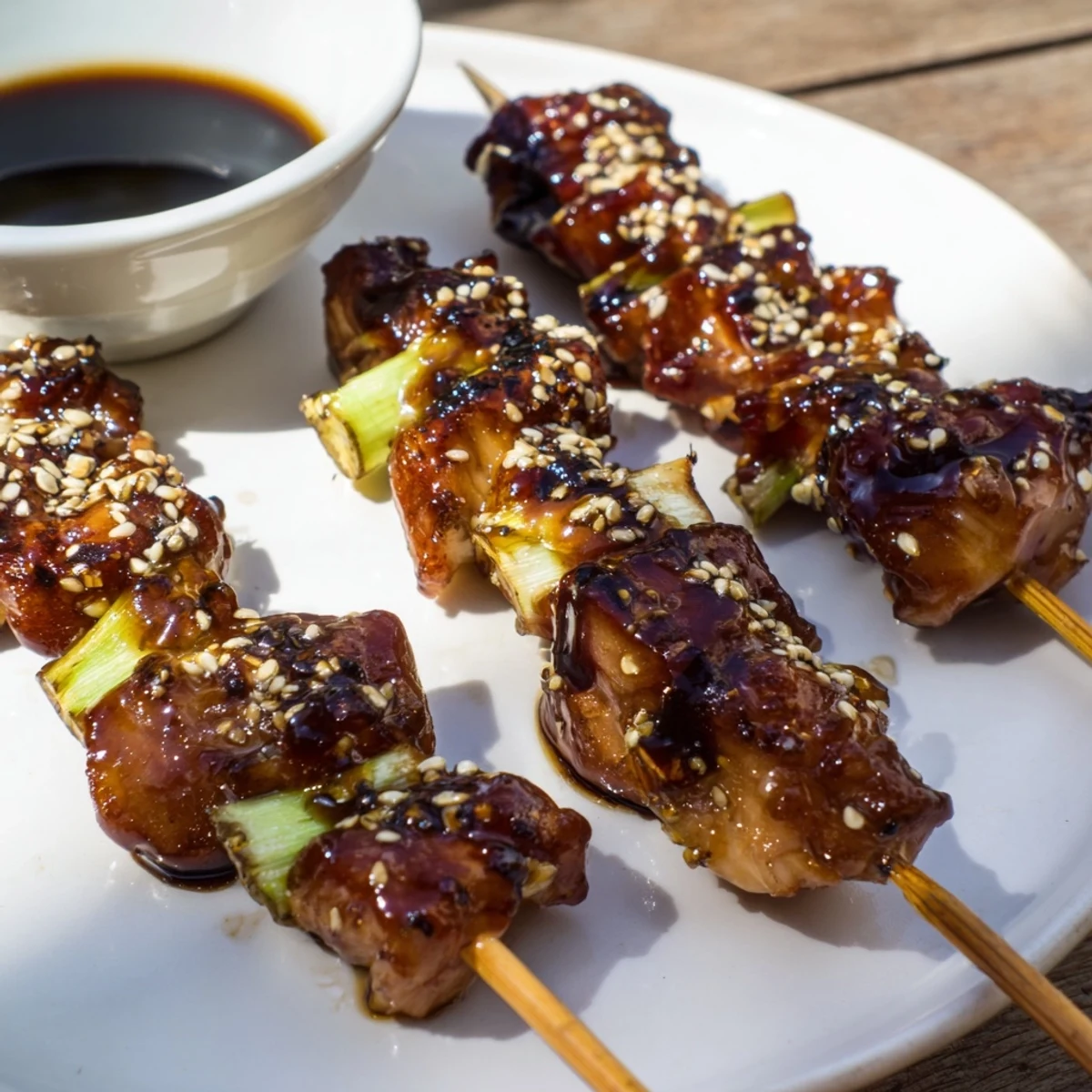
 Serving these at a backyard gathering changed the way my friends see weeknight dinners. People stood around the grill with plates in hand, eating as fast as I could pull skewers off the heat.
Choosing the Right Chicken
I once tried this with breast meat to be virtuous and regretted it immediately. Thighs have enough fat to tolerate the high heat and repeated basting without turning chalky. If you can find skin on thighs even better, the skin gets crispy and holds the glaze like a sponge.
What to Serve Alongside
Steamed white rice is the obvious partner and for good reason. It soaks up every drop of extra sauce and turns this into a proper meal. A cold Japanese lager or chilled sake turns it into a Friday night ritual worth repeating.
Storing and Reheating
Leftover yakitori keeps well in the fridge for up to two days and reheats surprisingly well in a hot skillet. The microwave works but you lose that charred edge that makes it special.
- Store the extra sauce separately in a jar and use it on grilled vegetables or rice bowls the next day.
- Freeze cooked skewers in a single layer before transferring to a bag so they do not stick together.
- Always reheat gently to avoid drying out the chicken.
 Pin It
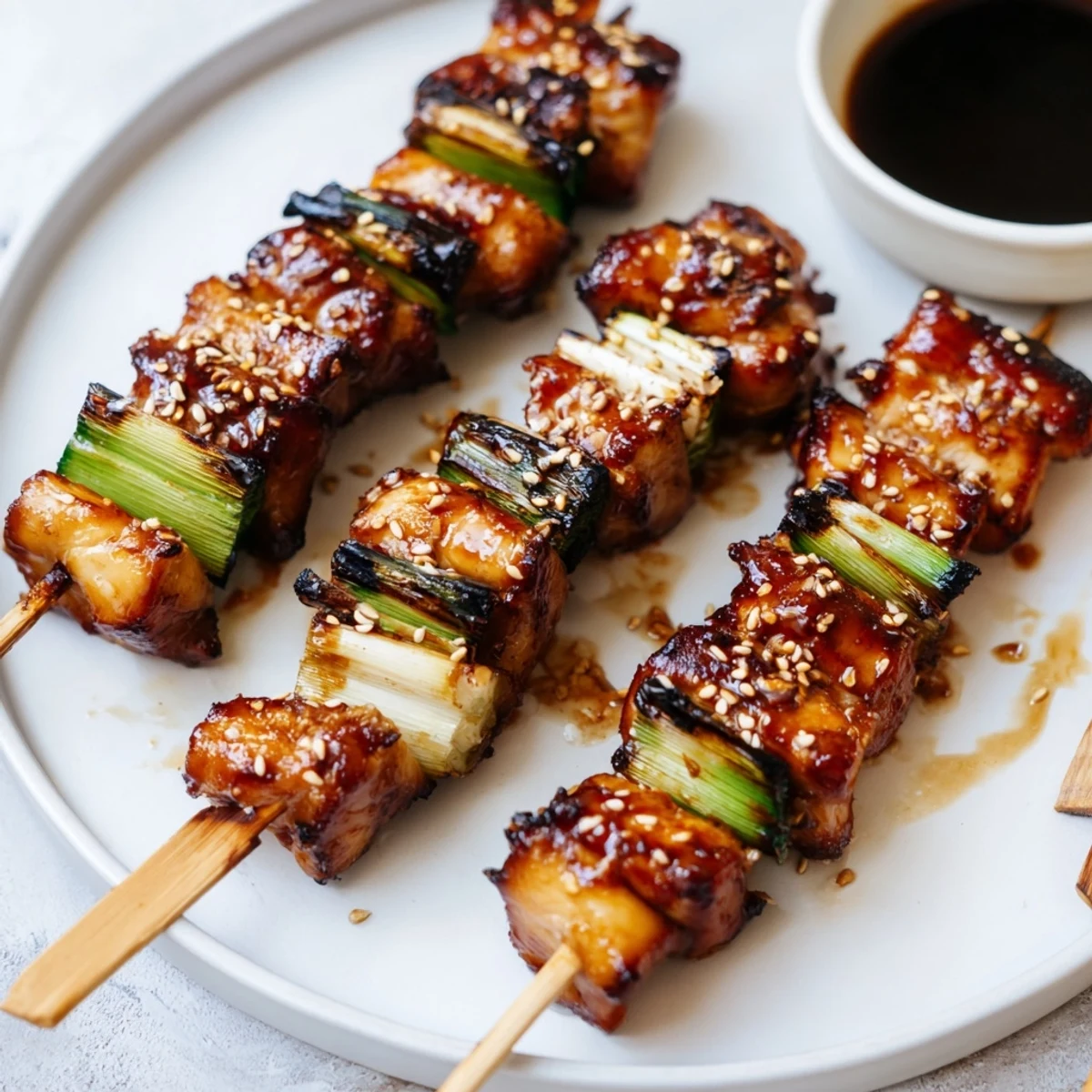
 Yakitori taught me that sometimes the simplest food, chicken, salt, sugar, soy, and fire, is the most powerful. Make it once and you will find yourself reaching for skewers every time the weather hints at grilling season.
Recipe Questions & Answers
- → Which cut of chicken works best?
-
Thighs give the juiciest, most forgiving result thanks to higher fat content; breasts can be used for a leaner finish but cook faster and risk drying out.
- → How do I prevent bamboo skewers from burning?
-
Soak bamboo skewers in cold water for at least 30 minutes before grilling so they absorb moisture and resist charring during cooking.
- → How do I get a glossy, sticky glaze?
-
Simmer the tare until slightly reduced and thickened, then baste frequently while grilling. A touch of sugar or mirin helps caramelize and create that glossy finish.
- → What are tips for even cooking on the grill?
-
Cut chicken into uniform 3–4 cm pieces, avoid overcrowding skewers, maintain medium-high heat, and turn often so each side caramelizes without burning.
- → How can I make this gluten-free?
-
Swap regular soy sauce for tamari or a gluten-free soy alternative and verify labels on mirin; that keeps the tare gluten-free while preserving the flavor profile.
- → How should leftovers be stored and reheated?
-
Cool skewers, refrigerate in an airtight container up to 3 days. Reheat briefly under a broiler or on the grill to refresh caramelization; rewarm sauce gently on the stove.