
 Pin It
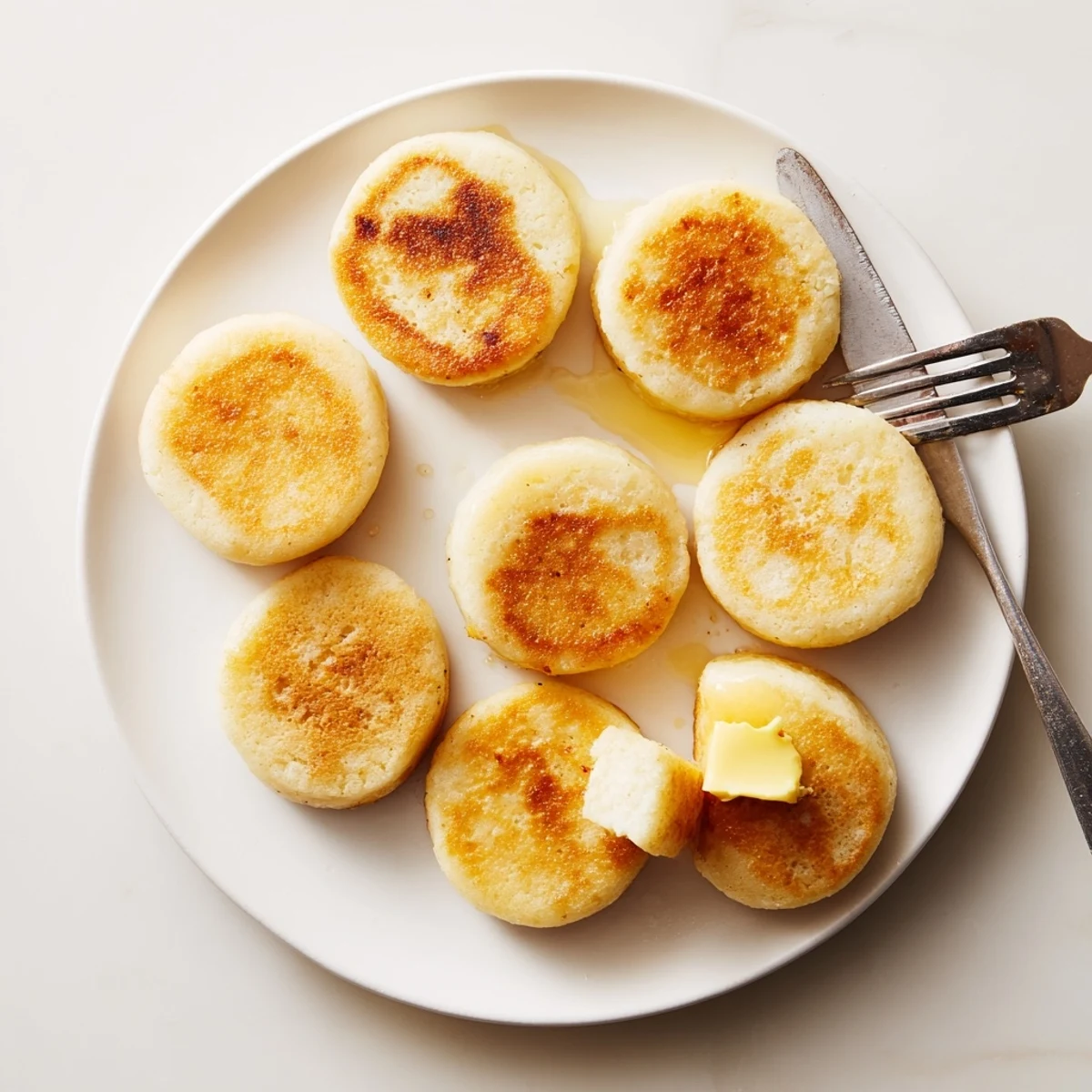
 These classic Irish potato cakes deliver satisfying crunch outside with tender, buttery softness inside. Made with mashed potatoes, flour, and dairy, they cook to golden perfection in a hot skillet. The simple dough comes together quickly, requiring just a few minutes of kneading before cutting into rounds or triangles.
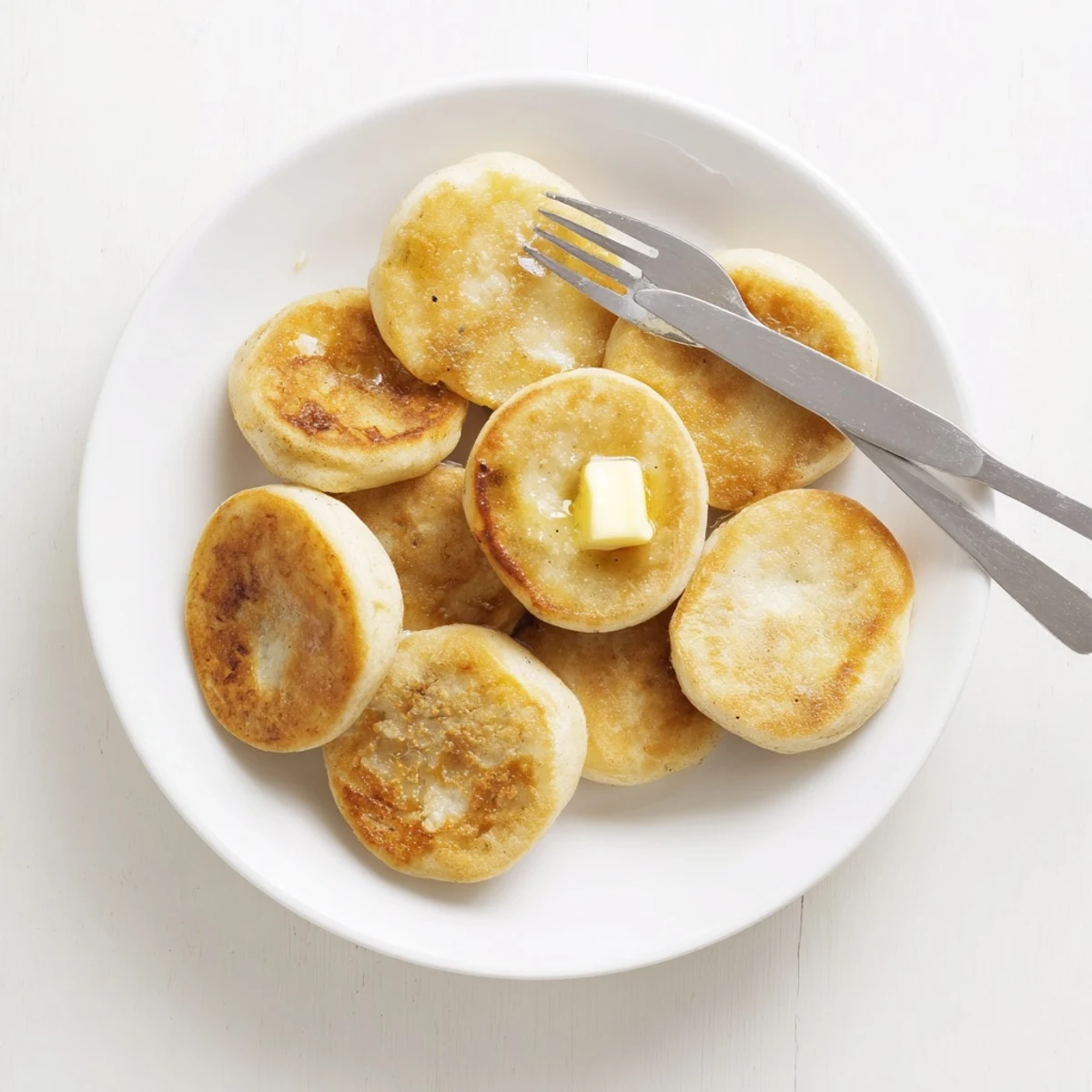
Fry them in butter until both sides develop that signature crisp crust. They're incredibly versatile—enjoy warm with melted butter, serve alongside a full Irish breakfast, or top with smoked salmon and sour cream for an elegant appetizer. The basic batter welcomes additions like chopped chives or scallions for extra flavor depth.
Leftover mashed potatoes work beautifully here, making this an excellent way to transform extras into something special. With only 10 minutes of active preparation and 20 minutes of cooking time, they're perfect for busy mornings or relaxed weekend brunches.
My grandmother could turn leftover mashed potatoes into magic, though she never called them potato cakes. They were simply what we do with yesterday's dinner, transformed by her cast iron skillet into something that made the whole house smell like comfort. Standing beside her, I'd watch her hands work the dough without measuring anything, knowing by feel when it was right. Now whenever I make these, I'm transported back to her tiny kitchen with the radio playing softly in the background.
Last winter, my partner came down with a terrible cold and refused to eat anything but toast. I made a batch of these potato cakes, the butter sputtering and filling our small apartment with the most comforting aroma imaginable. He ate three straight from the pan, standing over the stove, and told me it was the first time he'd felt hungry in days. Sometimes simple food is the best medicine.
Ingredients
- Floury potatoes: Russet or Maris Piper varieties give the best texture, avoiding waxy potatoes that won't mash properly
- Unsalted butter: Use 40 grams in the dough and keep extra on hand for frying, as butter creates the golden crust we're after
- Whole milk: 60 milliliters makes the mashed potatoes creamy without making the dough too wet to handle
- Plain flour: 100 grams binds everything together, with extra reserved for dusting your work surface
- Salt and pepper: Essential seasoning that elevates the mild potato flavor
Instructions
- Boil and prep the potatoes:
- Cook peeled chunks in salted water for 12 to 15 minutes until they surrender completely to a fork's poke, then drain and let them steam dry for 2 minutes
- Mash and cool:
- Mash until smooth, then stir in butter and milk until creamy, letting the mixture cool for 5 minutes so the flour doesn't gum up when added
- Form the dough:
- Stir in flour, salt, and pepper until a soft slightly sticky dough comes together, adjusting with more flour if it's too wet to handle
- Shape the cakes:
- Turn onto a floured surface and gently knead for 1 to 2 minutes, then pat into a disc about 1 cm thick before cutting into rounds with a cutter or slicing into triangles
- Fry to golden perfection:
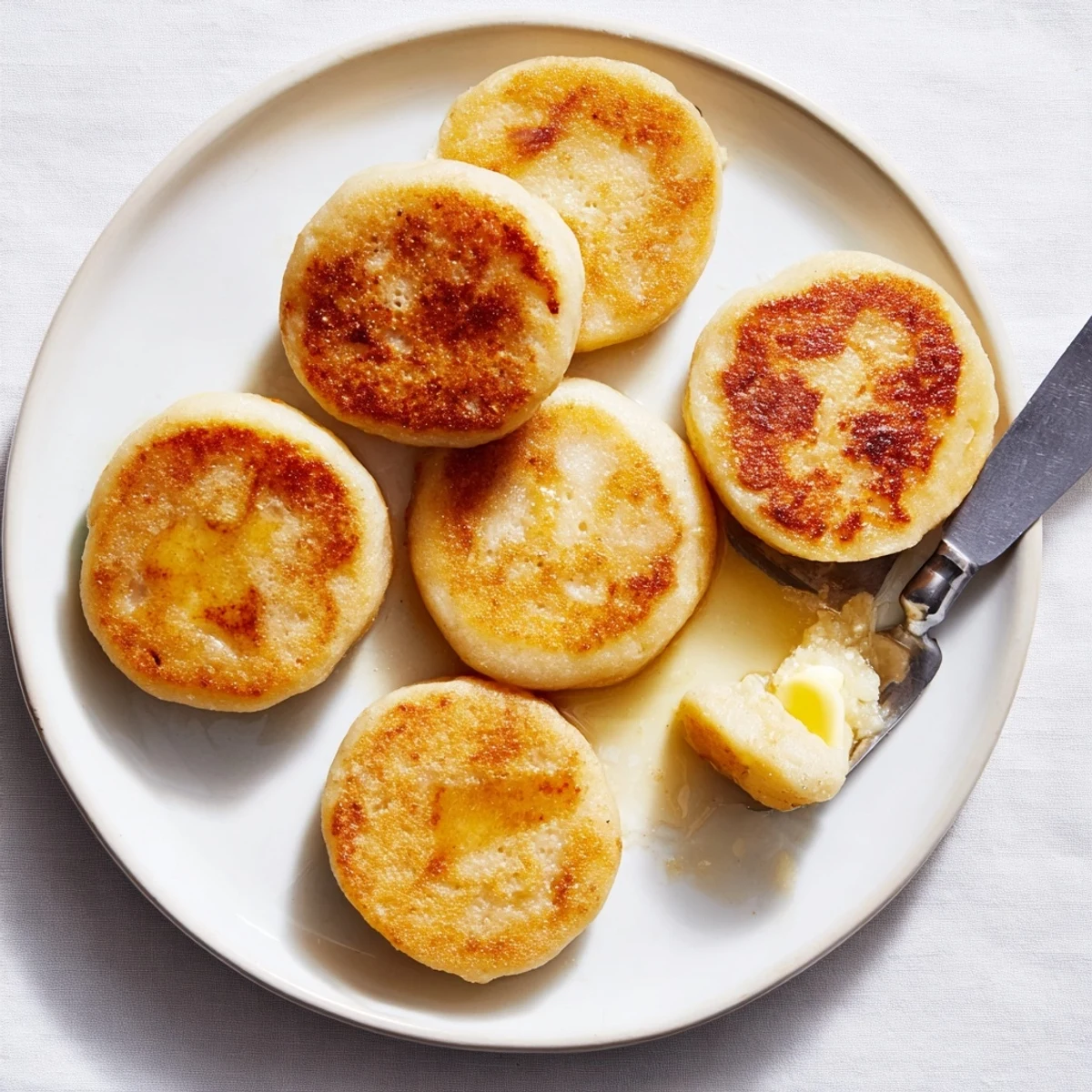
- Heat a nonstick skillet over medium heat with melted butter, cooking cakes in batches for 3 to 4 minutes per side until they develop a beautiful golden crust
 Pin It
 These became our weekend ritual during a particularly tight budget month, stretching simple ingredients into something that felt celebratory. We'd stand at the stove together, flipping cakes and eating them as fast as they came out of the pan, burning our fingers in the best way possible. That month taught me that the most memorable meals aren't about expensive ingredients.
Choosing the Right Potatoes
After accidentally using waxy red potatoes once and ending up with gummy cakes that refused to crisp, I learned to seek out high-starch varieties. The difference is remarkable, producing that light interior we want. Floury potatoes break down beautifully when mashed, creating the perfect canvas for the flour.
Getting That Perfect Crisp
The secret is patience with your pan heat and generous butter. I resisted adding more butter for years, but it really does create superior browning and flavor. Let each side develop deep golden color before flipping, resisting the urge to check too early.
Serving Suggestions
While they are absolutely perfect with just butter, I've learned that a few additions can transform them into different meals entirely. The beauty is in their versatility.
- Top with smoked salmon and a dollop of sour cream for an elegant appetizer
- Serve alongside a full Irish breakfast to soak up the runny eggs
- Stir chopped chives or scallions into the dough for subtle onion flavor
 Pin It
 There's something deeply satisfying about transforming leftovers into something better than the original meal. These potato cakes have become my favorite way to honor the past while feeding the present.
Recipe Questions & Answers
- → What type of potatoes work best?
-
Floury or starchy potatoes like Russet or Maris Piper yield the lightest, fluffiest results. Their lower moisture content creates the ideal texture—crisp outside while remaining soft inside.
- → Can I use leftover mashed potatoes?
-
Absolutely. Leftover mashed potatoes work perfectly and actually save time since they're already cooked and seasoned. Just ensure they're not too wet before mixing with flour.
- → How do I get them extra crispy?
-
Use a generous amount of butter in the skillet and maintain medium heat. Don't overcrowd the pan—frying in batches allows proper browning. Let each side cook for the full 3-4 minutes undisturbed.
- → What can I serve with potato cakes?
-
They pair beautifully with fried eggs and bacon for breakfast. For a more elegant approach, top with smoked salmon and sour cream. They also complement soups, stews, or roasted meats as a side dish.
- → Can I make them gluten-free?
-
Yes, substitute plain flour with a gluten-free flour blend. The texture may vary slightly but they'll still be delicious. Check that all other ingredients, including butter, are certified gluten-free if needed.
- → How long do they keep?
-
Freshly cooked cakes are best enjoyed immediately. However, leftovers refrigerate well for up to 3 days. Reheat in a skillet over medium heat to restore crispiness—microwaving will make them soft.