
 Pin It
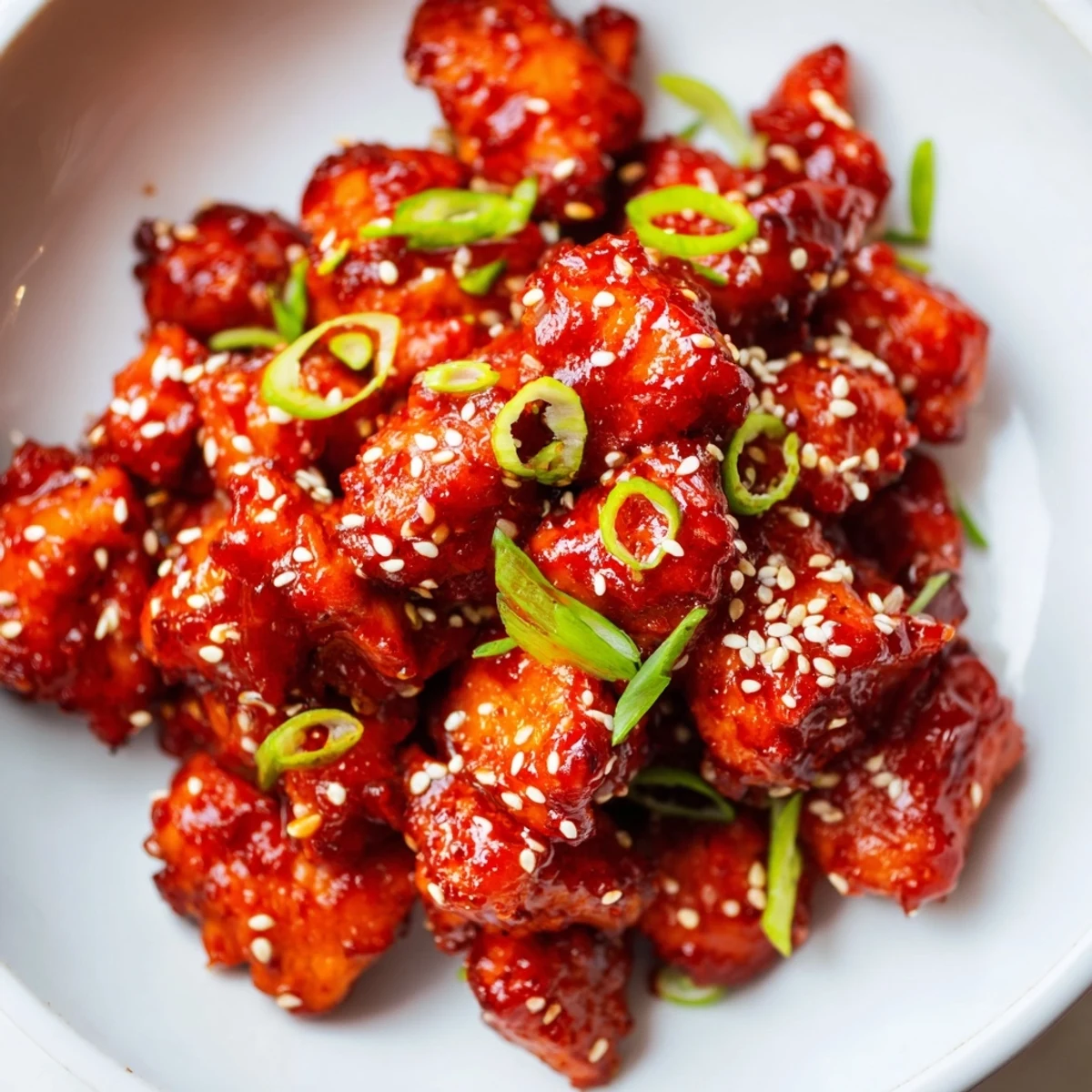
 This gochujang chicken brings together the deep, fermented heat of Korean chili paste with soy sauce, honey, ginger, and sesame oil for an irresistibly sticky, caramelized glaze over tender chicken thighs.
Everything marinates in one bowl and cooks in a single skillet in under 30 minutes, making it a natural choice for busy weeknights or casual entertaining.
Serve it over steamed white rice with kimchi and pickled vegetables on the side for a satisfying, dairy-free meal the whole table will enjoy.
The smell of gochujang toasting in a hot skillet is the kind of thing that makes neighbors knock on your door and pretend they just wanted to say hi. My friend Minji introduced me to this paste years ago during a chaotic potluck where everything went wrong except her chicken. I have been chasing that flavor ever since, tweaking and adjusting until this version became the one I reach for on busy weeknights when I need dinner to feel like an event.
I once made this for a backyard gathering where the grill ran out of propane halfway through, and I had to finish everything in a skillet on the stovetop. Nobody noticed or cared because the chicken was so deeply flavored and glossy that it stole the whole show. Now I skip the grill entirely and use a pan on purpose.
Ingredients
- 700 g boneless, skinless chicken thighs: Thighs are the move here because they stay juicy even if you accidentally overcook them a minute too long, and their richer flavor stands up beautifully to the bold marinade.
- 3 tbsp gochujang: This Korean chili paste is the soul of the dish, bringing fermented depth, gentle heat, and a hint of sweetness all at once.
- 2 tbsp soy sauce: Adds salt and umami that anchors the entire flavor profile.
- 1 tbsp rice vinegar: A splash of acidity that brightens everything and cuts through the richness of the chicken.
- 2 tbsp honey: Helps the marinade caramelize into that gorgeous sticky glaze, though brown sugar works in a pinch.
- 2 cloves garlic, minced: Fresh garlic is non negotiable for the aromatic backbone of this dish.
- 1 tbsp ginger, grated: Brings a warm, slightly peppery kick that rounds out the sweetness.
- 1 tbsp sesame oil: This is the fragrant finishing touch that makes the whole kitchen smell like a Korean barbecue joint.
- 1/2 tsp freshly ground black pepper: Just enough to add a subtle bite without competing with the gochujang.
- 1 tbsp toasted sesame seeds: Sprinkled on top for a nutty crunch and visual appeal.
- 2 green onions, thinly sliced: Their sharp freshness balances the heavy caramelization on the chicken.
Instructions
- Whisk the marinade together:
- In a large bowl, combine the gochujang, soy sauce, rice vinegar, honey, garlic, ginger, sesame oil, and black pepper, whisking until the mixture is completely smooth with no lumps of paste hiding in the corners.
- Coat the chicken:
- Add the chicken pieces to the bowl and toss them with your hands or tongs until every single piece is glossy and evenly coated, then let them sit for at least twenty minutes so the flavors can really sink in.
- Cook until caramelized:
- Heat a large skillet over medium high heat and dump in the chicken along with all the extra marinade, cooking six to eight minutes per side until the edges turn dark golden and slightly charred in spots and the chicken is cooked through.
- Finish and serve:
- Take the pan off the heat, scatter sesame seeds and sliced green onions over the top, and serve immediately with steamed rice or crisp lettuce wraps for scooping.
 Pin It
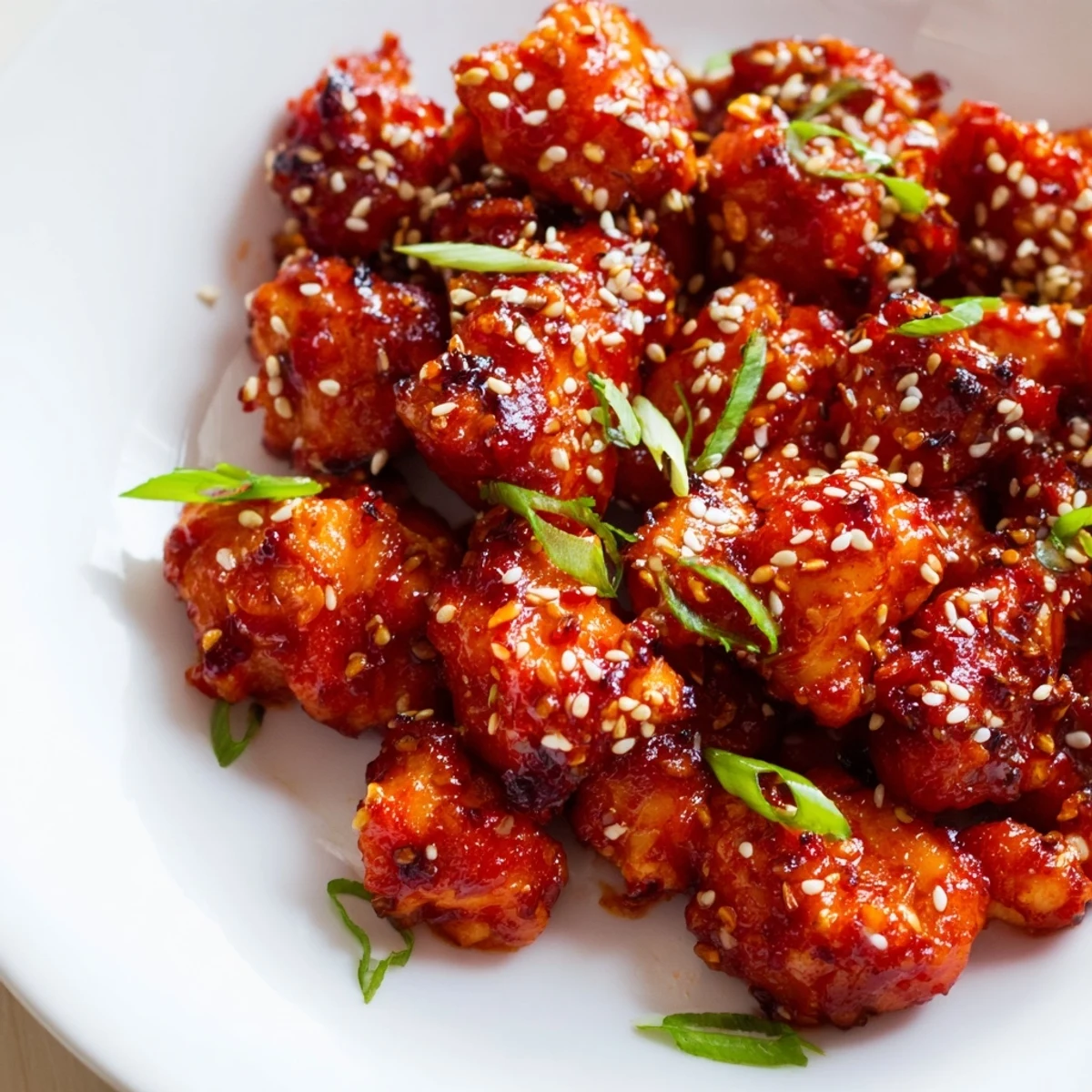
 There was a rainy Thursday when I plated this chicken over a mound of white rice and my roommate just sat there eating in complete silence for ten minutes straight. That silence told me more than any compliment ever could.
What to Serve Alongside
Kimchi is the obvious and correct answer, but pickled radishes, a simple cucumber salad with sesame dressing, or even a pile of quickly sauteed spinach with garlic all work wonders. The key is having something cold and crunchy to contrast the hot, sticky chicken.
Swaps and Substitutions
Chicken breasts will work if that is what you have, but slice them a bit thicker so they do not dry out during the high heat sear. If you cannot find gochujang, a mix of miso paste, sriracha, and a pinch of sugar gets you surprisingly close to the real thing.
Making It Your Own
This recipe is a canvas as much as it is a set of instructions. Once you nail the base marinade, start playing with add ins and see what happens.
- Toss in a teaspoon of gochugaru flakes if you want serious, sweat inducing heat.
- Try folding the cooked chicken into warm tortillas with a drizzle of mayo for an unconventional fusion taco.
- Always taste the marinade before adding the chicken so you can adjust the sweetness or salt to your liking.
 Pin It
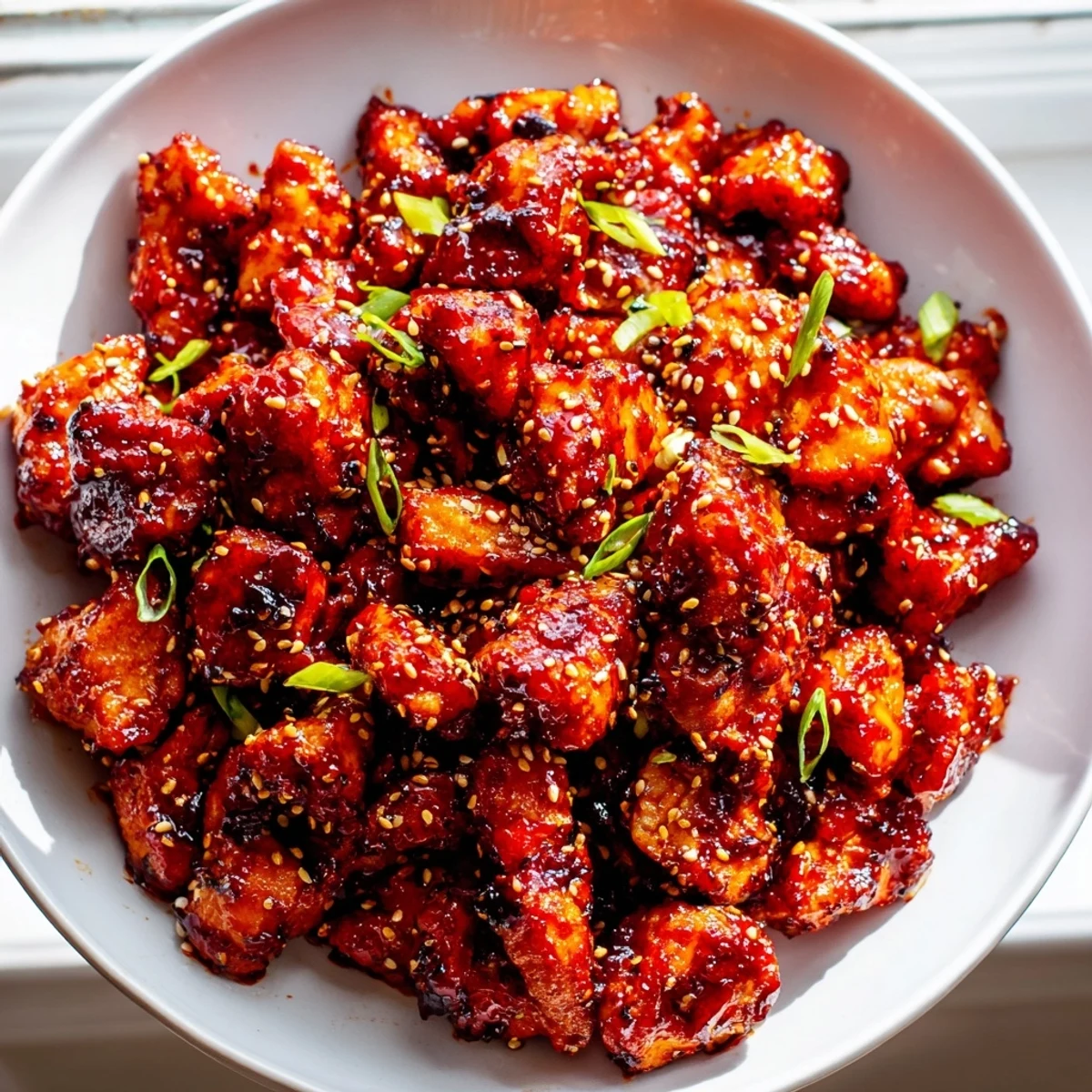
 This is the kind of recipe that earns a permanent spot in your rotation, the one people will text you about at five oclock asking if you are making it tonight. Keep a tub of gochujang in your fridge and you are always twenty minutes away from something extraordinary.
Recipe Questions & Answers
- → What does gochujang taste like?
-
Gochujang is a fermented Korean chili paste with a complex flavor profile that balances spicy, sweet, and savory umami notes. Its thick, sticky consistency makes it ideal for marinades and glazes.
- → Can I use chicken breast instead of thighs?
-
Yes, chicken breast works well as a leaner alternative. Slice it into even bite-sized pieces and reduce the cooking time slightly to keep the meat juicy and avoid drying out.
- → How long should I marinate the chicken?
-
A minimum of 20 minutes at room temperature will infuse good flavor. For deeper results, refrigerate the chicken in the marinade for up to 2 hours before cooking.
- → What sides go well with gochujang chicken?
-
Steamed white rice is the classic pairing. Add kimchi, pickled radish, sautéed greens, or a crisp cucumber salad to round out the meal with contrasting textures and refreshing bites.
- → Is this dish very spicy?
-
Gochujang delivers a moderate, building heat that most palates can handle. The honey balances the spice with sweetness. For extra fire, stir a teaspoon of gochugaru chili flakes into the marinade.
- → How do I store and reheat leftovers?
-
Store cooled leftovers in an airtight container in the refrigerator for up to 3 days. Reheat gently in a skillet over medium heat or in the microwave until warmed through, adding a splash of water if the glaze has thickened too much.