
 Pin It
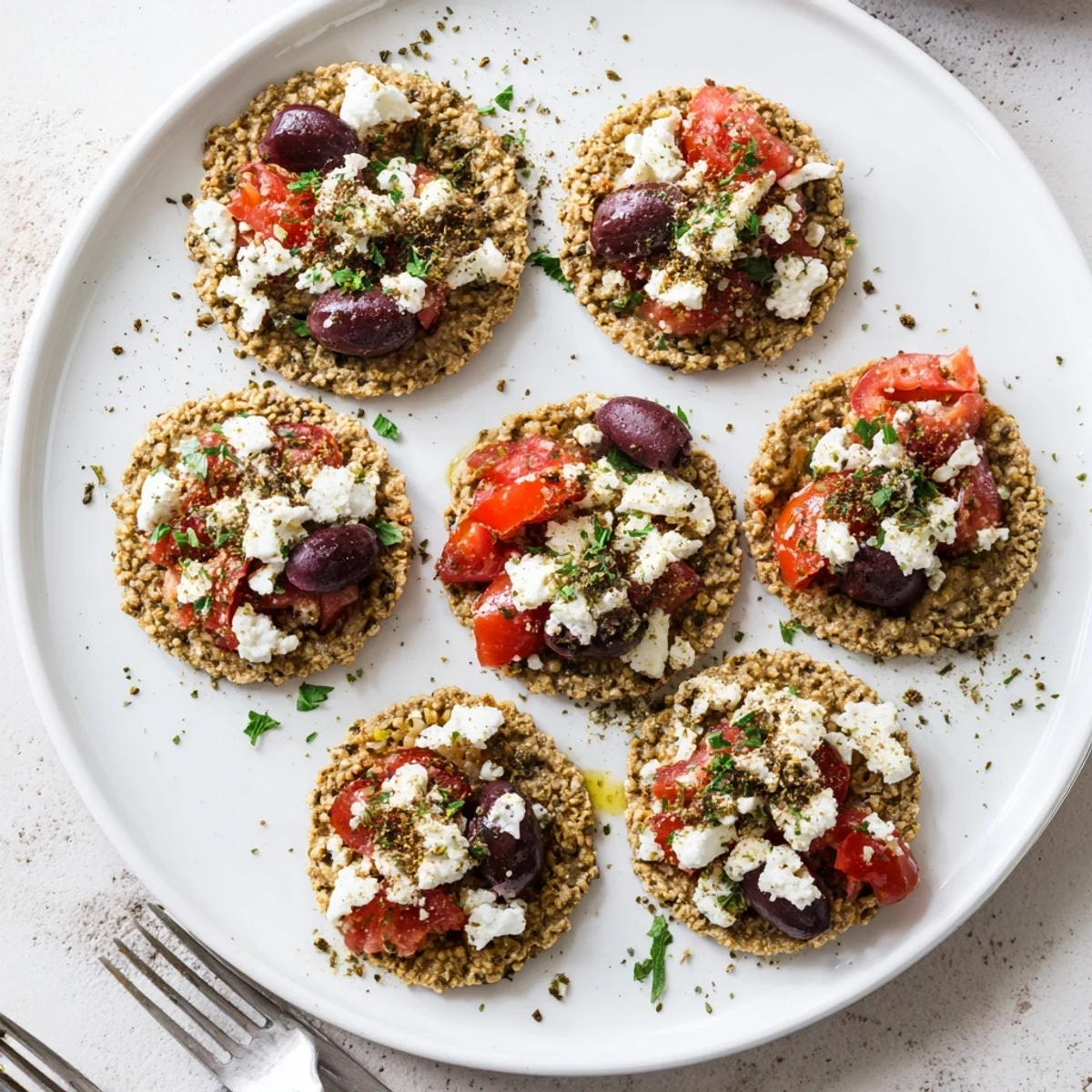
 These crispy Cretan feta rusks bring together the best of Greek flavors in a simple, no-fuss appetizer. Hardy barley rusks are lightly toasted, then topped with juicy diced tomatoes and generously crumbled feta cheese.
A drizzle of extra virgin olive oil, a pinch of dried oregano, and a few kalamata olives finish them off beautifully. Ready in under 25 minutes, they're ideal for entertaining or a light Mediterranean-style snack.
The afternoon sun was brutal that day in Chania, the kind of heat that makes you abandon every ambitious plan and seek shade with something cold to drink. A taverna owner slid a plate of rusks across the table, topped with crumbling feta and tomatoes so ripe they barely held together. One bite and I was converted, that contrast of rock hard crunch giving way to creamy, salty, herby goodness became an obsession I carried home in my memory.
I made these for a friend who claimed she did not like feta, and she ate four of them before admitting she had been wrong her entire life. There is something about the way the olive oil soaks into the barley rusk just enough to soften its surface while leaving the crunch intact that makes people forget their food opinions.
Ingredients
- Cretan barley rusks (dakos): These rock hard twice baked breads are the foundation, and nothing else gives you that same rugged crunch, though any firm whole barley rusk will work in a pinch.
- Feta cheese, crumbled: Use a good quality block stored in brine rather than the pre crumbled kind, which tends to be dry and lacks that creamy tang.
- Ripe tomatoes, finely diced: Peak season tomatoes make a huge difference here since they are eaten raw, so grab the reddest, softest ones you can find.
- Extra virgin olive oil: This is not the place for your shy, neutral oil, use something grassy and bold because it acts as both a flavor and a softening agent.
- Dried oregano: A little goes a long way and it blooms beautifully when it hits the warm rusk and olive oil.
- Kalamata olives, pitted and sliced: Their briny punch cuts through the richness of the feta and ties everything back to the Mediterranean.
- Capers (optional): Tiny bursts of salt and vinegar that brighten each bite if you are in the mood for extra punch.
Instructions
- Warm up the oven:
- Set your oven to 180 degrees Celsius, which is 350 Fahrenheit, and let it come fully to temperature while you gather your ingredients. A properly heated oven ensures the rusks toast evenly rather than just drying out.
- Toast the rusks:
- Arrange the rusks on a baking tray and slide them in for about 8 to 10 minutes until they sound hollow when tapped and feel warm to the touch. You are not trying to cook them further but rather awakening their crunch and bringing out a subtle nuttiness.
- Awaken with oil:
- Pull the rusks from the oven and give each one a light drizzle of about a teaspoon of your best olive oil. You want just enough to soften the top surface without turning the rusk soggy, so err on the side of restraint.
- Build the tomato layer:
- Spoon your finely diced tomatoes over each rusk, pressing them down gently so they settle into the textured surface. The juices will mingle with the olive oil and create something almost like a instant, raw sauce.
- Crown with feta:
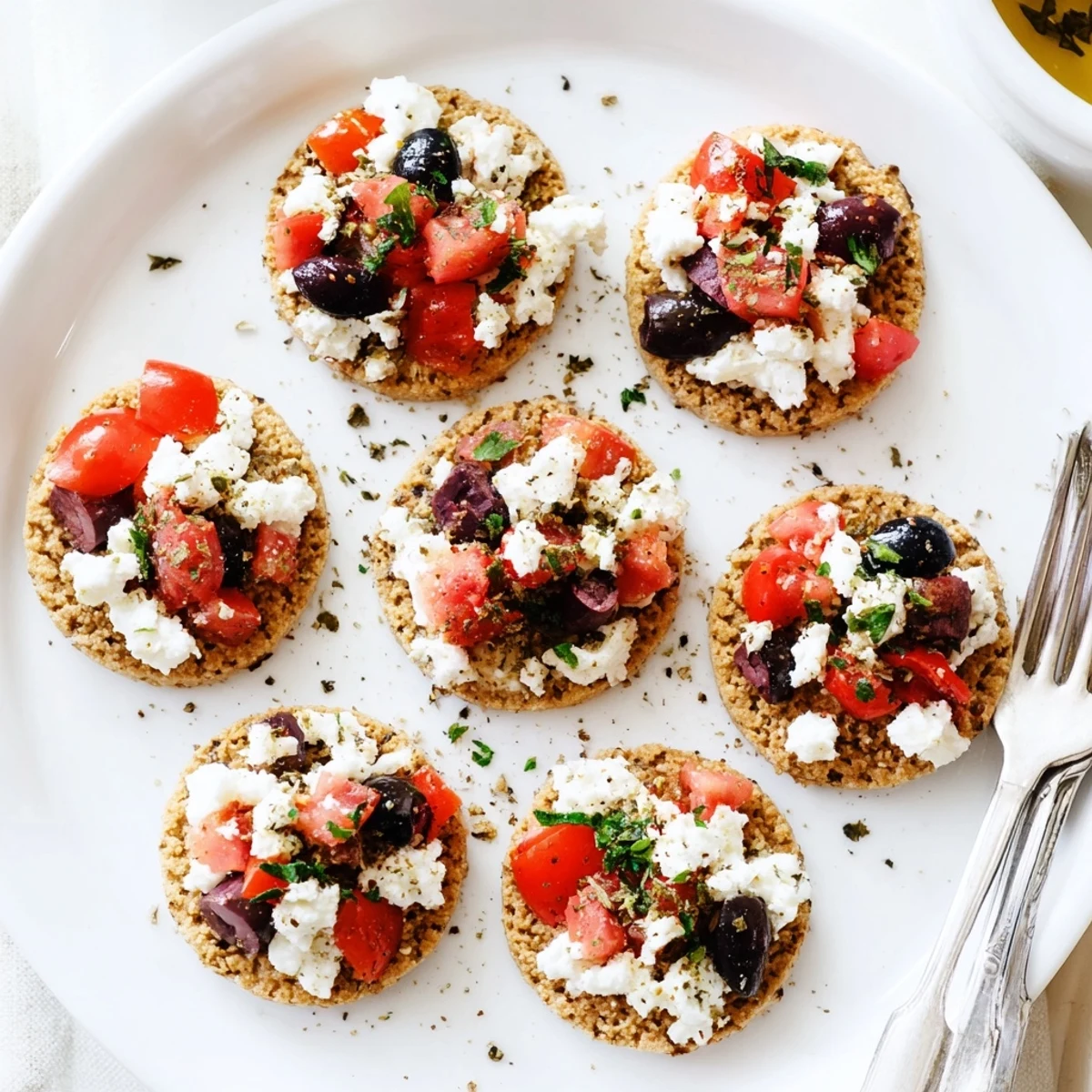
- Scatter generous handfuls of crumbled feta over the tomatoes, letting some pieces fall to the edges where they will get slightly golden. Do not be tidy about it, the rustic, uneven piles are part of the charm.
- Finish with herbs and seasoning:
- Drizzle the remaining olive oil over everything, then sprinkle dried oregano and a few generous cracks of black pepper across each rusk. Taste before adding any salt because the feta and olives already bring plenty.
- Garnish and serve:
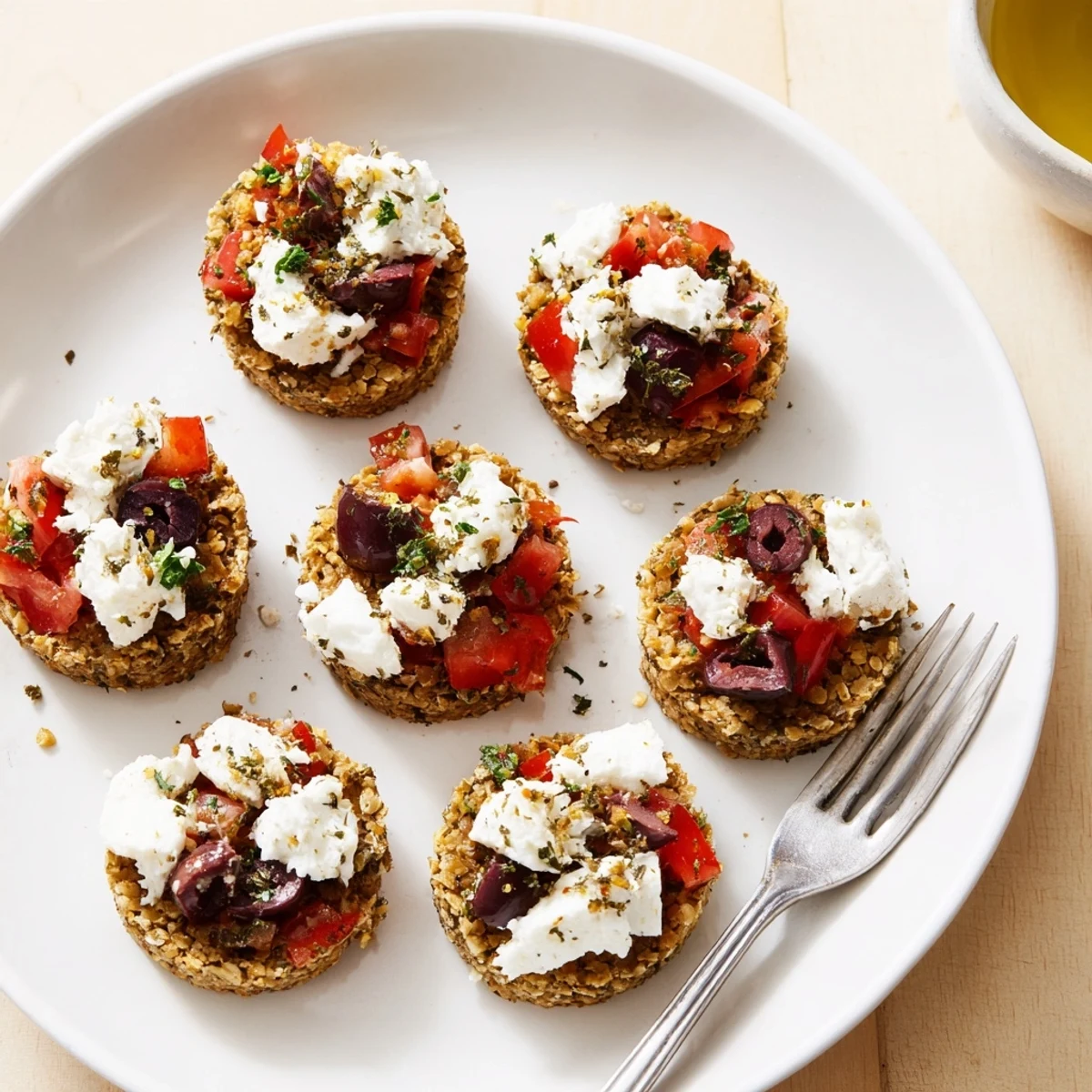
- Arrange sliced kalamata olives and capers if using on top, scatter the fresh parsley, and get them to the table immediately. These wait for no one, and the magic is in that first crunchy, creamy, salty bite while the rusk is still warm.
 Pin It
 On a rainy Tuesday when the fridge was nearly empty and motivation was low, I threw these together with leftover feta and some sad looking tomatoes, and suddenly dinner felt like an event. That is the quiet power of this recipe, it asks almost nothing and gives back far more than it should.
Serving Suggestions
These rusks sit beautifully on a mezze platter alongside hummus, tzatziki, and some marinated vegetables, but they also hold their own as a simple appetizer with a glass of something cold and white. An Assyrtiko from Santorini is the classic match, its mineral crispness cutting right through the salty feta, though any dry white with good acidity will do the job.
Storage and Make Ahead
The trick with this recipe is that it really does not store well once assembled, so plan to top only as many rusks as you will eat in that sitting. You can however prep all your components in advance, keep the diced tomatoes in one container and the crumbled feta in another, then assemble at the last minute for stress free entertaining.
Variations Worth Trying
Swap the feta for soft goat cheese if you want something tangier and slightly more earthy, or add a thin smear of olive tapenade beneath the tomatoes for an extra layer of intensity.
- Try a pinch of smoked paprika over the feta for a subtle warmth that changes the whole character.
- Thinly sliced cucumber on top adds a cool crunch that is especially welcome in summer.
- Always remember to taste your feta before adding salt because some brands are dramatically saltier than others.
 Pin It
 Some recipes become favorites because they are impressive, but this one earned its place because it is honest, fast, and unreasonably satisfying for how little it asks of you.
Recipe Questions & Answers
- → Can I use regular bread instead of barley rusks?
-
Traditional Cretan barley rusks (dakos) provide a sturdy, crunchy base that holds up well under toppings. Regular bread will soften too quickly and lose its texture. If you can't find barley rusks, try using a hard whole-grain crispbread or thick-cut toasted sourdough as an alternative.
- → How do I keep the rusks crunchy after topping them?
-
The key is to serve them immediately after assembling. Drizzling just a small amount of olive oil on the surface before adding tomatoes helps create a slight barrier. You can also lightly toast the rusks right before topping to ensure maximum crunch.
- → What can I substitute for feta cheese?
-
Soft goat cheese works well as a substitute, offering a tangy but slightly different flavor profile. For a dairy-free option, try a plant-based feta alternative made from tofu or almonds, though the taste and texture will differ from traditional feta.
- → Can I prepare any components ahead of time?
-
Yes, you can dice the tomatoes, crumble the feta, and slice the olives a few hours in advance. Store each component separately in the refrigerator. Toast the rusks and assemble everything just before serving for the best texture and flavor.
- → What wine pairs well with feta rusks?
-
A crisp Assyrtiko white wine from Santorini is a classic pairing that complements the salty feta and herbaceous notes. Other good options include a dry Sauvignon Blanc, a light Pinot Grigio, or even a chilled rosé. For a non-alcoholic choice, try sparkling water with a squeeze of lemon.
- → Are barley rusks gluten-free?
-
No, traditional barley rusks contain gluten since they are made from barley flour. If you need a gluten-free option, look for certified gluten-free crispbreads or rusks made from rice, corn, or other gluten-free grains.