
 Pin It
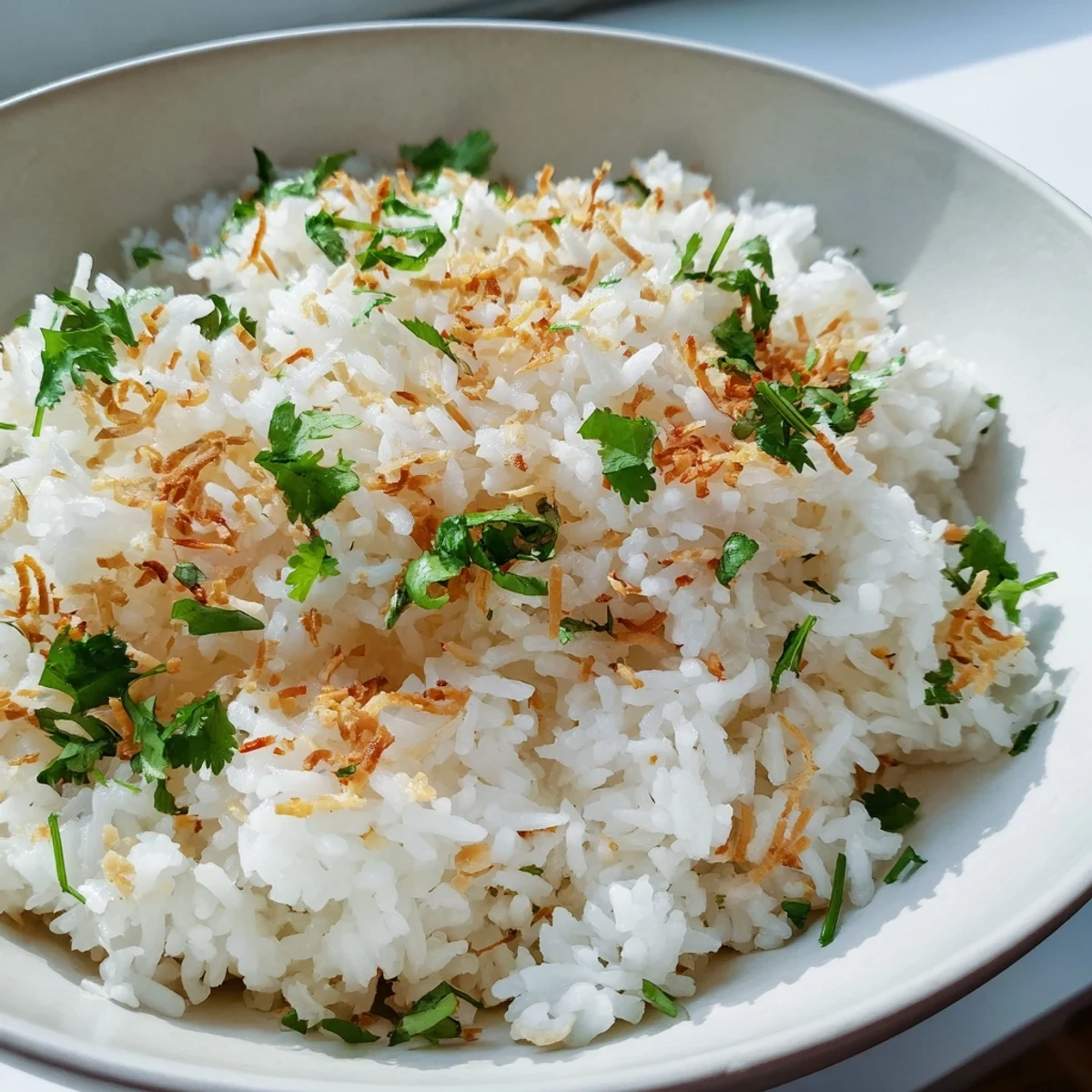
 This fragrant coconut rice transforms simple jasmine rice into a creamy, aromatic side dish by simmering it in full-fat coconut milk instead of plain water. The result is perfectly tender grains with a subtle sweetness and rich coconut flavor that pairs wonderfully with Thai curries, stir-fries, or grilled proteins.
Ready in just 25 minutes with minimal prep, it's an effortless way to elevate any weeknight dinner. A quick rinse of the rice ensures fluffy, separated grains, while a brief resting period after cooking allows the flavors to fully develop.
The smell of coconut milk hitting a hot saucepan is one of those small kitchen pleasures that stops me in my tracks every time. It is sweet and rich and promises something way better than plain rice ever could. I started making coconut rice years ago when I was trying to recreate a Thai takeout habit at home and realized the side dish was what I actually craved. Now it shows up on my table at least twice a month, usually alongside whatever protein I have managed not to overcook.
My friend Maria came over for dinner one rainy Tuesday and brought a store bought green curry that was honestly pretty mediocre. The coconut rice I served underneath it completely saved the meal and she texted me the next morning asking for the recipe. That text is still saved on my phone because it reminds me that sometimes the side dish is the real star.
Ingredients
- Jasmine rice: One cup is all you need and jasmine is worth seeking out because its floral aroma pairs beautifully with coconut. Basmati works in a pinch but jasmine is the authentic choice.
- Full fat coconut milk: Do not use the lite version here because the fat is what gives the rice its creamy luxurious texture. Shake the can well before opening.
- Water: One cup alongside the coconut milk gives the rice enough liquid to cook through without turning into pudding.
- Salt: Half a teaspoon may seem modest but it balances the sweetness of the coconut milk perfectly.
- Sugar: One teaspoon is optional but I always include it because it rounds out the flavor in a way that makes people ask what your secret is.
- Shredded toasted coconut: Two tablespoons on top adds a satisfying crunch that contrasts with the soft rice underneath.
- Fresh cilantro: Two tablespoons chopped brings a bright herbal note that cuts through the richness.
Instructions
- Wash the rice well:
- Put the rice in a fine mesh strainer and rinse under cold water, swirling it around with your fingers, until the water runs almost clear. This removes excess starch and prevents gummy clumps.
- Build the pot:
- Dump the rinsed rice into a medium saucepan and pour in the coconut milk, water, salt, and sugar. Give it a gentle stir so everything is combined and no rice is stuck to the bottom.
- Cook low and slow:
- Set the pan over medium heat and wait for it to reach a gentle boil, then immediately drop the heat to low, slap on the lid, and set a timer for 16 minutes. Do not peek because every time you lift the lid you let steam escape and steam is doing the real work here.
- Let it rest:
- Take the saucepan off the heat completely but keep the lid on and walk away for five full minutes. The residual heat finishes the cooking and lets the grains firm up so they fluff instead of mash when you fork them.
- Finish and serve:
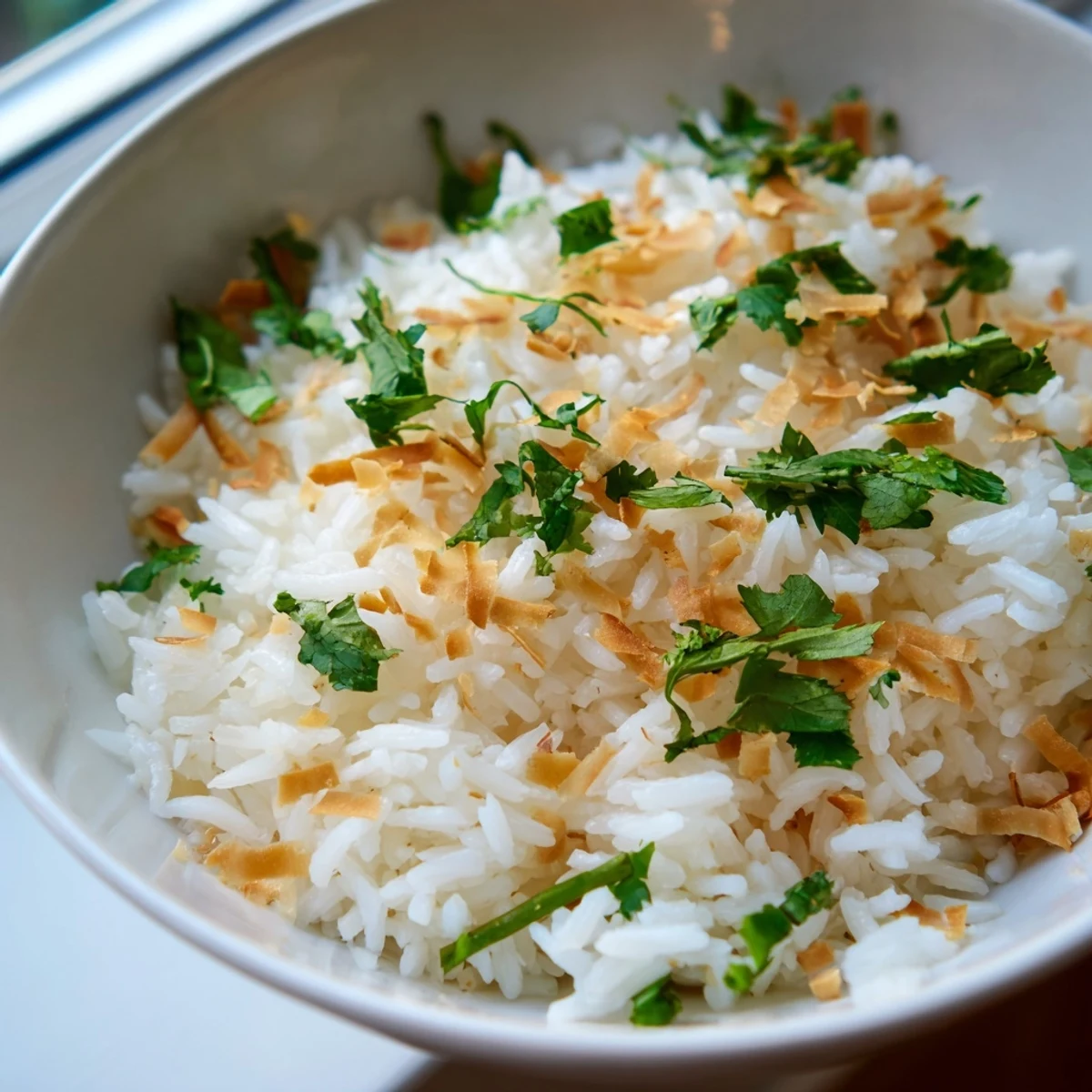
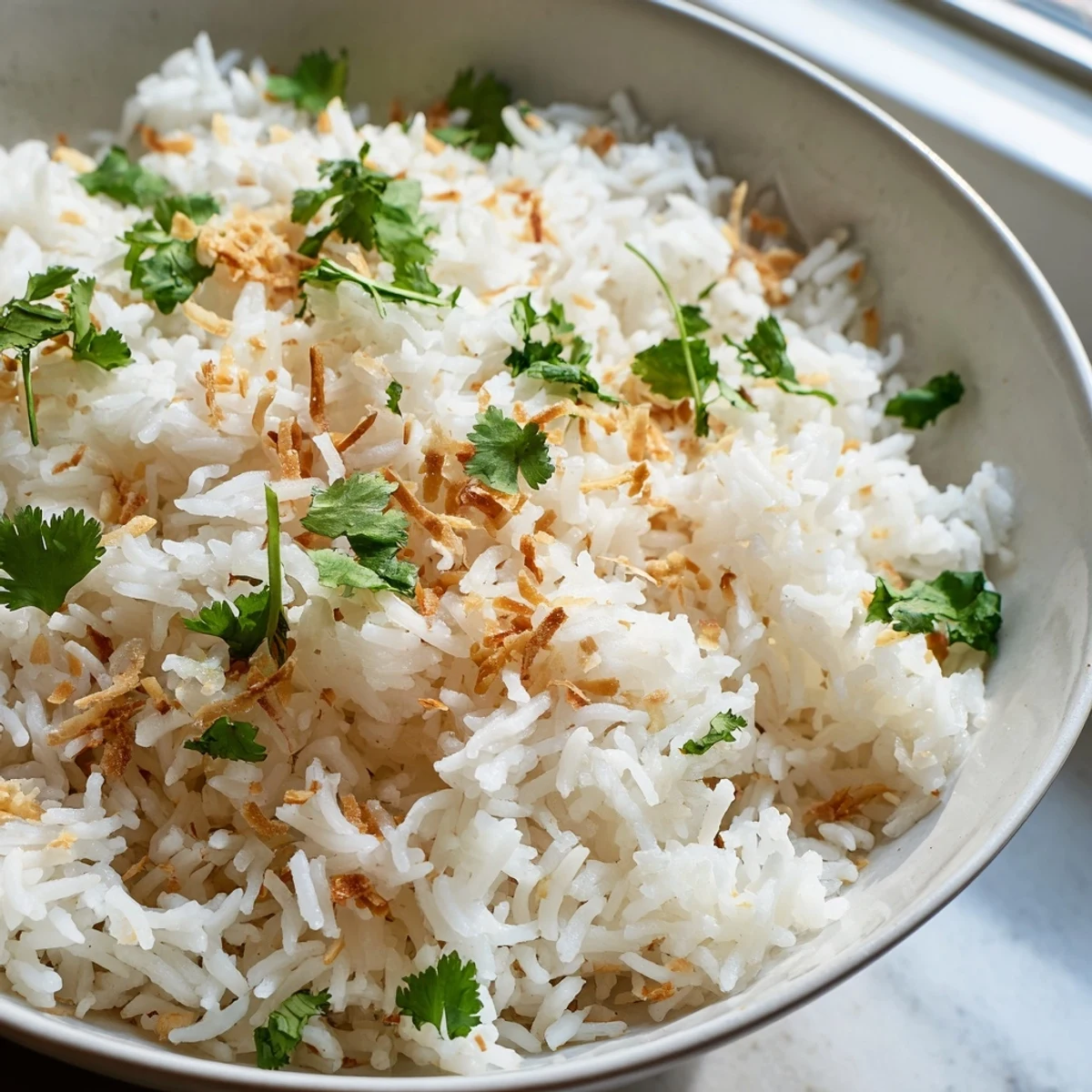
- Remove the lid and fluff gently with a fork, scattering toasted coconut and cilantro over the top if you want to make it look as good as it smells.
 Pin It
 I brought a big bowl of this coconut rice to a neighborhood potluck last summer and watched three different people go back for seconds before touching anything else on the table. That moment taught me that comfort food does not need to be complicated to win people over.
Getting the Texture Right
The most common mistake people make with coconut rice is using too much liquid because they treat coconut milk like water. You want equal parts coconut milk and water for jasmine rice and that ratio produces grains that are tender but still distinct. If you live somewhere humid you might even cut the water back by a tablespoon or two because ambient moisture affects how rice absorbs liquid.
What to Serve It With
Coconut rice is a natural match for anything with bold spices or heat because the sweetness and fat calm the fire on your palate. Thai curries are the obvious pairing but I also love it with soy glazed salmon, jerk chicken, or even a simple fried egg with some chili crisp drizzled on top. It elevates weeknight leftovers into something that feels intentional and put together.
Storing and Reheating
Leftover coconut rice keeps beautifully in an airtight container in the fridge for up to four days and actually reheats better than regular rice. The coconut fat keeps the grains from drying out so you get a second meal that tastes nearly as good as the first.
- Sprinkle a few drops of water over the rice before microwaving to create steam that refreshes the grains.
- A covered skillet over low heat with a splash of water produces the best texture if you have an extra five minutes.
- Never freeze coconut rice because the coconut milk separates upon thawing and leaves you with a grainy unpleasant mess.
 Pin It
 Coconut rice is proof that a few humble ingredients treated with a little care can produce something that feels like a celebration. Keep this recipe in your back pocket and it will rescue countless ordinary dinners from mediocrity.
Recipe Questions & Answers
- → Can I use brown rice instead of jasmine rice?
-
Yes, brown rice works as a substitute but requires a longer cooking time of approximately 35–40 minutes. You'll also need to add about ¼ cup of extra liquid to account for the additional absorption. The texture will be chewier and more nutty compared to jasmine rice.
- → Should I use full-fat or light coconut milk?
-
Full-fat coconut milk produces the richest, creamiest result with the most pronounced coconut flavor. Light coconut milk can be used, but the rice will be less creamy and the coconut taste more subtle. For the best texture and taste, full-fat is strongly recommended.
- → Why is rinsing the rice important?
-
Rinsing removes excess surface starch from the rice grains, which prevents the finished dish from becoming gummy or clumping together. Rinse under cold water until it runs completely clear for the fluffiest, most separated grains.
- → What dishes pair well with coconut rice?
-
Coconut rice is incredibly versatile and complements Thai green or red curries, spicy grilled chicken, teriyaki salmon, stir-fried vegetables, and jerk-seasoned proteins. It also works beautifully alongside Indonesian rendang or Vietnamese lemongrass dishes.
- → How do I store and reheat leftover coconut rice?
-
Store cooled rice in an airtight container in the refrigerator for up to 4 days. To reheat, sprinkle a tablespoon of water over the rice and warm it in the microwave covered, or gently steam it on the stovetop. The added moisture helps restore its original fluffy texture.
- → Can I add extra aromatics while cooking?
-
Absolutely. A smashed lemongrass stalk, a few kaffir lime leaves, or a small piece of fresh ginger added to the pot while simmering will infuse the rice with wonderful layers of fragrance. Simply remove the aromatics before fluffing and serving.