
 Pin It
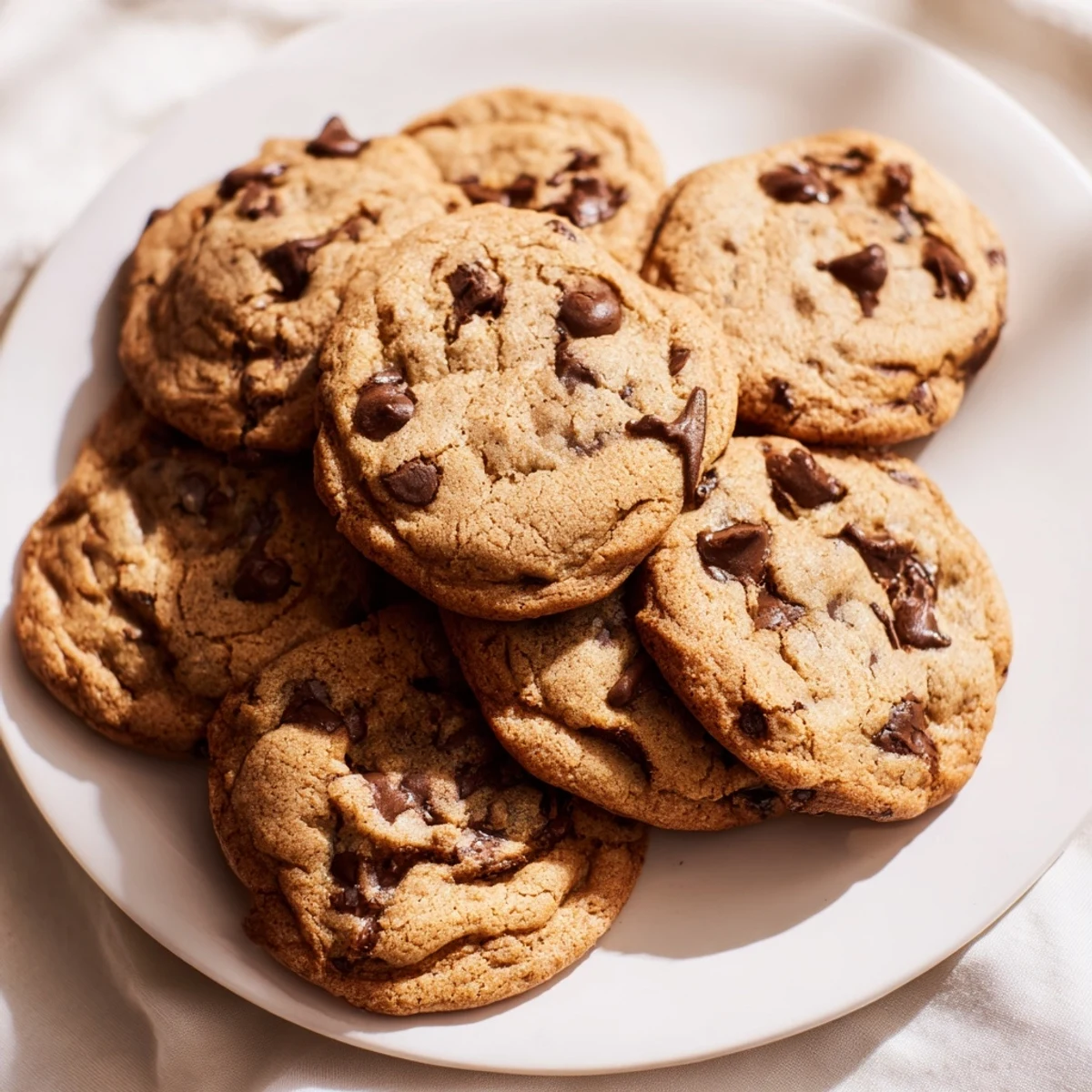
 These chewy chocolate chip cookies deliver the perfect balance of crispy edges and soft, gooey centers. Made with melted butter for extra chewiness and packed with semisweet chocolate chips throughout every bite.
The dough comes together quickly—just melt butter, combine with brown and granulated sugar, then mix in flour, eggs, and vanilla. Bake until edges turn golden while centers remain delightfully soft.
For maximum chewiness, slightly underbake and let cookies set on the hot baking sheet. Swap chocolate varieties or add chopped nuts to customize your batch. Makes 24 treats ready in under 30 minutes.
The rain was hammering against the kitchen window the afternoon I finally cracked the code on chewy chocolate chip cookies, after what felt like a hundred batches that spread too thin or turned out cakey instead of gooey. My oven buzzer had just broken, so I was timing everything by glancing at the microwave clock and guessing, which honestly taught me more about reading cookies by sight than any timer ever did. That batch, pulled at exactly twelve minutes with edges barely tinged gold and centers still wobbling slightly, was the one that made my roommate stop mid sentence and just stare at the cookie sheet. We ate six each standing right there at the counter, still too hot, barely chewed, and I have never once changed the recipe since.
I brought a tin of these to a friends barbecue last summer and three different people quietly pulled me aside to ask for the recipe, which is honestly the highest compliment a cookie can receive. Someone even hid a few in their jacket pocket for later, and I spotted them sneaking bites behind the fence like it was a heist movie. These cookies make people a little unreasonable, and I think that is the best thing you can say about any dessert.
Ingredients
- All purpose flour (2 1/4 cups, 280 g): Spoon and level it gently because packed flour is the silent killer of chewy cookies and will leave you with dense hockey pucks instead of soft beauties.
- Baking soda (1/2 teaspoon): Just enough to give the edges a slight lift without puffing the centers into cake territory.
- Salt (1/2 teaspoon): Do not skip this even if you are tempted because salt is what makes the chocolate taste like chocolate instead of just sweet.
- Unsalted butter, melted and slightly cooled (3/4 cup, 170 g): Melted butter is the entire secret to that dense chewy crumb, but let it cool a few minutes so you do not scramble the eggs.
- Packed brown sugar (1 cup, 200 g): The molasses in brown sugar keeps cookies soft and adds a caramel depth that white sugar alone can never achieve.
- Granulated sugar (1/2 cup, 100 g): A blend of both sugars gives you crisp edges and a chewy middle, which is the whole point.
- Pure vanilla extract (1 tablespoon): A full tablespoon might seem generous but it rounds out the sweetness and makes the whole kitchen smell incredible.
- Large eggs, room temperature (2): Room temperature eggs blend more evenly into the batter and help create that smooth, glossy dough.
- Semisweet chocolate chips (2 cups, 340 g): Semisweet hits the sweet spot between creamy and slightly bitter, but you can absolutely mix in dark chocolate chunks if you want more intensity.
Instructions
- Get your oven ready:
- Preheat to 350 degrees F (180 degrees C) and line two baking sheets with parchment paper so the cookies lift off effortlessly without sticking or spreading unevenly.
- Whisk your dry team:
- In a medium bowl, whisk together the flour, baking soda, and salt until evenly distributed, then set it aside so it is ready to go.
- Build the buttery base:
- Pour the melted butter into a large bowl, add both sugars, and whisk until the mixture looks smooth, glossy, and smells like warm toffee.
- Add the eggs and vanilla:
- Beat in the eggs one at a time, giving each a good mix before adding the next, then stir in the vanilla until the dough looks silky and unified.
- Bring it all together:
- Gradually add the dry ingredients and mix until just combined, stopping the moment you no longer see streaks of flour because overmixing will toughen the cookies.
- Fold in the chocolate:
- Use a spatula to gently fold in the chocolate chips, making sure they are scattered evenly throughout the dough without overworking it.
- Scoop and space:
- Scoop about two tablespoons of dough per cookie onto the prepared sheets, leaving two inches of space between each one so they have room to spread into perfect rounds.
- Bake with restraint:
- Bake for 11 to 13 minutes until the edges are golden but the centers still look soft and slightly underdone because they will continue to set on the hot pan.
- Let them rest:
- Cool the cookies on the baking sheet for five full minutes before transferring to a wire rack, which is the hardest part because the smell will test every ounce of your patience.
 Pin It
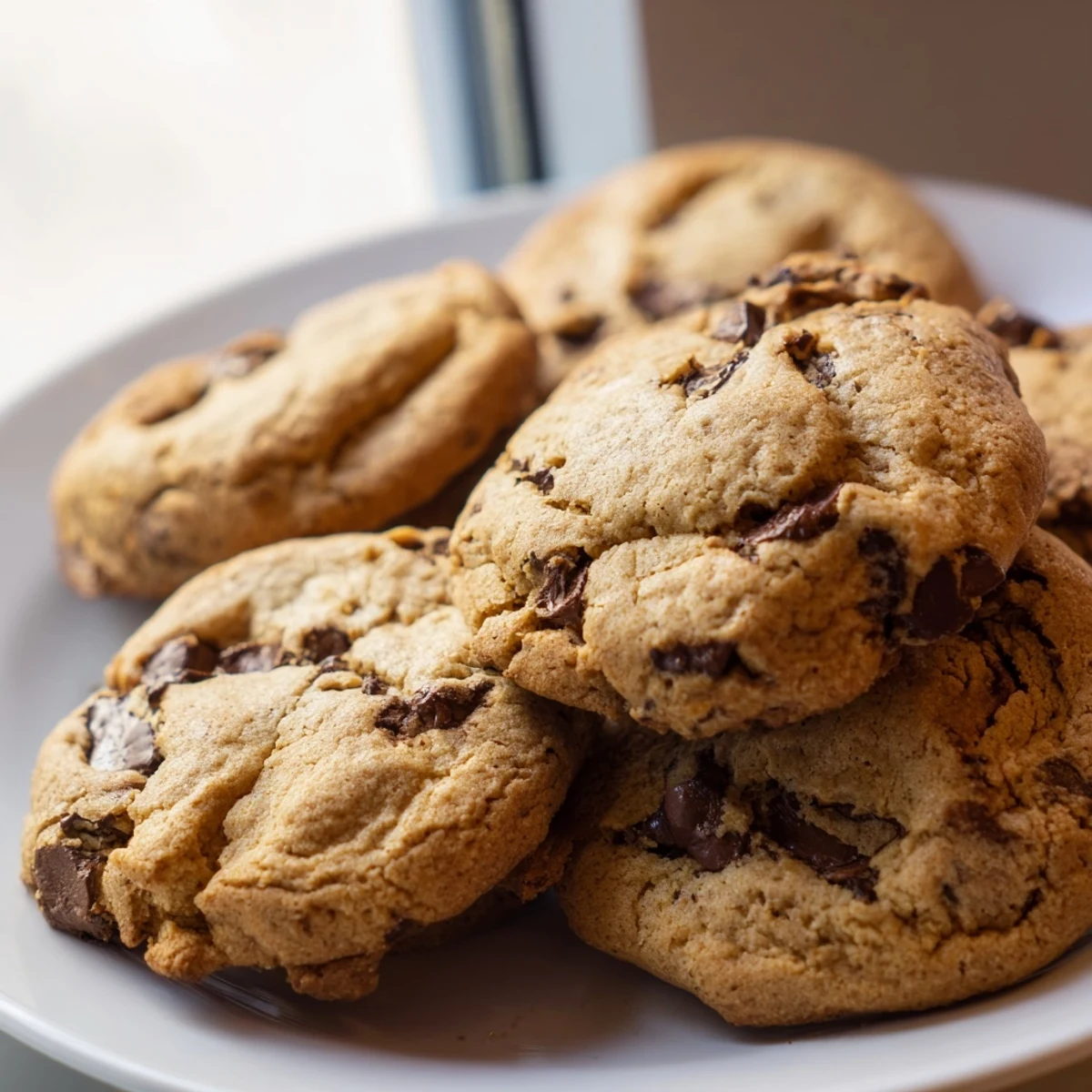
 There is something about a warm chocolate chip cookie that turns grown adults into kids again, standing around the kitchen waiting for the next batch to come out of the oven. I have watched people forget entire conversations mid sentence just because a cookie was placed in front of them. That is not just baking, that is a small kind of magic you can make in under thirty minutes.
Getting The Texture Just Right
The difference between a good cookie and a great one comes down to a few tiny decisions, and melted butter is the biggest one. Creamed butter incorporates air, which gives you cakey cookies, but melted butter coats the flour differently and creates that dense, fudgy chew we are all chasing. Brown sugar does double duty here because its molasses content attracts moisture and holds onto it, keeping the centers soft long after they have cooled. If you want to go even further, let the dough rest in the fridge for 24 hours before baking and you will notice a deeper, more complex flavor develop.
Swaps And Variations
This dough is wonderfully forgiving and welcomes all kinds of additions without complaining. Fold in half a cup of chopped pecans or walnuts if you want a nutty crunch that contrasts with the soft center. You can swap the semisweet chips for dark chocolate chunks, white chocolate chips, or even a handful of toffee bits if you are feeling adventurous. A sprinkle of flaky sea salt on top right as they come out of the oven elevates them from backyard bake sale to bakery display case.
Storing And Freezing
These cookies store beautifully in an airtight container at room temperature for up to five days, though they rarely last that long in my kitchen. You can also freeze the scooped dough balls on a sheet pan, then transfer them to a freezer bag for impromptu fresh baked cookies whenever the craving hits. Just add one or two extra minutes to the bake time if cooking from frozen, and you have warm cookies on demand like some kind of wonderful wizard.
- Place a slice of bread in the container with your cookies to keep them soft for days.
- Freeze baked cookies in a single layer before stacking to prevent them from sticking together.
- Always label your frozen dough with the bake time and temperature so you remember later.
 Pin It
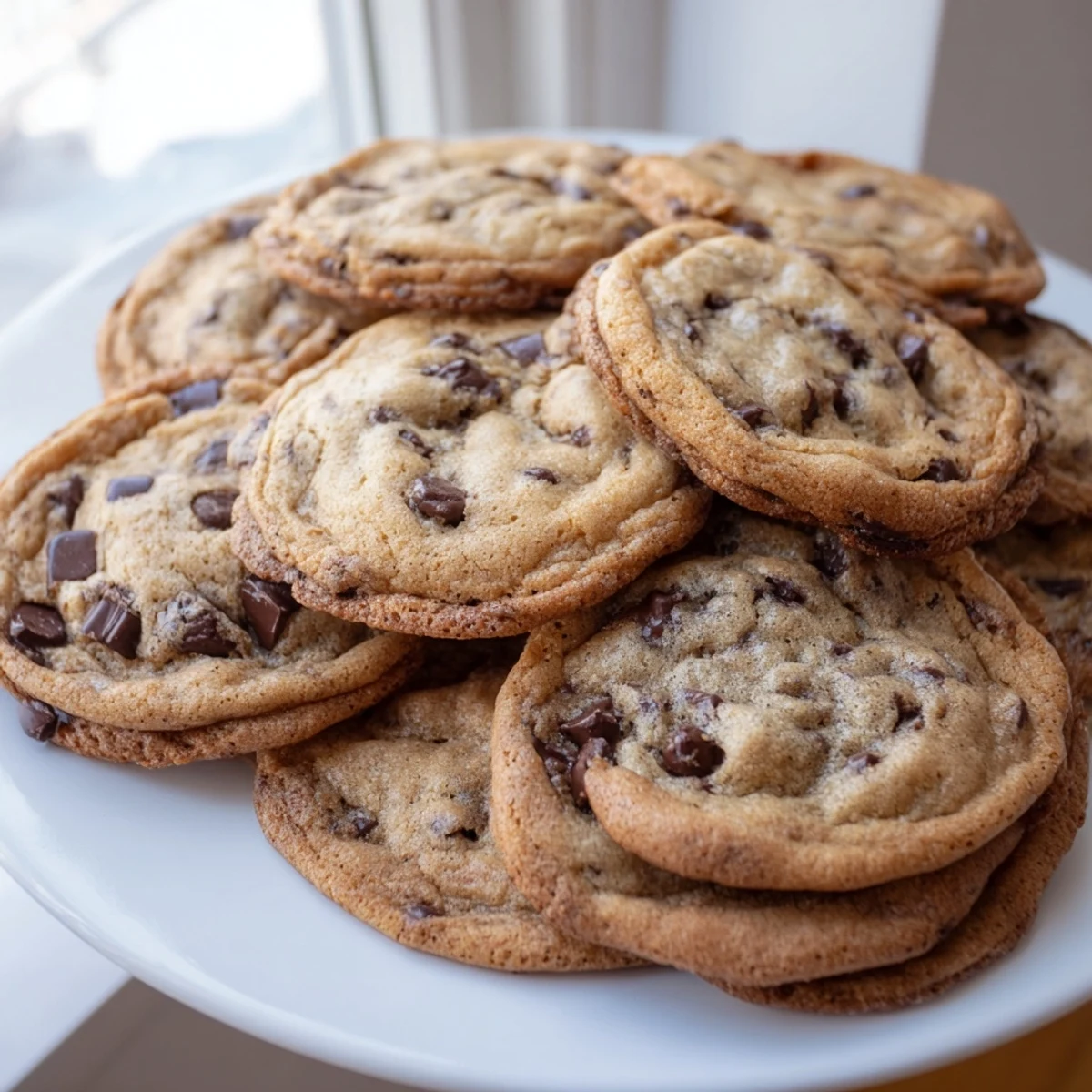
 Every batch of these cookies carries a little bit of whatever was happening in your kitchen that day, and that is what makes home baking so special. Share them generously, eat them warm, and never apologize for wanting a second one.
Recipe Questions & Answers
- → What makes these cookies chewy?
-
Melted butter creates a denser, chewier texture compared to creamed butter. The combination of brown sugar and proper baking time—removing cookies while centers are still slightly soft—ensures that perfect chewy consistency throughout.
- → Can I chill the dough before baking?
-
Yes! Chilling the dough for 30 minutes to overnight enhances flavor and prevents excessive spreading. If chilling, allow dough to sit at room temperature for 10 minutes before scooping for easier handling.
- → How do I know when cookies are done?
-
Remove from the oven when edges are golden brown but centers still look slightly underbaked and soft. They continue cooking on the hot baking sheet during the 5-minute cooling period, setting perfectly without becoming hard.
- → Can I use salted butter instead?
-
You can substitute salted butter by reducing the added salt to 1/4 teaspoon. Unsalted butter is preferred for better control over the overall saltiness, but the adjustment works well in a pinch.
- → How should I store these cookies?
-
Store completely cooled cookies in an airtight container at room temperature for up to 5 days. Place a slice of bread in the container to keep them soft and chewy longer. Freeze unbaked dough scoops for up to 3 months.
- → Why use melted butter in cookies?
-
Melted butter coats flour proteins differently than softened butter, creating less air pockets during mixing. This results in denser, chewier cookies with a more uniform texture throughout rather than cakey or crisp varieties.