
 Pin It
 These caramel cheesecake cookies combine a soft, buttery cream cheese dough with a luscious caramel swirl. The dough comes together quickly with basic pantry staples—butter, cream cheese, sugar, egg, and vanilla—then chills for 30 minutes before shaping.
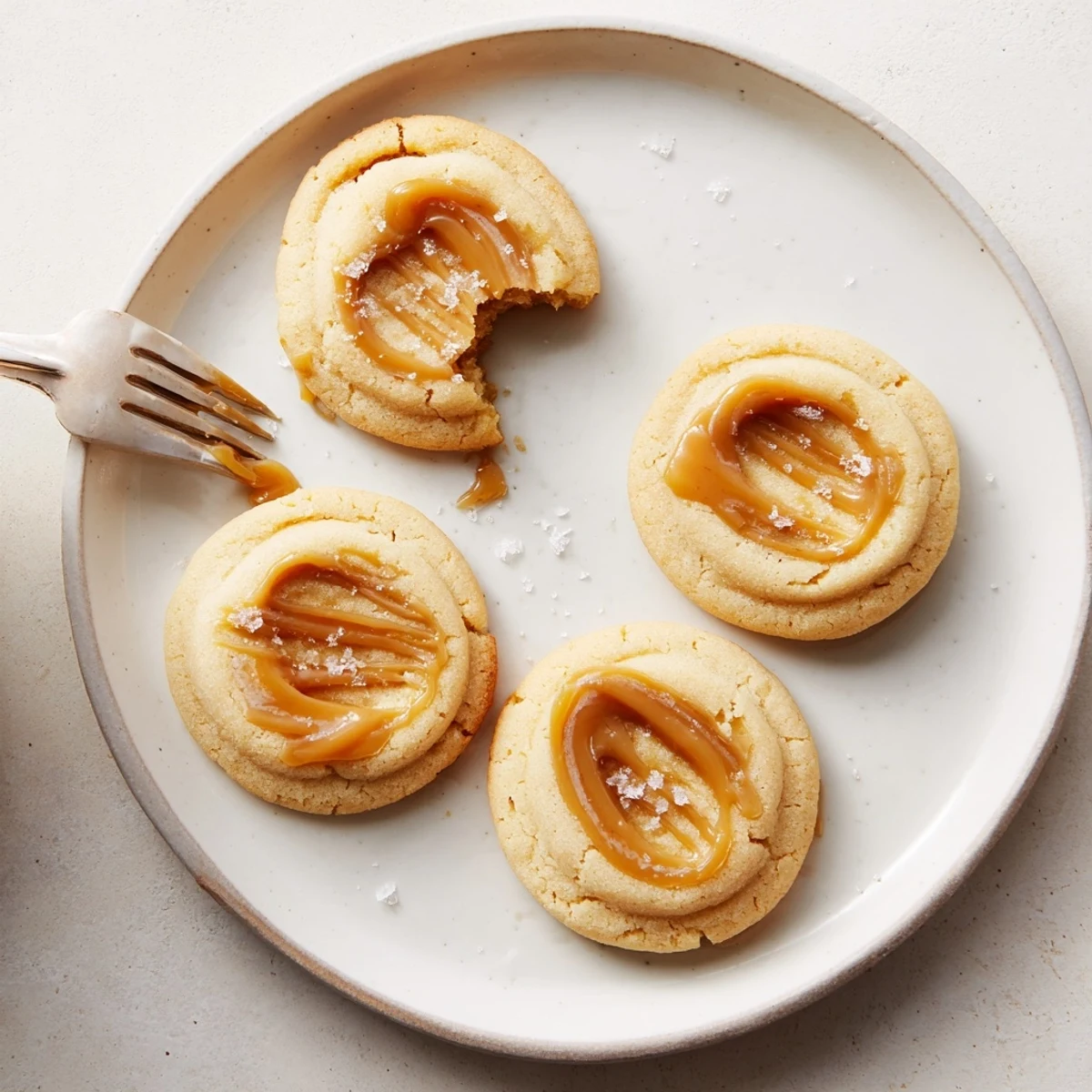
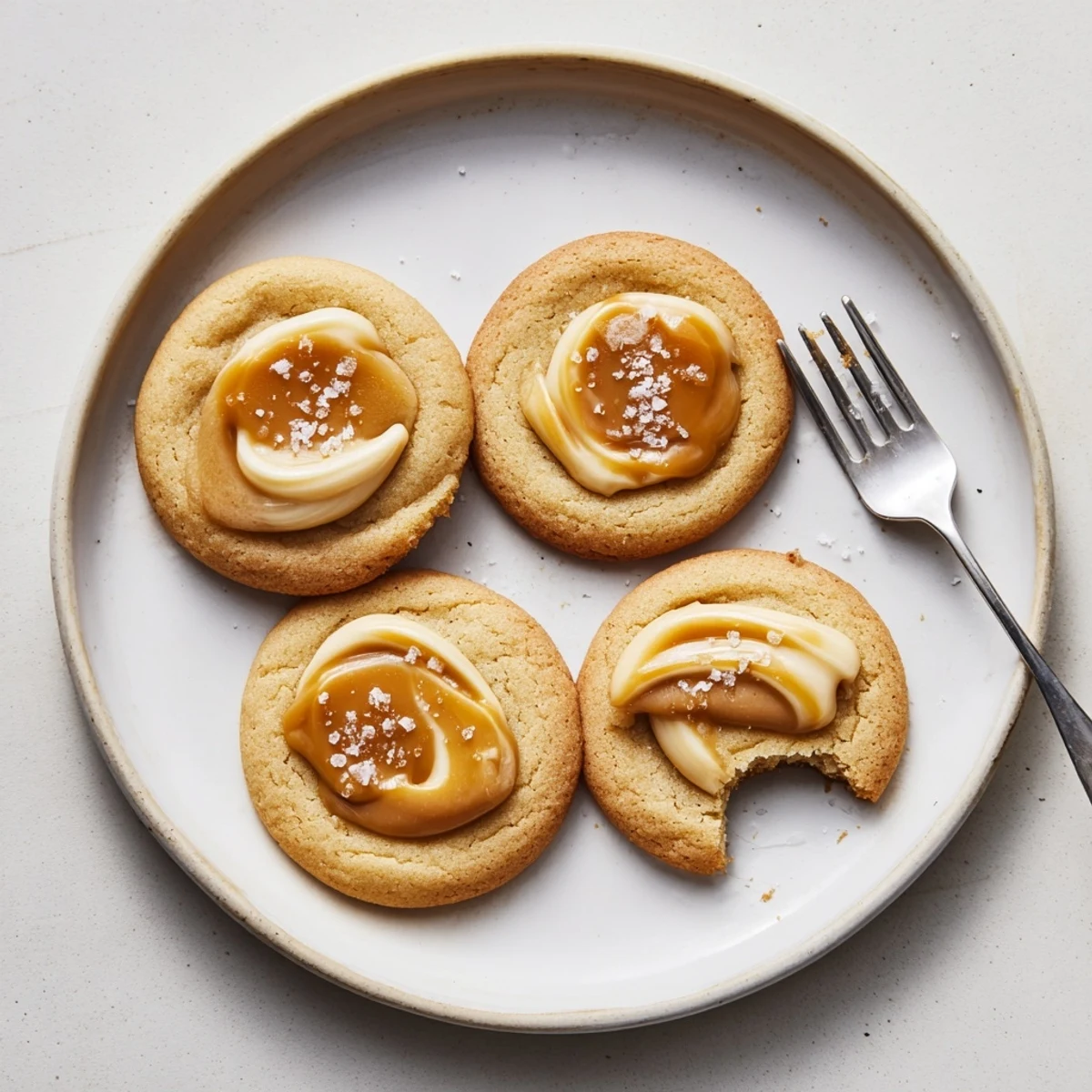
Each cookie gets a small indent filled with caramel sauce and a gentle swirl for a beautiful presentation. Bake at 350°F for 11–13 minutes until the edges turn lightly golden. The result is a tender, chewy cookie with pockets of sweet caramel in every bite.
Perfect for holiday cookie trays, dessert platters, or an everyday sweet craving. Yield: 24 cookies.
My kitchen smelled like a candy shop the afternoon I accidentally dropped an open jar of caramel into a bowl of cheesecake cookie dough, and instead of panicking, I grabbed a knife and swirled it right in. Those lopsided, gooey blobs came out of the oven looking like tiny galaxies, and my roommate ate six of them standing at the counter without even sitting down. That happy little disaster became the most requested cookie in my apartment for the next three years.
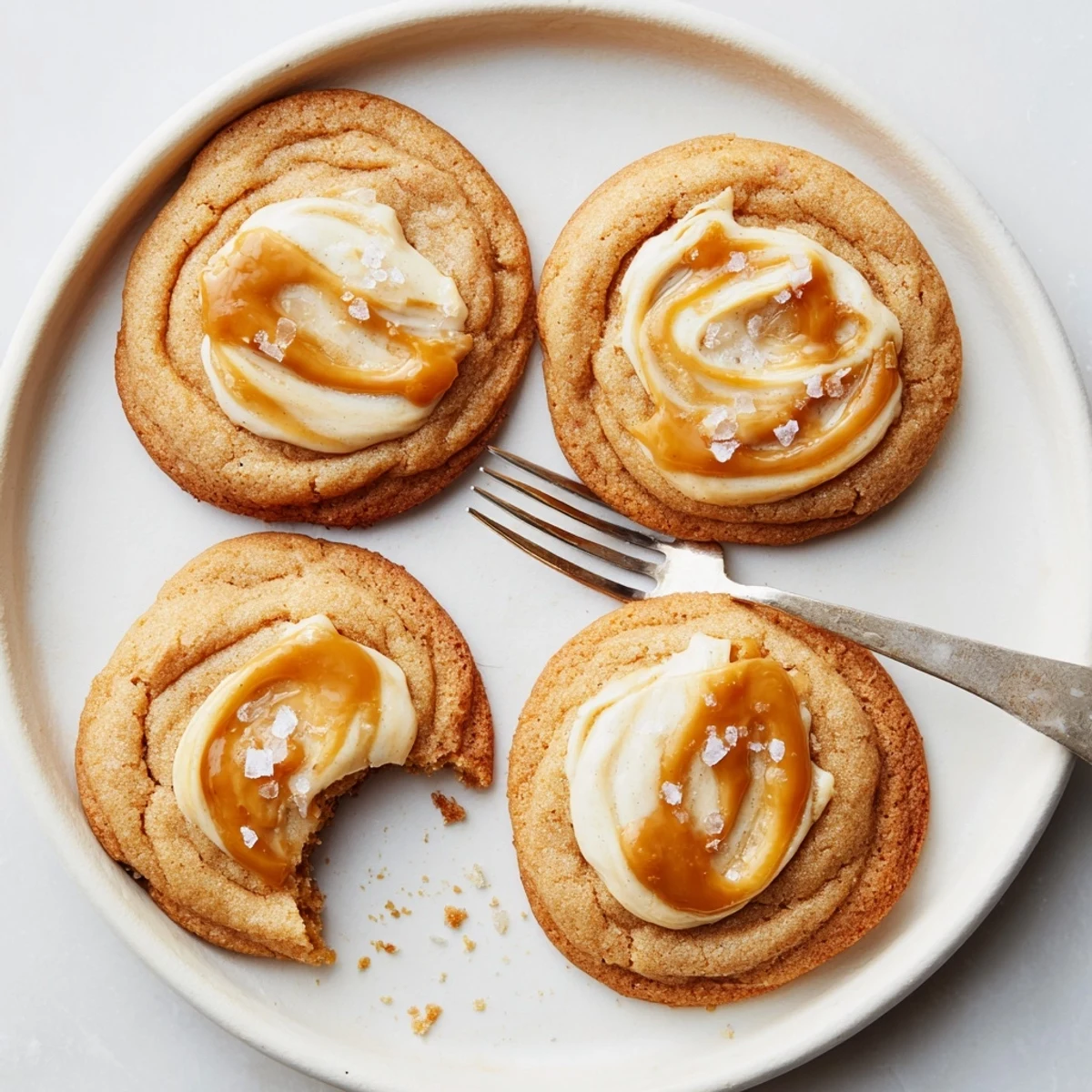
I brought a tin of these to a potluck last winter and watched a woman bypass the entire dessert table just to get to them, then quietly ask me if I catered. The beauty of this cookie is that swirl, those ribbons of golden caramel that peek through the pale dough and catch the light when you pull the baking sheet from the oven.
Ingredients
- Unsalted butter (1/2 cup, softened): Butter needs to be truly soft, not melty, so leave it out for about an hour and press it gently with your finger to test.
- Cream cheese (4 oz, softened): Full fat cream cheese gives the dough its signature tang and tenderness, so do not reach for the low fat version here.
- Granulated sugar (1 cup): Standard white sugar creaming with the butter creates the structure that keeps these cookies pillowy.
- Large egg (1): One egg binds everything together without weighing the dough down.
- Vanilla extract (1 tsp): A good quality vanilla rounds out the tang of the cream cheese beautifully.
- All purpose flour (2 cups): Measure by spooning into the cup and leveling off to avoid dense cookies.
- Baking powder (1/2 tsp): Just enough lift to keep the edges soft without turning them into cake.
- Salt (1/4 tsp): Salt sharpens every flavor and keeps the sweetness honest.
- Soft caramel sauce (1/2 cup): Let it cool slightly so it sits in the dough rather than melting right through it during baking.
Instructions
- Cream the base:
- Beat the softened butter and cream cheese together in a large bowl with an electric mixer until completely smooth and creamy, about two minutes of patient mixing.
- Sweeten the deal:
- Add the sugar and beat until the mixture turns pale and fluffy, scraping down the sides of the bowl whenever you see streaks hiding along the edges.
- Add the egg and vanilla:
- Drop in the egg and vanilla extract, then mix until the batter looks cohesive and slightly whipped, stopping once everything is evenly combined.
- Bring in the dry ingredients:
- Whisk the flour, baking powder, and salt in a separate bowl, then gradually add this to the wet mixture, stirring gently until the last streak of flour just disappears.
- Chill the dough:
- Cover the bowl tightly and tuck it into the refrigerator for at least thirty minutes so the dough firms up enough to scoop without spreading into puddles.
- Prepare for baking:
- Preheat your oven to 350 degrees F and line two baking sheets with parchment paper, arranging the racks in the upper and lower thirds of the oven.
- Scoop and shape:
- Scoop heaping tablespoons of dough onto the sheets, spacing them about two inches apart, then use the back of a spoon to press a small indent into each one.
- Swirl the caramel:
- Dollop about half a teaspoon of slightly cooled caramel sauce into each indent and drag a toothpick or knife through it in a loose figure eight to create a swirl.
- Bake until golden:
- Slide the sheets into the oven for eleven to thirteen minutes, watching for edges that are just beginning to turn a faint gold while the centers still look dewy.
- Cool and set:
- Let the cookies rest on the baking sheet for five minutes before moving them to a wire rack, giving the caramel time to settle and the structure time to firm up.
 Pin It
 The moment these became more than just cookies was when my niece, who was four at the time, held one up to the light and told me it looked like a little moon with golden rivers on it. She ate the caramel part first, which is exactly what I do too.
Getting the Caramel Swirl Right
The swirl is the part that takes a little practice, but it is also the part that makes people think you are some kind of baking wizard when they see the finished tray. Use a light hand with the toothpick and stop after two or three passes through the caramel, because overworking it turns that beautiful marble into a muddy blur. Slightly cooled caramel holds its shape better, so warm it just enough to be scoopable but not so hot that it runs everywhere.
Storing and Freezing
These cookies stay wonderfully soft in an airtight container at room temperature for about three days, though in my experience they rarely last past day two. You can freeze the baked cookies in a single layer between sheets of parchment for up to two months, and the texture thaws out almost perfectly. Freezing the unbaked scooped dough is also an option, just add a minute or two to the bake time straight from frozen.
Fun Variations to Try
Once you have the base dough mastered, it becomes a canvas for whatever sweet mood strikes you on a given afternoon. A sprinkle of flaky sea salt over the caramel before baking turns these into a sophisticated salted caramel situation that disappears twice as fast at any gathering.
- Swap the caramel for chocolate ganache and add a pinch of espresso powder to the dough for a mocha version.
- Try lemon curd instead of caramel with a half teaspoon of lemon zest mixed into the dough.
- Always taste your filling first because a too sweet sauce will make the whole cookie cloying.
 Pin It
 These cookies are proof that sometimes the best recipes come from a happy accident and a willingness to just keep stirring. Share them generously and watch people close their eyes on the first bite.
Recipe Questions & Answers
- → Can I make the cookie dough ahead of time?
-
Yes, the dough can be prepared and stored in the refrigerator for up to 48 hours before baking. Wrap it tightly in plastic wrap to prevent drying out. You can also freeze the dough for up to 3 months—thaw overnight in the fridge before using.
- → Why does the dough need to be chilled?
-
Chilling firms up the butter and cream cheese, preventing the cookies from spreading too much during baking. It also allows the flour to hydrate, resulting in a thicker, chewier texture with more concentrated flavor.
- → What type of caramel sauce works best?
-
A thick, soft caramel sauce works best since it stays in place during baking. Store-bought caramel topping or homemade caramel sauce both work well. Avoid thin, runny syrups as they may spread too much. Let the sauce cool slightly before adding to the cookies.
- → How should I store baked caramel cheesecake cookies?
-
Store cooled cookies in an airtight container at room temperature for up to 5 days. Layer them between sheets of parchment paper to prevent sticking. You can also freeze them for up to 2 months—thaw at room temperature for about 30 minutes before serving.
- → Can I add a salted caramel variation?
-
Absolutely. Sprinkle flaky sea salt over the caramel swirl right before baking for a salted caramel version. This adds a wonderful contrast of sweet and salty flavors. Coarse sea salt or Maldon flakes work particularly well for this twist.
- → Why did my cookies spread too much in the oven?
-
Over-spreading usually happens when the dough is too warm. Make sure to chill the dough for the full 30 minutes and work quickly when scooping. If your kitchen is hot, consider chilling the scooped dough on the baking sheet for 10 minutes before adding the caramel and baking.