 Pin It
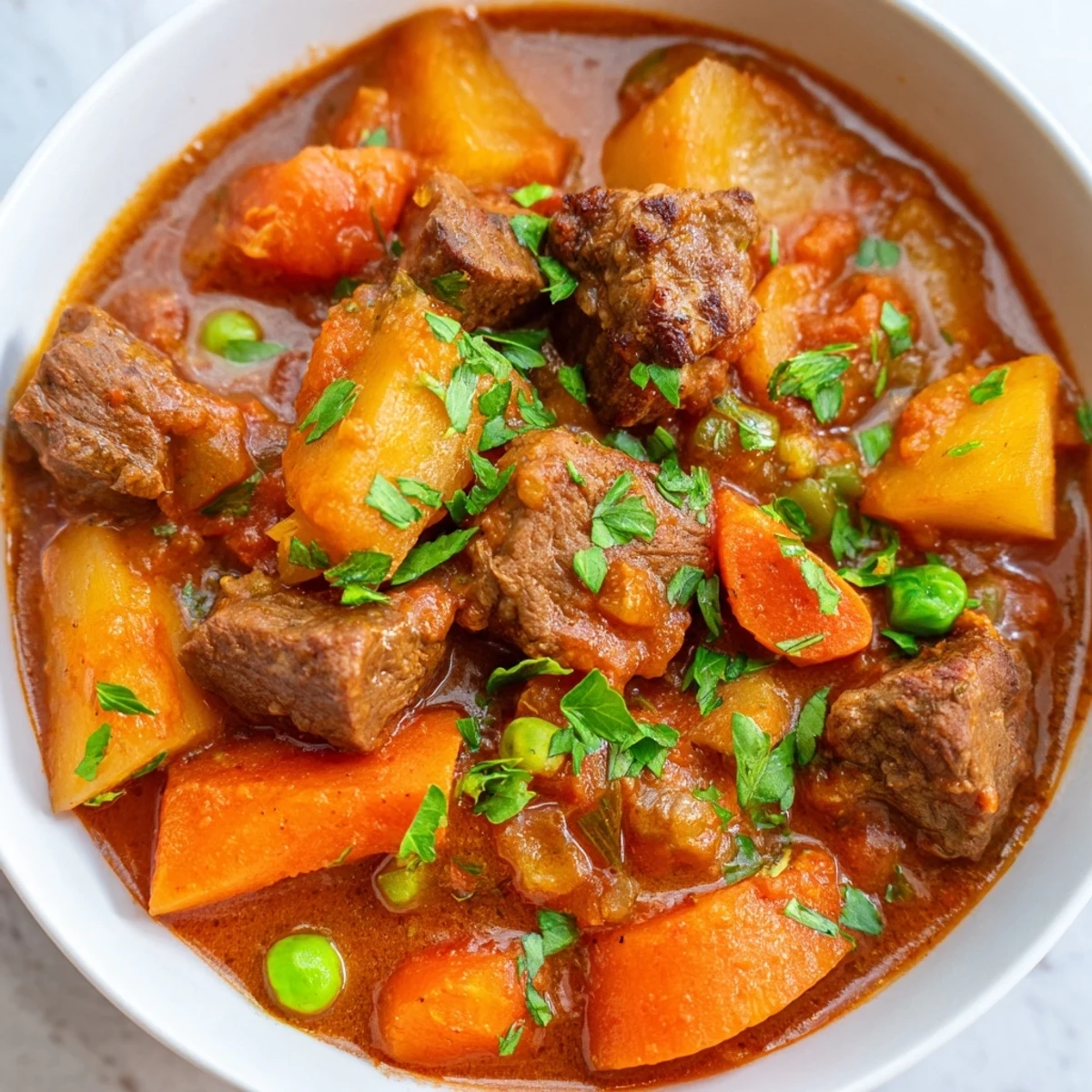
 This hearty baked dish features tender chunks of beef slow cooked with carrots, potatoes, onions, and celery in a savory tomato-based sauce. The process begins with searing the beef for deep flavor, followed by simmering the mix with herbs and broth before baking until tender and aromatic. Frozen peas are added near the end for fresh color and texture. Garnished with fresh parsley, it’s ideal for satisfying family dinners or meal prepping. Variations may include red wine for richness or using sweet potatoes for a different twist.
There's something about a casserole that stops time in a kitchen. Years ago, I watched my uncle pull one from the oven on a cold Sunday, and the whole house exhaled the smell of slow-cooked beef and herbs—it felt like coming home before I even sat down. That moment stuck with me, and now whenever I make this dish, I'm chasing that same magic: tender meat that falls apart at the touch of a spoon, vegetables that have given everything to the sauce, and that golden-brown comfort that makes people linger at the table.
I made this for a friend who'd just moved into her first house, and she stood in her kitchen doorway watching it bake, mesmerized by the smell coming through her oven window. When we finally sat down to eat, she got quiet—the kind of quiet that means food is doing what it's supposed to do. She's made it six times since then, and every time she tells me it tastes like her house finally feels lived in.
Ingredients
- Beef chuck or stewing beef (1.5 lbs, cut into 1-inch cubes): This cut is packed with connective tissue that dissolves into the sauce during long cooking, creating body and richness you can't rush.
- Carrots (2 large, peeled and sliced) and celery (2 stalks, sliced): These are your flavor foundation—they sweeten subtly as they soften and create the backbone of the sauce.
- Potatoes (2 medium, peeled and diced): They thicken the casserole naturally and turn creamy without breaking apart if you cut them evenly.
- Onion (1 large, chopped) and garlic (2 cloves, minced): Sauté these first to mellow their bite and build a savory base layer that holds everything together.
- Frozen peas (1 cup): Add these at the very end so they stay bright and tender rather than turning to mush.
- Beef broth (2 cups) and diced tomatoes (1 can, drained): Together they create a sauce that's savory and slightly acidic—the tomatoes cut through the richness beautifully.
- Tomato paste (2 tbsp): This concentrate deepens the umami and adds subtle sweetness that balances the herbs.
- Worcestershire sauce (2 tbsp): It's a secret weapon that adds complexity and a hint of tang without announcing itself.
- All-purpose flour (2 tbsp): Dust this over the vegetables to thicken the sauce naturally and give the final dish a silky texture.
- Dried thyme and rosemary (1 tsp each), bay leaf, salt, and black pepper: These herbs are earthy and timeless—they know how to support beef without overwhelming it.
- Fresh parsley (2 tbsp, chopped for garnish) and olive oil (2 tbsp): The parsley brightens the finish, and good olive oil helps you develop a proper sear on the meat.
Instructions
- Preheat and sear:
- Set your oven to 350°F while you heat olive oil in a Dutch oven over medium-high heat. When the oil shimmers, add the beef cubes in batches—don't crowd the pan or they'll steam instead of brown. You want a deep golden crust on each piece, which takes about 5 minutes total.
- Build the aromatic base:
- Once the beef is set aside, add onions, carrots, celery, and garlic to the same pot where the beef released its fond. Let them soften for 4–5 minutes, stirring occasionally, until the raw edge leaves their smell.
- Create the thickening layer:
- Sprinkle flour over the softened vegetables and stir constantly for 1 minute. This coating will help thicken your sauce later and adds a subtle toasted grain flavor.
- Bring it all together:
- Return the beef to the pot along with potatoes, diced tomatoes, tomato paste, Worcestershire sauce, thyme, rosemary, bay leaf, salt, and pepper. Pour in the beef broth and stir everything until well combined, then bring it to a gentle simmer on the stovetop.
- Slow braise in the oven:
- Cover the casserole and transfer it to the oven for 1 hour. The low, steady heat will coax the beef into tenderness and let all the flavors marry without competing.
- Finish with brightness:
- After an hour, remove the casserole from the oven and stir in the frozen peas. Return it uncovered for 15 more minutes so the peas warm through and the sauce reduces slightly and thickens.
- Plate and serve:
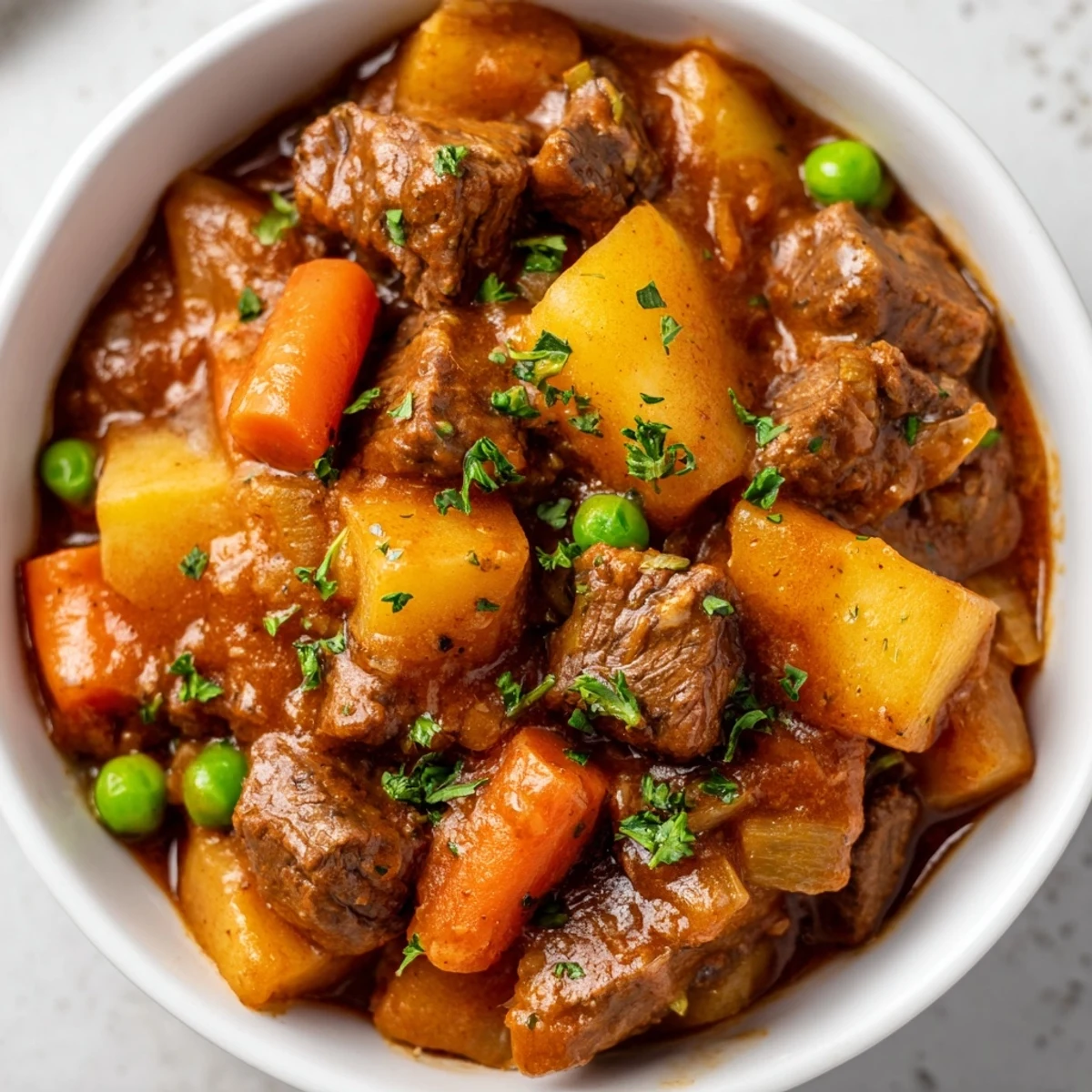
- Fish out the bay leaf, scatter fresh parsley across the top, and serve steaming hot. The parsley isn't just decoration—it adds a fresh green note that cuts through the richness.
 Pin It
 A few winters ago, this casserole became the dish I made when someone needed feeding—not fancy, not trying too hard, just honest and warm. My neighbor came over in a rough patch, and halfway through dinner she asked for the recipe with tears in her eyes. It wasn't about the food; it was about feeling cared for in the most straightforward way possible.
The Science of Slow Cooking
When beef chuck cooks low and slow, its tough fibers and collagen break down into gelatin, which is why the meat becomes so tender you barely need a spoon. The acid from the tomatoes and Worcestershire helps this process along while brightening the overall flavor. The vegetables soften at different rates too—potatoes take longer than carrots, which is why we cut them to similar sizes, so everything finishes at once. Temperature matters: 350°F is hot enough to build flavor through gentle browning, but low enough that the meat stays moist and never gets stringy.
Variations Worth Trying
This casserole is forgiving enough to bend to what you have or what you crave. Swap regular potatoes for sweet potatoes if you like earthiness and slight sweetness, or use parsnips for a more delicate flavor. A splash of red wine poured in with the broth adds richness and complexity—use about half a cup and reduce the broth slightly. You can also add mushrooms, bell peppers, or even turnips depending on the season and what's calling to you.
Serving Ideas and Pairings
Crusty bread is the classic choice for soaking up every drop of sauce, and it's never wrong. But egg noodles tossed with a touch of butter create a softer, creamier canvas that lets the casserole shine. A simple green salad with sharp vinaigrette cuts through the richness and balances the meal beautifully. This dish also freezes beautifully—portion it into containers, and you'll have comfort waiting whenever you need it most.
- Let the casserole rest for 5 minutes after coming out of the oven so the sauce sets slightly and the flavors settle.
- Leftovers taste even better the next day as flavors deepen and meld.
- If doubling the recipe, give the oven time to return to temperature between batches.
 Pin It
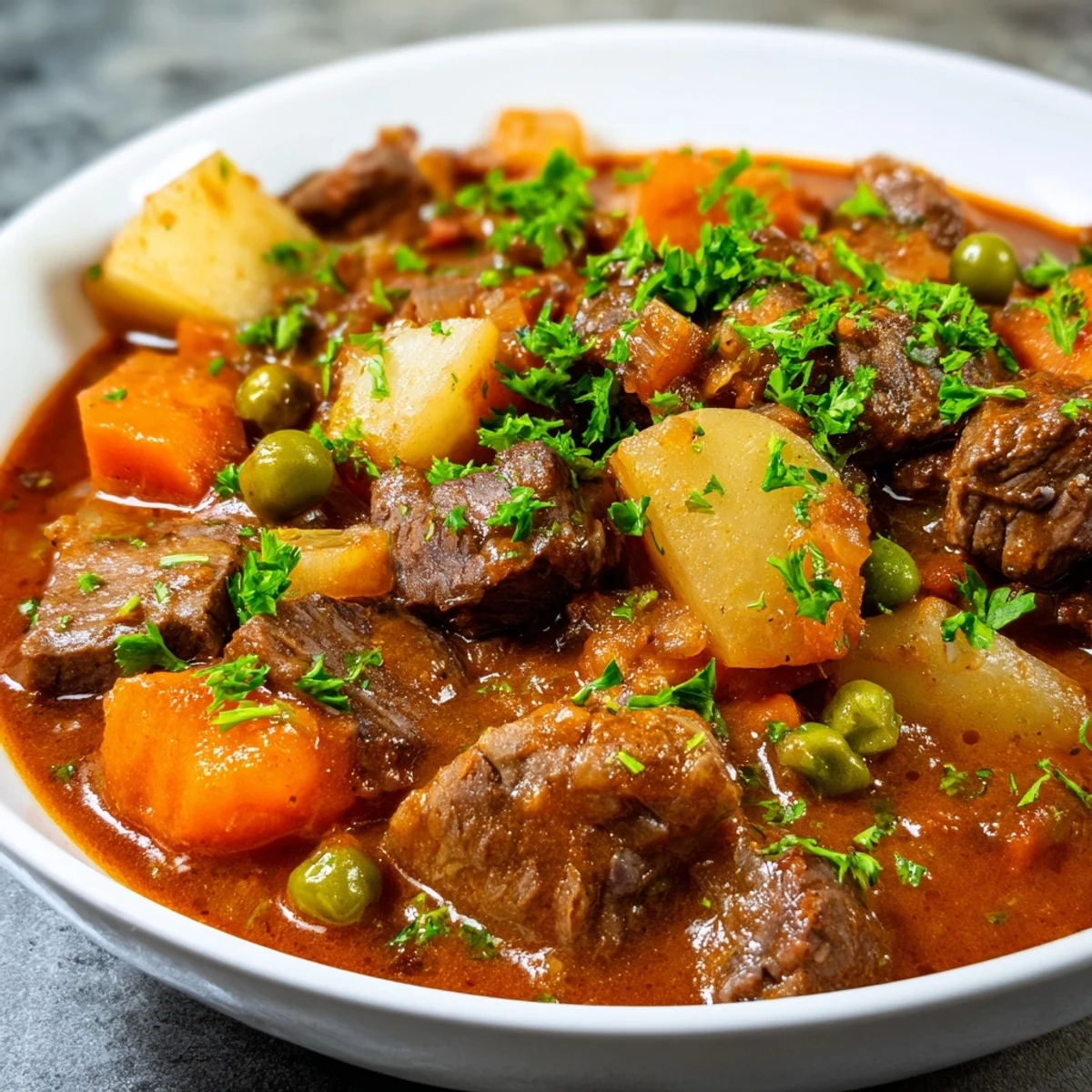
 This casserole exists somewhere between home cooking and real comfort, the kind of meal that heals quiet moments and brings people closer. Once you make it, you'll understand why it stays in my rotation.
Recipe Questions & Answers
- → What cut of beef works best for this dish?
-
Beef chuck or stewing beef cut into cubes is ideal due to its tenderness and flavor after slow cooking.
- → Can I prepare this dish ahead of time?
-
Yes, it’s excellent for meal prep and tastes even better after resting overnight to deepen the flavors.
- → Are there suitable substitutes for potatoes?
-
You can use sweet potatoes or parsnips as alternatives for a slight variation in taste and texture.
- → How is the sauce thickened in this dish?
-
The sauce is thickened by coating the sautéed vegetables with all-purpose flour before adding liquids and baking.
- → What herbs enhance the flavor best?
-
Dried thyme, rosemary, and a bay leaf provide a fragrant, earthy aroma that complements the beef perfectly.
- → Can I add red wine to the cooking liquid?
-
Adding a splash of red wine with the broth enriches the sauce, giving it deeper flavor and complexity.