
 Pin It
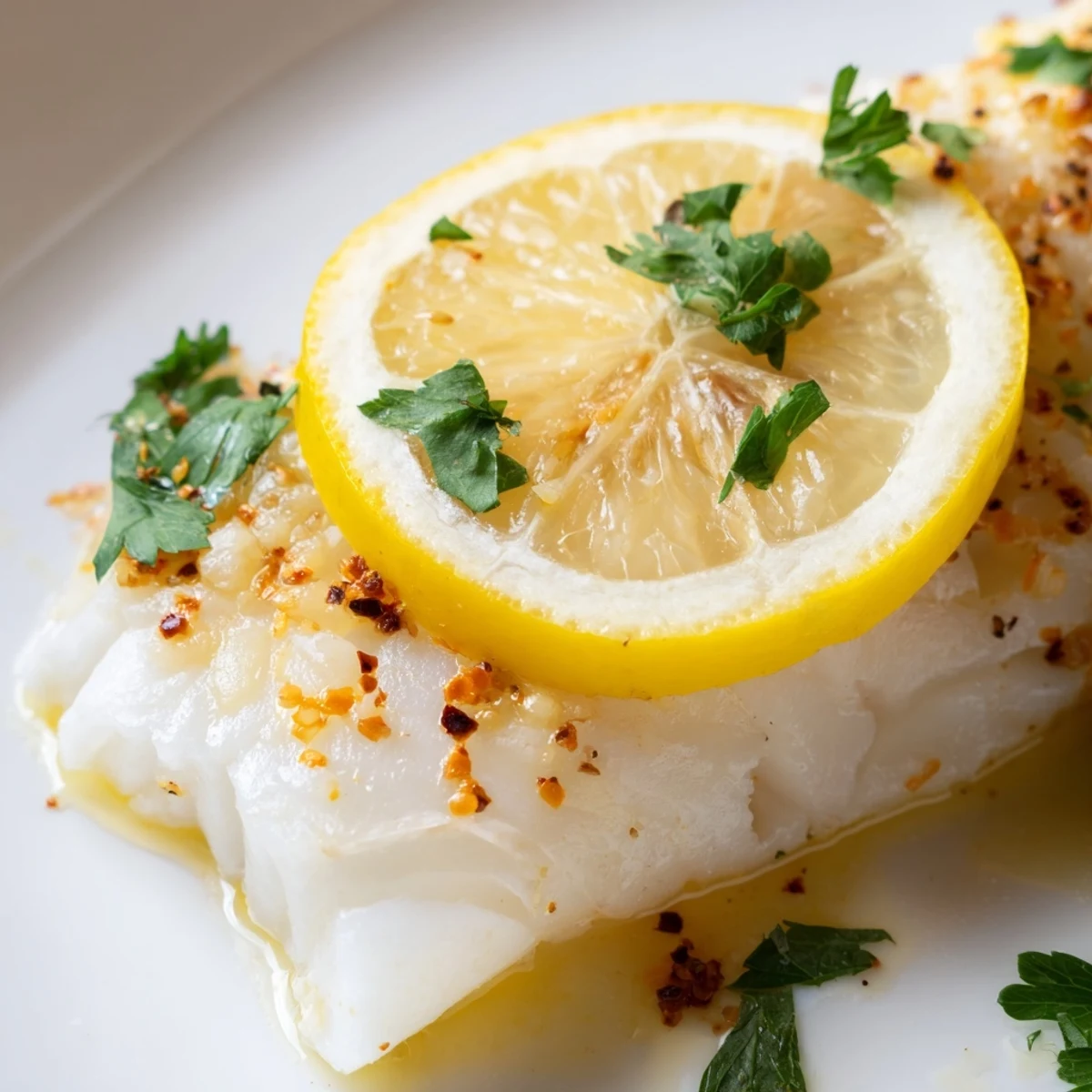
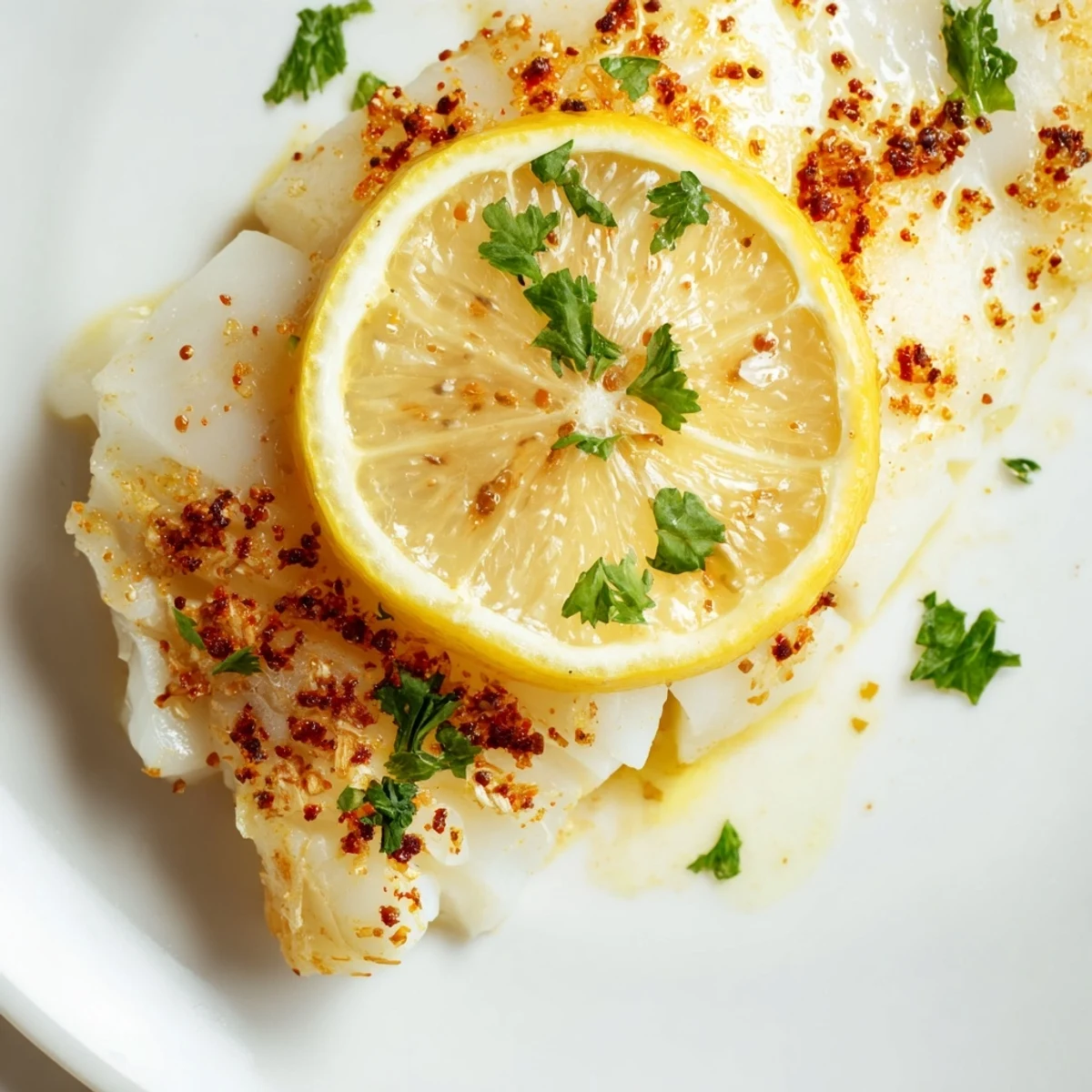
 This dish features tender, flaky cod fillets baked to perfection with a bright lemon-garlic marinade. The fillets absorb a delicate blend of olive oil, fresh lemon juice, garlic, and spices like paprika and parsley, delivering a healthy yet flavorful meal. Baking ensures the fish remains moist and flaky. Garnished with fresh lemon slices and parsley, it pairs wonderfully with steamed vegetables or roasted potatoes. Ideal for a quick and wholesome main course.
There's something about the smell of lemon and garlic hitting hot fish that stops me mid-breath every time. My neighbor once mentioned over the fence that she'd stopped buying expensive restaurant fish dishes, and I realized that was because she'd finally figured out what I'd discovered years before: you don't need complicated techniques or fancy ingredients to make cod sing. This recipe came to life on an ordinary Tuesday when I had four beautiful fillets, a lemon, and the kind of hunger that only simple food can fix.
I made this for my sister on a Friday night when she mentioned she was eating too much takeout, and watching her close her eyes after that first bite reminded me why I love cooking for people. The way the lemon juice pooled on her plate, how she asked for the recipe before she'd even finished—that's the kind of moment that sticks with you.
Ingredients
- Cod fillets (4 fillets, 150 g each): Look for fillets that are roughly the same thickness so they cook evenly; thinner pieces will dry out while thicker ones are still raw in the middle.
- Olive oil (2 tbsp): Use a decent quality oil here because it's one of the few ingredients doing the seasoning work.
- Fresh lemon juice (1 tbsp): Bottled works, but fresh lemon gives you brightness that cuts through the richness of the fish.
- Garlic (2 cloves, minced): Don't skip this; it becomes sweet and mellow when baked, nothing like raw garlic.
- Sea salt (1 tsp): Kosher salt works too, just measure by weight if you can since crystal sizes vary.
- Black pepper (½ tsp): Crack it fresh if you have a grinder; pre-ground loses its punch faster than you'd think.
- Paprika (½ tsp): This adds a subtle warmth and color; it's not spicy unless you use hot paprika.
- Dried parsley (1 tsp or 1 tbsp fresh): Fresh is noticeably better, but dried won't disappoint if that's what you have.
- Lemon slices and fresh parsley for garnish: These aren't just decoration; they brighten each bite and make the plate feel intentional.
Instructions
- Heat your oven and prep the pan:
- Preheat to 200°C (400°F) and line your baking sheet with parchment paper or a light spray of oil. This stops the fish from sticking and makes cleanup almost nonexistent.
- Build your marinade:
- Whisk together the olive oil, lemon juice, minced garlic, salt, pepper, paprika, and parsley in a small bowl until everything is evenly combined. You're not making a sauce here; you're making a coating that will flavor every part of the fish.
- Dry the fish:
- Pat the cod fillets completely dry with paper towels—this matters more than you'd expect because moisture on the surface stops browning and can make the fish release too much liquid. Place them on your prepared sheet in a single layer.
- Coat generously:
- Brush each fillet with the marinade on both sides using a pastry brush or the back of a spoon. Don't be shy; you want every surface touched by that lemon-garlic mixture.
- Add lemon garnish:
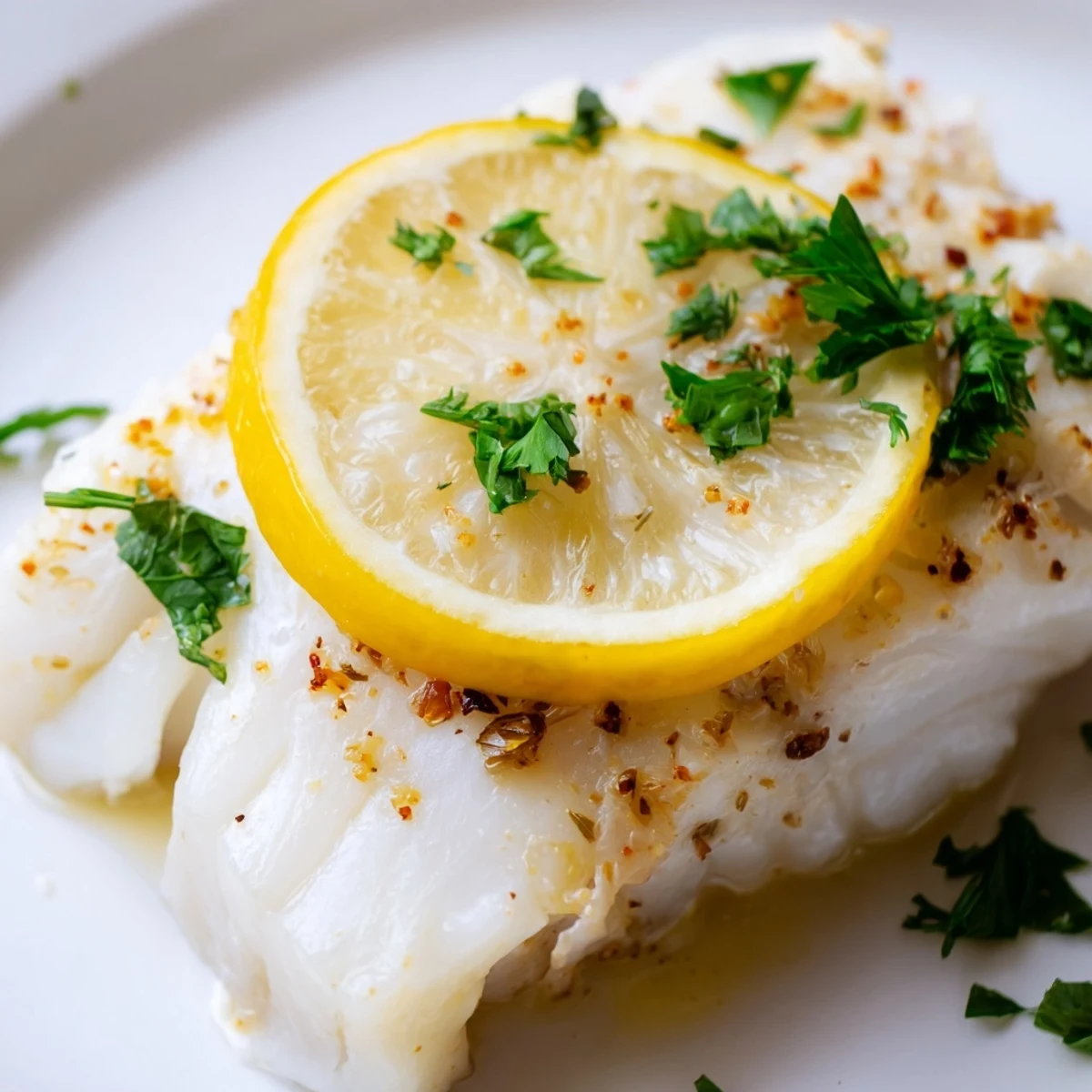
- Lay lemon slices directly on top of each fillet. They'll soften into the fish and release their juice as everything bakes together.
- Bake until opaque:
- Slide the sheet into the oven for 15–18 minutes. The fish is done when it's opaque throughout and flakes easily with a fork; overcooked cod becomes chalky, so watch the clock.
- Finish and serve:
- Pull everything out, scatter fresh parsley on top if you have it, and serve right away while the fish is still steaming and tender.
 Pin It
 My partner used to say he didn't like fish much until I made this, and I realized that what he'd disliked was overcooked, flavorless fish from restaurants that didn't care. The first time he asked for it a second time, I knew I'd converted him.
Why This Fish Works
Cod is forgiving in a way that halibut or sole sometimes aren't—it's mild enough that simple seasoning shines, but firm enough that it doesn't fall apart in the oven. The lemon and garlic are classic partners for white fish because they brighten the delicate flavor without overpowering it. I've tried this with haddock and halibut too, and both are excellent, but there's something about cod's texture that feels right here.
Sides That Make It a Meal
This fish doesn't demand heavy sides because it's light and straightforward. I usually steam a batch of green beans or broccoli while the fish bakes, toss it with a little olive oil and garlic, and that's dinner. Rice soaks up the pan juices beautifully, or if you want something more indulgent, crispy roasted potatoes turn this into something fancier without any extra work.
How to Know It's Perfect
The real test is the fork: when you press a fork to the thickest part of the fillet, it should separate into flakes without any resistance, and there shouldn't be any translucent or raw-looking flesh at the center. If the top is browning too fast but the inside still feels firm, you can tent the baking sheet loosely with foil for the last few minutes. The lemon slices on top should be soft and slightly caramelized, and the kitchen should smell like something expensive but taste like simplicity.
- Invest in a meat thermometer: fish is perfectly done at 145°F (63°C) internal temperature, which takes the guesswork out entirely.
- Buy your fish from somewhere you trust, and use it the same day or the next morning for the best flavor.
- Don't walk away from the oven during the last five minutes; fish cooks so fast that timing is everything.
 Pin It
 This dish proved to me that the best recipes aren't the ones with long ingredient lists or complicated steps—they're the ones where every element earns its place. I hope this becomes one of those meals you make again and again, the kind that tastes like care.
Recipe Questions & Answers
- → How do I know when the cod is fully cooked?
-
Look for an opaque appearance and flaky texture that easily separates with a fork to confirm doneness.
- → Can I use other fish instead of cod?
-
Yes, haddock or halibut are excellent alternatives due to their similar texture and flavor.
- → Is it important to pat the fish dry before seasoning?
-
Patting the fillets dry helps the marinade adhere better and promotes even cooking and browning.
- → Can I prepare the marinade in advance?
-
Yes, mixing the olive oil, lemon juice, garlic, and spices beforehand enhances the depth of flavor.
- → What sides pair well with this cod dish?
-
Steamed vegetables, rice, or roasted potatoes complement the bright, savory flavors nicely.