
 Pin It
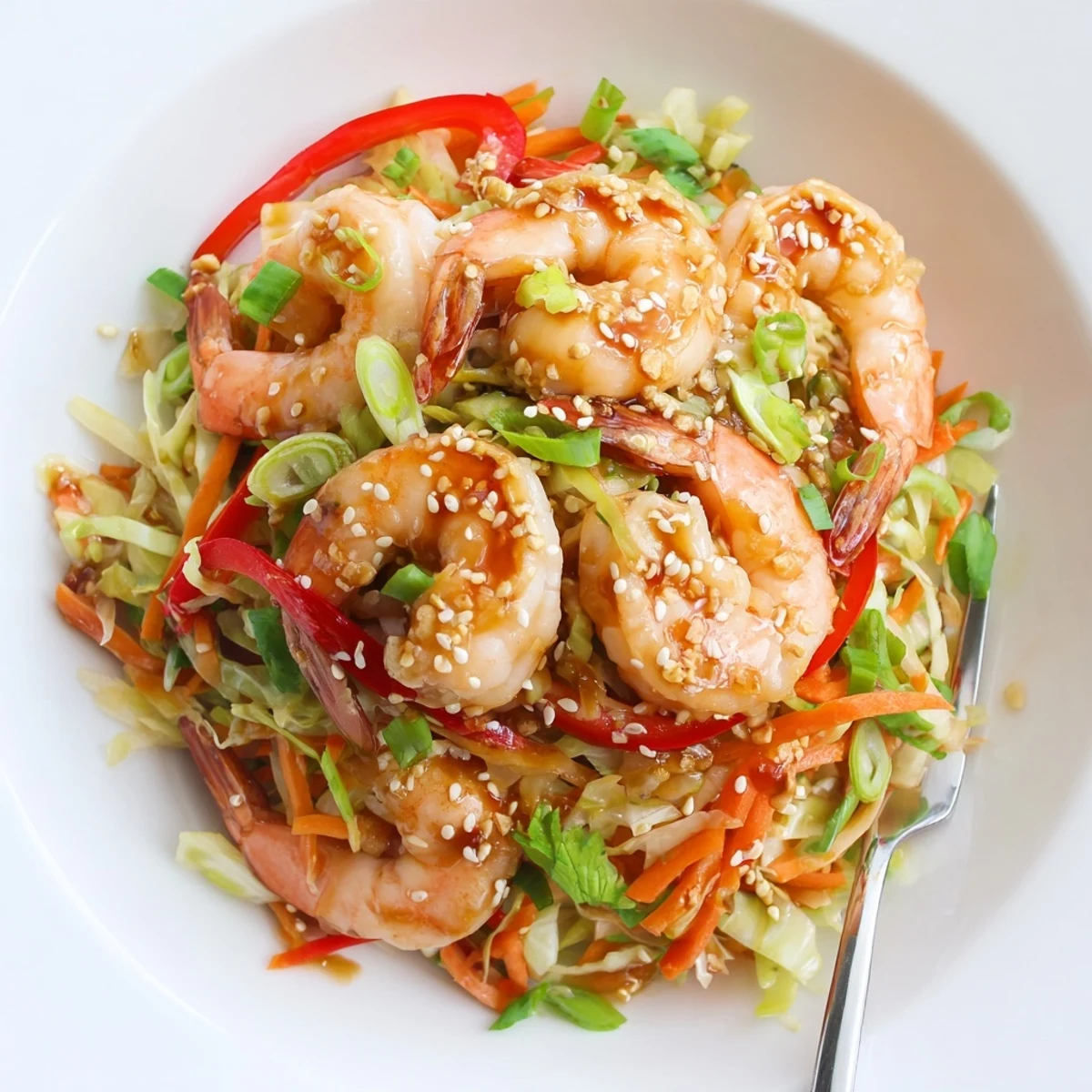
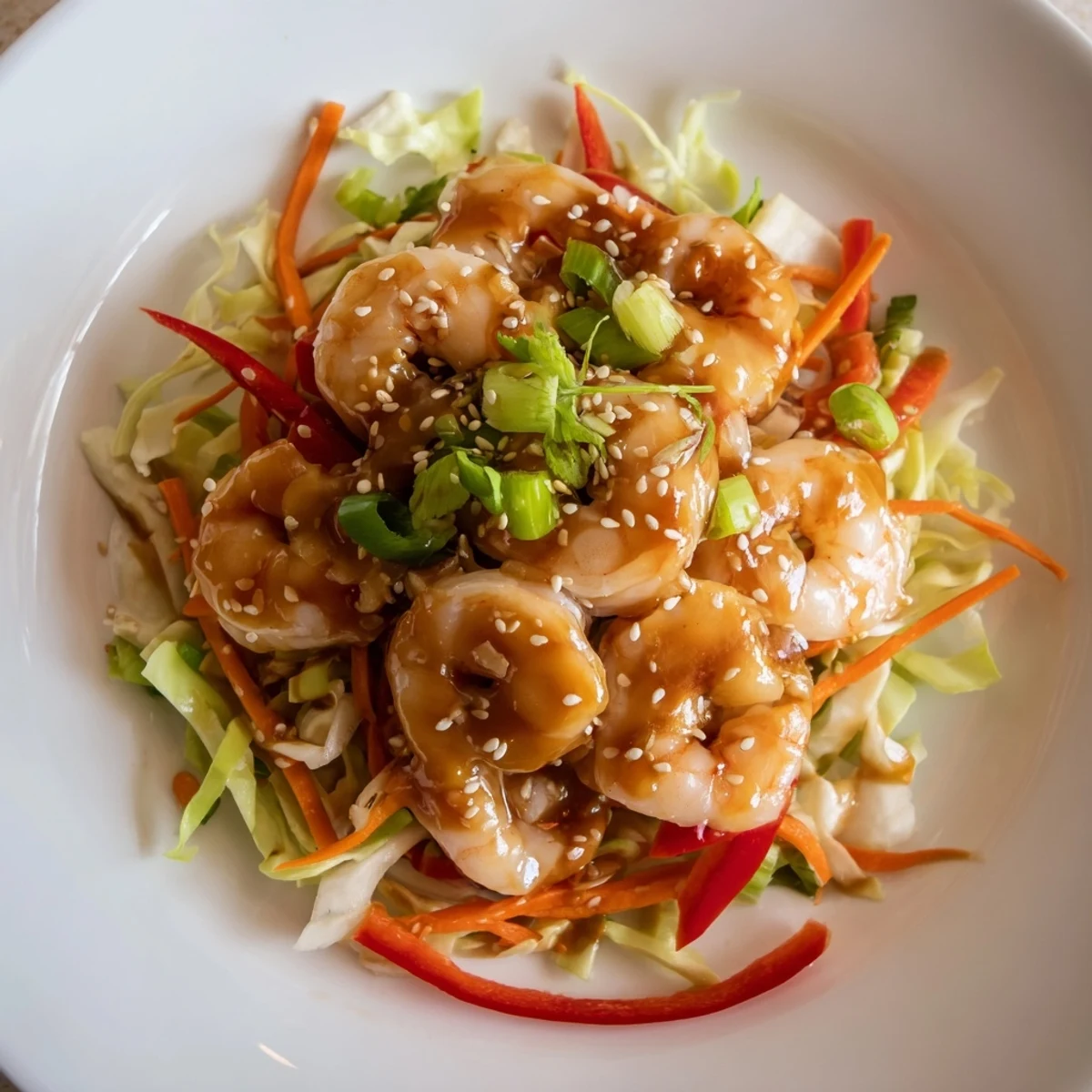
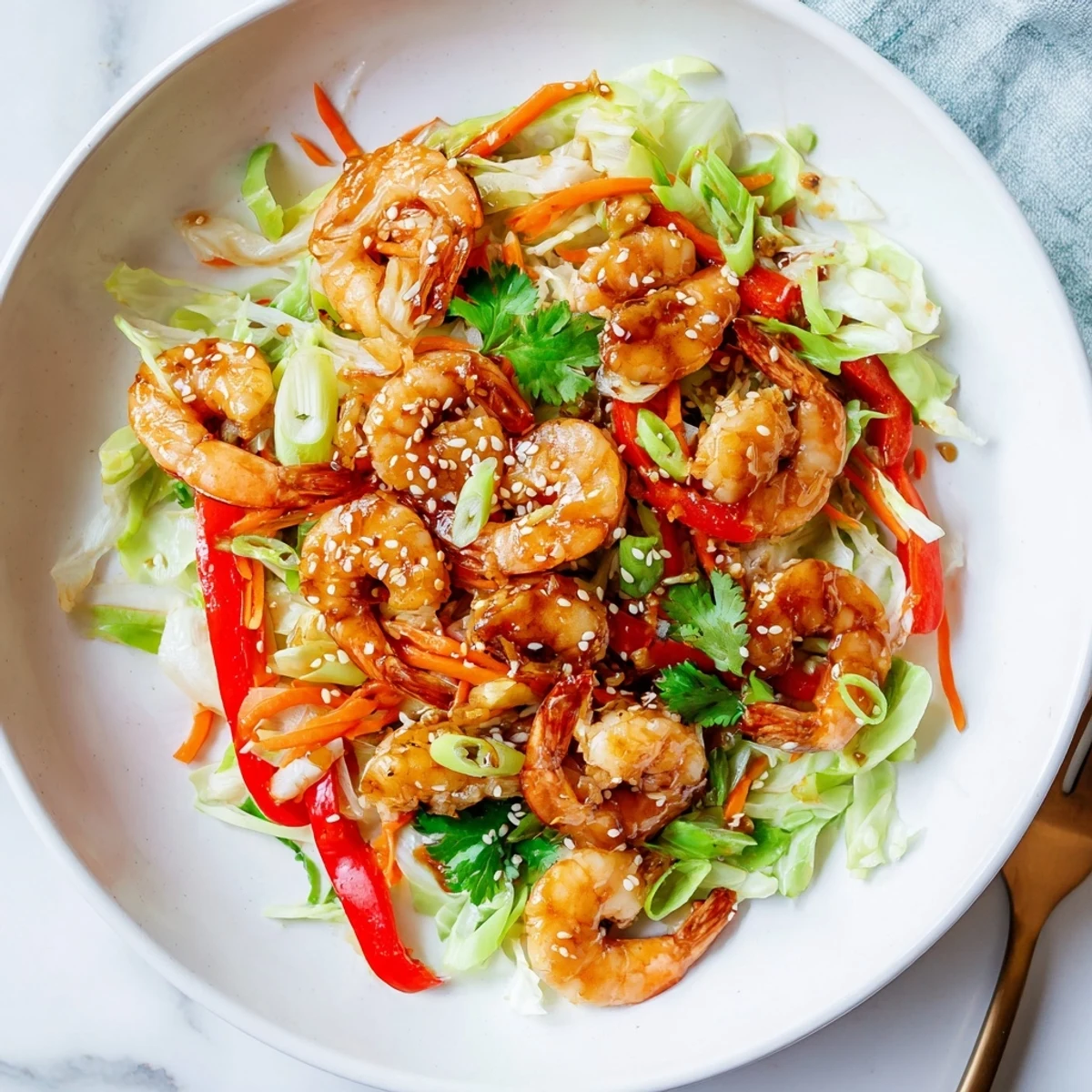
 In a hot wok, shrimp take just minutes to turn opaque; searing first seals juices, then quick tossing with thinly sliced cabbage, julienned carrot and bell pepper keeps everything crisp-tender. A simple mix of soy, oyster, rice vinegar, sesame oil and a touch of honey coats the pan for glossy, savory balance. Finish with green onion and toasted sesame for texture and brightness. Swap cauliflower rice or serve over steamed rice.
The sizzle of shrimp hitting a smoking wok is one of those sounds that instantly transports me back to my tiny apartment kitchen where I first attempted stir frying with more enthusiasm than skill. I had just discovered the local Asian grocery store and came home loaded with ingredients I could barely identify, determined to make something that tasted like the takeout I craved on lazy evenings. That first batch was a chaotic mess of overcooked shrimp and undercooked cabbage, but the sauce, that magical combination of soy and sesame and ginger, kept me going back to the wok until I got it right.
My friend Lisa stopped by one evening right as I was pulling the wok off the burner, and she stood in the doorway sniffing the air like a cartoon character floating toward a pie. She ended up staying for dinner, and now she texts me at least once a month asking when I am making that cabbage shrimp thing again.
Ingredients
- 1 lb large shrimp, peeled and deveined: Fresh or frozen both work beautifully, but if using frozen, pat them thoroughly dry with paper towels so they sear instead of steam.
- 4 cups green cabbage, thinly sliced: Slice it by hand rather than using a mandoline for uneven, rustic pieces that cook at slightly different rates and give better texture.
- 1 medium carrot, julienned: Cut them thin and uniform so they cook through in the same time as the bell pepper.
- 1 red bell pepper, thinly sliced: The color is not just pretty, it adds a subtle sweetness that balances the punchy sauce.
- 3 green onions, sliced: Save these for the end so they stay bright and fresh as a garnish.
- 2 cloves garlic, minced: Fresh garlic only here, the jarred stuff loses too much of its bite for a dish this fast.
- 1 inch fresh ginger, grated: I freeze my ginger and microplane it straight from frozen, which makes the grating effortless and the flavor more intense.
- 3 tbsp soy sauce or tamari: Tamari keeps this gluten free and actually has a richer, deeper flavor than regular soy sauce.
- 1 tbsp oyster sauce: This is the secret weapon that gives the sauce its velvety body and savory depth.
- 1 tbsp rice vinegar: Just enough acidity to brighten everything without making it taste sour.
- 2 tsp sesame oil: A little goes a long way, and adding it to the sauce rather than the pan preserves its toasty fragrance.
- 1 tsp honey or brown sugar: The sweetness rounds out the salt and acid and helps the sauce cling to every piece.
- Quarter tsp crushed red pepper flakes: Entirely optional but I always add them for a gentle warmth that builds with each bite.
- 2 tbsp vegetable oil: Use an oil with a high smoke point like avocado or canola so it does not burn at stir fry temperatures.
- Toasted sesame seeds and fresh cilantro for garnish: These finish the dish with crunch and freshness that make it feel complete.
Instructions
- Whisk the sauce together:
- Combine the soy sauce, oyster sauce, rice vinegar, sesame oil, honey, and red pepper flakes in a small bowl and give it a good whisk until the honey dissolves. Set it near the stove so it is ready to pour the moment you need it.
- Sear the shrimp:
- Heat one tablespoon of oil in your wok or skillet over medium high heat until it shimmers, then toss in the shrimp in a single layer. Let them cook undisturbed for about a minute before stirring, and pull them off as soon as they turn pink, they will finish cooking later.
- Wake up the aromatics:
- Add the remaining oil to the hot wok and throw in the garlic and ginger, stirring constantly for about 30 seconds until your kitchen smells incredible. Do not let them brown or they will turn bitter.
- Toss the vegetables:
- Add the cabbage, carrot, and bell pepper all at once and stir fry vigorously for 3 to 4 minutes. You want the cabbage slightly wilted but still snappy, with visible char on some edges.
- Bring it all together:
- Slide the shrimp back into the wok, pour the sauce over everything, and toss like you mean it for another minute or two. The sauce will bubble and thicken slightly, coating each piece in a glossy glaze.
- Finish and serve:
- Kill the heat and scatter the green onions, sesame seeds, and cilantro over the top. Serve it straight from the wok while it is piping hot and the vegetables still have their crunch.
 Pin It
 This dish became my Tuesday night tradition, the thing I make when I want something satisfying without thinking too hard.
What to Serve Alongside
Steamed jasmine rice is the obvious choice and honestly hard to beat, but I have started serving this over cauliflower rice when I want something lighter, and it absorbs the sauce just as well. A side of miso soup or a simple cucumber salad with rice vinegar rounds out the meal nicely if you are feeding guests.
Making It Your Own
The beauty of a stir fry is how forgiving it is once you understand the basic technique of hot pan, quick cook, saucy finish. Snap peas, broccoli florets, sliced mushrooms, or even handfuls of spinach can go right in with the cabbage. I have swapped the shrimp for cubed tofu on meatless nights and for thinly sliced chicken when shrimp was not available, and every version tasted like its own distinct dinner.
Leftovers and Reheating
This reheats surprisingly well if you keep the vegetables slightly undercooked the first time around, which is how I always recommend doing it anyway.
- Store leftovers in an airtight container in the refrigerator for up to three days.
- Reheat in a hot skillet for just a minute or two rather than using the microwave, which turns the shrimp rubbery.
- Add a tiny splash of soy sauce when reheating to wake the flavors back up.
 Pin It
 Some dinners are just dinner, and some dinners remind you that cooking does not have to be complicated to be deeply satisfying. This stir fry is the latter, and I hope it becomes a regular in your kitchen too.
Recipe Questions & Answers
- → What shrimp size works best?
-
Large shrimp (16/20 or 21/25) give a meaty bite and stay tender when seared briefly. Peel and devein for even cooking and quick heat transfer.
- → How do I keep cabbage crisp?
-
Slice cabbage thin and add it after aromatics; stir-fry over high heat for just a few minutes. Avoid overcrowding the pan so vegetables retain crunch.
- → Can this be made gluten-free?
-
Yes. Substitute tamari or a gluten-free soy sauce and ensure the oyster sauce is labeled gluten-free to maintain the savory profile.
- → How can I increase heat levels?
-
Add crushed red pepper flakes to the sauce, a splash of sriracha when tossing, or thinly sliced fresh chilies in step two for immediate spice.
- → What are good serving options?
-
Serve over steamed rice or cauliflower rice for a lower-carb plate. It also pairs well with simple noodles or a bed of greens for a lighter meal.
- → How long does it store and reheat?
-
Store in an airtight container in the fridge for up to 3 days. Reheat gently in a skillet over medium heat to preserve texture; add a splash of water if needed.