
 Pin It
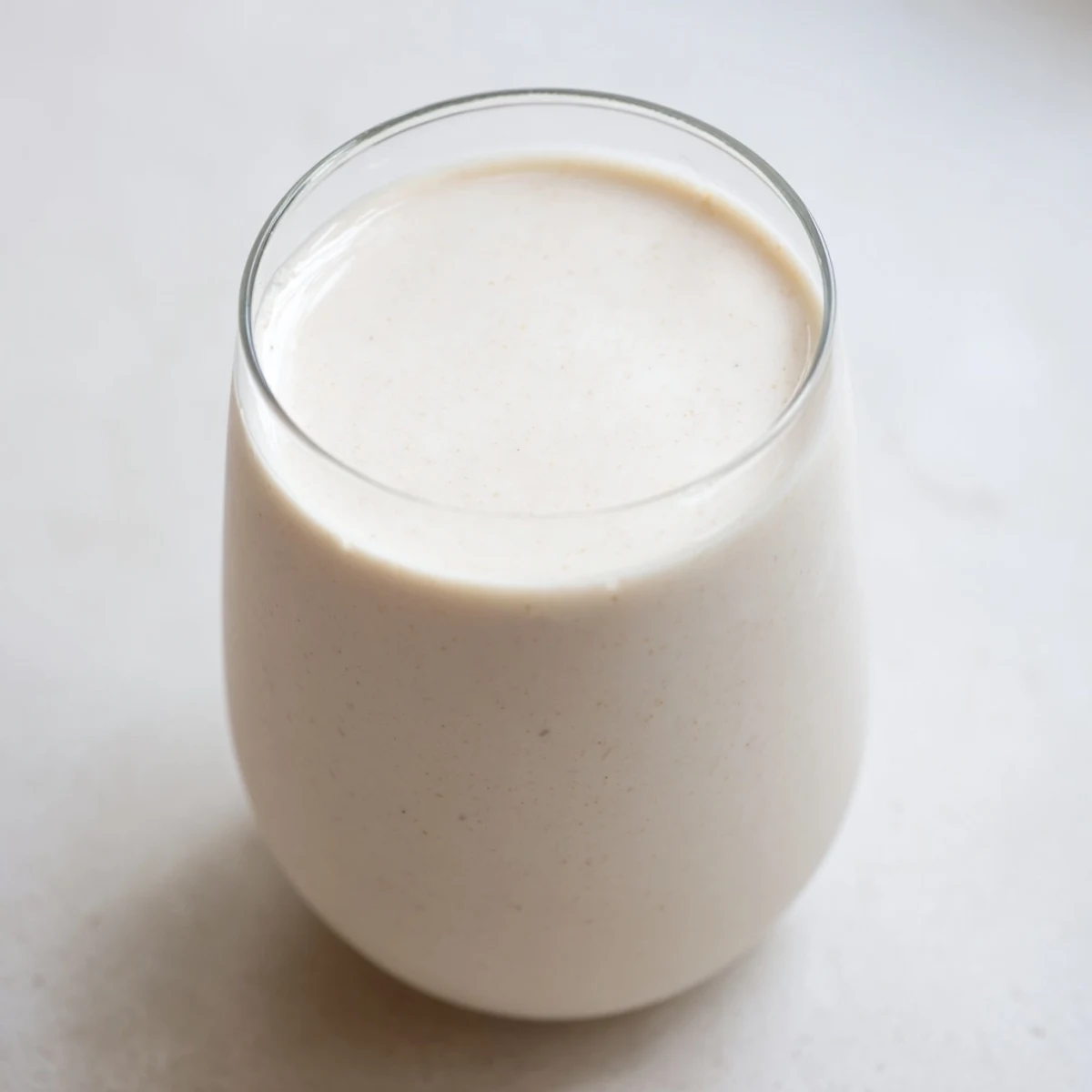
 Transform raw almonds into silky, fresh almond milk in just 10 minutes of active time. This versatile dairy-free alternative delivers superior flavor compared to store-bought versions, plus you control every ingredient. Simply soak almonds overnight, blend with filtered water, strain through a nut milk bag, and enjoy.
The result is a naturally creamy, subtly sweet beverage perfect for pouring over cereal, adding to coffee, blending into smoothies, or using in baked goods. Leftover almond pulp can be repurposed for energy bites or baked treats, making this both economical and waste-free.
The blender roared at six in the morning and my roommate came stumbling out of her bedroom convinced I was grinding concrete. That was my first attempt at homemade almond milk, standing barefoot in a kitchen that smelled faintly of raw nuts and ambition. Store bought had always tasted thin, almost watery, and I refused to believe something called almond milk could carry so little actual almond flavor. Ten minutes of real effort later, I poured myself a glass of something velvety and rich that changed my mornings permanently.
I started making batches every Sunday, filling old maple syrup bottles with the stuff and lining them up in the fridge like tiny trophies. My sister visited one weekend, took one sip of her coffee, and sat there staring at the mug like it had revealed a secret to her.
Ingredients
- 1 cup raw almonds: Raw is nonnegotiable because roasted almonds bring a toasty flavor that fights against the clean, creamy taste you want.
- 4 cups filtered water: Filtered water makes a noticeable difference since tap water carries minerals and chlorine that muddy the flavor.
- 1 to 2 tablespoons maple syrup or sweetener of choice (optional): A little sweetness rounds out the nuttiness but honestly the milk stands beautifully on its own.
- 1 teaspoon vanilla extract (optional): Vanilla adds warmth and depth that makes this feel like a treat rather than a pantry staple.
- Pinch of sea salt (optional): Salt does what it always does, which is make everything else taste more like itself.
Instructions
- Soak the almonds:
- Dump the almonds into a bowl, cover them generously with water, and walk away for at least eight hours or overnight until they look plump and slightly bloated.
- Blend until velvety:
- Drain and rinse the soaked almonds, toss them into your blender with four cups of fresh filtered water, and run it on high for one to two minutes until the mixture looks creamy white and uniform.
- Add flavor if you want:
- Toss in your sweetener, vanilla, and salt, then blend for a few seconds just to bring it all together without overworking the machine.
- Strain the milk:
- Drape a nut milk bag or cheesecloth over a large bowl, pour the blended mixture in slowly, and watch the creamy milk separate from the pale pulp.
- Squeeze every last drop:
- Gather the cloth or bag tightly and squeeze with your hands until the pulp feels nearly dry and you have wrung out every bit of liquid.
- Store and enjoy:
- Pour the milk into a clean bottle or jar, seal it, and keep it in the refrigerator where it will stay fresh for four to five days, shaking well before each use.
 Pin It
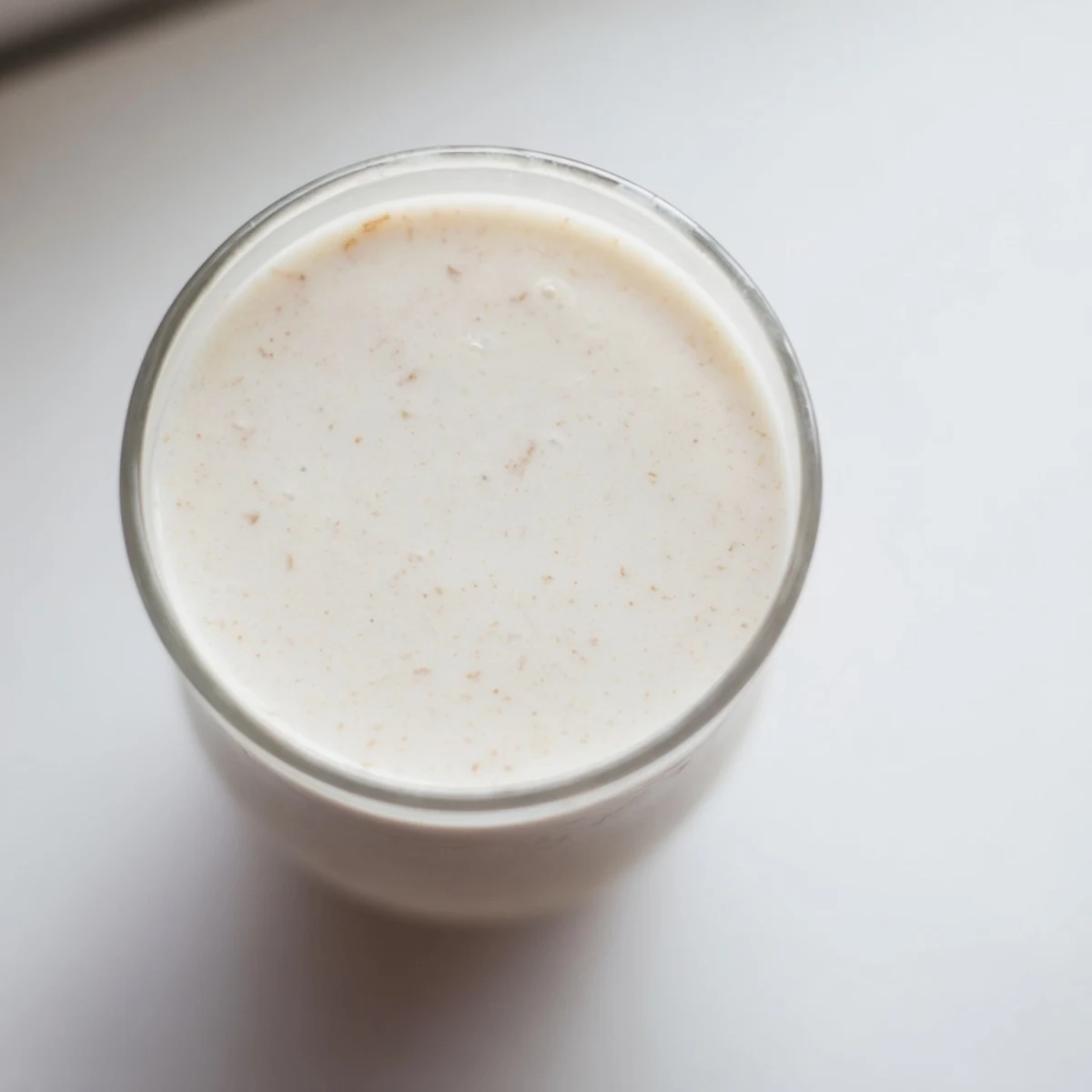
 There is something meditative about standing at the counter squeezing a nut milk bag, hands cold from the liquid, watching white milk pour out like you are conjuring something from almost nothing.
Choosing Your Almonds
I learned the hard way that not all raw almonds are created equal after buying a bag that turned my milk bitter and grey. Look for almonds that are truly raw, not pasteurized with steam or chemicals, and preferably from a source you trust. Bulk bins can be fine but check for freshness because old almonds mean flat, tired milk.
Making It Your Own
A tablespoon of cocoa powder blended in at the end transforms this into something that tastes like a childhood chocolate milk but without the sugar crash. A cinnamon stick dropped into the storage bottle infuses the milk overnight with a gentle spice that makes morning oatmeal extraordinary.
Storing and Using Every Drop
Homemade almond milk separates in the fridge because it lacks the emulsifiers and stabilizers that keep commercial versions uniform, and that is actually a sign you made it right. Just shake the bottle vigorously before each use and it comes back together beautifully.
- Use less water, around three cups instead of four, if you want a richer milk perfect for coffee or pouring over granola.
- Freeze any milk you will not finish within five days in ice cube trays for smoothies later.
- Always label your bottle with the date you made it so nothing gets lost in the back of the fridge.
 Pin It
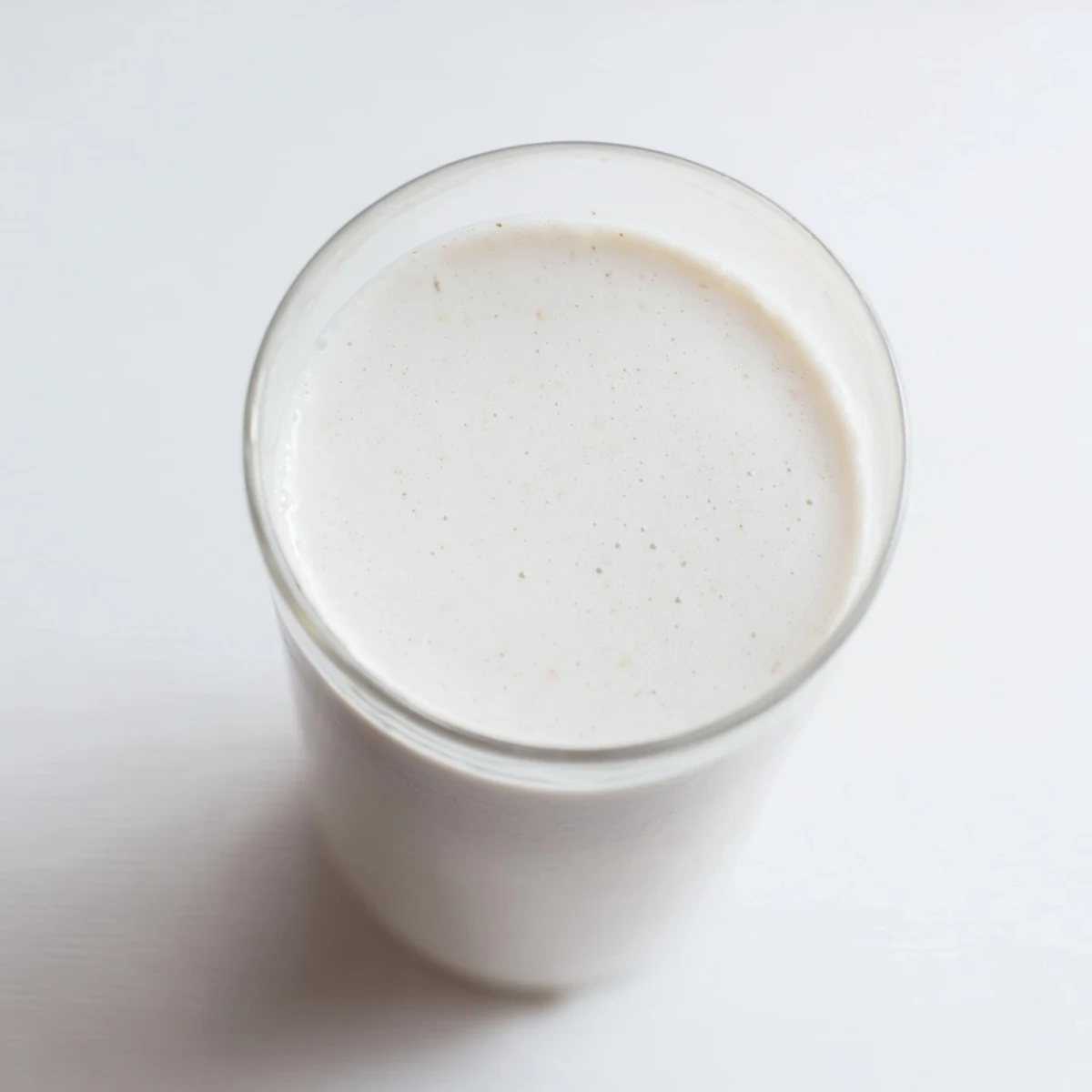
 A jar of fresh almond milk in the fridge is a small act of care for yourself that pays off every single morning. Pour it generously, share it freely, and never settle for the carton again.
Recipe Questions & Answers
- → Why should I soak the almonds before blending?
-
Soaking softens the nuts, breaks down enzyme inhibitors, and makes them easier to blend thoroughly. This step ensures you extract maximum creaminess and nutrition from each almond while achieving a smoother final texture.
- → How long does homemade almond milk last?
-
Properly stored in an airtight container in the refrigerator, your almond milk stays fresh for 4-5 days. Always give it a good shake before pouring, as natural separation occurs. The lack of preservatives means shorter shelf life than commercial versions.
- → Can I make this without sweetener?
-
Absolutely. Pure almond milk has a subtle, naturally sweet flavor from the almonds themselves. Add maple syrup, honey, dates, or vanilla only if you prefer a sweeter taste profile. Many people enjoy it completely unsweetened.
- → What can I do with the leftover almond pulp?
-
Don't toss those fibers! Dehydrate the pulp and grind it into almond flour for baking, fold it into energy balls, add to oatmeal, or blend directly into smoothies for extra fiber and protein. It keeps frozen for months.
- → Can I use other nuts with this same method?
-
This technique works beautifully with cashews, walnuts, pecans, or hazelnuts. Each nut brings its own unique flavor profile and creaminess level. Cashews require no straining and yield exceptionally thick milk, while walnuts create a richer, earthier version.
- → Do I need special equipment to strain the milk?
-
A nut milk bag works best, but fine cheesecloth layered over a mesh strainer does the job effectively. The key is squeezing firmly to extract all liquid. Some dedicated almond milk makers combine blending and straining in one appliance.